Last updated: May 6, 2026
In this article
Singapura Cat Breed Profile: The World’s Smallest Cat With the Biggest Heart
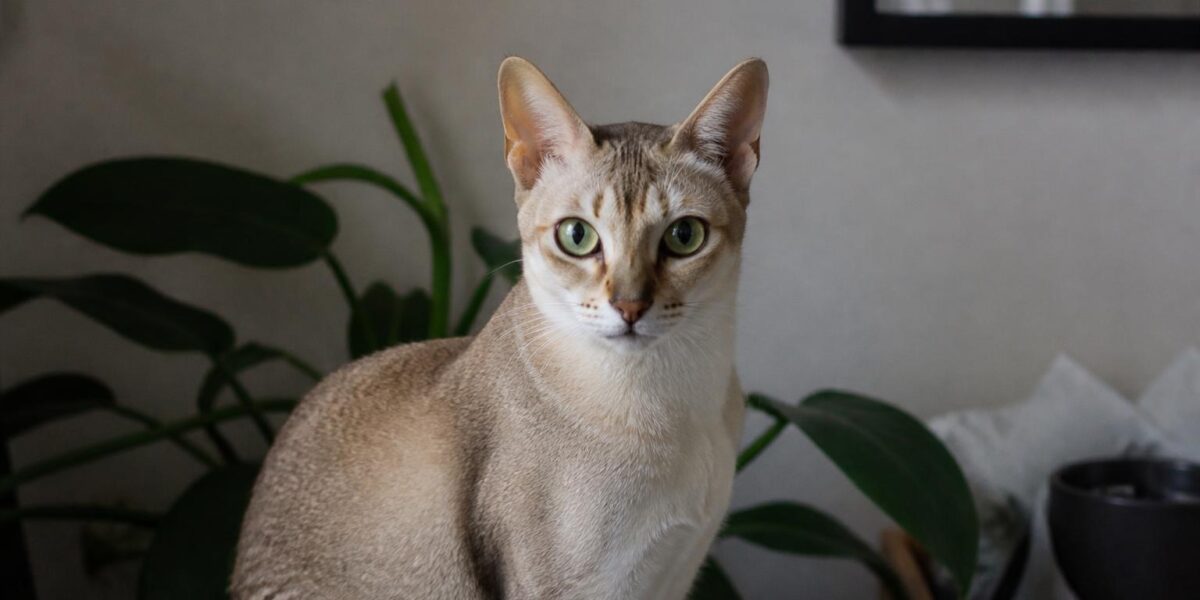
The Singapura holds the Guinness World Record as the smallest domesticated cat breed, but anyone who has spent time with one knows that this pint-sized feline packs more personality per pound than almost any other breed. With enormous, captivating eyes, a warm sepia-toned coat, and an irrepressible enthusiasm for life, the Singapura is proof that great things truly do come in small packages.
Named after the Malay word for Singapore, where the breed is said to have originated, the Singapura has a colorful and somewhat controversial history. But regardless of the debates surrounding its origins, one thing is universally agreed upon: the Singapura is an extraordinary companion that brings joy, energy, and endless entertainment to every household lucky enough to have one. This breed profile covers everything you need to know about this remarkable little cat.
History and Origin of the Singapura Cat
The Singapura’s origin story is one of the most debated in the cat fancy. According to the traditional account, the breed descends from small, ticked brown cats found living in the streets and drains of Singapore, known locally as “drain cats” or “kucinta” (a Malay word meaning “love cat”). American cat breeders Hal and Tommy Meadow are credited with bringing several of these cats to the United States in 1975 and establishing them as a breed.
However, controversy erupted in 1991 when it was revealed that the Meadows had actually brought cats from the United States to Singapore in 1974, before supposedly “discovering” them there and bringing them back to the US. This revelation raised questions about whether the Singapura was truly a natural breed from Singapore or a breed developed in the United States from Burmese and Abyssinian crosses.
An investigation by The Cat Fanciers’ Association concluded that while the Meadows’ account had inconsistencies, the breed’s genetic profile was distinct enough to warrant continued recognition. Subsequent genetic studies have confirmed that the Singapura has a unique genetic signature, though its exact relationship to other Southeast Asian cat populations remains a subject of scientific interest.
Regardless of the controversies surrounding its precise origins, the Singapura was granted Championship status by The Cat Fanciers’ Association in 1988 and has since been recognized by most major cat registries worldwide. The Singapore government declared the Singapura a “living national monument” in 1991, and statues of Singapura cats can be found along the Singapore River.
Today, the Singapura remains a relatively rare breed, with a small but dedicated community of breeders committed to maintaining the breed’s health, temperament, and distinctive characteristics. The breed’s small gene pool is a concern, and responsible breeders work carefully to maximize genetic diversity while preserving the qualities that make the Singapura special.
The Singapura shares some physical similarities with the Abyssinian, another ticked-coat breed with a warm, engaging personality. Comparing the two breeds can help prospective owners determine which is the better fit for their lifestyle.
Appearance and Physical Characteristics
The Singapura is a diminutive cat, with females weighing as little as 4 pounds and males rarely exceeding 8 pounds. Despite their tiny size, Singapuras are muscular and stocky rather than delicate, with a compact body that feels surprisingly solid when picked up. Their small stature and large, expressive features give them an eternally kitten-like appearance that endures throughout their lives.
The breed’s most arresting feature is its eyes. The Singapura’s eyes are enormous relative to its face, almond-shaped, and slightly tilted. They come in shades of hazel, green, or yellow, and they are outlined with dark “mascara” lines that extend from the outer corners, adding to their dramatic impact. Combined with the small face and large ears, the eyes give the Singapura an alert, inquisitive expression that seems to be constantly taking in the world with wonder.
The coat is short, fine, and silky, lying close to the body with minimal undercoat. The only accepted color is sepia agouti, a warm ivory base ticked with dark brown. Each hair has alternating bands of light and dark color, creating a luminous, shimmering effect that gives the coat depth and warmth. The underside, chest, and muzzle are lighter, creating a natural contrast that accentuates the cat’s contours.
The head is rounded, with a short, broad muzzle, a blunt nose, and prominent whisker pads. The ears are large, slightly pointed, and deeply cupped, set at a slight outward angle. The combination of large ears, enormous eyes, and a rounded head creates an irresistible, almost cartoonish cuteness that is one of the breed’s most appealing visual qualities.
The body is small and compact, with a slight arch to the back and well-developed muscles that belie the cat’s tiny size. The legs are sturdy and well-proportioned, ending in small, oval paws. The tail is slender, slightly shorter than the body, and has a dark tip. The overall impression is of a miniature, perfectly proportioned cat with features that are amplified to delightful effect.
Temperament and Personality
The Singapura’s personality is inversely proportional to its size. These tiny cats are bursting with energy, curiosity, and affection, and they approach life with an enthusiasm that is both infectious and slightly exhausting. Living with a Singapura is like having a perpetual kitten in the house, one that never quite outgrows its zest for play and discovery.
Singapuras are extraordinarily people-oriented cats that want to be involved in everything their owners do. They will follow you from room to room, perch on your shoulder while you cook, supervise your work at the computer, and snuggle under the covers at bedtime. Their need for human interaction is intense, and they do not do well when left alone for long periods. If your lifestyle requires extended absences, a Singapura may not be the best choice unless you can provide a compatible feline companion.
These cats are famously affectionate and are often described as “heat-seeking missiles” for their tendency to find the warmest spot in the house, which is usually on or near a human being. They love laps, they love snuggles, and they are not shy about demanding attention when they feel they are being neglected. Their affection is wholehearted and uninhibited, and it is one of the qualities that makes Singapura owners so devoted to the breed.
The Singapura’s intelligence is considerable, and they are quick learners who enjoy interactive activities and problem-solving challenges. Many Singapuras can learn tricks, and some even enjoy playing fetch. They are endlessly curious about their environment and will investigate every new object, sound, and visitor with characteristic thoroughness.
Despite their energy, Singapuras are not typically destructive cats. They prefer to channel their energy into play and exploration rather than demolition. However, they do need adequate stimulation to prevent boredom, and a bored Singapura can become restless and vocal. Providing plenty of toys, climbing structures, and interactive play opportunities helps keep them happy and well-behaved.
With other pets, Singapuras are generally friendly and sociable. They enjoy the company of other cats and can get along well with cat-friendly dogs. Their confident, outgoing nature helps them integrate into multi-pet households, and they often become the social organizers of their feline groups, initiating play and grooming sessions with their housemates. If you live in a smaller space, check out our roundup of the best cats for apartments, which includes other breeds that thrive in compact living environments.
Exercise, Play, and Enrichment
The Singapura is an active, energetic cat that requires regular play and enrichment to stay happy and healthy. Despite their small size, these cats have abundant energy and a strong desire for interactive engagement. Meeting their activity needs is essential for preventing boredom-related behavioral issues.
Interactive play sessions are a must for Singapura cats. These intelligent felines enjoy a variety of toys, with particular enthusiasm for feather wands, small balls, and anything that simulates the movement of prey. Two to three play sessions of 15 to 20 minutes each, spread throughout the day, provide adequate physical exercise and mental stimulation. The Singapura’s natural agility and acrobatic ability make play sessions entertaining for owners as well as for the cats themselves.
Vertical space is extremely important for Singapuras. These athletic little cats love to climb and are often found in the highest spots they can reach. Tall cat trees, wall-mounted shelves, and elevated perches give them opportunities to satisfy their climbing instincts and survey their territory from above. Their light weight means that even lightweight cat furniture can accommodate them securely.
Puzzle feeders and interactive food toys are excellent enrichment tools for Singapuras. Their intelligence and food motivation make them enthusiastic users of these devices, which provide mental stimulation and slow down eating. Rotating different types of puzzle feeders helps maintain interest and provides ongoing cognitive challenge.
Many Singapuras enjoy learning tricks and can be trained using positive reinforcement methods. Teaching your Singapura to sit, shake, high-five, or fetch provides mental stimulation and strengthens the bond between you and your cat. Clicker training is particularly effective with this intelligent, food-motivated breed.
For a wider range of ideas on keeping your cat mentally stimulated and physically active, our guide to cat enrichment activities offers creative and practical suggestions suitable for Singapuras and other active breeds.
Because Singapuras are so people-oriented, they benefit most from enrichment activities that involve human interaction. While solo toys and puzzle feeders are valuable, nothing replaces dedicated play and bonding time with their owners. Making time for daily interactive engagement is one of the most important things you can do for your Singapura’s well-being.
Health and Lifespan
The Singapura is generally a healthy breed with a lifespan of 11 to 15 years, and with excellent care, some individuals live even longer. However, the breed’s small gene pool means that certain genetic health concerns exist, and prospective owners should be aware of these issues.
Pyruvate kinase deficiency is a genetic condition that has been identified in the Singapura breed. This enzyme deficiency affects the red blood cells, leading to hemolytic anemia. A DNA test is available, and responsible breeders test their breeding cats to avoid producing affected kittens. When purchasing a Singapura, always ask the breeder for proof of PK deficiency testing.
Uterine inertia is a reproductive concern in the breed, affecting some female Singapuras during labor. This condition involves the uterus failing to contract effectively during delivery, which may necessitate a caesarean section. Breeders are aware of this issue and monitor pregnant females closely during the birthing process.
Due to their small size, Singapuras can be more sensitive to anesthesia than larger breeds. If your cat requires surgery or dental procedures involving sedation, ensure your veterinarian is aware of the breed’s small size and adjusts drug dosages accordingly. Finding a veterinarian experienced with small or toy breeds can be beneficial.
Common feline health concerns, including dental disease, kidney disease, and hyperthyroidism, can affect Singapuras as they age. Regular veterinary check-ups, a balanced diet, adequate hydration, and dental care are essential for maintaining good health throughout your cat’s life. Annual blood work for senior cats helps detect age-related conditions early.
Obesity is less common in Singapuras than in many other breeds, thanks to their high activity level and fast metabolism. However, spayed or neutered cats may be more prone to weight gain, and portion control and regular exercise remain important. Your veterinarian can advise on the appropriate daily calorie intake for your individual cat’s size and activity level.
Grooming Requirements
The Singapura’s grooming needs are refreshingly minimal, making it one of the easiest cat breeds to maintain in terms of coat care. The short, fine coat has very little undercoat and lies close to the body, shedding minimally and requiring very little intervention to stay clean and attractive.
A weekly brushing with a soft bristle brush or a fine-toothed comb is all that is needed to remove loose hair and keep the coat smooth and shiny. Many Singapura owners find that simply stroking their cat with a damp chamois cloth is sufficient to keep the coat in excellent condition. The breed’s natural self-grooming habits take care of most day-to-day maintenance.
Bathing is rarely necessary for Singapuras, as their coat stays naturally clean. An occasional bath every few months is sufficient if needed, using a gentle, cat-appropriate shampoo. Their small size makes bathing relatively easy compared to larger breeds, though most Singapuras will still express their opinion about the experience.
Nail trimming should be done every two weeks, and regular ear cleaning with a veterinarian-approved ear cleaner helps prevent wax buildup and infections. Dental care is important, as it is for all cats, and regular brushing with a cat-specific toothpaste helps prevent periodontal disease.
The Singapura’s large eyes should be checked regularly for discharge or irritation. A gentle wipe with a damp cotton ball can help keep the eye area clean. If you notice excessive tearing, redness, or signs of discomfort, consult your veterinarian promptly.
Overall, the Singapura is an excellent choice for owners who want a beautiful cat without a significant grooming commitment. The time you save on grooming can be redirected into the play and interaction that this social breed craves.
Who Is the Singapura Cat Best For?
The Singapura is best suited for owners who want a highly interactive, deeply affectionate, and endlessly entertaining companion. This is a breed that demands engagement and rewards it with extraordinary devotion and companionship. Owners who appreciate a cat that wants to be involved in every aspect of their lives will find the Singapura to be a perfect match.
The ideal Singapura owner has plenty of time for interaction and play. People who work from home, retirees, and anyone with a flexible schedule that allows for regular engagement with their cat will find the Singapura’s needs easy to meet. If you are away from home for extended periods, providing a compatible feline companion is strongly recommended to prevent loneliness and anxiety.
Families with gentle, respectful children can have wonderful experiences with Singapuras. These cats enjoy the attention and activity that children provide, and their sturdy little bodies are more resilient than their small size might suggest. However, very young children should be supervised to ensure they handle the cat gently, and children should be taught that the cat’s small size does not make it a toy.
Apartment dwellers will find the Singapura to be an excellent companion. Their small size, quiet voice, and minimal shedding make them considerate neighbors, and they adapt well to smaller living spaces as long as they have adequate vertical space and enrichment. Their playful nature and climbing ability mean they make excellent use of vertical space, so invest in good cat trees and wall shelves.
First-time cat owners who are prepared for an active, social cat can enjoy the Singapura’s companionship. The breed’s friendly, outgoing nature makes it relatively easy to bond with, and its minimal grooming needs reduce the learning curve for new cat owners. The main adjustment is understanding and meeting the breed’s high need for social interaction and stimulation.
For experienced cat enthusiasts looking for something special, the Singapura offers a unique combination of beauty, personality, and rarity that is hard to find in other breeds. The experience of living with a Singapura is often described as addictive, with many owners going on to become lifelong breed advocates.
Frequently Asked Questions
How small are Singapura cats?
Singapura cats are the smallest recognized domestic cat breed, with females weighing as little as 4 pounds and males typically ranging from 6 to 8 pounds. Despite their tiny size, they are muscular and compact rather than fragile. Their small stature, combined with their large eyes and ears, gives them an eternally kitten-like appearance that many people find irresistible. Do not let their size fool you, though, as Singapuras are active, athletic cats that are fully capable of holding their own in a multi-cat household.
Are Singapura cats good with children?
Singapura cats can be excellent companions for families with children, particularly children who are old enough to handle the cat gently and respectfully. The breed’s playful, affectionate nature makes it a natural fit for family life, and Singapuras often enjoy the energy and attention that children provide. Supervision is important to ensure that young children do not handle the small cat too roughly, and children should be taught to support the cat properly when holding it.
Do Singapura cats need a lot of attention?
Yes, Singapura cats are very people-oriented and require significant daily interaction and attention from their owners. They do not do well when left alone for extended periods and can develop anxiety or behavioral issues if their social needs are not met. If your lifestyle requires long absences from home, having a compatible feline companion for your Singapura can help provide the social interaction it needs. Interactive play sessions, puzzle toys, and quality lap time are all important components of meeting a Singapura’s social needs.
What color are Singapura cats?
Singapura cats come in only one accepted color: sepia agouti. This is a warm ivory base coat ticked with dark brown, creating a luminous, shimmering effect. Each individual hair has alternating bands of light and dark color. The underside, chest, and muzzle are lighter, while the tail tip, ear tips, and whisker pad outlines are darker. The eyes are lined with dark “mascara” markings, and the nose leather is pale to dark salmon. This single-color breed standard helps maintain the Singapura’s distinctive and uniform appearance.
How long do Singapura cats live?
Singapura cats have a lifespan of 11 to 15 years, with some individuals living longer with excellent care. Their longevity is supported by generally good health, though the breed’s small gene pool means certain genetic conditions, such as pyruvate kinase deficiency, should be tested for in breeding stock. Regular veterinary care, a balanced diet, adequate exercise, and a stress-free environment all contribute to a long, healthy life for your Singapura.
Looking to adopt a Singapura Cat Breed Profile?
Browse Singapura Cat Breed Profile cats and mixes available for adoption from shelters and rescues near you.
Find Singapura Cat Breed Profile Cats for Adoption