Last updated: May 6, 2026
In this article
Skye Terrier Breed Profile: Scotland’s Endangered Loyal Companion
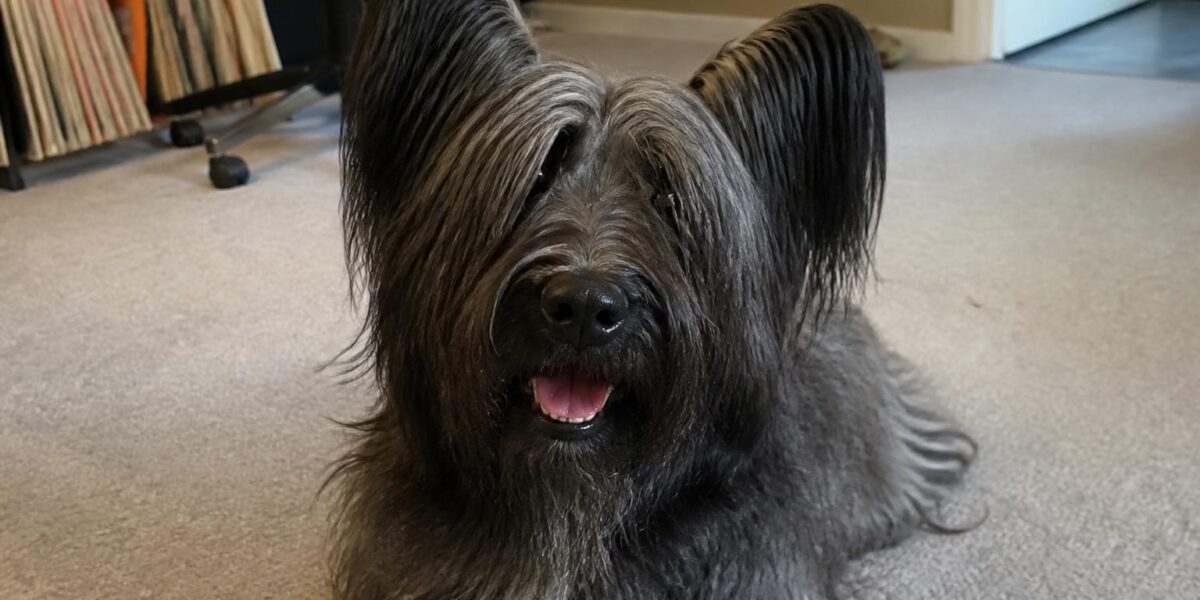
The Skye Terrier is one of the oldest and most endangered terrier breeds in the world. Hailing from the rugged Isle of Skye off Scotland’s northwest coast, this elegant and fiercely loyal dog has captured hearts for centuries with its striking long coat and unwavering devotion to its people. Despite a storied history that includes royal patronage and one of the most famous stories of canine loyalty ever told, the Skye Terrier now faces an uncertain future, with fewer than 30 puppies registered in the United Kingdom some years.
For those who take the time to know this breed, the Skye Terrier offers an extraordinary companionship experience. These are not dogs for everyone, and that is part of their appeal. Dignified, discerning, and deeply attached to their chosen humans, Skye Terriers reward patience and understanding with a bond unlike any other. In this breed profile, we will explore what makes the Skye Terrier so special and why this remarkable breed deserves to be saved.
History and Origin of the Skye Terrier
The Skye Terrier’s roots stretch back at least four centuries to the misty Isle of Skye in Scotland’s Inner Hebrides. The breed was developed to hunt foxes, badgers, and otters that threatened livestock on the island’s farms and crofts. Their long, flat-lying coat protected them from harsh weather and the bites of cornered prey, while their low-slung build allowed them to follow quarry into rocky dens and burrows.
The breed’s rise to prominence began in the 16th century when it attracted the attention of Scottish and English nobility. Queen Victoria was a devoted Skye Terrier enthusiast and kept several at her royal residences, which dramatically increased the breed’s popularity among the upper classes. During the Victorian era, the Skye Terrier was one of the most fashionable and sought-after breeds in Britain.
Perhaps the most famous Skye Terrier in history was Greyfriars Bobby, a dog who reportedly guarded his owner’s grave in Edinburgh’s Greyfriars Kirkyard for 14 years after the man’s death in 1858. Bobby’s story became a symbol of canine devotion and inspired books, films, and a statue that remains one of Edinburgh’s most visited landmarks. While some historians debate certain details of the story, Bobby’s legacy has forever linked the Skye Terrier with extraordinary loyalty.
The American Kennel Club recognized the Skye Terrier in 1887, making it one of the earliest breeds to gain AKC recognition. However, the breed’s popularity began declining in the early 20th century as newer and more fashionable breeds emerged. Today, the Skye Terrier is critically endangered, with The Kennel Club listing it as one of the most vulnerable native British breeds. Conservation breeding programs and dedicated breed clubs are working tirelessly to prevent this magnificent breed from disappearing.
The Skye Terrier shares its Scottish heritage with several other notable breeds. If you are drawn to terriers from Scotland, you may also enjoy reading about the Scottish Terrier, another dignified and characterful breed from the Highlands.
Appearance and Physical Characteristics
The Skye Terrier is an unmistakable breed, and once you have seen one, you will never forget it. These dogs are long, low, and level, with a body that is approximately twice as long as it is tall. They stand about 10 inches at the shoulder and weigh between 35 and 45 pounds, making them one of the heavier terrier breeds despite their modest height.
The breed’s crowning glory is its magnificent coat, which is long, straight, and flat-lying, parting down the center of the back and falling like a curtain on either side of the body. The outer coat is hard and straight, while the undercoat is soft, short, and woolly. The coat can reach the ground in well-groomed adults, creating a dramatic silhouette that turns heads wherever the dog goes.
Skye Terriers come in several colors, including black, dark or light grey, silver platinum, fawn, and cream. The ears, muzzle, and tip of the tail are typically darker than the body color. Speaking of ears, the Skye Terrier comes in two ear varieties: prick-eared and drop-eared. Both are accepted in the breed standard, though prick-eared dogs are more commonly seen today. The ears are feathered with long hair that frames the face beautifully.
The face itself is partially veiled by the long hair that falls forward from the head, giving the Skye Terrier a mysterious and somewhat aristocratic expression. Beneath that veil are dark, medium-sized eyes that sparkle with intelligence and warmth. The muzzle is strong, the nose is black, and the jaw is powerful, reflecting the breed’s working origins.
The Skye Terrier moves with a seemingly effortless, flowing gait that is surprisingly graceful for such a long-bodied dog. Their movement is smooth and free, with good reach and drive, and the long coat adds to the impression of a dog gliding across the ground.
Temperament and Personality
The Skye Terrier is a breed of contradictions, and that is precisely what makes it so fascinating. These dogs are simultaneously dignified and playful, reserved and deeply affectionate, independent and intensely loyal. Understanding and appreciating these contrasts is key to building a successful relationship with a Skye Terrier.
With their families, Skye Terriers are loving, devoted, and surprisingly sensitive. They form profound bonds with their primary caregivers and are happiest when they can be near their people. Many Skye owners report that their dogs follow them from room to room, always wanting to be close but rarely demanding attention in an intrusive way. This quiet, companionable presence is one of the breed’s most endearing qualities.
With strangers, however, the Skye Terrier is a different dog entirely. These dogs are naturally reserved and cautious around unfamiliar people, and they do not bestow their trust easily. This is not shyness or fearfulness but rather a deliberate discernment that is deeply ingrained in the breed’s character. Patience is required when introducing a Skye Terrier to new people, and the dog should always be allowed to approach on its own terms.
The breed’s legendary loyalty can tip into overprotectiveness if not managed through proper socialization. Exposing your Skye Terrier puppy to a wide variety of people, places, and experiences during the critical socialization window will help develop a confident, well-adjusted adult dog. Even so, the Skye will likely always prefer the company of its own family to that of strangers, and that is perfectly normal for the breed.
Skye Terriers can be territorial and may not always get along with other dogs, particularly dogs of the same sex. Their strong prey drive means they should be supervised around small animals. With cats and other household pets, they can coexist peacefully if raised together from puppyhood, but introductions should always be managed carefully.
For families interested in other loyal, small dog breeds with strong personalities, our curated guide offers several excellent options to consider alongside the Skye Terrier.
Exercise and Training Needs
The Skye Terrier has moderate exercise requirements that are easily met with daily walks and some free play. Two walks of 20 to 30 minutes each, combined with some off-leash time in a secure area, will typically satisfy this breed’s physical needs. They enjoy exploring and investigating their surroundings at a measured pace, and they appreciate walks that include opportunities for sniffing and mental engagement.
It is important to note that Skye Terrier puppies require special exercise considerations. Because of their long backs and short legs, young Skye Terriers should not be allowed to jump on and off furniture, climb stairs excessively, or engage in high-impact activities until their bones and joints have fully developed, typically by 18 to 24 months of age. Overexertion during the growth period can contribute to skeletal problems later in life.
Training a Skye Terrier is an exercise in mutual respect. These dogs are highly intelligent and perfectly capable of learning anything you wish to teach them. However, they are also proud and sensitive, and they respond very poorly to harsh corrections or heavy-handed training methods. Positive reinforcement, delivered with patience and consistency, is the only approach that works with this breed.
The Skye Terrier has a long memory, both for positive and negative experiences. A single frightening or painful incident during training can set your progress back significantly and damage the trust between you and your dog. Conversely, positive training experiences build confidence and strengthen the bond. Keep sessions short, upbeat, and varied, and always end on a positive note.
Socialization is arguably the most important aspect of training for a Skye Terrier. Because the breed is naturally reserved, early and ongoing exposure to new people, animals, environments, and situations is essential for developing a well-rounded adult. Puppy socialization classes, regular outings to pet-friendly locations, and positive encounters with friendly strangers all contribute to a more confident, adaptable dog.
Health and Lifespan
The Skye Terrier has a lifespan of 12 to 14 years, and with proper care, some individuals live even longer. Like all breeds, the Skye is predisposed to certain health conditions, and awareness of these issues helps owners provide the best possible care.
One of the most significant health concerns in the breed is premature closure of the growth plates, a condition that affects the development of the long bones in the legs. This is why it is so important to limit high-impact exercise in growing puppies. Working with a veterinarian who is familiar with the breed can help you develop an appropriate exercise plan for your puppy.
Orthopedic issues, including intervertebral disc disease, can affect Skye Terriers due to their long-backed build. Maintaining a healthy weight, providing appropriate exercise, and avoiding excessive jumping can help reduce the risk of back problems. Ramps for accessing furniture and cars are a worthwhile investment for Skye Terrier owners.
Autoimmune conditions, including autoimmune hepatitis, have been reported in the breed. Regular veterinary check-ups that include blood work can help detect liver issues early, when they are most treatable. Some Skye Terriers are also prone to allergies, which may manifest as skin irritation, ear infections, or digestive sensitivities.
Mammary cancer and hemangiosarcoma have been identified as concerns in the breed. Regular veterinary examinations and prompt attention to any unusual lumps, bumps, or changes in your dog’s health or behavior are important for early detection and treatment.
Good dental care is essential for Skye Terriers, as small breeds are particularly prone to periodontal disease. Regular brushing, dental chews, and professional cleanings help maintain oral health and prevent the pain and systemic health issues that can result from neglected dental care.
Grooming Requirements
The Skye Terrier’s stunning coat is undeniably one of the breed’s most appealing features, but it does require a significant commitment to maintenance. This is not a breed for anyone who is unwilling to invest time in regular grooming.
The coat should be brushed thoroughly at least two to three times per week, ideally more often, to prevent mats and tangles. A pin brush and a long-toothed comb are the primary tools you will need. Work through the coat section by section, paying particular attention to the areas behind the ears, under the legs, and on the chest and belly, where mats are most likely to form.
Bathing should be done every two to four weeks, depending on the dog’s lifestyle and activity level. Use a high-quality dog shampoo and conditioner to keep the coat clean, soft, and manageable. After bathing, the coat should be thoroughly dried, either with a blow dryer on a cool setting or by allowing the dog to air dry in a warm, draft-free area. A damp coat left to dry on its own can develop an unpleasant odor and is more prone to matting.
Many pet Skye Terrier owners choose to keep the coat trimmed shorter than show length for easier maintenance. This is a perfectly acceptable option for companion dogs and can significantly reduce the time required for grooming while still preserving the breed’s distinctive look.
The hair around the eyes should be kept clean and trimmed as needed to prevent irritation. Ears should be checked and cleaned weekly, and nails should be trimmed every two to three weeks. The hair between the paw pads should also be kept trimmed to prevent slipping and the accumulation of debris.
Who Is the Skye Terrier Best For?
The Skye Terrier is best suited for experienced dog owners who understand and appreciate the terrier temperament and are willing to invest time in grooming, socialization, and building a deep bond with their dog. These are not dogs that thrive in busy, chaotic households or with owners who expect instant obedience and a universally friendly disposition.
The ideal Skye Terrier owner is patient, calm, and consistent. They enjoy the quiet companionship of a loyal dog and are not bothered by the breed’s reserved attitude toward strangers. They have the time and willingness to maintain the coat, whether at full length or a shorter trim, and they understand the importance of careful exercise management, especially during the puppy stage.
Older adults and retirees often make excellent Skye Terrier owners. The breed’s moderate exercise needs, calm indoor demeanor, and deep devotion to their people align well with a more relaxed lifestyle. Singles and couples without young children are also well-matched with this breed, as the Skye Terrier tends to bond most strongly with one or two people.
Families with older, respectful children can also enjoy the Skye Terrier’s companionship. However, the breed is generally not recommended for families with very young children, as the Skye’s sensitive nature and low tolerance for rough handling can lead to problems. Children should be taught to interact gently and respectfully with the dog, and all interactions should be supervised.
Perhaps most importantly, anyone considering a Skye Terrier should be motivated in part by a desire to help preserve this endangered breed. By choosing a Skye Terrier, you are not only gaining a wonderful companion but also contributing to the survival of one of Scotland’s oldest and most treasured dog breeds. Working with a responsible breeder who prioritizes health, temperament, and genetic diversity is essential for the breed’s future.
Frequently Asked Questions
Why are Skye Terriers so rare?
Skye Terriers have declined in popularity due to several factors, including the rise of newer, more fashionable breeds, the breed’s reserved temperament that does not appeal to all owners, and the significant grooming commitment required. Additionally, the small breeding population means genetic diversity is limited, and responsible breeders are careful about how many litters they produce. Conservation efforts are underway, and breed clubs are actively working to raise awareness and find suitable homes for these exceptional dogs.
Are Skye Terriers good with children?
Skye Terriers can be good with older children who are respectful and gentle in their interactions. They are not typically recommended for families with toddlers or very young children, as the breed is sensitive to rough handling and may not tolerate the unpredictable behavior of small children. When raised with children and properly socialized, Skye Terriers can form loving relationships with younger family members, but supervision is always important.
Do Skye Terriers need a lot of exercise?
Skye Terriers have moderate exercise needs. Two daily walks of 20 to 30 minutes each, along with some playtime, are usually sufficient to keep them physically and mentally satisfied. They are not high-energy dogs and are content to relax at home between outings. However, it is important to avoid high-impact exercise with puppies under 18 months, as their long backs and developing bones are vulnerable to injury from jumping and excessive stair climbing.
How much grooming does a Skye Terrier need?
A Skye Terrier’s long coat requires brushing at least two to three times per week to prevent matting, with more frequent grooming recommended. Bathing every two to four weeks, regular ear cleaning, nail trimming, and dental care are also necessary. Many pet owners opt for a shorter trim to reduce maintenance while preserving the breed’s general appearance. Professional grooming every six to eight weeks can help keep the coat in good condition.
Can Skye Terriers live in apartments?
Yes, Skye Terriers can adapt well to apartment living. Their moderate exercise needs and calm indoor temperament make them suitable for smaller spaces, provided they receive daily walks and mental stimulation. They are not excessively noisy dogs, though they will alert bark when they perceive something unusual. A well-exercised, well-stimulated Skye Terrier is typically a quiet and contented apartment companion.
Looking to adopt a Skye Terrier Breed Profile?
Browse Skye Terrier Breed Profile dogs and mixes available for adoption from shelters and rescues near you.
Find Skye Terrier Breed Profile Dogs for Adoption