
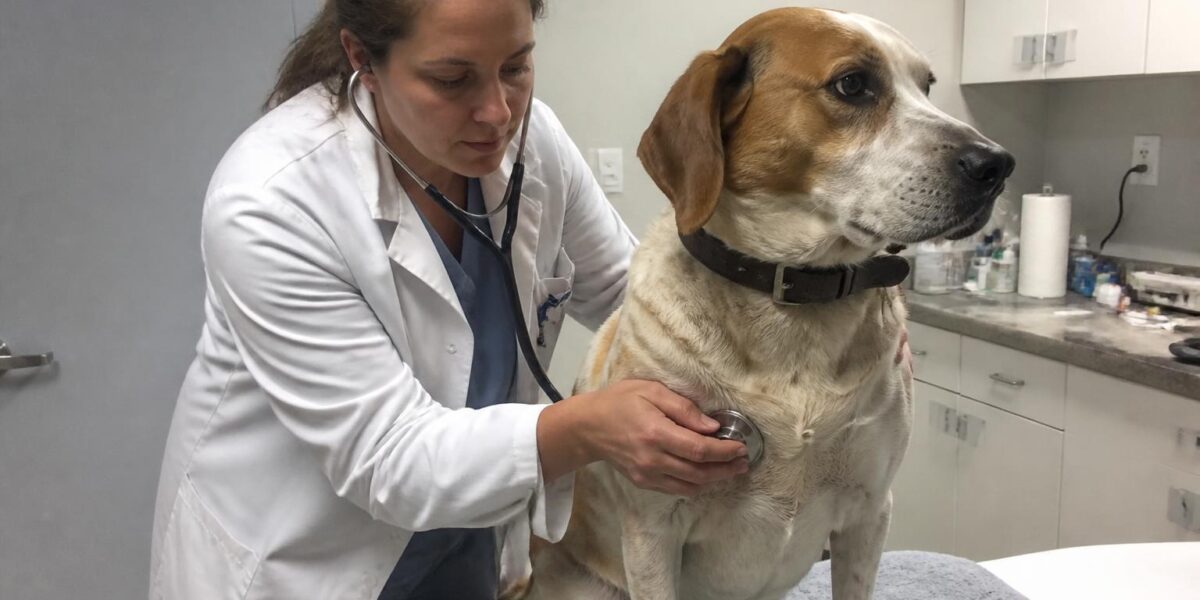
Why Snake Envenomation Treatment in Dogs Is a True Emergency
Snake bites in dogs are surprisingly common in warm climates and during summer in temperate ones, and the difference between a survivable bite and a fatal one is often measured in hours. Venom causes damage along two general pathways depending on the species: hemotoxic and cytotoxic effects from pit vipers, and neurotoxic effects from elapids. Snake envenomation treatment in dogs is built on rapid recognition, identification of the snake when possible, prompt veterinary evaluation, and a careful decision about whether to administer species-specific antivenom.
In this article
- Why Snake Envenomation Treatment in Dogs Is a True Emergency
- Pit Vipers (Crotalidae): Hemotoxic and Cytotoxic Bites
- Elapids (Coral Snakes, Cobras, Kraits): Neurotoxic Bites
- What to Do Immediately After a Suspected Bite
- What the ER Does in the First Hour
- The Antivenom Decision
- Coagulation Monitoring and Blood Products
- Local Wound Care and Tissue Necrosis
- Neurologic Monitoring for Elapid Bites
- Aftercare, Recovery, and Long-Term Effects
- Prevention: Reducing the Risk of Future Bites
- Frequently Asked Questions
Board-certified emergency and critical care specialists (ACVECC) emphasize that snake bites are unpredictable. Even bites from the same snake species vary widely in severity depending on the volume of venom injected, the location of the bite, the size of the dog, and individual sensitivity. If you witnessed or suspect a snake bite, do not wait to see how things develop. Drive to a 24-hour emergency hospital immediately, call ahead, and try to take a clear photograph of the snake from a safe distance if you can do so without further risk to yourself or others.
Pit Vipers (Crotalidae): Hemotoxic and Cytotoxic Bites
In North America, the pit viper family (Crotalidae) includes rattlesnakes (Crotalus), copperheads (Agkistrodon contortrix), and cottonmouths (Agkistrodon piscivorus). Pit viper venoms typically contain a mix of enzymes that destroy tissue at the bite site, disrupt the coagulation cascade, and damage red blood cells. Clinical signs at the bite location include rapid swelling, bruising, oozing, severe pain, and progressive tissue necrosis over hours to days. Systemic signs include weakness, hypotension, tachycardia, vomiting, and bleeding from the gums or in the urine.
The bite is often on the face or front legs because curious dogs investigate snakes nose-first. Two puncture wounds (the “fang marks”) may be visible but are not always obvious through fur and swelling. The first 30 to 60 minutes are deceptively quiet in many cases; swelling, bruising, and systemic signs can appear and then escalate dramatically over the next several hours. This is why “watch and wait at home” is not a safe approach.
Elapids (Coral Snakes, Cobras, Kraits): Neurotoxic Bites
In North America, coral snakes (Micrurus species) are the main elapid concern, mostly in the southeastern states. In Southeast Asia, including Singapore and surrounding regions, cobras (Naja species), kraits (Bungarus species), and the venomous coral snakes of the region all pose risk. Elapid venoms primarily attack the nervous system, blocking neuromuscular transmission and causing progressive weakness that ascends from the bite site.
Clinical signs include drooling, dysphagia, weakness, ataxia, and progressive paralysis that can affect the diaphragm and lead to respiratory failure. The bite site often shows minimal local damage compared to pit viper bites, which can mislead owners into thinking the bite was “not that bad.” Neurologic signs can take several hours to develop, so delayed presentation is common and dangerous. Our companion piece on snake encounters with dogs in Singapore covers regional species in more detail, and dog snake bite covers general bite triage.
What to Do Immediately After a Suspected Bite
Restrain your dog calmly and limit movement. Do not panic or run with the dog; muscle activity speeds venom distribution. Carry small dogs if you can. Keep the bitten limb at or below heart level. Do not apply ice, do not apply a tourniquet, do not cut the wound, and do not try to suck out venom. These traditional techniques cause more harm than good and have been abandoned by modern emergency medicine.
Take a clear photograph of the snake from a safe distance if possible, but never put yourself or your dog at additional risk to do so. The snake’s identity helps the ER team select antivenom and predict the clinical course, but the team can also identify the bite type based on clinical presentation. Call ahead to the 24-hour ER so they can stock antivenom if it is not on shelf; some hospitals must source antivenom from another facility, and a phone call can save hours. Our first-aid summary in dog snake bite first aid covers transport details.
What the ER Does in the First Hour
Triage prioritizes airway protection (especially for elapid bites with potential respiratory paralysis), IV access (large-bore peripheral or central line), oxygen, and aggressive isotonic crystalloid resuscitation if signs of shock are present. Pain control with appropriate opioids is begun early because envenomation is profoundly painful. Bloodwork includes a full minimum database with packed cell volume, total solids, blood glucose, kidney values, and coagulation times (PT, aPTT, and platelet count).
The team grades the severity using clinical scoring systems (Snakebite Severity Score and similar tools) that account for local tissue damage, hematologic abnormalities, neurologic signs, and overall systemic effects. ECG is run continuously because ventricular arrhythmias in pets can complicate severe envenomation. Bloodwork is repeated every 4 to 6 hours during the first 24 hours because clinical pictures evolve. Pair this article with shock recognition and staging in pets and crystalloid vs colloid fluid therapy in pets for the broader resuscitation framework.
The Antivenom Decision
Antivenom is the only specific therapy that neutralizes circulating venom, and the decision to administer it is based on severity of envenomation, time since the bite, snake species, and availability. For pit viper bites in North America, products such as CroFab (crotalid polyvalent immune fab) and Antivenin Crotalidae Polyvalent are used. For coral snake bites, Antivenin Micrurus is the historic agent. Elapid bites in Southeast Asia are managed with regional polyvalent or monovalent antivenoms when available.
Antivenom is most effective when administered within the first several hours of the bite. Earlier is better, but late administration is still considered in severe cases. Antivenom carries its own risks (acute anaphylaxis, serum sickness several days later), and the team will weigh benefits against risks before administering. Cost is a major consideration; antivenom vials can run hundreds to thousands of dollars each, and severe envenomations sometimes require multiple vials. Our overview of emergency vet cost realism may help frame the financial picture.
Coagulation Monitoring and Blood Products
Pit viper venoms commonly produce a venom-induced consumptive coagulopathy in which clotting factors are depleted and platelets are damaged. Bloodwork in these patients typically shows prolonged PT and aPTT, thrombocytopenia, and a falling fibrinogen. Clinical bleeding can range from oozing at the bite site to severe internal hemorrhage and progressing to disseminated intravascular coagulation in pets.
Antivenom is the primary treatment for coagulopathy because it neutralizes the underlying cause. Blood product support is added when patients are actively bleeding or when coagulation parameters are severely deranged despite antivenom. Fresh frozen plasma, packed red blood cells, and occasionally cryoprecipitate may be administered following the principles in our deeper piece on blood transfusion protocols in pets.
Local Wound Care and Tissue Necrosis
The bite site itself requires careful management. Pit viper bites can cause progressive tissue necrosis over days, sometimes requiring surgical debridement and rarely amputation of severely affected limbs. The initial swelling can be dramatic; the affected limb or face may double in size over the first 24 hours. Pain control is essential and is typically multimodal with opioids and adjuvants.
Antibiotics are not routinely given for snake bites because snake venom itself is largely sterile, but secondary bacterial infection of necrotic tissue is common and may require treatment based on culture results. The wound is cleaned, debrided as needed, and monitored closely. Bandaging is generally avoided in the acute phase because it can mask developing tissue compromise; open wound management with careful observation is the standard approach.
Neurologic Monitoring for Elapid Bites
Elapid envenomation requires intensive neurologic monitoring because progressive paralysis can develop over hours. Cranial nerve function is assessed serially: pupillary response, gag reflex, jaw tone, tongue movement, and ability to swallow. Respiratory function is monitored continuously with capnography and pulse oximetry, and mechanical ventilation may be required if diaphragmatic paralysis develops.
Patients who develop respiratory failure can be supported on a ventilator for several days while the paralysis resolves, but this is intensive care that requires a specialty hospital and substantial cost. Even with full support, prognosis for severe elapid envenomation is guarded. Our broader piece on pet loss support resources can help families facing difficult decisions during prolonged ICU stays; the ASPCA Pet Loss hotline at 877-474-3310 offers free support.
Aftercare, Recovery, and Long-Term Effects
Most dogs that survive the first 48 hours of severe envenomation have a fair to good long-term prognosis, though tissue damage at the bite site can leave permanent scarring. Severely affected limbs may have residual swelling, decreased function, and chronic pain that requires ongoing management. Serum sickness (a delayed immune reaction to antivenom) can develop 7 to 14 days after antivenom administration and produces fever, joint pain, and skin reactions; it usually responds to corticosteroids.
Bloodwork is typically rechecked at 48 to 72 hours, at one week, and at one month to confirm coagulation parameters and organ function have normalized. Some patients develop residual acute kidney injury that requires longer-term monitoring; see acute kidney injury in dogs. Owners are usually counseled on prevention strategies for future encounters (covered below). For more on regional snake risks and prevention, see snake encounter dogs Singapore.
Prevention: Reducing the Risk of Future Bites
Prevention is largely about environment awareness and dog behavior. Walk dogs on leash in snake habitat (tall grass, rocky areas, near water sources, wooded areas in warm weather). Keep yards clear of debris that provides snake hiding spots. Avoid letting dogs explore tall grass or holes in the ground without supervision. In endemic areas, rattlesnake-avoidance training (using e-collar conditioning under professional supervision) has shown some success.
A rattlesnake vaccine is available for dogs in the United States and may reduce the severity of crotalid envenomation, though it does not replace antivenom and does not protect against elapids or many regional pit viper species. The vaccine is most useful for dogs in high-risk environments and is given as a primary series with annual boosters. Discuss with your vet whether it makes sense for your situation. Save the contact information for a 24-hour ER and know the route before snake season starts.
Frequently Asked Questions
Should I try to kill the snake to bring it to the vet?
No. Attempting to kill or capture the snake risks additional bites to you and other people. Even severed snake heads can bite reflexively for some time after death. A clear photograph from a safe distance is sufficient. The ER team can often identify the snake type from clinical presentation alone.
Will my dog need antivenom?
Not every snake bite requires antivenom. Mild envenomations with minimal local and systemic signs may be managed with supportive care alone. Moderate to severe envenomations almost always benefit from antivenom administered early. The ER team will use clinical scoring and serial bloodwork to make the decision.
How much does antivenom cost?
Cost varies significantly by region and species. Each vial typically runs hundreds to over a thousand dollars, and multiple vials are sometimes needed for severe envenomations. Total emergency care for severe snake bites can run into the thousands. Pet insurance with accident coverage typically helps, and an emergency fund makes the financial decision easier in the moment.
Are puppies or small dogs at higher risk than large dogs?
Small dogs and puppies receive a higher dose of venom per kilogram of body weight, which makes envenomation more severe for the same bite. Curious puppies are also more likely to investigate snakes, raising the risk of bites to the face. Large dogs are not immune, but small breeds tend to have worse outcomes from equivalent envenomation.
What signs should make me bring my dog to the ER right away?
Any witnessed snake bite, any unexplained sudden swelling on a limb or face in a dog who was outdoors, any bleeding from the gums or in the urine, any weakness or progressive paralysis after time outdoors, and any collapse or severe pain. Snake bites are emergencies; same-day evaluation by a 24-hour ER is the standard regardless of how the dog seems initially.


