
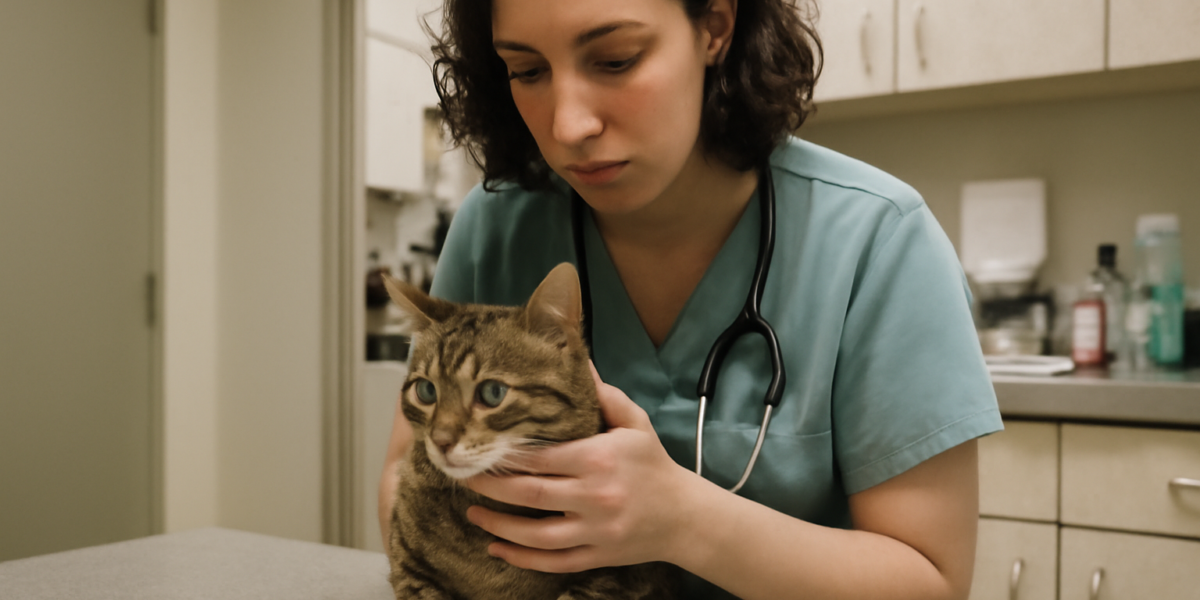
What Telmisartan Is and Why Vets Prescribe It
Telmisartan is a medication in the angiotensin receptor blocker (ARB) class. It works by blocking the action of angiotensin II, a hormone that constricts blood vessels and contributes to high blood pressure and kidney damage. By blocking this pathway, telmisartan helps relax vessels, lower blood pressure, and reduce protein loss through the kidneys.
In this article
- What Telmisartan Is and Why Vets Prescribe It
- How Telmisartan Works in the Body
- Common Reasons Cats Are Prescribed Telmisartan
- How Telmisartan Is Given
- Side Effects to Watch For
- Drug Interactions and Precautions
- Monitoring While on Telmisartan
- Telmisartan Alongside Other Kidney Care
- Realistic Expectations
- Frequently Asked Questions
Telmisartan cats are most often prescribed it for two main reasons: chronic kidney disease with protein in the urine (proteinuria), and systemic hypertension. Both conditions are very common in older cats, and untreated, both can shorten lifespan and worsen quality of life.
The medication is available in a flavored liquid formulation that many cats accept reasonably well, which makes daily dosing far easier than struggling with tablets. Your veterinarian will determine whether telmisartan is appropriate for your cat’s specific situation.
How Telmisartan Works in the Body
Inside the body, an enzyme system called the renin-angiotensin-aldosterone system (RAAS) regulates blood pressure and fluid balance. When the kidneys are stressed or damaged, this system often becomes overactive. The result is constricted blood vessels, increased pressure inside the kidney’s filtering units, and accelerated damage.
Telmisartan steps in by blocking the receptor where angiotensin II would otherwise bind. This relaxes blood vessels, lowers pressure, and protects the delicate kidney filters from further injury. It also reduces the amount of protein leaking through into the urine.
Reducing proteinuria matters because protein loss itself drives further kidney decline. Slowing that loss helps preserve kidney function over time, which is one of the main goals in managing feline kidney disease.
Common Reasons Cats Are Prescribed Telmisartan
Chronic kidney disease is the most common reason. As cats age, kidney function declines in many of them, and elevated blood pressure or protein loss often accompanies the disease. Telmisartan addresses both. Our overview of cat kidney disease explains the bigger picture of management.
Hypertension on its own — sometimes secondary to hyperthyroidism or other conditions — is another reason. Untreated high blood pressure in cats can cause sudden blindness from retinal detachment, neurologic signs, and worsening kidney damage.
Some cats are placed on telmisartan even with mildly elevated blood pressure or borderline proteinuria, because early intervention often delays disease progression. The decision is individualized, and your veterinarian weighs the specific lab values, blood pressure readings, and overall health.
How Telmisartan Fits the IRIS Staging Approach
Veterinarians often use the IRIS (International Renal Interest Society) staging system to categorize chronic kidney disease and guide treatment decisions. Within that framework, the urine protein-to-creatinine ratio (UPC) and blood pressure category are key sub-stages that influence whether a medication like telmisartan is added. Cats whose UPC is borderline or elevated, even at earlier kidney stages, often benefit from starting telmisartan because reducing protein loss helps slow progression. Cats whose blood pressure is in higher categories typically receive treatment regardless of overall kidney stage, because the risks of untreated hypertension are real and immediate.
Your veterinarian will weigh both numbers together. The framework is not rigid — clinical judgment matters — but it gives you and your vet a shared way to talk about why and when telmisartan enters the picture.
How Telmisartan Compares to ACE Inhibitors
Before telmisartan became widely available for cats, the angiotensin-converting enzyme (ACE) inhibitor benazepril was the standard medication for proteinuria and high blood pressure. ACE inhibitors and ARBs both target the renin-angiotensin system but at different points: ACE inhibitors block the enzyme that creates angiotensin II, while ARBs (like telmisartan) block the receptor where angiotensin II would bind. In cats, telmisartan tends to produce a stronger reduction in urine protein loss than benazepril, which is one reason many veterinarians have shifted toward it as a first choice. Some cats already doing well on benazepril stay on it; others are transitioned to telmisartan if proteinuria persists.
How Telmisartan Is Given
The veterinary formulation is an oral liquid given once daily. Most products come with a syringe for accurate measurement. Many cats tolerate the flavor well, though some are pickier than others. Giving it directly into the side of the mouth, followed by a small treat, makes the routine easier.
Your veterinarian will calculate the appropriate dose based on your cat’s weight, kidney values, blood pressure, and other medications. Do not adjust the dose on your own. If you accidentally miss a dose, give it as soon as you remember unless it is close to the next dose, in which case skip it — never double up.
Refrigeration may not be required, but follow the storage instructions on your specific product. Keep the cap tightly closed and watch the expiration date.
Tips for Successful Daily Dosing
Many cats accept the flavored liquid better than tablets, but small habits make the difference between consistent dosing and a frustrated cat. Pick a time when your cat is calm and slightly hungry — many owners do morning meals. Have the syringe pre-loaded before you call your cat over. Approach gently, place the tip into the corner of the mouth toward the back of the cheek, and deliver the dose slowly. Follow with a small treat or a portion of breakfast. Cats who associate the medication with a positive routine often stop fighting within a few days.
If your cat resists, try wrapping in a soft towel “burrito” only as a last resort. For long-term success, ask your veterinarian about compounded flavored versions that some cats prefer (chicken, fish, or tuna flavors are common). Avoid adding the medication to a full bowl of food — partial intake means partial dosing, which makes it impossible to know how much your cat actually received.
Side Effects to Watch For
Most cats tolerate telmisartan well. Mild side effects can include occasional vomiting, decreased appetite, or soft stools, especially in the first days of treatment. These often resolve as the body adjusts. If they persist or worsen, call your veterinarian.
Less commonly, blood pressure can drop too low, leading to weakness or lethargy. Kidney values may also shift early in treatment, which is why your veterinarian will recheck bloodwork after starting the medication. Cats with severe dehydration or very advanced kidney disease may need more cautious dosing.
Any unusual lethargy, refusal to eat, or marked behavior change deserves a call. Sudden vision changes also warrant prompt evaluation, since they can signal blood pressure problems.
Drug Interactions and Precautions
Telmisartan can interact with several medications. NSAIDs (non-steroidal anti-inflammatory drugs) given with ARBs can increase the risk of kidney injury. Diuretics, ACE inhibitors, and certain heart medications also require careful coordination. Always share a complete list of medications and supplements with your veterinarian.
Cats with severe dehydration, very low blood pressure, or specific liver problems may not be good candidates. Pregnant cats should never receive ARBs. Your vet will go over your cat’s full medical history before prescribing.
If your cat is also receiving phosphorus binders as part of kidney disease management, give the doses with proper timing as instructed.
Monitoring While on Telmisartan
Routine monitoring is part of safe long-term use. Your veterinarian will likely recheck bloodwork (kidney values, electrolytes) and urine protein within a few weeks of starting, then periodically afterward. Blood pressure checks are also important, especially if your cat is being treated for hypertension.
Many cats settle into a stable rhythm and need rechecks every three to six months. Others, especially those with progressing kidney disease, are seen more often. Your vet’s schedule reflects your cat’s individual needs.
Watch at home for changes in appetite, water intake, urine output, and energy. Subtle shifts often signal that something needs adjustment.
What an Early Recheck Looks At
The first recheck after starting telmisartan typically happens within one to two weeks. Your veterinarian will look at kidney values to make sure they are stable — a small initial bump in creatinine can occur as blood flow within the kidney readjusts, and that is generally tolerated as long as it stays modest. Potassium is checked because ARBs can occasionally raise potassium levels. Blood pressure is rechecked to confirm the medication is doing its job. If your cat is being treated for proteinuria, a follow-up urine protein-to-creatinine ratio gives a direct readout of how well the medication is reducing protein loss.
If everything looks good, the rechecks become spaced out. If kidney values shifted more than expected or if blood pressure has not responded, your vet may adjust the dose, add a second medication, or look for other complicating factors like dehydration or progression of underlying disease.
Telmisartan Alongside Other Kidney Care
Telmisartan is rarely the only piece of kidney disease management. A renal-friendly diet, plenty of fresh water, sometimes subcutaneous fluids, anti-nausea medications, and phosphorus binders all play roles. Your veterinarian builds a plan tailored to your cat’s stage of disease.
Hyperthyroidism often coexists with kidney disease in older cats and can affect both blood pressure and kidney function. Treating one may unmask issues with the other. Our guide to cat hyperthyroidism covers this important interaction.
For day-to-day routines, our managing cat kidney disease guide is a helpful companion piece.
Realistic Expectations
Telmisartan is not a cure. It does not regenerate kidney tissue, and chronic kidney disease tends to progress over time. What telmisartan can do is slow the rate of decline, reduce protein loss, control blood pressure, and help your cat feel better.
Many cats live well for months or years on telmisartan and supportive care. The combination of medication, diet, hydration, and consistent monitoring often makes a tangible difference in comfort and longevity.
If you ever feel your cat’s quality of life is changing, talk openly with your veterinarian. Adjustments to medications, diet, or supportive care can often help.
Frequently Asked Questions
Can I give telmisartan with food?
It can usually be given with or without food. Follow your veterinarian’s specific instructions, especially if your cat is also on phosphorus binders that require timing around meals.
What if my cat refuses the liquid?
Try giving it followed by a favorite treat or food, or talk to your veterinarian about compounded flavors. Never skip doses without consulting your vet.
How quickly does telmisartan work?
Blood pressure typically responds within days. Reductions in urine protein and other benefits develop over weeks. Your veterinarian will recheck values to confirm.
Does telmisartan replace a kidney diet?
No. Diet, hydration, and other supportive care are still important. Telmisartan is one piece of a broader plan.
Is telmisartan safe long term?
Most cats tolerate it well for years with appropriate monitoring. Periodic bloodwork and blood pressure checks ensure safety and effectiveness.


