Last updated: May 4, 2026
In this article
Overview of the Thai Ridgeback
The Thai Ridgeback is one of only three dog breeds in the world that sport a distinctive ridge of hair growing in the opposite direction along their spine — a trait shared with the Rhodesian Ridgeback and the Phu Quoc Ridgeback. This ancient breed developed in eastern Thailand centuries ago, where it served as a guard dog, hunter, and cart escort in relative isolation from other breeds.
A thorough Thai Ridgeback breed profile reveals an independent, athletic, and fiercely loyal dog that’s not for everyone. They retain strong primitive instincts, including a high prey drive, territorial nature, and wariness of strangers. For experienced owners who appreciate an unpolished, authentically independent dog, the Thai Ridgeback offers a relationship unlike any other.
If you’re drawn to rare, ancient breeds and have the experience to guide a strong-willed companion, the Thai Ridgeback deserves serious consideration. Start exploring your options at dogs available for adoption.
Quick Facts
- Breed Group: Hound / Primitive
- Size: 20–24 inches at the shoulder; 35–75 pounds
- Lifespan: 12–13 years
- Energy Level: Moderate to high
- Grooming Needs: Very low
- Good With: Experienced owners, single-dog homes, active households
Temperament and Personality
The Thai Ridgeback is a study in duality. With their family, they can be affectionate, playful, and even silly. With strangers, they’re suspicious, aloof, and naturally protective. This guarding instinct was historically valued in Thailand, where these dogs protected homes and properties from intruders and venomous snakes.
Independence is the defining trait of the Thai Ridgeback. These dogs think for themselves — a result of centuries spent making survival decisions without human direction in the Thai countryside. They’re not eager-to-please in the way a Labrador or Golden Retriever is. Training a Thai Ridgeback requires patience, consistency, and a deep understanding of canine psychology.
Socialization is non-negotiable and must begin early. Expose your Thai Ridgeback puppy to a wide variety of people, dogs, environments, and situations from the moment they come home. Under-socialized Thai Ridgebacks can become fearful, reactive, or aggressive — a serious concern given their size and strength.
With proper socialization and training, Thai Ridgebacks can be wonderful companions. They’re loyal to a fault, intelligent, and possess a quiet dignity that many owners find deeply appealing. They’re often described as “cat-like” in their independence, cleanliness, and selective affection.
Size and Appearance
The Thai Ridgeback is a medium-to-large dog, standing 20 to 24 inches at the shoulder and weighing 35 to 75 pounds. Males are typically larger and more muscular than females. Their build is athletic, lean, and powerful — designed for agility and speed rather than bulk.
The breed’s most distinctive feature is the dorsal ridge: a strip of hair growing in the opposite direction from the rest of the coat, running along the spine. Ridge patterns vary and can include crowns, whorls, and other formations. Not all Thai Ridgebacks are born with a ridge, but the trait is strongly preferred in the breed standard.
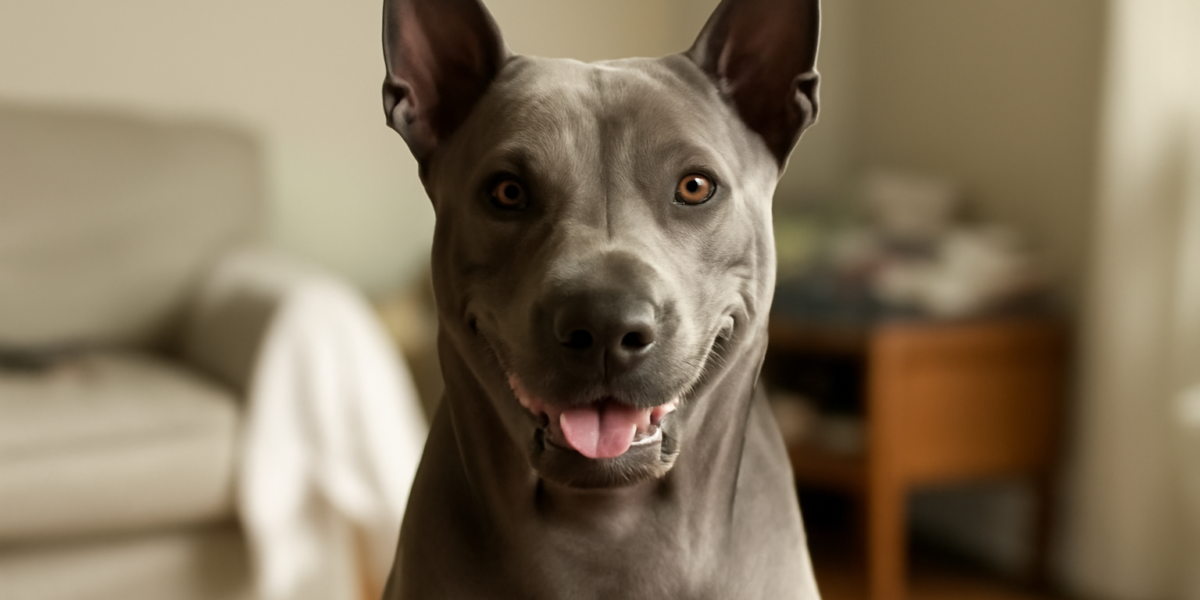
The coat is short, smooth, and comes in four solid colors: red (the most common), black, blue (a dilute gray), and fawn. The skin is tight-fitting and the coat lies close to the body, giving the Thai Ridgeback a sleek, muscular appearance.
The head is wedge-shaped with a flat skull, erect triangular ears, and dark, almond-shaped eyes that convey intelligence and alertness. When the dog is attentive, distinctive forehead wrinkles appear — particularly prominent in puppies and young dogs. The tail is thick at the base and tapers to a point, often carried upright like a saber.
Exercise and Activity Needs
Thai Ridgebacks are athletic dogs that need 45 to 60 minutes of daily exercise. They’re agile, fast, and have excellent jumping ability — some Thai Ridgebacks can clear six-foot fences from a standing start.
Suitable activities include:
- Brisk walks and jogs: They make good running companions once physically mature (after 12–18 months).
- Lure coursing: Their prey drive and speed make lure coursing a natural outlet.
- Agility: When the handler-dog bond is strong, Thai Ridgebacks can be impressive agility competitors.
- Free play in securely fenced areas: Emphasis on secure — their jumping ability and prey drive make inadequate fencing a serious escape risk.
Off-leash exercise should only occur in fully enclosed areas. The Thai Ridgeback’s prey drive is strong enough that a sighting of a squirrel, rabbit, or cat can override even the best recall training. They are not reliable off-leash dogs in open environments.
Mental stimulation is equally important. Puzzle toys, scent work, and training challenges engage their intelligence and reduce boredom-driven behaviors like digging and destructive chewing. A Thai Ridgeback with adequate physical and mental exercise is calm and content indoors.
Grooming and Care
The Thai Ridgeback is one of the lowest-maintenance breeds in terms of grooming. Their short, smooth coat requires minimal care:
- Brushing: Once weekly with a rubber curry brush or soft bristle brush to remove loose hair and distribute skin oils.
- Bathing: Every two to three months, or as needed. The coat has very little odor and repels dirt effectively.
- Nails: Trim every two to three weeks.
- Ears: Check weekly. The erect ears are well-ventilated and less prone to infections than pendant-eared breeds.
- Teeth: Brush two to three times weekly with dog-safe toothpaste.
Thai Ridgebacks are exceptionally clean dogs — many owners compare their grooming habits to cats. They tend to keep themselves tidy and avoid muddy or dirty areas. This natural cleanliness is one of the breed’s most practical daily advantages.
Shedding is minimal due to the short coat, making the Thai Ridgeback more tolerable for people who prefer a cleaner home. They are not hypoallergenic, but they deposit far less fur on furniture and clothing than most breeds.
Health and Lifespan
The Thai Ridgeback is a robust breed with a lifespan of 12 to 13 years. Their relative genetic isolation and natural development (with minimal human-directed selective breeding for aesthetics) has resulted in a breed with fewer genetic health issues than many modern purebreds.
Known health considerations include:
Dermoid Sinus: A congenital condition linked to the ridge gene where a tubular indentation forms along the dorsal midline. It can range from minor to severe, with serious cases requiring surgical correction. Responsible breeders check puppies at birth and have veterinary evaluation for any suspected cases.
Hip Dysplasia: Moderate incidence in the breed. Screening breeding stock with hip evaluations helps reduce prevalence.
Bloat (Gastric Dilatation-Volvulus): As a deep-chested breed, Thai Ridgebacks have a higher risk of bloat, a life-threatening condition where the stomach fills with gas and potentially twists. Feed multiple smaller meals, avoid exercise immediately after eating, and know the emergency signs: unproductive retching, distended abdomen, and restlessness.
Cold sensitivity is also worth noting. The Thai Ridgeback’s short, thin coat provides minimal insulation, and the breed originated in a tropical climate. In cold weather, provide a dog coat for outdoor exercise and limit exposure to frigid temperatures.
Is the Thai Ridgeback Right for You?
The Thai Ridgeback is best suited to experienced dog owners who understand primitive breeds and can provide firm, consistent, positive leadership. They thrive with owners who respect their independence rather than trying to mold them into a typical obedient pet.
Ideal Thai Ridgeback homes include:
- Experienced owners familiar with independent, guardian-type breeds
- Single-dog households (or homes with calm, confident dogs of the opposite sex)
- Properties with secure, six-foot-minimum fencing
- Active owners who can provide daily exercise and mental stimulation
- Warm climates or homes that can accommodate a cold-sensitive dog
The Thai Ridgeback is not recommended for first-time owners, homes with small children or small animals, off-leash-dependent lifestyles, or owners who expect immediate, eager obedience. Their guarding instincts require management and socialization throughout their lives — not just in puppyhood.
For those interested in other independent, athletic breeds, explore our Norrbottenspets breed profile or browse the best dogs for farms and rural property guide for breeds that share the Thai Ridgeback’s working spirit.
Frequently Asked Questions
Are Thai Ridgebacks aggressive?
Thai Ridgebacks are not inherently aggressive, but they are naturally protective and wary of strangers. Without thorough socialization and consistent training, this wariness can develop into reactivity or aggression. Well-socialized Thai Ridgebacks are calm, confident, and able to assess situations without overreacting.
Can Thai Ridgebacks live with other pets?
They can live with other dogs, particularly those of the opposite sex, if introduced carefully. Their high prey drive makes cohabitation with cats, rabbits, and other small animals risky. Individual temperament varies, but caution is warranted.
How high can a Thai Ridgeback jump?
Thai Ridgebacks are exceptional jumpers, with some capable of clearing six feet or more from a standing position. Secure fencing of at least six feet — preferably with an angled top or coyote roller — is essential for containing this breed safely.
Do Thai Ridgebacks do well in cold weather?
No. Their short coat and tropical heritage make them cold-sensitive. In cool or cold climates, provide a dog coat for outdoor exercise and limit exposure to freezing temperatures. Indoor living is essential year-round in temperate and cold regions.
How much does a Thai Ridgeback cost?
Thai Ridgebacks are rare outside Southeast Asia, and puppies from health-tested, reputable breeders typically cost between $1,500 and $3,000 or more. Import costs from Thai breeders add to the expense. Due to limited availability, waitlists are common.
Looking to adopt a Thai Ridgeback Breed Profile?
Browse Thai Ridgeback Breed Profile dogs and mixes available for adoption from shelters and rescues near you.
Find Thai Ridgeback Breed Profile Dogs for Adoption