
Last updated: April 27, 2026
In this article
- What Is a Tooth Fracture?
- Common Causes of Tooth Fractures
- Recognizing the Symptoms
- Diagnosis at the Veterinary Clinic
- Types of Fractures and Their Significance
- Treatment: Root Canal or Extraction
- Treatment of Uncomplicated Fractures
- Recovery After Treatment
- Preventing Future Fractures
- Long-Term Care
- Related Dental Conditions
- Frequently Asked Questions
What Is a Tooth Fracture?
A tooth fracture in dogs is any break or crack in a tooth, ranging from minor enamel chips to severe fractures that expose the pulp (the nerve and blood vessel core of the tooth). Fractures are common in dogs because they use their teeth aggressively, chewing on hard objects, holding toys, and engaging in rough play that puts significant force on individual teeth.
Veterinary dentists classify fractures by which layers of the tooth are involved. Enamel-only fractures are minor and usually need only smoothing. Dentin fractures expose the layer beneath the enamel and may produce mild sensitivity. Pulp-exposing fractures are the most serious; the pulp connects directly to the tooth’s nerve, and exposure leads to severe pain, infection, and eventual death of the tooth.
Tooth fractures dogs experience are often missed by owners. Dogs are stoic about dental pain and may continue to eat and play normally despite a significantly damaged tooth. Many fractures are discovered during routine veterinary examinations rather than because of obvious symptoms. This is one reason regular dental checks matter even for apparently healthy dogs.
Common Causes of Tooth Fractures
The leading cause of tooth fractures in dogs is chewing on objects too hard for canine teeth. Common offenders include real bones, antlers, hard nylon chews, large rocks, ice cubes, hooves, and hard plastic toys. The general guideline from veterinary dentists is the kneecap test: if you would not want to be hit in the kneecap with the chew, it is probably too hard for your dog’s teeth.
Trauma is another major cause. Car accidents, falls, fights with other animals, and being struck by a hard object can all break teeth. Dogs that try to chew their way out of crates may break canines or incisors. Working dogs and sport dogs are at higher risk because of their activities.
Some fractures occur during normal activity due to underlying weakness in the tooth. Previous trauma, advanced periodontal disease, or anatomical variations can leave teeth more vulnerable. Older dogs with chronic dental disease are at higher baseline risk.
Recognizing the Symptoms
Many tooth fractures dogs have produce no obvious behavioral signs. The dog continues to eat and play, and only careful examination reveals the broken tooth. When symptoms do occur, they include:
- Reluctance to chew on hard objects
- Eating on one side of the mouth
- Dropping food while eating
- Pawing at the face or mouth
- Bad breath
- Drooling, sometimes with blood
- Visible blood or pink tissue on a broken tooth
- Facial swelling, especially below the eye (suggesting tooth root abscess)
The most commonly fractured teeth in dogs are the upper fourth premolars (the large teeth toward the back of the upper jaw used for shearing) and the canines (fangs). Slab fractures of the upper fourth premolar, in which a vertical piece of the outer surface breaks off, are particularly common from chewing on hard objects.
Diagnosis at the Veterinary Clinic
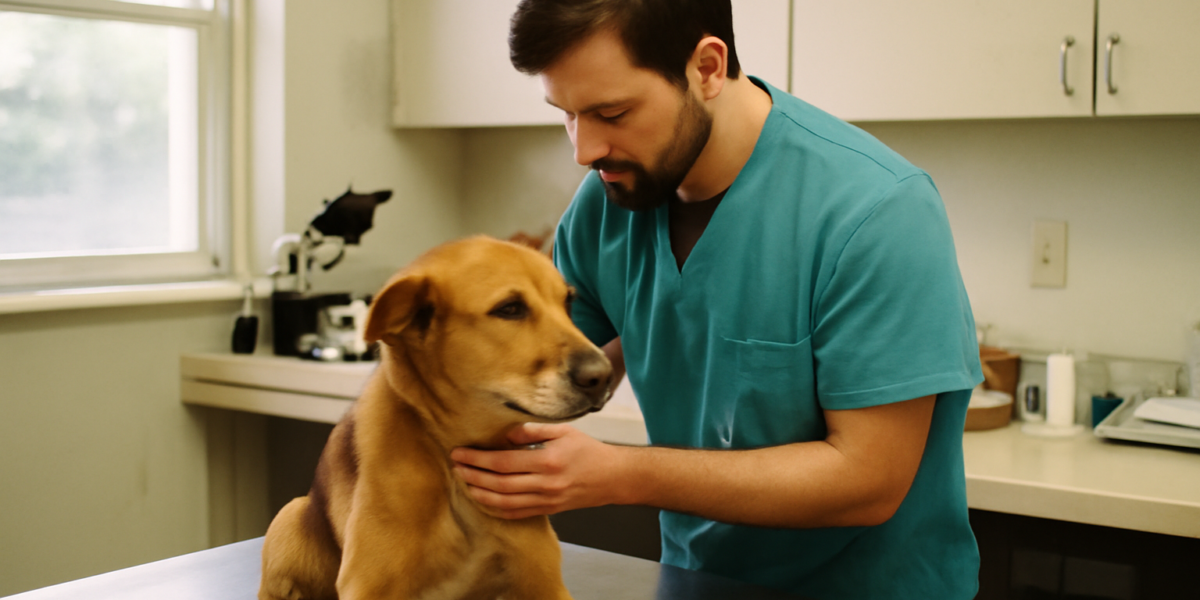
An awake oral examination identifies many fractures, particularly those involving canines and incisors. Examination of teeth toward the back of the mouth is more difficult in awake dogs and often requires sedation or anesthesia for thorough evaluation. Many fractures are missed without comprehensive evaluation under anesthesia.
Dental radiographs are essential for evaluating fractured teeth. They reveal the depth of the fracture, the condition of the tooth root, the surrounding bone, and any signs of infection. Treatment decisions cannot be made accurately without dental radiographs.
Your veterinarian will probe the fracture surface to assess pulp exposure. Even small areas of pulp exposure are significant because bacteria from the mouth track into the pulp, kill the tissue, and produce chronic infection. Pulp-exposing fractures always need treatment, not monitoring.
Types of Fractures and Their Significance
Veterinary dentistry uses specific terminology to describe different fractures, which guides treatment choices:
- Enamel infraction: A crack in the enamel without loss of tooth substance. Usually only needs monitoring.
- Enamel fracture: Loss of enamel only. Smoothing may be sufficient.
- Uncomplicated crown fracture: Loss of enamel and dentin without pulp exposure. May need restoration to prevent further problems.
- Complicated crown fracture: Pulp exposure. Requires either root canal therapy or extraction.
- Slab fracture: A vertical fracture removing a slab of the outer crown surface. Common on upper fourth premolars; pulp exposure is variable.
- Crown-root fracture: Extends from the crown into the root, complicating treatment.
- Root fracture: Below the gumline only. Usually requires extraction.
The distinction between complicated (pulp-exposing) and uncomplicated fractures is the most important for treatment planning. Pulp exposure means the tooth will become infected and painful without treatment.
Treatment: Root Canal or Extraction
For complicated fractures, the choice is generally between root canal therapy and extraction. Root canal therapy preserves the tooth structure by removing the diseased pulp, cleaning the root canal system, and sealing it with inert filling material. The crown is then restored, often with a metal crown for protection in working teeth.
Root canal therapy is performed by veterinary dentists and requires specialized equipment. The procedure preserves the tooth, which is particularly valuable for canines (functionally important) and working teeth in dogs that need them. Cost is generally higher than extraction, but the long-term outcome can be excellent.
Extraction removes the diseased tooth entirely. This is a definitive treatment that resolves infection and pain. While it eliminates the tooth, dogs adapt remarkably well to missing teeth and can eat and play normally even after multiple extractions. For complicated fractures of less critical teeth, extraction is often the practical choice.
Treatment of Uncomplicated Fractures
Fractures that do not expose the pulp may still warrant treatment. Exposed dentin allows bacteria to penetrate slowly into deeper tooth structure, eventually reaching the pulp. Sealing the dentin with bonding agents or restorations prevents this progression.
Some uncomplicated fractures are monitored without immediate treatment if the dentin layer is thick and the surface is smooth. Periodic recheck with radiographs is important to catch any progression or pulp involvement early.
Slab fractures of the upper fourth premolar deserve special attention. Even when no obvious pulp exposure is present, these teeth often develop pulp involvement over time. Many veterinary dentists recommend treatment rather than watchful waiting for slab fractures.
Recovery After Treatment
Recovery depends on the procedure performed. Extractions typically heal within ten to fourteen days, with soft food during the first week. Pain medications are prescribed for several days, and antibiotics may be used depending on the situation. Most dogs eat soft food the same day or next day after surgery.
Root canal therapy has minimal recovery; many dogs eat normally the same day. The treated tooth requires periodic recheck radiographs to confirm continued health, typically at six months and then annually. If a metal crown is placed, it provides additional protection for the treated tooth.
Avoid hard chews and rough play during initial recovery. After healing is confirmed at recheck, most dogs return to normal activity. Choose appropriate chew options going forward to reduce the risk of additional fractures.
Preventing Future Fractures
The most effective prevention is choosing appropriate chew toys. Avoid items harder than your dog’s teeth, including:
- Real bones (especially cooked, which splinter, but raw bones can also fracture teeth)
- Antlers
- Hard nylon chews
- Hooves
- Ice cubes
- Hard plastic toys
Safer alternatives include soft rubber toys, rope toys, dental chews designed to be flexible, and plush toys for non-aggressive chewers. The kneecap test is a useful guide; if you would not want to be hit in the kneecap with it, it is too hard.
For aggressive chewers, supervise chewing sessions and remove items before they become small enough to swallow or hard enough to damage teeth. Some dogs benefit from puzzle feeders that engage their mouths without risking dental damage.
Long-Term Care
Dogs that have had one fractured tooth are at higher risk for additional fractures, especially if their chewing behavior continues with inappropriate items. Regular dental examinations every six to twelve months allow early detection of new fractures or other dental disease.
Home dental care, including toothbrushing and dental treats, supports overall oral health but does not prevent fractures from impact or hard chewing. The combination of regular professional examinations, appropriate chew choices, and home care produces the best dental health.
For broader pet care information, the dog care blog includes related topics. If you are considering adopting a dog, the adopt a dog hub can help you understand what daily care commitments to expect, including dental health.
Related Dental Conditions
Tooth fractures often occur in dogs with other dental problems. Periodontal disease weakens the supporting structures around teeth and may contribute to easier fracture. Chronic skin infections from chewing on inappropriate items sometimes accompany dental damage.
If a fracture has been present for a long time before discovery, secondary infection may have developed. Tooth root abscess produces facial swelling and may require more extensive treatment. Comprehensive dental evaluation identifies these complications and guides treatment.
Frequently Asked Questions
Will my dog show pain from a fractured tooth?
Many dogs show no obvious pain even with significant fractures. Dogs are stoic about dental discomfort. Subtle signs include preferring soft food, eating on one side, or dropping food, but these can be missed. Regular dental examinations catch fractures that owners would not notice.
Does every fracture need treatment?
Most do. Pulp-exposing fractures always need treatment to prevent infection and pain. Uncomplicated fractures sometimes need protection or restoration. A few minor enamel chips may be monitored. Your veterinarian or veterinary dentist will recommend the appropriate approach.
Should I save the broken piece?
It is rarely useful to save the broken fragment, but if the fracture happened recently and the piece is intact, bring it with you to the vet. The veterinarian will determine treatment based on the remaining tooth, not on reattaching the fragment.
Are some breeds more prone to fractures?
Strong-chewing breeds and working dogs are at higher risk because of their behavior. Specific anatomical predispositions are less prominent than chewing behavior in determining fracture risk. Any dog with an aggressive chewing habit on hard items is at high risk.
Is root canal really better than extraction?
It depends on the tooth and the dog. For functionally critical teeth such as canines and working teeth, root canal preserves valuable structure. For less critical teeth, or in dogs whose owners prefer a single definitive procedure, extraction is a perfectly good choice. Both produce excellent outcomes when appropriate.
When should I call my veterinarian?
Call if you see a broken tooth, oral bleeding, facial swelling, or signs of dental discomfort such as preferring soft food. Annual dental examinations also catch fractures that owners would not detect.


