
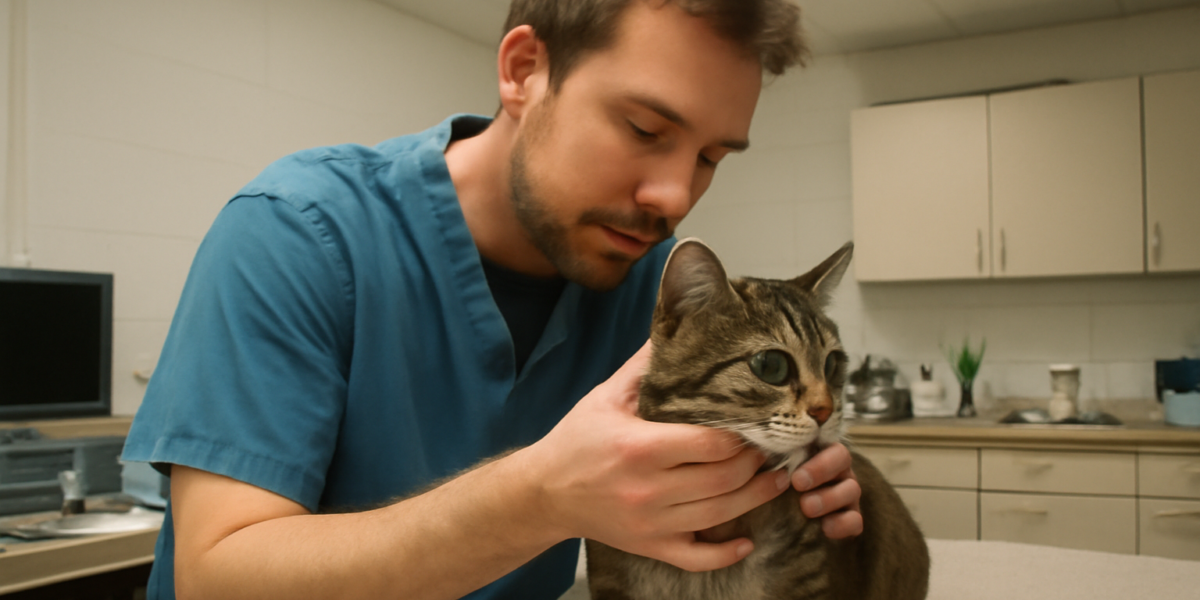
What Tramadol Is and Why It Comes Up in Cat Care
Tramadol is a synthetic prescription analgesic that has been used in human and veterinary medicine for decades. It is often described as a “weak opioid” because it has some opioid-like activity, but it also affects other neurotransmitter systems — specifically serotonin and norepinephrine — which contributes to its pain-relieving effects. For tramadol cats, the drug is sometimes prescribed for short-term pain control, particularly when other options are limited, but its use in cats is more nuanced than in dogs and deserves careful discussion with your veterinarian.
In this article
- What Tramadol Is and Why It Comes Up in Cat Care
- How Tramadol Works in Cats
- When Vets Consider Tramadol for Cats
- The Practical Challenge of Giving Tramadol to a Cat
- Side Effects to Watch For
- Cats Who Need Extra Caution
- Drug Interactions Worth Naming
- How Tramadol Compares With Other Feline Pain Options
- Long-Term Use and Tolerance Considerations
- What to Do If You Miss a Dose
- Frequently Asked Questions
- The Bottom Line on Tramadol for Cats
Cats process tramadol differently than dogs and humans. In particular, they may produce more of the active metabolite that gives tramadol its opioid-like effect, which can mean better pain relief in some cats — but also a greater chance of side effects like sedation, dysphoria, or behavioral changes. Cats are also famously bad at tolerating bitter-tasting medications, and tramadol is notoriously bitter, which makes administration a real-world challenge.
This guide walks through what tramadol does in cats, when vets choose it, how it is given, what to watch for, and which alternatives may be safer or more practical for your cat’s specific situation.
How Tramadol Works in Cats
Tramadol has a dual mechanism of action. First, it (and especially its primary active metabolite) binds to mu-opioid receptors in the central nervous system, dampening the perception of pain. Second, tramadol inhibits the reuptake of serotonin and norepinephrine, two neurotransmitters involved in modulating pain signals. Together, these effects can provide moderate pain relief.
In cats, the metabolism of tramadol favors the production of the active opioid metabolite, which means tramadol may have a relatively stronger opioid-mediated effect in cats than in dogs. This can be a positive — more pain relief — but it also means cats may be more prone to opioid-style side effects like sedation, dysphoria (a dazed or anxious mental state), pupil dilation, or decreased appetite.
The serotonin-related effects of tramadol can interact with other medications that affect serotonin, such as some antidepressants and certain other pain medications. This interaction risk — called serotonin syndrome — is uncommon but serious, and it is one reason your vet needs to know every medication and supplement your cat is on before starting tramadol.
When Vets Consider Tramadol for Cats
Veterinarians may consider tramadol for cats in situations such as:
- Short-term post-surgical pain when an NSAID alone is not sufficient or is contraindicated
- Acute musculoskeletal pain from soft tissue injury
- Chronic pain in cats with arthritis or other long-term conditions, particularly when NSAIDs are not appropriate
- Cancer pain in selected patients as part of a multimodal palliative plan
That said, the evidence base for tramadol in cats is more mixed than for some other pain medications, and many veterinarians now favor alternatives when they exist. Gabapentin for cats, for example, is widely used for chronic and neuropathic pain components and is generally well tolerated. Feline-specific NSAIDs may be safer and more effective for inflammatory pain. Newer monoclonal antibody therapies have changed the management of feline osteoarthritis. Your vet will weigh these options based on your cat’s specific issue, health profile, and how well your cat is likely to tolerate oral dosing.
The Practical Challenge of Giving Tramadol to a Cat
If you have ever tried to pill a cat, you already know that medication compliance in cats is its own discipline. Tramadol adds an extra wrinkle: it is intensely bitter. Cats who taste tramadol often foam at the mouth, drool excessively, or refuse the medication outright on subsequent attempts.
Strategies that sometimes help include:
- Compounded flavored formulations from a compounding pharmacy, which can mask the bitter taste with chicken, fish, or other appealing flavors
- Pill pockets or tiny bits of strong-smelling wet food wrapped completely around the tablet so the cat does not bite into the drug
- Giving the medication followed immediately by a treat or chase of water to clear residual taste
- Working with your vet on alternative formulations — some compounding pharmacies can prepare transdermal preparations, though absorption from these is variable in cats
If your cat consistently refuses or vomits up tramadol, talk to your vet. Forcing repeated stressful dosing on a cat can damage the human-animal bond and undermines the goal of helping the cat feel better. There are usually other options.
Side Effects to Watch For
Common, usually mild side effects of tramadol in cats include:
- Sedation or sleepiness
- Dilated pupils (mydriasis)
- Decreased appetite
- Drooling, often from the bitter taste
- Mild constipation, especially with longer use
- Mild nausea or vomiting
Less common but more concerning side effects include marked sedation, dysphoria (anxious, restless, dazed behavior), agitation, vocalization, vomiting, or signs of serotonin syndrome (tremors, fever, agitation, abnormal eye movements, seizures). Warning signs that should prompt you to stop the medication and contact your vet right away include:
- Profound sedation or difficulty rousing your cat
- Tremors, seizures, or convulsions
- Severe agitation or vocalization
- Fever or rapid heart rate
- Difficulty breathing
- Persistent vomiting
- Refusal to eat for more than a day
If you suspect your cat received an extra dose or got into the medication, treat it as an emergency. Call your veterinarian, an emergency clinic, or an animal poison control hotline. Have the bottle handy so you can report the strength and number of tablets potentially involved.
Cats Who Need Extra Caution
Tramadol is not appropriate for every cat. Tell your vet about:
- Significant liver or kidney disease, since both organs are involved in tramadol metabolism and clearance
- Seizure disorders or a history of seizures, since tramadol can lower the seizure threshold
- Concurrent use of antidepressants (SSRIs, SNRIs, tricyclics) or MAO inhibitors, due to serotonin syndrome risk
- Concurrent use of other opioids or sedatives
- Concurrent use of certain antiemetics like ondansetron or mirtazapine, which also affect serotonin signaling
- Pregnancy, lactation, or intended breeding
If your cat is on mirtazapine as an appetite stimulant or other medications affecting serotonin or sedation, that is critical information for your vet to have before tramadol is added to the plan. Even seemingly minor over-the-counter products and supplements can interact, so share the full list.
Drug Interactions Worth Naming
Beyond the categories above, some specific interaction concerns include:
- SSRIs and other serotonergic drugs: Combining with tramadol increases serotonin syndrome risk.
- MAO inhibitors: Some flea-and-tick or behavioral medications fall into this category and should not be combined with tramadol.
- Other opioids and sedatives: Combining can deepen sedation and increase respiratory depression risk.
- Drugs that lower the seizure threshold: Layering can increase seizure risk.
- Anticoagulants: Some interactions are possible; your vet will screen.
How Tramadol Compares With Other Feline Pain Options
Modern feline pain management offers a wider toolkit than it did a decade ago. Depending on your cat’s situation, alternatives or complements to tramadol may include:
- Feline-specific NSAIDs for inflammatory pain in cats with appropriate kidney and liver function
- Gabapentin for chronic pain, neuropathic pain, and as a sedating helper before stressful events
- Buprenorphine as a partial opioid agonist, often given by oral mucosal route in cats with relatively good absorption
- Monoclonal antibody therapies for feline osteoarthritis, which can substantially improve quality of life in arthritic cats
- Adjunctive therapies such as joint supplements, omega-3 fatty acids, environmental modifications, weight management, acupuncture, and physical rehabilitation
For cats with chronic conditions like cat arthritis or cat kidney disease, the pain plan often combines several of these elements rather than relying on a single drug. Your vet will tailor the approach to your cat’s specific issue, comorbidities, and how well your cat tolerates oral medications.
Long-Term Use and Tolerance Considerations
For cats receiving tramadol for chronic pain, a few additional issues come up. Some cats develop tolerance over time, meaning the same dose seems to work less well. Some develop side effects that were not apparent in the first weeks. Some simply stop accepting the medication.
If your cat has been on tramadol for a while and seems less responsive or more affected by side effects, do not increase the dose on your own. Schedule a check-in with your vet. They may adjust the dose, change the schedule, add or substitute another medication, or pivot to a different strategy entirely. Long-term pain management is iterative — the best plan is the one that gets refined as your cat’s needs evolve.
What to Do If You Miss a Dose
If you miss a dose of tramadol, give it as soon as you remember, unless it is close to the next scheduled dose. In that case, skip the missed dose and resume the regular schedule. Never give two doses at once or extra doses to “catch up.” Call your vet’s office if you are unsure how to handle a missed or delayed dose.
Frequently Asked Questions
Can I give tramadol to my cat without a prescription?
No. Tramadol is a prescription medication and, in many jurisdictions including the United States, a controlled substance (Schedule IV). It must be prescribed and supervised by a licensed veterinarian. Self-prescribing or using leftover human tramadol is unsafe — human tablets are dosed for human bodies, may contain ingredients unsafe for cats, and can cause serious harm. If your cat seems to be in pain, contact your vet rather than reaching for any medication on your own.
What if I miss a dose?
Give the missed dose as soon as you remember, unless it is nearly time for the next dose. In that case, skip the missed dose and continue with the normal schedule. Never double-dose. Call your vet’s office for guidance specific to your cat’s plan.
Why does my cat foam at the mouth after taking tramadol?
Tramadol is intensely bitter, and cats often foam, drool, or appear distressed by the taste rather than by the drug’s pharmacologic effects. If this is happening at every dose, talk to your vet about a flavored compounded version, a different formulation, or an alternative pain medication. Repeated unpleasant dosing experiences damage the trust between you and your cat.
What side effects should make me call the vet?
Stop the medication and contact your vet right away if your cat has profound sedation, tremors or seizures, severe agitation or vocalization, fever, difficulty breathing, persistent vomiting, or refusal to eat for more than a day. These can indicate serious adverse effects including serotonin syndrome.
Are there better pain options for cats?
Often, yes. Depending on the situation, gabapentin, feline-specific NSAIDs, buprenorphine, monoclonal antibody therapies, and adjunctive non-drug strategies may provide better pain relief, fewer side effects, or easier administration. Talk to your vet about whether tramadol is the best fit for your cat’s specific pain.
Can my cat become dependent on tramadol?
Animals on opioids for extended periods can experience physical adaptation, which is why opioids are typically tapered rather than stopped abruptly after long-term use. This is not the same as addiction in the human behavioral sense, but it does mean any change to long-term tramadol therapy should be coordinated with your vet.
The Bottom Line on Tramadol for Cats
Tramadol can be a useful pain medication for cats in selected situations, but it is not always the best first choice and is rarely the only tool a thoughtful pain plan should use. Bitterness, side effect profile, drug interactions, and the availability of better-tolerated alternatives all factor into whether tramadol makes sense for your cat. Always work closely with your veterinarian to choose, monitor, and adjust pain therapy.
If your cat is on tramadol now, follow the dosing instructions exactly, watch for the warning signs covered above, and stay in regular contact with your vet. If your cat is in pain and you are wondering what to do, the best next step is a phone call or visit to your vet — they can assess the source of pain and build a plan tailored to your individual cat.


