
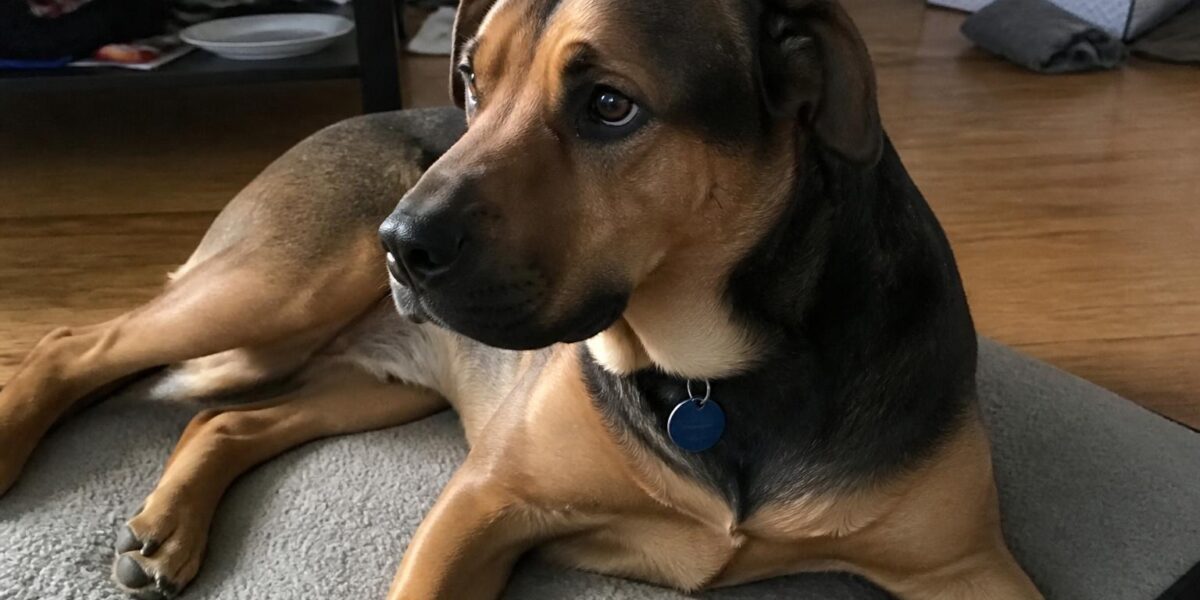
Trapped neutrophil syndrome (TNS) is a fatal inherited immunodeficiency of Border Collie puppies caused by a mutation in the VPS13B gene. Neutrophils are produced normally in the bone marrow but cannot exit into the bloodstream, leaving the peripheral neutrophil count severely depressed and the puppy effectively defenseless against ordinary infections. Most affected puppies die before 8 months of age despite aggressive supportive care.
In this article
TNS is autosomal recessive, so two clinically healthy carrier parents can produce affected puppies. A widely available DNA test now identifies carriers and affected animals from a cheek swab, and responsible Border Collie breeders test every breeding dog. This guide explains the VPS13B defect, how to recognize the syndrome in a poor-doing puppy, the typical bone marrow findings, and why DNA testing is the most important step toward eliminating the disease from breeding lines.
The VPS13B Defect
The VPS13B gene encodes a large vacuolar protein sorting protein essential for intracellular vesicle trafficking. Mutations in human VPS13B cause Cohen syndrome, which shares several features with TNS in dogs: granulocyte dysfunction, intellectual disability analog, and craniofacial changes. In Border Collies, the VPS13B mutation disrupts the final stages of neutrophil maturation and release from the bone marrow.
The result is paradoxical: the marrow is hyperplastic and packed with neutrophil precursors and mature neutrophils, but those cells are physically and functionally unable to release into the peripheral blood. Affected puppies look hematologically like they should be fine — they have normal red cell counts, normal platelet counts, normal absolute white cell counts — until the differential reveals profound neutropenia.
Clinical Signs of TNS
TNS puppies typically come to attention in the first few weeks to months of life. Common findings include:
- Failure to thrive — smaller than littermates, slow weight gain, often the runt
- Lethargy, decreased appetite, poor coat quality
- Recurrent fever and infections: cutaneous abscesses, pneumonia, gingivitis, gastroenteritis
- Diarrhea, sometimes severe, often bloody
- Joint laxity and mild lameness
- A characteristic narrow, elongated head shape sometimes described as “badger face” — long muzzle, narrow skull, deep-set eyes
- Delayed eruption of permanent teeth in puppies that survive long enough
The picture overlaps with parvovirus, septicemia, juvenile cellulitis, and other puppy infections, so a CBC with manual differential is the essential first step in any sick Border Collie puppy. Diarrhea differentials in young Border Collies should include the standard juvenile causes covered in our parvovirus in dogs guide and broader puppy fever workup principles.
Diagnosis: Severe Neutropenia and DNA Confirmation
Diagnosis of trapped neutrophil syndrome rests on three findings:
- CBC with manual differential: severe, persistent neutropenia (often less than 500 cells/microliter, sometimes near zero) in the face of normal red cell and platelet counts and a clinically infected or sick puppy
- Bone marrow aspirate: myeloid hyperplasia (more precursors and mature neutrophils than normal) — the opposite of what the peripheral CBC suggests. This finding is essentially pathognomonic when paired with the CBC.
- VPS13B DNA test: definitive. Identifies affected, carrier, and clear status from a cheek swab or blood sample.
The combination of severe peripheral neutropenia + marrow hyperplasia is the diagnostic fingerprint that distinguishes TNS from cyclic neutropenia (where marrow is hypoplastic during nadir) and from immune-mediated neutropenia. DNA testing makes the distinction definitive and is available through commercial labs and breed-club registries.
Treatment and Why It Almost Always Fails
There is no cure for trapped neutrophil syndrome. The neutrophils are made — they just cannot leave the marrow — so colony-stimulating factors like G-CSF do not help meaningfully. Supportive care can extend life slightly but rarely beyond 8 months of age. Common interventions include:
- Broad-spectrum antibiotics for every febrile episode, often combination IV antibiotics during sepsis
- IV fluids and nutritional support during flare-ups
- Antifungals for opportunistic skin and oral fungal infections
- Aggressive home hygiene to reduce environmental pathogen exposure
Bone marrow transplant from a clear sibling has been reported in research settings but is not widely available or practical for most owners. Most veterinarians and breeders recommend humane euthanasia when quality of life cannot be maintained, typically by 6 to 8 months of age. The conversation about end-of-life timing is genuinely difficult; review the framework outlined in our end-stage decision framework for one approach.
Prognosis
The median age at death in TNS-affected Border Collies is 4 to 8 months. A small minority survive longer with intensive support, but the underlying defect is unchanged, and every infection becomes potentially fatal. The disease causes substantial suffering even in well-managed cases, which is why prevention through DNA testing of breeding stock is the only realistic way to eliminate it.
Differential Diagnosis
A young Border Collie with poor growth, recurrent infection, and abnormal CBC has several possible diagnoses besides TNS. Important differentials include:
- Parvovirus enteritis: profound neutropenia but acute and self-limited if the puppy survives; SNAP parvo test usually positive
- Bacterial sepsis from omphalitis or aspiration: single severe event rather than recurring pattern
- Congenital portosystemic shunt: poor growth, neurologic signs after meals, microcytosis on CBC, elevated bile acids
- Cyclic neutropenia: in Collies, not Border Collies; cycles every 11 to 14 days; characteristic gray coat color; AP3B1 mutation
- Juvenile hyperparathyroidism or other endocrine disorders: rare but worth considering in failure-to-thrive workup
- Immunodeficiency syndromes in other breeds: CHS-like disorders in cats and other dogs share some features
The combination of breed (Border Collie), severe persistent peripheral neutropenia, hyperplastic bone marrow on aspirate, and characteristic narrow head shape essentially confirms TNS even before the DNA test result returns.
Counseling Owners and Breeders
Conversations about TNS are difficult on both sides of the exam room. The diagnosis often comes after weeks of frustrating recurrent illness, multiple vet visits, and rising bills. Veterinarians delivering the diagnosis should be ready to:
- Explain the genetic basis clearly so owners understand it is not anyone’s fault
- Discuss prognosis honestly, including the strong likelihood of death or humane euthanasia before 8 months of age
- Offer realistic supportive care plans rather than only “everything possible” or “nothing”
- Coordinate with the breeder if known so other puppies in the litter can be tested
- Provide written information about the disease for the owner to read at home, away from the emotional pressure of the appointment
For breeders, the conversation focuses on testing the breeding pair, retroactive testing of any kept puppies, and adjusting future breeding plans. Most ethical breeders welcome the information; the rare breeder who reacts defensively should be reported to the breed health committee.
Breeding Implications: DNA Testing Is Mandatory
TNS is autosomal recessive, and the genetic rules apply:
- Carrier × carrier: 25 percent affected, 50 percent carrier, 25 percent clear (avoid)
- Carrier × clear: zero affected, 50 percent carrier (acceptable with planning)
- Clear × clear: zero affected, zero carrier (ideal)
- Affected × any: never recommended; most affected dogs do not reach breeding age
The Border Collie carrier rate has historically been around 3 to 10 percent in many populations, meaning a significant fraction of randomly bred litters carry risk. The DNA test is inexpensive, cheek-swab simple, and offered by the Border Collie Health Registry, the Australian Working Border Collie Health Initiative, and most commercial canine genetics labs. Every Border Collie used for breeding should have its TNS status published, and prospective puppy buyers should ask to see both parents’ results.
For adopters considering a Border Collie from an unknown background, a DNA test on the puppy is the safest path. If you are weighing adoption of a working-line rescue, see the broader considerations in our guide to adopting a rescue Border Collie.
Frequently Asked Questions
What is trapped neutrophil syndrome?
Trapped neutrophil syndrome (TNS) is an autosomal recessive immunodeficiency of Border Collies caused by a VPS13B gene mutation. Neutrophils are produced in the bone marrow but cannot exit into the bloodstream, leaving the puppy severely immunocompromised. Most affected puppies die before 8 months of age.
How is TNS diagnosed?
By severe persistent peripheral neutropenia on CBC paired with myeloid hyperplasia on bone marrow aspirate, confirmed with VPS13B DNA testing. The combination of peripheral neutropenia plus marrow hyperplasia is essentially pathognomonic.
Can TNS be treated?
No curative treatment is widely available. Supportive antibiotics, IV fluids, and nutritional support can extend life slightly but rarely beyond 8 months. Bone marrow transplant has been reported in research settings but is not practical for most patients.
Should I get my Border Collie tested?
Yes, especially before breeding. The VPS13B DNA test is inexpensive and identifies carriers and affected animals from a cheek swab. Every breeding Border Collie should have a documented TNS status, and adopters of unknown-background rescues should consider testing as well.
How is TNS different from cyclic neutropenia?
TNS is a permanent severe neutropenia caused by a VPS13B defect in Border Collies, with hyperplastic bone marrow. Cyclic neutropenia is a periodic 11 to 14 day neutrophil cycle caused by an AP3B1 defect in Collies, with hypoplastic marrow during nadir. Both are autosomal recessive but in different breeds.


