
Last updated: April 10, 2026
In this article
Can Dogs Eat Bone Marrow? Rich but Risky in Excess
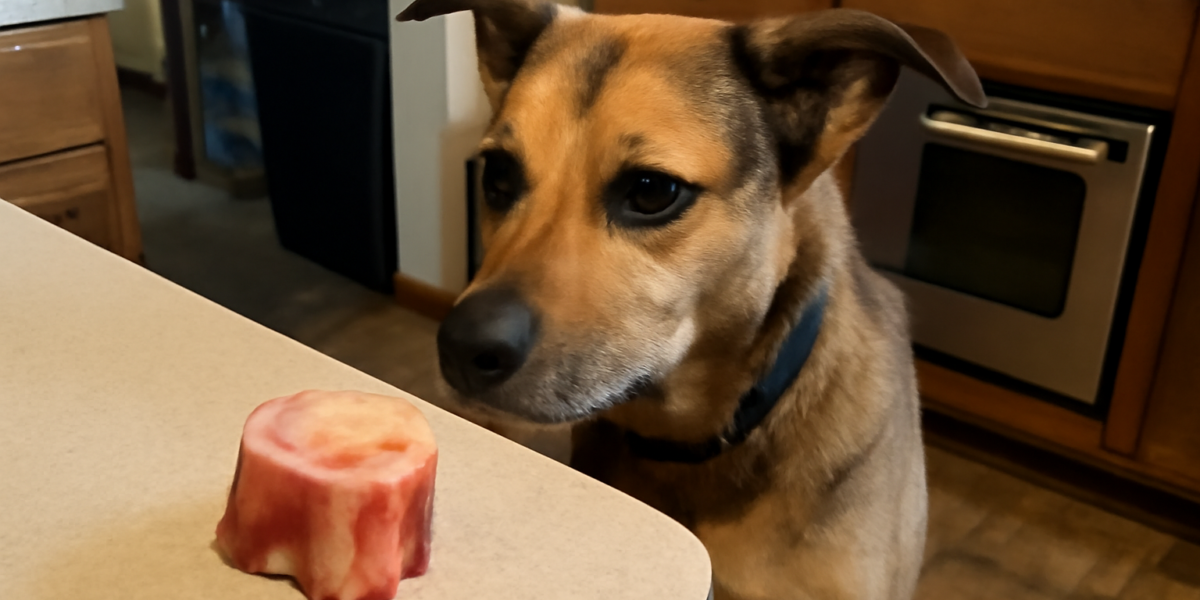
Yes, dogs can eat bone marrow, and most dogs find it absolutely irresistible. Bone marrow is packed with nutrients including healthy fats, iron, and fat-soluble vitamins that can benefit your dog when offered in controlled amounts. However, its extremely high fat content makes portion control essential to avoid digestive upset and more serious conditions like pancreatitis.
Bone marrow is safe for most healthy dogs when served in moderation as an occasional treat. The marrow itself is soft, easy to digest, and highly palatable. The bigger concern is often the bone containing the marrow, which presents its own set of safety considerations depending on the type, size, and whether it is raw or cooked.
If your dog has a history of pancreatitis, obesity, or any condition requiring a low-fat diet, bone marrow should be avoided or offered only with veterinary approval.
Nutritional Profile of Bone Marrow
Bone marrow is essentially the fatty tissue found inside the hollow center of large bones. It is one of the most calorie-dense natural foods available, which is both its appeal and its primary risk factor for dogs.
A single tablespoon of bone marrow contains roughly 110 to 130 calories and 12 to 14 grams of fat. Most of this fat is monounsaturated, the same type found in olive oil, along with smaller amounts of saturated fat and omega fatty acids.
Key nutrients in bone marrow include:
- Iron: Both heme and non-heme iron support red blood cell production. Particularly valuable for dogs recovering from blood loss or anemia.
- Vitamin A: Fat-soluble vitamin that supports vision, immune function, and skin health.
- Vitamin K2: Plays a role in calcium metabolism and bone health. Less commonly found in regular dog food ingredients.
- Collagen: Supports joint, skin, and connective tissue health. The gelatin that forms when marrow bones are simmered is rich in collagen.
- Conjugated linoleic acid (CLA): A fatty acid with potential anti-inflammatory properties, found primarily in grass-fed animal marrow.
While these nutrients are genuinely beneficial, the delivery mechanism, pure fat, means that even small amounts of bone marrow carry a significant caloric load. Treats from marrow bones should be factored into your dog’s daily caloric budget.
Safe Portions by Dog Size
Because bone marrow is essentially concentrated fat, portions need to be much smaller than most owners expect. The following guidelines represent the marrow content itself, separate from the bone.
- Small dogs (under 20 pounds): One to two teaspoons of marrow per serving, offered no more than once or twice per week. Use a small marrow bone section, about two inches long, and limit chewing time to 15 minutes before removing the bone.
- Medium dogs (20 to 50 pounds): One to two tablespoons of marrow per serving. A three- to four-inch marrow bone section works well. Limit sessions to 20 minutes, two to three times per week maximum.
- Large dogs (50 to 90 pounds): Two to three tablespoons of marrow per serving. A four- to six-inch bone section is appropriate. Allow 20 to 30 minutes of chewing, two to three times per week.
- Giant breeds (over 90 pounds): Three to four tablespoons of marrow. Larger bone sections are fine, but monitor total marrow consumption rather than bone size. Twice per week is sufficient.
A practical approach is to scoop out some of the marrow before giving the bone to your dog. This lets you control exactly how much rich marrow your dog consumes while still providing the enjoyment and dental benefits of chewing the bone itself.
Raw vs. Cooked Marrow Bones
The raw versus cooked debate is important for both the marrow and the bone surrounding it.
Raw Marrow Bones
Raw marrow bones retain their natural collagen structure, making them less likely to splinter than cooked bones. Most raw feeding advocates and many veterinarians consider raw marrow bones from large animals like beef or bison to be the safest option for recreational chewing. The marrow in raw bones is softer and easier to extract.
Always source raw bones from reputable butchers or pet food suppliers. Keep raw bones refrigerated and discard after two to three days, or after one to two hours of chewing time per session, whichever comes first.
Cooked Marrow Bones
Cooking changes the bone’s structural integrity. The heat denatures collagen and removes moisture, creating a harder, more brittle bone that is significantly more likely to splinter or fracture into sharp pieces. Cooked bone fragments can cause dental fractures, oral lacerations, esophageal tears, and intestinal perforations.
If you want to cook the marrow for serving as a food topper, roast the bones at 400 degrees Fahrenheit for 20 minutes, scoop out the softened marrow, and discard the bones. Never give cooked weight-bearing bones to your dog for chewing.
Smoked Marrow Bones
Commercially sold smoked marrow bones are among the most dangerous options. The smoking process dries bones thoroughly, making them extremely hard and brittle. These are a common cause of slab fractures, where a large piece of tooth breaks off. Despite their widespread availability in pet stores, many veterinary dentists advise against them.
Trouble Signs to Watch For
The high fat content of bone marrow makes pancreatitis the primary health concern. Know these warning signs so you can respond quickly if your dog has a reaction.
Digestive upset symptoms:
- Vomiting within 2 to 12 hours of eating marrow
- Diarrhea or loose, greasy-looking stools
- Loss of appetite for the next meal
- Excessive gas
Pancreatitis warning signs requiring veterinary attention:
- Repeated vomiting that does not resolve after the stomach empties
- Severe abdominal pain, shown by a hunched posture, reluctance to lie down, or crying when the belly is touched
- Fever and lethargy
- Complete refusal to eat for more than 24 hours
- Dehydration signs including dry gums and skin that does not snap back when pinched
Bone-related emergencies:
- Choking or gagging during chewing
- Bleeding from the mouth or gums
- A visible broken tooth
- Straining to defecate or bloody stools, which could indicate a bone fragment in the digestive tract
- Abdominal bloating and distress, which could signal an intestinal obstruction
Any bone-related emergency warrants immediate veterinary attention. Intestinal perforations and obstructions can be life-threatening if not treated promptly.
Making Bone Broth From Marrow Bones
If you want to give your dog the benefits of marrow with less fat and fewer bone-related risks, bone broth is an excellent alternative. Simmering marrow bones extracts collagen, minerals, and amino acids into a liquid form that is easy to digest and serve.
To make dog-safe bone broth, place two to three pounds of raw marrow bones in a large pot or slow cooker. Cover with water and add two tablespoons of apple cider vinegar to help extract minerals. Simmer on low heat for 12 to 24 hours. Do not add onion, garlic, salt, or any seasonings.
Strain the broth and refrigerate. A layer of fat will solidify on top. Skim off most of this fat before serving, which significantly reduces the caloric density while retaining the beneficial gelatin, minerals, and amino acids. Serve a few tablespoons over your dog’s regular food or freeze into ice cubes for a refreshing treat.
For more on nutrient-rich foods for dogs, explore whether dogs can eat elk liver or read about raw rabbit bone safety.
Frequently Asked Questions
Can puppies eat bone marrow?
Puppies over six months old can have small amounts of bone marrow under supervision. Their digestive systems are more sensitive to high-fat foods, so limit portions to about half of the adult recommendation for their expected adult size. Do not give puppies marrow bones for unsupervised chewing, as their teeth are still developing and more prone to fracture.
How often can I give my dog a marrow bone?
Once or twice per week is a reasonable frequency for most healthy dogs. If your dog tends toward easy weight gain or has a sensitive stomach, once per week or less is preferable. Always factor the marrow calories into your dog’s daily intake and reduce regular food accordingly on marrow bone days.
Can dogs with pancreatitis history eat bone marrow?
Dogs with a history of pancreatitis should avoid bone marrow due to its extremely high fat content. Even a small amount could trigger a flare-up. If you want to provide the chewing enrichment of a bone without the marrow fat, scoop out all the marrow before giving the raw bone to your dog. Consult your veterinarian before introducing any high-fat treat. Visit our dog adoption hub for more nutrition guidance.
Is bone marrow better than commercial dog treats?
Bone marrow is a whole food with a simple ingredient list, which appeals to many pet owners. However, it is not nutritionally balanced and is much higher in fat than most commercial treats. Quality commercial treats are formulated to provide flavor and nutrition within safe fat and calorie ranges. Bone marrow is best used as an occasional special treat rather than an everyday reward.
What type of bone is best for marrow bones?
Beef femur bones cut into two- to four-inch sections are the most commonly recommended marrow bones for dogs. They are large enough to prevent swallowing, hard enough to withstand chewing without splintering when raw, and contain generous amounts of marrow. Avoid pork and poultry bones, which are softer and more likely to splinter. Browse our adoption page to find your next canine companion.


