
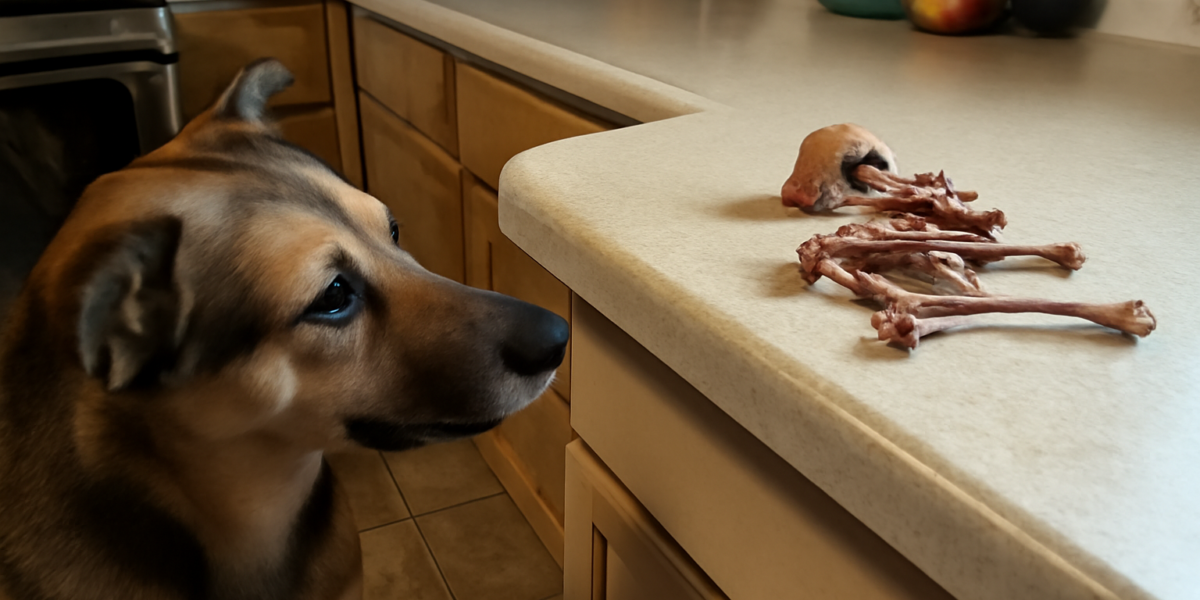
Can Dogs Eat Rabbit Bones? Understanding the Risks and Benefits
Dogs can eat raw rabbit bones in moderation, but cooked rabbit bones are dangerous and should never be fed. Raw rabbit bones are small, soft, and pliable enough for most dogs to crush and digest safely. Cooking changes the bone structure, making it brittle and prone to splintering into sharp fragments that can puncture the digestive tract.
In this article
Raw rabbit bones are a staple in many raw feeding programs because of their ideal size and calcium-to-phosphorus ratio. However, not every dog is a good candidate for bone feeding, and proper supervision is essential regardless of your dog’s experience level. If you are considering adding raw rabbit bones to your dog’s diet, understanding the guidelines below will help you do so safely.
Always consult your veterinarian before introducing raw bones, especially if your dog has dental issues, a history of gastrointestinal problems, or is a particularly aggressive chewer.
Raw vs. Cooked Rabbit Bones: Why It Matters
The difference between raw and cooked bones is not a matter of preference. It is a matter of safety. Understanding the structural changes that occur during cooking explains why this distinction is so critical.
Raw rabbit bones retain their natural collagen and moisture content, which keeps them flexible and relatively soft. When a dog crushes a raw bone between its teeth, the bone compresses and breaks into rounded, digestible pieces. The collagen matrix holds the bone together even under pressure.
Cooking removes moisture and denatures the collagen. The result is a dry, brittle structure that shatters into jagged shards when chewed. These sharp fragments can cause lacerations in the mouth, throat, esophagus, stomach, and intestines. Cooked bone fragments are also harder to digest and more likely to cause intestinal blockages.
This rule applies to all cooking methods including boiling, baking, grilling, smoking, and dehydrating at high temperatures. If the bone has been heated, do not feed it to your dog.
Safe Portions by Dog Size
Rabbit bones come in various sizes, from tiny rib bones to larger leg bones. Matching the bone size to your dog prevents choking hazards and ensures a safe chewing experience.
- Small dogs (under 20 pounds): Rabbit ribs and small vertebrae are appropriate. These thin, flexible bones are easy for small jaws to handle. Offer one to two ribs or a small section of spine per session, no more than two to three times per week.
- Medium dogs (20 to 50 pounds): Rabbit legs, ribs, and spine sections all work well. A hind leg or two to three ribs per session is a good starting point. Feed two to three times per week.
- Large dogs (50 to 90 pounds): Whole rabbit carcass sections including legs and spine are appropriate. Large dogs may crunch through rabbit bones very quickly, so supervision is important to prevent gulping. Two to three sessions per week with portions equivalent to 10 percent of their daily food intake.
- Giant breeds (over 90 pounds): Rabbit bones may be too small for giant breeds, posing a swallowing hazard. These dogs tend to gulp rather than chew small bones. Consider larger raw meaty bones from other species, or offer rabbit bones only when frozen to slow consumption.
Raw bones should make up no more than 10 to 15 percent of your dog’s total diet. Excessive bone consumption leads to hard, chalky, white stools and constipation. If you notice your dog’s stools becoming dry and crumbly, reduce the bone portion.
Benefits of Raw Rabbit Bones for Dogs
When fed appropriately, raw rabbit bones offer several advantages beyond basic nutrition.
Dental health: Chewing raw bones acts as a natural toothbrush. The gnawing action scrapes plaque and tartar from tooth surfaces, particularly the premolars and molars that are hardest to reach with a regular toothbrush. Studies suggest that dogs who regularly chew raw bones have less dental calculus than those who do not.
Calcium and phosphorus: Raw bones provide these minerals in a naturally balanced ratio of approximately 1.2 to 1, which is close to ideal for dogs. This bioavailable calcium is easier for the body to regulate than calcium supplements.
Mental enrichment: Chewing is a natural stress-relieving behavior for dogs. Working through a raw meaty bone provides mental stimulation comparable to a puzzle toy, keeping your dog occupied and satisfied for extended periods.
Lean protein source: Rabbit meat is one of the leanest proteins available, making it suitable for dogs on calorie-controlled diets. The meat remaining on raw bones adds high-quality protein without excessive fat.
For more on feeding your dog nutrient-dense foods, learn whether dogs can eat elk liver or explore bone marrow safety for dogs.
Trouble Signs After Eating Rabbit Bones
Even with proper precautions, problems can occasionally arise. Knowing what to watch for allows you to respond quickly if something goes wrong.
Seek immediate veterinary attention if you notice:
- Choking, gagging, or pawing at the mouth during or after eating
- Bloody stool or vomiting blood
- Abdominal bloating or visible pain when the belly is touched
- Inability to defecate or straining with no result for more than 24 hours
- Lethargy, refusal to eat, or whimpering
- Excessive drooling that was not present before bone consumption
Less urgent but still worth monitoring:
- White, chalky, or crumbly stools indicate too much bone in the diet. Reduce bone portions and increase meat content.
- Mild diarrhea after the first introduction of raw bones is common as the digestive system adjusts. If it persists beyond two days, discontinue and consult your vet.
- Broken or cracked teeth, particularly in dogs who are extremely aggressive chewers. Check your dog’s teeth after bone sessions.
If your dog swallows a large piece of bone without chewing it adequately, monitor closely for the next 24 to 48 hours. Most pieces will pass without incident, but watch for any signs of obstruction including repeated vomiting, loss of appetite, or abdominal pain.
Tips for Safe Bone Feeding
Following a few practical guidelines significantly reduces the risk of bone-related incidents.
Always supervise. Never leave your dog unattended with a bone. This is the single most important safety practice. If your dog tends to gulp food or becomes possessive, bone feeding requires extra vigilance.
Feed bones that are size-appropriate. A bone should be large enough that your dog cannot fit the whole thing in its mouth at once. For small dogs, rabbit ribs work well. For medium dogs, rabbit legs are a better match.
Introduce gradually. Dogs new to raw bones need time for their digestive system to adapt. Start with one small bone and wait two to three days before offering another. Watch stool consistency and adjust portions accordingly.
Feed bones after a meal. A dog that has already eaten is less likely to gulp bones out of hunger. The combination of satiation and slower eating pace reduces choking risk.
Remove bone fragments. Once your dog has chewed the meaty portions off and is left with bare bone shards, take them away. Small, stripped bone pieces are the most common cause of dental fractures and choking.
Frequently Asked Questions
Can puppies eat raw rabbit bones?
Puppies over four months old with their adult teeth beginning to emerge can have small raw rabbit bones under close supervision. Rabbit ribs are a good starting point. Avoid giving bones to puppies still on their baby teeth, as these teeth are more fragile and prone to fracture. Always supervise puppy bone sessions and remove the bone if the puppy begins swallowing large pieces.
How should I store raw rabbit bones?
Keep raw rabbit bones frozen until ready to use. Thaw in the refrigerator, not at room temperature, to prevent bacterial growth. Once thawed, offer the bone within 24 hours. Do not refreeze thawed bones. Discard any bone that has been out at room temperature for more than an hour.
Can dogs eat whole raw rabbit?
Experienced raw feeders do offer whole raw rabbit as part of a balanced prey model diet. The entire carcass, including bones, organs, and meat, provides a nutritionally complete meal. However, this approach requires careful balancing over time and is best undertaken with guidance from a veterinary nutritionist. Visit our dog adoption hub for more feeding and care resources.
Are rabbit bones safe for dogs with pancreatitis?
Dogs with pancreatitis need low-fat diets. Rabbit is one of the leanest meats available, making it a potentially suitable option. However, any dietary changes for a dog with pancreatitis should be approved by your veterinarian first. The bone marrow content, while small in rabbit bones, does add some fat.
Where can I buy raw rabbit bones for my dog?
Raw rabbit is available from specialty pet food suppliers, some butcher shops, and online raw feeding retailers. Whole raw rabbit is sometimes available at ethnic grocery stores and farmers markets. Look for sources that raise rabbits without antibiotics for the healthiest option. Browse our available pets while you explore the best nutrition choices for your current or future dog.


