
Last updated: April 10, 2026
In this article
Can Dogs Eat Elk Liver? The Verdict
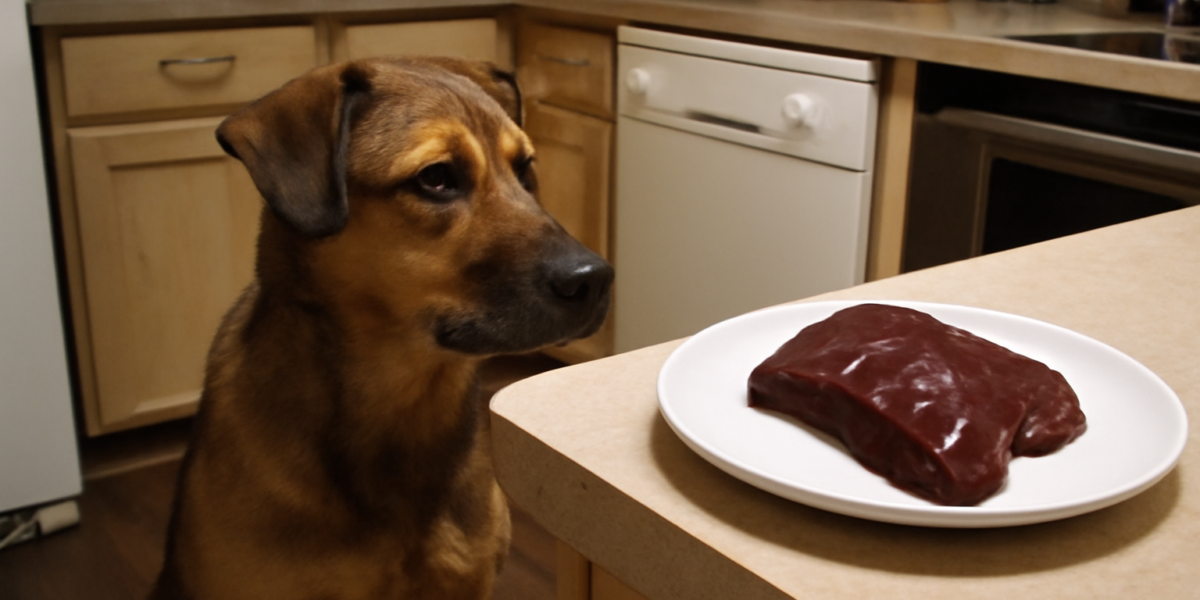
Yes, dogs can eat elk liver, and it is one of the most nutrient-dense organ meats available. Elk liver delivers an impressive concentration of vitamins, minerals, and bioavailable protein that dogs can utilize effectively. When served in appropriate portions, elk liver makes a superb addition to your dog’s treat rotation or supplemental feeding plan.
The critical caveat is portion control. Elk liver is extraordinarily high in vitamin A, a fat-soluble vitamin that accumulates in the body. Overfeeding liver of any kind, including elk, can lead to vitamin A toxicity. Stick to the serving guidelines below and your dog will enjoy the benefits without the risks.
Always source elk liver from reputable suppliers and cook it thoroughly before serving. Wild game can carry parasites that cooking eliminates.
Nutritional Profile of Elk Liver
Elk liver stands out among organ meats for its exceptional nutrient density. Compared to beef or chicken liver, elk liver tends to be leaner because wild elk carry less fat than domesticated livestock. This makes it a particularly good option for dogs watching their calorie intake.
Key nutrients in elk liver include:
- Vitamin A (retinol): Supports vision, immune response, and skin integrity. One ounce of elk liver can contain several times a dog’s daily requirement.
- Iron: Highly bioavailable heme iron that supports red blood cell production and oxygen delivery throughout the body.
- B vitamins: Particularly rich in B12, riboflavin, and niacin, all essential for energy metabolism and neurological function.
- Copper: Supports connective tissue formation and iron metabolism. Important for coat pigmentation and quality.
- Zinc: Essential for immune function, wound healing, and skin health.
- High-quality protein: Complete amino acid profile with excellent digestibility for dogs.
Because elk are wild animals that forage on natural vegetation, their liver may contain fewer residues from antibiotics or growth hormones compared to commercially raised livestock. This is one reason raw feeders and holistic pet owners gravitate toward wild game organ meats.
Safe Portions by Dog Size
Vitamin A content is the primary factor limiting how much elk liver your dog can safely consume. The following portions represent a safe amount to offer two to three times per week as a treat or food topper.
- Small dogs (under 20 pounds): Half an ounce to one ounce of cooked elk liver per serving. For toy breeds under 10 pounds, keep servings closer to a quarter ounce.
- Medium dogs (20 to 50 pounds): One to two ounces of cooked elk liver per serving. This is roughly the size of one to two tablespoons when diced.
- Large dogs (50 to 90 pounds): Two to three ounces of cooked elk liver per serving. Scale toward the lower end if your dog also eats a commercial food containing liver or organ meats.
- Giant breeds (over 90 pounds): Three to four ounces of cooked elk liver per serving. Even for large breeds, organ meats should not exceed 5 to 10 percent of the total diet.
If your dog has never eaten elk liver before, start with half the recommended portion and observe for 24 to 48 hours. Some dogs experience loose stools when first introduced to organ meats, particularly rich ones like liver. Gradually increasing the amount over a week or two helps their digestive system adjust.
How to Prepare Elk Liver for Dogs
Proper preparation ensures safety while preserving the nutritional value that makes elk liver so beneficial.
Cooking Methods
Boiling or simmering elk liver for 10 to 15 minutes until cooked through is the simplest and safest method. The liver should be uniformly brown throughout with no pink remaining. You can also bake elk liver at 375 degrees Fahrenheit for 15 to 20 minutes on a parchment-lined baking sheet.
Save the cooking liquid from boiling. This nutrient-rich broth can be poured over your dog’s regular kibble as an enticing food topper. Store extra broth in the refrigerator for up to three days or freeze in ice cube trays for convenient single-serve portions.
Dehydrated Elk Liver Treats
If you have a food dehydrator, elk liver makes outstanding jerky-style treats. Slice the liver into thin strips about a quarter inch thick and dehydrate at 155 to 165 degrees Fahrenheit for 8 to 10 hours. These treats store well in an airtight container for up to two weeks at room temperature or up to a month refrigerated.
What to Avoid
Never add salt, garlic, onion, or any seasoning to elk liver prepared for your dog. Garlic and onion are toxic to dogs. Avoid frying in oil or butter, as the added fat can trigger pancreatitis in susceptible dogs. Do not feed commercially prepared liver pate or any product intended for human consumption that contains additional ingredients.
Trouble Signs to Watch For
While elk liver is safe for most healthy dogs in appropriate amounts, problems can arise from overfeeding, individual sensitivities, or pre-existing health conditions.
Short-term digestive upset may include:
- Loose stools or diarrhea within 12 to 24 hours of eating
- Vomiting, particularly if a large amount was consumed
- Gas or abdominal discomfort
- Temporary decrease in appetite
These symptoms typically resolve on their own within a day or two. Withhold elk liver and feed a bland diet until symptoms pass. If vomiting or diarrhea persists beyond 48 hours, contact your veterinarian.
Vitamin A toxicity symptoms from chronic overconsumption include:
- Stiffness and reluctance to move, especially in the neck
- Bone growths along the spine and limbs
- Weight loss despite normal or increased appetite
- Dry, peeling skin
- Lethargy and depression
Vitamin A toxicity develops gradually over weeks or months of excessive liver feeding. If your dog shows any of these signs and has been eating liver regularly, stop all liver feeding immediately and schedule a veterinary exam. X-rays and blood work can confirm the diagnosis, and early treatment improves outcomes significantly.
Elk Liver Compared to Other Organ Meats
Variety is the foundation of good nutrition, and rotating between different organ meats provides the broadest spectrum of nutrients for your dog.
Beef liver is the most widely available option and has a similar nutrient profile to elk liver but tends to be higher in fat. It is a reliable staple for organ meat feeding.
Chicken liver is milder in flavor and softer in texture, making it an easy starting point for dogs new to organ meats. It is slightly lower in iron than elk liver but still highly nutritious.
Heart meat from elk or other animals is technically a muscle meat, not an organ. It is rich in taurine and CoQ10 with much lower vitamin A, so you can feed it more liberally than liver.
Kidney offers a different mineral profile with high selenium and B vitamin content. Some dogs find the taste less appealing, but it rounds out the organ meat rotation well.
For more information on wild game proteins for dogs, explore whether dogs can eat rabbit bones or read about bone marrow safety for dogs.
Frequently Asked Questions
Can dogs eat raw elk liver?
Raw elk liver carries a risk of parasites including liver flukes and bacteria like E. coli. If you follow a raw feeding protocol, freezing elk liver at minus 4 degrees Fahrenheit for at least two weeks can reduce parasite risk. However, cooking remains the safest option. Discuss raw wild game feeding with your veterinarian before starting.
Is elk liver better than beef liver for dogs?
Elk liver is generally leaner and may contain fewer chemical residues than conventionally raised beef liver. Nutritionally, both are excellent. The best approach is rotating between various liver sources for dietary variety. Elk liver can be harder to find and more expensive, so beef liver is a perfectly good everyday alternative.
Can puppies eat elk liver?
Puppies over 12 weeks old can have small amounts of cooked elk liver. Start with a pea-sized piece and observe for digestive tolerance. Puppies are especially sensitive to vitamin A excess because their bodies are still developing, so keep portions minimal and infrequent, once a week at most.
How often can I give my dog elk liver?
Two to three times per week in the portions recommended for your dog’s size is a safe frequency. If your dog eats a commercial food that already contains liver or organ meats, reduce the frequency to once or twice per week. Always check the ingredient list of your dog’s regular food to avoid doubling up.
Where can I buy elk liver for my dog?
Elk liver is available from specialty butchers, wild game processors, and online raw pet food suppliers. Some farmers markets in areas with elk ranching may carry it seasonally. Ensure the product comes from a reputable source with proper handling and storage. Visit our dog adoption hub for more resources on feeding and caring for your canine companion, or browse pets available to adopt today.


