
Last updated: April 10, 2026
In this article
Can Dogs Eat Rabbit Meat? Yes, and It Is Excellent for Allergies
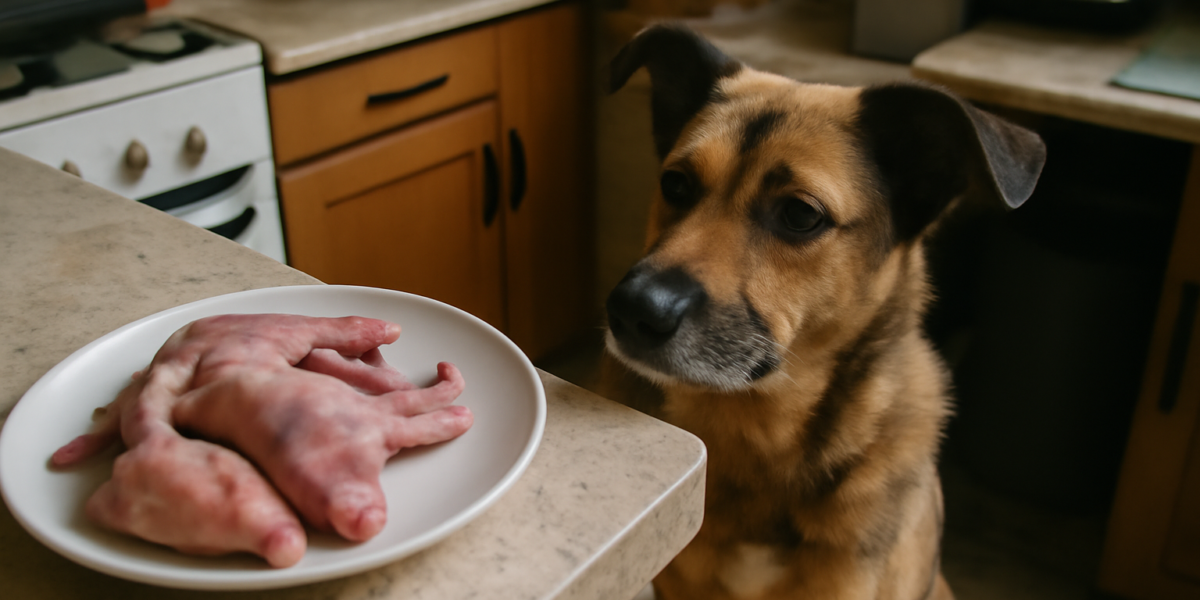
Yes, dogs can eat rabbit meat, and it is one of the best novel protein sources available for dogs with food allergies or sensitivities. Rabbit meat is lean, highly digestible, and rarely included in commercial dog foods, which means most dogs’ immune systems have never been exposed to it. This makes rabbit an ideal protein for elimination diets and for dogs that react to more common meats like chicken, beef, or lamb.
Beyond its hypoallergenic potential, rabbit meat offers a strong nutritional profile with high-quality protein, low fat content, and a good balance of essential amino acids. Whether you are raw feeding, home cooking, or looking for a healthy treat option, rabbit meat deserves a place in your consideration. As always, consult your veterinarian before making significant changes to your dog’s diet, especially if you are managing food allergies.
Why Rabbit Is a Top Novel Protein
A novel protein is simply a protein source that your dog has never eaten before. When a dog develops a food allergy, their immune system overreacts to a specific protein they have been repeatedly exposed to. Switching to a protein the immune system does not recognize can eliminate allergic symptoms.
Rabbit qualifies as a novel protein for the vast majority of dogs because it is rarely used in mainstream commercial pet foods. While you might find the occasional rabbit-based kibble, most dogs go their entire lives without eating rabbit. This lack of prior exposure is exactly what makes it valuable in allergy management.
Common signs that your dog might benefit from a novel protein like rabbit include:
- Chronic itching, particularly around the ears, paws, and groin
- Recurring ear infections that improve with antibiotics but keep coming back
- Persistent gastrointestinal issues including loose stools, gas, and intermittent vomiting
- Red, inflamed skin or hot spots that do not respond to standard treatments
- Year-round allergy symptoms that are not tied to seasonal pollen patterns
If your veterinarian suspects a food allergy, they may recommend an elimination diet lasting eight to twelve weeks. During this period, your dog eats only the novel protein (such as rabbit) and a single carbohydrate source, with no other treats or supplements. Rabbit’s status as a true novel protein makes it one of the most commonly recommended options for this process.
Nutritional Benefits of Rabbit Meat
Rabbit meat is not just useful for allergy management. It is a genuinely nutritious food that offers several advantages over more common protein sources.
Key nutritional highlights:
- High protein: Approximately 29 grams of protein per 100 grams of cooked meat, higher than chicken or beef
- Low fat: Only about 3.5 grams of fat per 100 grams, making it one of the leanest meats available
- Low calorie: Roughly 173 calories per 100-gram serving, suitable for weight management
- Rich in B vitamins: Particularly B12 and niacin, supporting energy metabolism and nervous system health
- Good selenium source: An antioxidant mineral that supports immune function and thyroid health
- Phosphorus: Contributes to bone and dental health
The low fat content makes rabbit especially appealing for dogs that need a lean diet, such as those prone to pancreatitis, dogs on a weight-loss program, or senior dogs with reduced caloric needs. The high protein-to-fat ratio means your dog gets excellent nutrition without excess calories.
Rabbit meat is also highly digestible, with digestibility rates comparable to chicken. Dogs with sensitive stomachs often tolerate rabbit well even when other proteins cause problems.
Safe Portions by Dog Size
If you are using rabbit meat as a treat or meal topper rather than a complete diet, portion control ensures your dog gets the benefits without overloading on any single food source.
Recommended rabbit meat portions as a treat or topper:
- Small dogs (under 20 lbs): One to two ounces of cooked rabbit, two to three times per week
- Medium dogs (20-50 lbs): Two to three ounces, two to three times per week
- Large dogs (50-90 lbs): Three to five ounces, two to three times per week
- Extra-large dogs (over 90 lbs): Five to seven ounces, two to three times per week
If you are using rabbit as the primary protein in a home-cooked or raw diet, portions will be significantly larger and should be calculated based on your dog’s weight, activity level, and caloric needs. Work with a veterinary nutritionist to formulate a balanced diet that includes rabbit as the main protein along with appropriate supplements and carbohydrate sources.
When introducing rabbit for the first time, start with a small portion, about half the recommended amount, and observe your dog for 24 to 48 hours before increasing. Even though allergic reactions to rabbit are rare, individual sensitivities are always possible.
How to Prepare Rabbit Meat for Dogs
Rabbit can be prepared in several ways depending on your feeding philosophy and your dog’s needs. All methods should avoid added seasonings, oils, butter, and sauces.
Boiled or poached: Place rabbit pieces in a pot of plain water, bring to a boil, reduce heat, and simmer for 30 to 40 minutes until cooked through. This is the gentlest preparation method and preserves moisture, making the meat easy to chew and digest.
Baked: Place rabbit pieces on a parchment-lined baking sheet and bake at 350 degrees Fahrenheit for 25 to 35 minutes, depending on the size of the pieces. Let cool completely before serving.
Raw: Raw rabbit is a staple in many raw feeding diets. If feeding raw, source from reputable suppliers that provide meat intended for raw consumption. Freeze the meat for at least two to three weeks before serving to reduce parasite risk. Handle with proper food safety precautions.
Remove all small, sharp bones before serving cooked rabbit to your dog. Cooked rabbit bones, like all cooked bones, become brittle and can splinter dangerously. Raw rabbit bones, including the soft rib bones and spinal sections, are generally safe for dogs to consume under supervision as part of a raw feeding protocol.
Cooked rabbit meat can be refrigerated for up to three days or frozen in portioned bags for up to three months.
Signs of Trouble After Eating Rabbit Meat
Rabbit meat is well tolerated by the vast majority of dogs, but as with any new food, monitoring is important during the introduction period.
Mild symptoms that typically resolve on their own:
- Slightly loose stools for one or two bowel movements as the digestive system adjusts
- Mild gas or stomach rumbling
- Brief decrease in appetite if the dog ate a larger portion than usual
Symptoms that warrant veterinary attention:
- Vomiting or diarrhea lasting more than 24 hours
- Hives, facial swelling, or excessive itching (allergic reaction)
- Blood in stool or vomit
- Signs of bone obstruction if raw bones were consumed: straining to defecate, abdominal pain, lethargy
- Refusal to eat for more than one day
If you are feeding rabbit as part of an elimination diet for suspected food allergies, keep a detailed food diary noting everything your dog eats and any symptoms that occur. This information is invaluable for your veterinarian in identifying the specific protein triggers.
Sourcing Rabbit Meat for Dogs
Finding rabbit meat may require a bit more effort than picking up chicken at the grocery store, but it is increasingly available through multiple channels.
Options for sourcing rabbit meat:
- Raw pet food suppliers: Many raw feeding companies sell whole rabbit, ground rabbit, and rabbit parts specifically for pets. These are often available online with home delivery.
- Local farms and farmers markets: Small rabbit farms may sell directly to consumers. This is often the freshest and most traceable option.
- Specialty butchers: Some butcher shops carry rabbit, especially those catering to diverse culinary traditions.
- Online meat retailers: Several companies sell frozen rabbit shipped to your door.
- Asian and European grocery stores: Rabbit is more commonly consumed in these cuisines and may be available fresh or frozen.
When buying rabbit for your dog, look for whole rabbit or rabbit parts without added marinades, brines, or seasonings. Ground rabbit from raw pet food companies is convenient for mixing into meals and usually comes in pre-portioned packages.
Frequently Asked Questions
Can dogs eat wild rabbit?
Wild rabbit carries higher risks than farm-raised rabbit, including parasites such as tapeworm and tularemia (rabbit fever), a bacterial infection that can affect both dogs and humans. If you hunt rabbit, freeze the meat for at least three weeks before feeding it raw, or cook it thoroughly to eliminate parasites. Consult your vet about tularemia risks in your geographic area.
Is rabbit better than venison for allergic dogs?
Both are excellent novel proteins. Rabbit tends to be leaner and more digestible, while venison offers slightly more iron. The best choice depends on which proteins your dog has been previously exposed to. If your dog has eaten venison-based commercial food before, rabbit may be the more truly novel option. For venison treat ideas, read about venison jerky for dogs.
Can I feed my dog rabbit bones?
Raw rabbit bones, particularly the softer rib bones and spinal vertebrae, are generally safe for dogs under supervision. Cooked rabbit bones should never be fed, as cooking makes them brittle and prone to splintering. Always match the bone size to your dog’s size and chewing style. For more on raw bone feeding, check out our article about duck necks for dogs.
How long does an elimination diet with rabbit take?
A typical elimination diet lasts eight to twelve weeks. During this time, your dog eats only rabbit (or another novel protein) and a single carbohydrate source, with absolutely no other foods, treats, or flavored supplements. After the elimination period, you reintroduce previous proteins one at a time to identify which ones trigger allergic reactions. Your veterinarian will guide you through this process.
Is rabbit meat safe for puppies?
Yes, cooked rabbit meat is safe for puppies over 12 weeks old in small, age-appropriate portions. The lean protein supports growth without excessive fat. If using rabbit as part of a home-prepared diet for a puppy, work with a veterinary nutritionist to ensure all developmental nutritional needs are being met. For more on feeding and caring for dogs of all ages, visit our dog adoption hub.


