
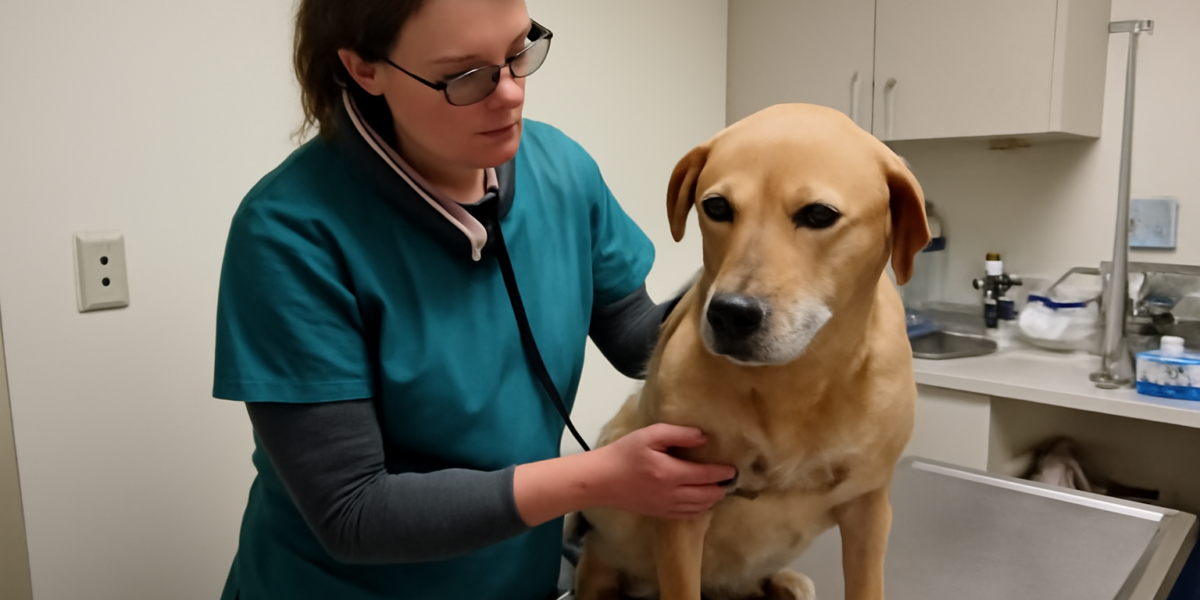
What Is Urinary Incontinence in Dogs?
Urinary incontinence dogs experience is the involuntary leakage of urine, most commonly noticed as wet spots where the dog has been sleeping or resting. The dog is not aware that urine has escaped and behaves normally otherwise. This is different from a behavioral or medical inability to make it outside (which involves the dog being aware), though in practice these can be hard to distinguish at first.
In this article
- What Is Urinary Incontinence in Dogs?
- Common Causes
- Spotting the Signs
- Working Up the Diagnosis
- Phenylpropanolamine and Hormone Therapy
- Surgical and Procedural Options
- Managing Underlying Conditions
- Living with an Incontinent Dog
- When Incontinence Signals Something More Serious
- Related Urinary and Senior Topics
- Frequently Asked Questions
Incontinence has many possible causes, but the most common in adult female dogs is a hormone-related weakness of the urethral sphincter, formally called urethral sphincter mechanism incompetence or USMI. This typically appears after spaying, sometimes years later. Other causes include congenital anatomic abnormalities, neurologic disease, urinary tract infection, bladder stones, polyuria from systemic disease, and prostate disease in males.
Most causes are treatable, often with simple medication. Working through the diagnosis matters because the underlying problem dictates the treatment, and “she’s just leaking a little” is not a reason to skip the workup.
Common Causes
USMI accounts for the majority of cases in adult spayed female dogs. The lack of estrogen reduces the resting tone of the urethral sphincter, allowing urine to escape during deep relaxation, especially sleep. Larger breeds and dogs spayed before puberty seem more predisposed, though any spayed female can develop USMI.
Ectopic ureters are a congenital cause seen in young dogs, especially female puppies. The ureter empties below the bladder neck rather than into the bladder itself, so urine bypasses the normal storage system. Affected puppies leak constantly from a young age, and surgical correction is curative in most cases.
Other causes include bladder infections (which inflame the bladder lining and cause urge incontinence), bladder stones, prostatic disease in males, neurologic problems affecting bladder control, and metabolic diseases like diabetes or kidney disease that produce excessive urine volume that overwhelms the dog’s ability to hold it.
Spotting the Signs
The classic sign of USMI is finding a wet spot where your dog has been sleeping. The dog may not appear to know she has leaked. The amount can range from a small damp circle to a large puddle. Often, the leaking is intermittent at first and becomes more frequent over months to years.
Other signs of urinary problems may overlap. Frequent urination, straining, blood in the urine, or accidents during walks point toward infection, stones, or behavioral issues rather than simple leakage. Dogs with ectopic ureters or severe incontinence may have constantly damp fur and skin irritation around the vulva or prepuce.
Note when the leaking happens (sleeping, walking, excitement), how often, and how much. This information helps your veterinarian narrow the diagnosis quickly. Incontinence in older male dogs warrants a particularly careful prostate evaluation.
Working Up the Diagnosis
Your veterinarian will start with a physical exam, including palpation of the bladder and a rectal exam to evaluate the prostate or urethra. Urinalysis is essential to look for infection, glucose, and bladder lining changes. Urine culture confirms or rules out bacterial infection, which can both cause and result from incontinence.
Bloodwork helps screen for metabolic causes such as diabetes, kidney disease, or Cushing’s syndrome that cause excessive water intake and urine production. Abdominal ultrasound or contrast studies look for stones, tumors, or anatomic abnormalities such as ectopic ureters. In young dogs with constant dribbling, imaging is essentially mandatory.
For straightforward USMI in a middle-aged spayed female dog with otherwise normal results, a treatment trial with appropriate medication is often part of the diagnostic process.
Phenylpropanolamine and Hormone Therapy
The first-line medication for USMI is phenylpropanolamine, often called PPA. It tightens the urethral sphincter by acting on adrenergic receptors and is highly effective for many dogs. Most dogs respond within days, with full effect over a couple of weeks. Side effects can include restlessness, mild appetite suppression, or elevated blood pressure, and PPA is given multiple times daily. Periodic blood pressure checks are reasonable for dogs on long-term PPA, especially senior dogs or those with concurrent cardiac concerns.
Estrogen therapy is the other major option. Diethylstilbestrol (DES) and estriol are used in low doses to restore urethral sphincter tone in spayed females. They are typically dosed daily for a loading period, then tapered to a maintenance schedule. Both PPA and estrogens can be combined when one alone is not enough.
Doses are always individualized by your veterinarian based on weight, response, and side effects. Bloodwork monitoring may be recommended for long-term use. Never give human medications without veterinary guidance, and never share PPA between dogs without dosing approval.
Surgical and Procedural Options
For dogs that do not respond to medication, additional options exist. Submucosal injection of bulking agents (collagen or similar materials) into the urethral wall narrows the lumen and improves continence. The procedure is typically performed by a veterinary specialist and may need to be repeated periodically.
An artificial urethral occluder is a more invasive surgical option for severe, refractory cases. It is reserved for dogs who have failed all other treatments and is performed at referral centers. Most dogs do not need this level of intervention because medication works well.
For ectopic ureters, surgery to redirect the abnormal ureter into the bladder corrects the anatomic problem. Some cases benefit from a laser procedure performed through a cystoscope rather than open surgery, depending on the type of ectopic ureter present. Outcomes are generally better when ectopic ureters are corrected at a young age, before chronic urinary tract infections and skin damage have accumulated.
For dogs with concurrent recessed vulva, vulvoplasty surgery to correct the redundant skin folds can resolve recurrent vaginitis and urinary tract infections that contribute to incontinence. This is a relatively simple procedure performed by general practitioners or surgeons depending on local availability.
Managing Underlying Conditions
If incontinence stems from infection, stones, or systemic disease, treating the underlying problem usually resolves or markedly improves the leaking. Bladder infections clear with appropriate antibiotics chosen based on culture and sensitivity. Bladder stones may need dietary dissolution or surgical removal depending on type.
Diabetes and Cushing’s syndrome cause excessive urine production that overwhelms continence. Controlling the metabolic disease typically improves the dribbling, and any residual USMI can be added to the treatment plan. Polyuric kidney disease is similar; supportive care for the kidneys helps the urinary symptoms.
Older dogs sometimes develop weakness, arthritis, or cognitive changes that contribute to in-house accidents. The line between true incontinence and difficulty making it outside is worth investigating, because the management is different.
Living with an Incontinent Dog
Even with effective treatment, occasional accidents happen. Waterproof bed liners, washable bedding, and dog-friendly diapers or belly bands (for males) can protect floors and furniture. Regular bathing of the perivulvar or preputial area prevents urine scald and skin irritation. Many owners find disposable absorbent pads useful for crate liners and in spots where the dog tends to leak.
Encourage frequent bathroom breaks, especially before bed and on waking. Limit water in the late evening only on veterinary advice, since restricting water inappropriately can mask other problems and worsen kidney function. Most dogs adapt well to a routine that includes more outdoor opportunities.
Skin around the vulva or prepuce should be checked regularly for redness or irritation. A barrier cream from your vet can help if the area becomes inflamed. Persistent skin issues warrant a visit to confirm there is no secondary infection developing. Pet-safe wipes used after walks can help keep the area clean between baths.
When Incontinence Signals Something More Serious
New incontinence in an older dog should never be brushed off. While USMI is the most common cause, the differential also includes conditions like spinal disease, bladder cancer, and prostate tumors. Sudden onset, blood in the urine, weight loss, lethargy, or other systemic signs should prompt a deeper workup.
For young dogs, congenital problems should be considered seriously. The earlier ectopic ureters are diagnosed and treated, the better the long-term outcome. Chronic urine leakage on the perineum can cause persistent skin damage if left untreated.
Trust your gut. If the leaking is not improving on initial treatment or new signs appear, ask for a recheck. Adjustments to the treatment plan or further imaging often resolve the problem.
Related Urinary and Senior Topics
Incontinence overlaps with several other senior dog issues, including kidney disease, diabetes, Cushing’s syndrome, and cognitive changes. Coordinating care across these conditions matters and a single visit can sometimes uncover several pieces at once. The dog care blog has additional reading on senior wellness screening.
For owners adopting an adult or senior dog, the adopt a dog hub includes guidance on what to ask about a dog’s urinary history. Many wonderful dogs end up needing rehoming, and incontinence is rarely a barrier to a great match; it just shapes the daily routine you build together.
Frequently Asked Questions
Is urinary incontinence dogs experience treatable?
In most cases, yes. USMI responds well to PPA, estrogen therapy, or a combination. Other causes have specific treatments tailored to the underlying problem. A complete workup followed by targeted treatment resolves or greatly improves leakage in the majority of dogs.
Why is my spayed female dog leaking urine?
The most common reason is urethral sphincter mechanism incompetence (USMI), a hormone-related weakening of the sphincter that often appears years after spaying. It is highly treatable with medication. Other causes such as infection, stones, or systemic disease should be ruled out first.
Can male dogs become incontinent too?
Yes, though USMI is much less common in males. Other causes such as prostate disease, bladder stones, or neurologic problems are more likely. Senior intact males should have their prostate evaluated, and any sudden onset deserves a thorough workup.
Are there side effects to PPA or estrogen therapy?
PPA can cause restlessness, decreased appetite, or elevated blood pressure. Estrogens can cause attractive behaviors to males or, rarely, bone marrow effects at high doses. Modern protocols use low, individualized doses with monitoring, and most dogs tolerate treatment well.
Will incontinence get worse over time?
USMI tends to progress slowly without treatment, but stays well controlled with medication. Other causes may worsen if the underlying problem is not addressed. Regular rechecks let your vet adjust treatment as needed.
When should I call my veterinarian?
Call when you first notice leaking, especially if there is blood, straining, lethargy, or new accidents elsewhere in the house. Sudden severe incontinence, particularly with weakness or systemic illness, warrants a same-day visit.


