
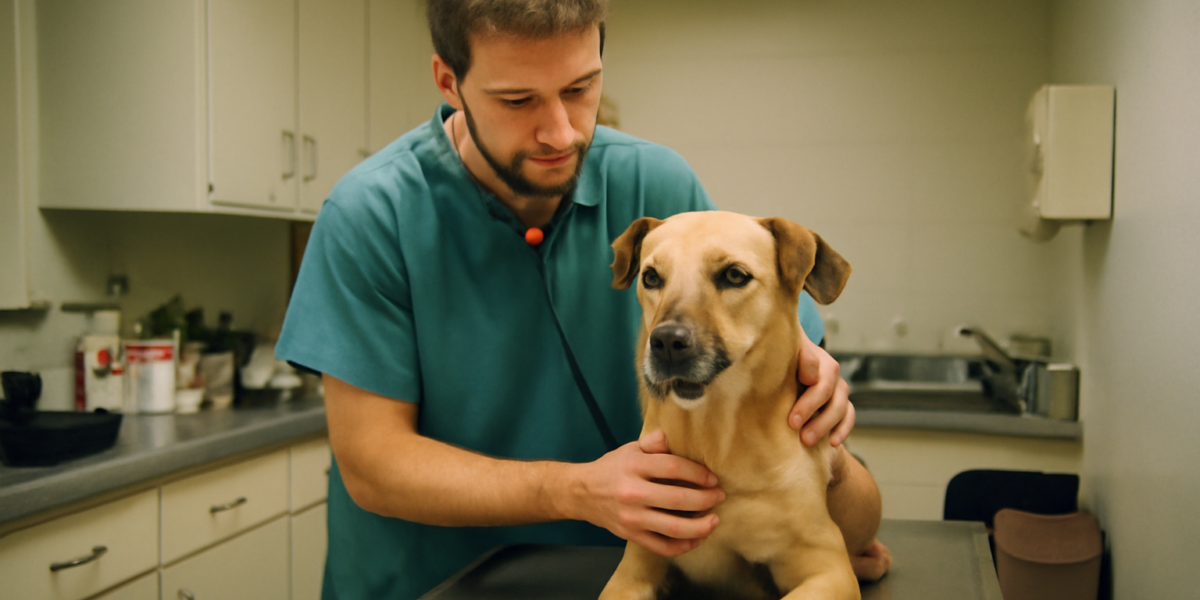
What a UTI Looks Like in Dogs
A urinary tract infection (UTI) in dogs occurs when bacteria colonize the bladder, urethra, or higher up in the kidneys. The result is inflammation, irritation, and a host of uncomfortable signs. UTIs are among the most common reasons dogs visit veterinary clinics, and they affect both sexes, though female dogs are generally more prone due to their shorter urethra.
In this article
- What a UTI Looks Like in Dogs
- Common Signs to Watch For
- When the Infection Reaches the Kidneys
- How a UTI Is Diagnosed
- Antibiotic Treatment
- Why Some Dogs Get Repeated Infections
- Special Cases in Older Dogs
- Diet and Lifestyle Support
- Hygiene and Environmental Care
- Preventing Future UTIs
- Frequently Asked Questions
UTI dogs experience can range from mild and easily treated to chronic and complex. Most uncomplicated UTIs respond well to a course of antibiotics, but some cases require additional workup to find an underlying cause. Recognizing the signs early and getting prompt treatment prevents progression to kidney infection (pyelonephritis) and reduces the risk of complications.
Most UTIs are caused by bacteria from the dog’s own skin or gastrointestinal tract that ascend the urethra into the bladder. Escherichia coli is the most common organism, although several other bacteria can be involved. The bladder normally has defenses against infection, but factors like dilute urine, urinary stones, anatomical issues, or systemic disease can compromise those defenses.
Common Signs to Watch For
The classic signs include increased frequency of urination, straining to urinate, accidents in the house in previously housetrained dogs, and blood in the urine. Owners often notice their dog asking to go outside more often, urinating in small amounts, or starting and stopping mid-stream.
Some dogs lick their genital area more than usual, vocalize during urination, or seem uncomfortable when palpated near the bladder. Urine may have a stronger or unusual odor. In some cases, the urine looks pink or red from blood, while in milder cases the urine looks normal but contains microscopic blood.
Many dogs with UTIs continue to eat, drink, and behave normally otherwise. This is one reason mild UTIs can go undetected, especially in dogs who urinate outside without close observation. Routine wellness exams with urinalysis catch some of these silent infections.
When the Infection Reaches the Kidneys
If bacteria travel from the bladder up to the kidneys, the result is pyelonephritis. This is more serious and often requires longer treatment. Signs include fever, lethargy, decreased appetite, vomiting, increased thirst and urination, back pain, and elevated kidney values on bloodwork.
Pyelonephritis can progress to kidney damage if untreated, especially with repeated or chronic infections. Sepsis is a real risk in severe cases. Any dog with a UTI who develops systemic signs (fever, lethargy, vomiting) needs prompt veterinary attention. Pyelonephritis often requires hospitalization, IV antibiotics, and longer courses of therapy.
For more on serious kidney complications, our guide to acute kidney injury in dogs covers how rapid kidney damage develops and is treated. Severe pyelonephritis can be a cause of acute kidney injury.
How a UTI Is Diagnosed
Diagnosis is based on clinical signs combined with urinalysis and ideally urine culture. The urinalysis often shows white blood cells, red blood cells, bacteria, and changes in urine concentration and pH. The presence of bacteria on a sterile sample strongly supports a UTI diagnosis.
The gold standard sample is collected by cystocentesis, where a fine needle is passed through the abdominal wall into the bladder under ultrasound guidance. This avoids contamination from the urethra and lower genital tract. Free-catch samples can show false positives because they collect skin and external bacteria.
Urine culture identifies the exact bacteria and tests which antibiotics will work. This step is especially important for recurrent or complicated infections. Empirical antibiotic choice (without culture) is reasonable for the first uncomplicated UTI in a young, otherwise healthy dog, but cultures are increasingly considered standard.
Antibiotic Treatment
Most uncomplicated UTIs respond to a one to two week course of an appropriate antibiotic. Common first-choice antibiotics include amoxicillin and amoxicillin-clavulanate, although the right choice depends on local resistance patterns and culture results. Your veterinarian will select the antibiotic based on the suspected bacteria and any culture data.
Complicated or chronic UTIs may require longer courses, sometimes four to six weeks, especially if pyelonephritis is suspected. Stopping antibiotics early, even if signs resolve, allows surviving bacteria to multiply and develop resistance. Always finish the prescribed course exactly as directed.
A follow-up urinalysis or culture is often recommended a week or two after finishing antibiotics to confirm clearance. This step is sometimes skipped in mild cases but is increasingly considered best practice, especially for older dogs or those with known predisposing factors.
Why Some Dogs Get Repeated Infections
Recurrent UTIs are frustrating and often signal an underlying issue. Common causes include bladder stones, anatomical abnormalities (like a recessed vulva in females or a redundant prepuce in males), endocrine diseases like Cushing’s or diabetes, immunosuppressive conditions, and urinary tumors.
Bladder stones provide a hiding spot for bacteria and irritate the bladder wall, making it harder to clear infections. If your dog has had multiple UTIs, your veterinarian will likely recommend imaging to look for stones or other structural problems. Our guide to bladder stones in dogs covers this in depth.
Endocrine diseases predispose to UTIs because they alter urine concentration, immune function, or both. Cushing’s disease and diabetes are particularly notorious for causing chronic UTIs. Treating the underlying condition is often necessary to break the cycle. Bloodwork screens for these conditions in dogs with recurrent UTIs.
Special Cases in Older Dogs
Senior dogs sometimes develop subclinical UTIs, where bacteria are present in urine without obvious signs. The clinical significance is debated, and not every subclinical UTI requires antibiotics. Your veterinarian will weigh the dog’s overall health, comfort, and risk of progression when deciding on treatment.
Older female dogs with hormone-responsive incontinence are particularly prone to UTIs because urine leaks and bacteria can ascend more easily. Treating the incontinence with appropriate medication often reduces UTI frequency. Bladder cancer (transitional cell carcinoma) can mimic chronic UTI in older dogs and should be considered when infections recur despite treatment.
Older dogs also more commonly have multidrug-resistant infections, especially after multiple antibiotic courses. Culture and sensitivity testing become essential in these cases, and longer treatment durations are sometimes needed. Working closely with your veterinary team prevents the cycle of resistance.
Diet and Lifestyle Support
Hydration is one of the most powerful prevention tools. Dilute urine helps flush bacteria from the bladder and reduces the chance of stone formation, which often accompanies chronic UTIs. Multiple water bowls, fountain-style waterers, and water added to wet food all help.
Frequent opportunities to urinate matter too. Dogs who hold urine for long periods provide bacteria more time to multiply in the bladder. Aim for outdoor breaks at regular intervals throughout the day, especially for dogs with a history of UTIs.
Cranberry supplements have mixed evidence in dogs. Some products may help, but they should never replace appropriate antibiotic treatment for an active infection. Always discuss supplements with your veterinarian before starting them, especially if your dog is on other medications. The same caution applies to D-mannose powders and various herbal urinary blends, which are sometimes marketed aggressively but have limited rigorous evidence in dogs.
Hygiene and Environmental Care
Good hygiene reduces the bacterial load near the urinary opening. For long-haired dogs, keeping the area around the genitals trimmed and clean prevents urine and debris from sitting on the skin. Female dogs with deep skin folds around the vulva may benefit from gentle cleaning with vet-approved wipes.
Female dogs with chronic conformation issues (recessed vulva, excess skin folds) sometimes benefit from surgical correction to reduce UTI frequency. Episioplasty, a procedure that removes redundant skin folds, can dramatically improve outcomes in select cases. Your veterinarian or a board-certified surgeon can advise.
Male dogs occasionally have prostate issues that mimic or contribute to UTIs. Intact (unneutered) males are particularly at risk. Neutering can resolve some chronic prostate-related infection patterns. Your veterinarian will assess prostate health when evaluating recurrent UTIs in male dogs.
Preventing Future UTIs
For dogs prone to UTIs, prevention is a long game. Ensure consistent hydration, frequent urination opportunities, periodic urinalysis monitoring, and prompt treatment of any predisposing conditions. Address bladder stones, endocrine disease, anatomical issues, and incontinence as part of comprehensive care.
Some dogs benefit from a urinary maintenance diet that promotes dilute urine. Discuss diet options with your veterinarian to find one that fits your dog’s overall needs, particularly if other conditions like kidney disease or weight management are also factors.
For broader canine wellness topics, the dog care blog covers a range of practical concerns. If you are exploring adoption, the dog adoption hub has guidance on welcoming a new pet, including those with manageable health histories.
Frequently Asked Questions
Can a UTI in a dog go away on its own?
Mild bacterial UTIs occasionally clear with the immune system’s help, but waiting risks progression to a kidney infection or chronic disease. Antibiotics provide reliable, faster resolution. Always consult your veterinarian rather than hoping the infection resolves untreated.
Are over-the-counter UTI products safe for dogs?
Most human UTI products are not appropriate for dogs and can cause harm. Some pet-specific cranberry or D-mannose supplements may be safe, but they do not replace antibiotic treatment. Always check with your veterinarian before giving any supplement, especially during an active infection.
How often do UTIs recur in dogs?
Many dogs have a single UTI that resolves with treatment and never returns. Recurrent infections happen in some dogs, especially those with bladder stones, endocrine diseases, anatomical issues, or compromised immunity. Working with your vet to find and address the underlying cause breaks the cycle.
Can UTIs cause kidney damage?
Yes. Untreated or severe UTIs can ascend to the kidneys, causing pyelonephritis and potentially long-term kidney damage. This is one reason prompt treatment matters. Older dogs and those with kidney disease are more vulnerable to lasting damage from infections.
When should I take my dog to the vet for urinary symptoms?
Any new straining, frequent urination, accidents, blood in urine, or licking of the genital area deserves veterinary evaluation. For dogs with fever, vomiting, lethargy, or back pain, treat as same-day urgent. Always consult your veterinarian for diagnosis and treatment specific to your dog.


