
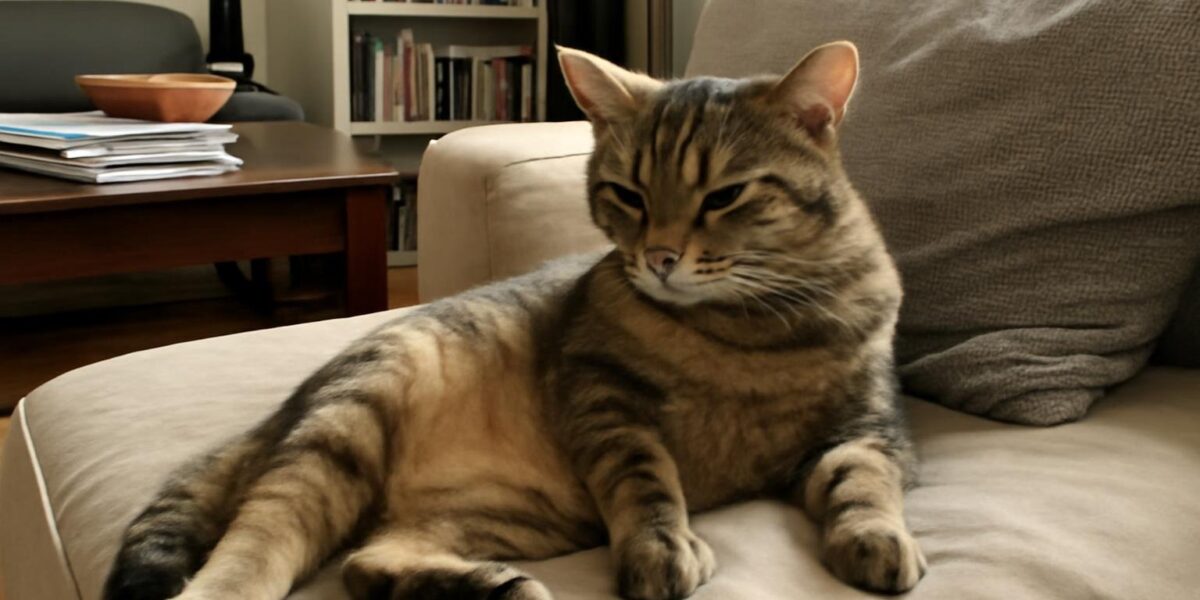
If you have ever watched your cat freeze at the window, fix her gaze on a bird, and make a rapid, teeth-clacking “ekekekek” sound, you have witnessed one of the most fascinating feline behaviors. Understanding what it means when my cat chatters at birds usually points to a mix of excitement and predatory instinct, often with a dash of frustration that the prey is out of reach. As with all body language, context matters, and the same chattering can lean more toward thrilled anticipation or pent-up energy depending on your cat and the moment.
In this article
- The Most Common Meanings of Chattering
- Reading the Rest of Her Body
- Is Chattering a Sign of Frustration or Joy?
- When Chattering Signals Pent-Up Energy
- How to Support Your Bird-Watching Cat
- Other Things Cats Chatter At
- When to Consult a Vet or Behaviorist
- Reading Chattering in Context: Age, Energy, and Personality
- Frequently Asked Questions
Chattering is completely normal and, in most cases, nothing to worry about. It is your cat’s hunting brain lighting up at the sight of something she instinctively wants to catch. Reading the rest of her body tells you whether she is delighted, frustrated, or both.
The Most Common Meanings of Chattering
Animal experts have a few leading explanations for why cats chatter, and they often overlap. It helps to distinguish this hunting sound from the friendly bird-like greeting some cats make; our guide to what it means when your cat chirps at you covers that affectionate version, while chattering is specifically tied to seeing prey.
- Predatory excitement: The sight of prey triggers an instinctive hunting response, and chattering is part of that arousal.
- Frustration: Glass or distance keeps her from the bird, so the energy with nowhere to go comes out as chatter.
- The “kill bite” rehearsal: One theory suggests the jaw motion mimics the rapid bite cats use to dispatch prey, almost like practice.
- Heightened focus: Chattering accompanies the intense concentration of a cat locked onto a target.
Most chattering is a blend of excitement and the slight frustration of unreachable prey. It is instinct in action, not a sign that anything is wrong.
Reading the Rest of Her Body
Your cat’s whole body shifts into hunting mode when she chatters, and reading those signals confirms what she is feeling. Look for a fixed, locked-on stare, forward-pointing ears, and a low, crouched, ready-to-pounce posture. Her pupils often dilate with arousal, and her tail may twitch or lash at the tip with excitement.
These are the same signals you would see in a hunting cat outdoors, just aimed through a window. If the focus is intense but the body stays loose and excited, she is thrilled. If you notice more tension, pacing, or repeated thwarted lunges at the glass, frustration is playing a bigger role. Learning to read this hunting posture is part of understanding her overall communication, which our cat body language guide covers in helpful detail.
Her tail is a particularly telling indicator during chattering. A tail that swishes or lashes quickly signals high arousal, somewhere between excitement and frustration. Notice whether that energy dissipates once the bird flies off or whether it lingers and spills into restlessness. The former means she enjoyed a stimulating moment; the latter suggests she could use more active outlets.
Chattering also often comes with other vocalizations layered in. Some cats add a chirp or a frustrated little squeak to the teeth-clacking, blending several sounds together. These mixed signals reinforce that chattering is an emotionally charged moment, packed with the thrill of the hunt and the disappointment of an unreachable target all at once.
Is Chattering a Sign of Frustration or Joy?
The honest answer is that it is often both at once. The sight of a bird is genuinely exciting for a predator, and that excitement is a positive, stimulating experience. At the same time, the inability to reach the prey can create frustration, especially in a cat with lots of energy and few outlets.
For most indoor cats, watching birds is enriching entertainment, the feline equivalent of an engaging show. The chattering is a healthy expression of natural instinct. It only becomes a concern if the frustration seems to build into stress, agitation, or redirected aggression toward other pets or people in the home.
It is worth remembering that the hunting instinct is deeply rooted and not something to suppress. Even cats who have never lived outdoors, never caught prey, and are perfectly well fed will chatter at birds, because the drive is genetic rather than learned. Trying to stop the behavior would be both impossible and unfair. The goal is to give that instinct healthy ways to express itself.
Think of chattering as a window into your cat’s natural needs. A cat who chatters is a cat with an active predatory mind, and that mind craves stimulation. By recognizing chattering as a signal rather than a problem, you can use it as a cue to enrich her environment in ways that keep her mentally and physically satisfied.
When Chattering Signals Pent-Up Energy
If your cat chatters intensely and frequently and seems agitated afterward, she may be telling you she needs more outlets for her hunting instincts. Indoor cats thrive when they get to chase, stalk, pounce, and “catch” things, and a lack of these opportunities can leave that predatory energy with nowhere to go.
Watch for chattering that spills over into restlessness, zoomies, or even swatting at a nearby pet right after a bird flies off. That redirected energy is a clue that she could use more active play. Increasing structured play sessions usually channels that drive productively and reduces any frustration.
Redirected aggression is the main behavioral risk to be aware of. When a cat is highly aroused by something she cannot reach, that pent-up energy can suddenly transfer to whoever is closest, whether that is another cat, a dog, or a person. This is not malice; it is simply frustration with nowhere to go. If you notice this pattern, avoid handling your cat while she is wound up, and give her a few minutes to settle before interacting. The chattering itself signals when those high-arousal moments are happening.
Over time, you can often reduce frustration-driven behavior by establishing a reliable daily play routine. A cat who knows she gets a satisfying hunt-and-pounce session each day tends to be calmer and less likely to fixate anxiously on the birds outside. Predictable enrichment gives her energy a healthy home.
How to Support Your Bird-Watching Cat
Rather than discouraging chattering, you can lean into your cat’s love of the hunt in healthy ways.
- Set up a window perch. A comfortable spot with a view of a bird feeder gives her safe, enriching entertainment.
- Schedule daily play. Use wand toys that mimic birds and let her “catch” the toy at the end so she feels the satisfaction of a successful hunt.
- Rotate toys. Novelty keeps her hunting drive engaged and prevents boredom.
- Watch for overstimulation. If she gets wound up, give her a calm break and avoid handling her until she settles.
These small additions turn instinctive chattering into a positive outlet and help a high-energy cat feel fulfilled.
Other Things Cats Chatter At
While birds are the classic trigger, your cat may chatter at all sorts of things. Squirrels, chipmunks, lizards, insects, and even leaves blowing in the wind can set off the same response. Anything that moves in a quick, prey-like way can activate her hunting brain, especially if it is just out of reach beyond a window or glass door.
Some cats also chatter at moving images on a screen, at a laser Pointer dot, or at toys they cannot quite catch. In every case, the underlying cause is the same blend of predatory arousal and the frustration of an unreachable target. Recognizing the pattern helps you understand that chattering is about the type of movement and the inability to make contact, not about birds specifically.
This is useful to keep in mind when you design enrichment. Toys that dart, flutter, and move unpredictably tap into the very instincts that chattering reveals. Letting your cat actually catch and “kill” a toy at the end of a play session gives her the satisfying conclusion that bird-watching can never provide, which is the most effective way to ease any chronic frustration.
When to Consult a Vet or Behaviorist
Chattering itself is normal and needs no treatment. However, talk to your veterinarian if the jaw movement looks involuntary, happens without prey in sight, or comes with drooling, pawing at the mouth, or signs of dental pain, since teeth or jaw issues can sometimes cause unusual mouth motions.
Consider a certified feline behaviorist if chattering is consistently followed by frustration-driven aggression toward other pets or people, or if your cat seems chronically agitated by what she sees outside. To better understand how chattering fits with her other hunting and arousal signals, our comprehensive cat body language signals guide is a useful companion as you observe her.
Reading Chattering in Context: Age, Energy, and Personality
How much a cat chatters, and how intensely, varies a great deal from one individual to the next, and putting the behavior in context helps you respond well. Young cats and high-drive breeds tend to be the most enthusiastic chatterers, because their hunting instincts are sharp and their energy reserves are deep. A kitten or adolescent who chatters constantly at the window is usually just brimming with predatory enthusiasm and in need of plenty of structured play to burn it off.
Older or more sedate cats may chatter less, simply because their arousal threshold is higher and they are content to watch the world go by with a calmer eye. This mellowing is normal and not a cause for concern on its own. What is worth noting is a sudden, marked change in an individual cat’s pattern, such as a previously animated bird-watcher who abruptly loses all interest, which can sometimes accompany a dip in how she is feeling overall.
It also helps to read the moment rather than the behavior in isolation. A cat who chatters, watches intently, then strolls away relaxed when the bird leaves is enjoying healthy enrichment. A cat who chatters, then paces, vocalizes, or redirects onto a housemate is telling you the frustration outweighed the fun. Both reactions start with the same teeth-clacking sound, so it is the aftermath, not the chatter itself, that reveals whether she found the experience satisfying or merely stirring up energy she could not discharge.
Frequently Asked Questions
Why does my cat make a clicking noise when she sees birds?
That clicking or “ekekek” sound is chattering, a natural response to seeing prey. It reflects a mix of predatory excitement and the frustration of not being able to reach the bird through the window.
Is it bad that my cat chatters at birds?
No, chattering is normal and usually harmless. It is instinct in action. It only warrants attention if it leads to building frustration, redirected aggression toward other pets, or signs of stress in your cat.
Does chattering mean my cat is upset?
Not exactly. Chattering blends excitement and mild frustration. Most cats find bird-watching enriching and enjoyable. Read her body language; an excited, focused posture is positive, while persistent agitation suggests she needs more play outlets.
How can I reduce my cat’s frustration when she chatters?
Provide daily interactive play with wand toys she can actually catch, set up a comfortable window perch, and rotate her toys. These outlets satisfy her hunting instincts and channel the energy that chattering reveals.


