
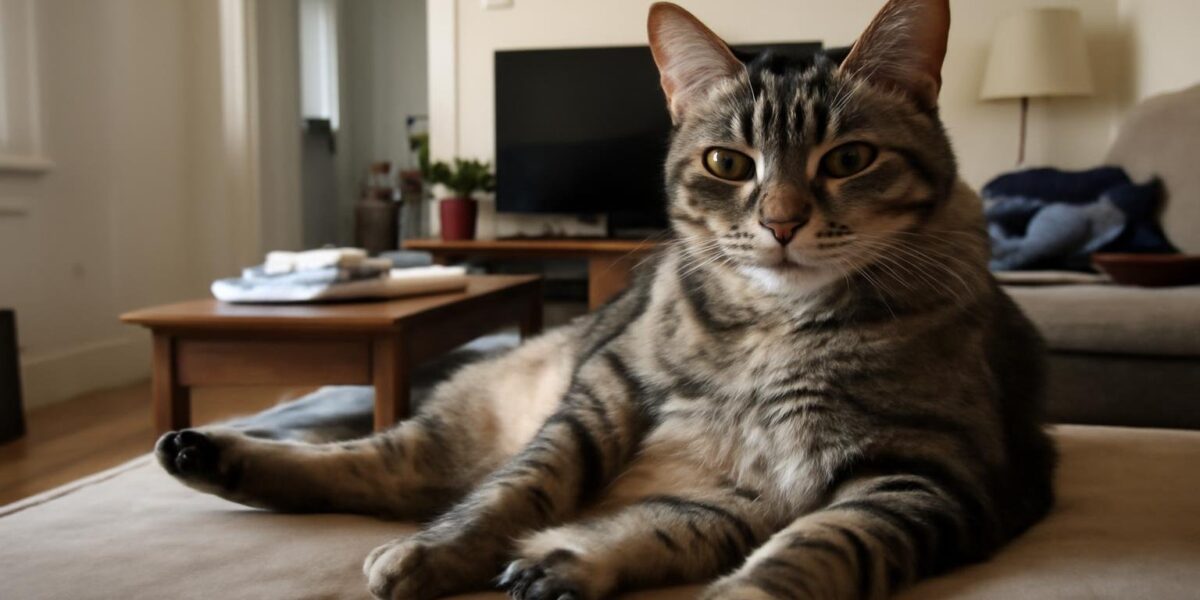
That short, bird-like “brrt” or rolling little sound your cat makes is one of the most charming parts of living with a feline. Understanding what it means when my cat chirps at me is usually happy news: chirping is typically a friendly greeting, an invitation to follow her, or an expression of excitement and affection. As with every feline signal, context matters, and the same chirp can mean “hello,” “come this way,” or “look at that” depending on what is happening around her.
In this article
- The Most Common Meanings of a Chirp
- Chirp, Trill, Chatter: Telling Them Apart
- Reading the Rest of Her Body
- When Chirping Means Affection and Connection
- When a Chirp Might Signal Frustration or Stress
- How to Respond to Your Chirping Cat
- Encouraging a Quiet Cat to Communicate
- When to Consult a Vet or Behaviorist
- Does Age or Health Change How a Cat Chirps?
- Frequently Asked Questions
Chirping is a sign that your cat sees you as a trusted companion she wants to communicate with. Cats reserve much of their vocalizing for the humans and animals they feel close to, so a chirp directed at you is a small but genuine compliment.
The Most Common Meanings of a Chirp
Chirps come in a few flavors, and most of them are warm and social. Here are the meanings you will hear most often.
- A friendly greeting: Many cats chirp when you walk in the door or wake up, the feline equivalent of “hi there.”
- An invitation to follow: Mother cats chirp to call kittens, and your cat may use it to lead you to her food bowl or a favorite spot.
- Excitement: A chirp can bubble up when she spots a toy, a treat, or something interesting outside.
- Affection and attention-seeking: A chirp paired with rubbing or a tail held high is a request for interaction.
- Acknowledgment: Some cats chirp back when you talk to them, keeping a little conversation going.
Because chirping evolved partly as a mother-to-kitten call, a cat chirping at you often treats you as family she wants to engage and guide.
Chirp, Trill, Chatter: Telling Them Apart
Cats make several similar high-pitched sounds, and it helps to know the differences.
A chirp is a short, sharp, bird-like note, often a greeting or a “come here.” A trill is a longer, rolling, melodic sound made with a closed mouth, usually signaling happiness and affection. A chatter is the rapid, teeth-clacking sound cats make while watching prey they cannot reach, like birds at the window.
These sounds blend on a spectrum, and individual cats develop their own dialects. The chatter, in particular, deserves its own attention, and our guide to what it means when your cat chatters at birds explains the predatory excitement behind that teeth-clacking sound. Knowing the difference helps you tell a friendly hello from a frustrated hunting moment.
Some cats are naturally far chattier than others. Breed, personality, and early socialization all play a role. A talkative cat who chirps frequently is usually a confident, well-bonded one who enjoys interacting, while a quieter cat may save her chirps for special greetings. Neither is a cause for concern; it is simply part of who she is. Over time, you will come to recognize your own cat’s signature sounds and what each one tends to mean.
Reading the Rest of Her Body
To confirm a chirp’s meaning, look at what her body is doing. A greeting chirp usually comes with a tail held straight up, possibly with a little quiver at the tip, soft eyes, and forward ears, all signs of a relaxed and friendly cat.
If she chirps and then walks a few steps, pauses, and looks back at you, she is almost certainly inviting you to follow. A chirp during play comes with a springy, alert posture and dilated pupils from excitement. Reading these body cues alongside the sound is the surest way to interpret her, and our cat body language guide shows how the tail, ears, and eyes fit together with vocalizations.
When Chirping Means Affection and Connection
Most chirping is a sign that your cat is content and feels close to you. A cat who greets you with a chirp at the door, chirps when you reach down to pet her, or answers when you speak is treating you as a trusted member of her social group.
You can encourage this delightful behavior by chirping or talking back, which many cats enjoy as a form of conversation. Responding to her greetings strengthens the bond and reassures her that her communication works. Cats who feel heard tend to vocalize more freely, so a chatty, chirpy cat is often a happy, well-socialized one.
Chirping also reflects how cats adapt their communication specifically for humans. Adult cats rarely meow at one another; that vocalization is largely reserved for us. Chirps, trills, and meows are part of a special language your cat has developed to talk to her favorite people. The fact that she directs these sounds at you means she has learned that you respond, and that you matter to her.
The more you engage, the richer that shared language becomes. Many owners find that their cat develops distinct chirps for specific situations, one for the morning greeting, another for “follow me to the food bowl,” and another for an excited play invitation. Tuning in to these patterns is one of the quiet joys of living with a cat, and it makes everyday communication smoother for both of you.
When a Chirp Might Signal Frustration or Stress
Occasionally a chirp carries a note of urgency rather than joy. A cat chirping insistently and repeatedly while leading you somewhere may be frustrated that her water bowl is empty, the litter box needs cleaning, or she cannot reach something she wants.
Context and body language tell the difference. A relaxed body with a chirp means friendliness, while a tense body, pacing, or a chirp that shifts toward a more demanding meow can mean she needs something addressed. A sudden change in how much your cat chirps, especially a normally quiet cat becoming very vocal or a chatty cat going silent, is worth noting, as vocalization changes can sometimes reflect stress or a health issue.
In multi-cat homes, chirps can also be part of how cats coordinate with one another. A cat may chirp to a feline housemate as a friendly check-in or to initiate play. Watching how your cats use sounds with each other can tell you a lot about their relationships and whether the household feels harmonious. Frequent friendly chirping between cats is generally a good sign of social comfort.
How to Respond to Your Chirping Cat
Chirping is an invitation to engage, so the best response is to participate.
- Acknowledge her. Make eye contact, speak softly, or chirp back to show you heard her.
- Follow if she leads. If she walks off and looks back, see where she wants to take you; it is often the food bowl or a toy.
- Check her needs. An insistent chirp can mean an empty bowl, a dirty litter box, or a closed door.
- Offer affection or play. A friendly greeting chirp pairs perfectly with a little attention or a play session.
Responding consistently teaches your cat that communicating with you gets results, which deepens your relationship over time.
Encouraging a Quiet Cat to Communicate
If you have a quiet cat who rarely chirps, you can gently invite more communication without forcing it. Some cats are simply reserved by nature, while others open up as they grow more comfortable in their home. Newly adopted and shy cats, in particular, often become more vocal once they feel safe and bonded.
The most effective approach is to respond warmly whenever your cat does make a sound. Acknowledge her chirps with a soft reply, follow her when she leads, and meet the small requests she communicates. When a cat learns that her vocalizations consistently get a kind, attentive response, she is far more likely to use them. Communication grows in a two-way relationship.
Building a daily rhythm of greetings, play, and quiet companionship also gives her more natural opportunities to chirp. Many owners find that as their bond deepens, a once-silent cat begins offering little hellos and “follow me” chirps they never heard before. That shift is a lovely sign that your cat feels increasingly secure and connected to you.
When to Consult a Vet or Behaviorist
Chirping is a healthy, social behavior that almost never signals a problem. Still, reach out to your veterinarian if your cat’s vocal habits change suddenly and dramatically, if increased vocalizing comes with weight loss, restlessness, or appetite changes, or if an older cat begins vocalizing loudly at night, which can occasionally point to medical issues.
A certified feline behaviorist can help if excessive, demanding vocalization seems tied to anxiety or unmet needs. To understand how chirping fits among all of your cat’s sounds and signals, our comprehensive cat body language signals guide is a useful reference while you tune in to her unique dialect.
Does Age or Health Change How a Cat Chirps?
A cat’s vocal habits often shift across her lifetime, and recognizing those patterns helps you read her chirps in context. Kittens chirp and trill readily as they learn to communicate, taking their cue from a mother cat who uses these very sounds to call and guide them. Young, energetic cats frequently chirp during play and exploration, while many cats settle into a steady, individual vocal style as they reach adulthood. None of this variation is a problem; it is simply your cat finding her voice.
Senior cats are where a little extra attention pays off. An older cat who suddenly becomes far more vocal, chirping or yowling especially at night, may be experiencing changes in hearing, vision, or cognition that come with age. These shifts can leave a cat feeling disoriented or seeking reassurance, and the increased vocalizing is her way of reaching out. It is rarely an emergency, but it is worth mentioning to your vet, who can rule out treatable causes and suggest ways to keep an aging cat comfortable and secure.
The guiding principle in every life stage is to compare against her own baseline. A naturally chatty cat chirping her usual greetings is just being herself, and a quiet cat staying quiet is equally normal. What matters is a noticeable, sustained change, in either direction, since that is the signal most likely to carry useful information about how she is feeling. Knowing your individual cat’s normal chirping pattern makes you the best possible judge of when something has shifted.
Frequently Asked Questions
Why does my cat chirp when she sees me?
That is a friendly greeting. Cats often chirp to say hello to humans and animals they trust, much as a mother cat chirps to her kittens. A chirp aimed at you means she is glad to see you.
What is the difference between a chirp and a trill?
A chirp is a short, sharp, bird-like note often used as a greeting or “follow me,” while a trill is a longer, rolling, melodic sound that signals happiness and affection. They overlap and both indicate a content, friendly cat.
Why does my cat chirp and then walk away?
She is likely inviting you to follow her, often toward her food bowl, a toy, or a favorite spot. This “come with me” chirp echoes how mother cats call their kittens to lead them somewhere.
Should I chirp back at my cat?
Yes, many cats enjoy a back-and-forth exchange. Chirping or talking back acknowledges her and encourages communication, which strengthens your bond and reassures her that her greetings are welcome.


