
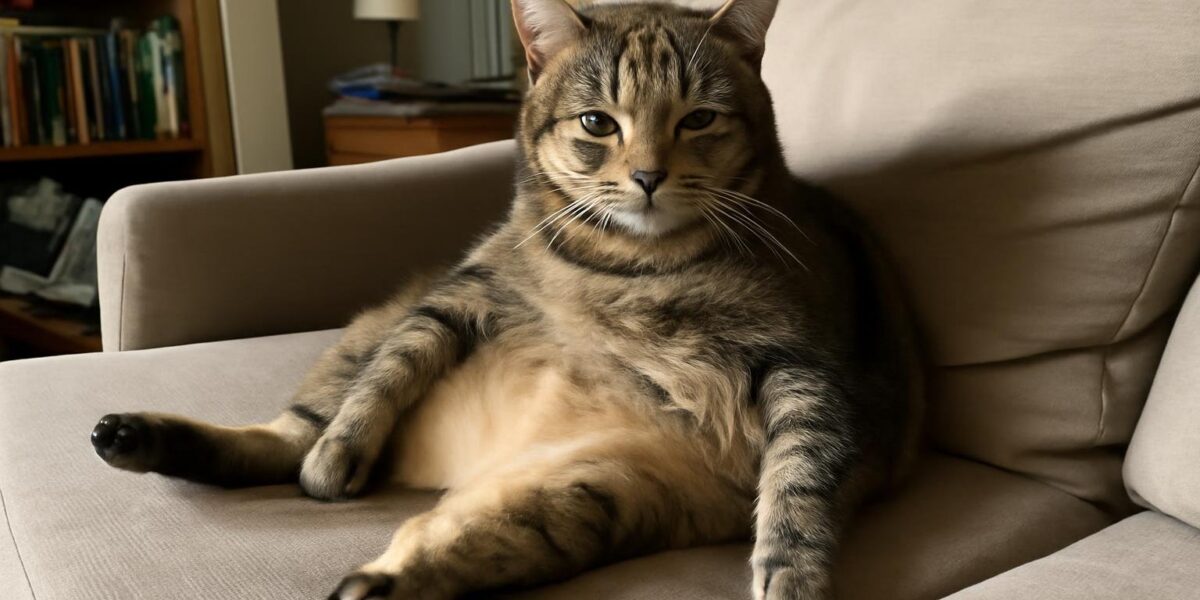
That adorable pose where your cat tucks all four paws beneath her body and rounds herself into a compact little rectangle is affectionately known as “the loaf.” Understanding what it means when my cat sits like a loaf is usually reassuring: loafing most often signals that your cat is relaxed, content, and feeling secure, while still keeping a bit of warmth and readiness in reserve. As with every posture, context matters, and the same loaf can occasionally reflect a need for warmth or, rarely, an attempt to guard against discomfort.
In this article
- The Most Common Meanings of Loafing
- Reading the Rest of Her Body
- The Loaf Versus the Crouch
- When Loafing Means Comfort and Security
- When the Loaf Could Signal Discomfort or Illness
- How to Respond to Your Loafing Cat
- The Loaf Compared to Other Resting Poses
- When to Consult a Vet or Behaviorist
- How Age, Temperature, and Surface Affect Loafing
- Frequently Asked Questions
For the most part, a loafing cat is a happy, comfortable cat. The pose conserves body heat and lets her rest while staying just alert enough to spring up if needed. Reading the rest of her body tells you whether this is a cozy nap or something to watch.
The Most Common Meanings of Loafing
Cats loaf for several friendly, practical reasons.
- Relaxed contentment: A loafing cat is usually calm and at ease in her surroundings.
- Conserving warmth: Tucking the paws under the body retains heat, which cats love.
- Resting but ready: Unlike a full sprawl, the loaf keeps her able to get up quickly if something happens.
- Feeling safe: Settling into a loaf in the open shows she does not feel threatened.
- Comfortable observation: She can doze while still keeping a casual eye on her territory.
The loaf sits in a sweet spot between fully relaxed and lightly alert, which is why cats adopt it so often during calm parts of the day.
Reading the Rest of Her Body
To confirm a loaf is a happy one, look at her face and overall demeanor. A content loafing cat will have soft, half-closed or fully closed eyes, relaxed and neutral ears, smooth whiskers, and an unbothered expression. She may purr or doze peacefully.
This easy, settled look tells you she is simply enjoying a comfortable rest. If instead her eyes are squinted tightly, her ears are tense, or she seems hunched and reluctant to move, the posture may be masking discomfort. The ear position is a key tell, and our guide to what flattened ears mean can help you spot when a tucked posture is paired with tension rather than ease. Learning to read these subtle facial and ear cues alongside the pose is the most reliable way to interpret her, and our cat body language guide walks through how relaxed eyes, ears, and whiskers signal genuine comfort.
There are even variations of the loaf that owners have given affectionate names. A “partial loaf” with one paw still peeking out usually means she is relaxed but not fully committed to a long rest. A “double loaf,” where she folds in tightly and tucks her tail around herself, often signals deep comfort and a desire to conserve warmth. None of these are cause for concern; they simply reflect her mood and the temperature.
The key is always to compare what you see against her normal behavior. A cat who loafs comfortably every day in her favorite spots is showing healthy, relaxed behavior. The variation that matters is a shift toward tension, hunching, and squinting, which stands out against her usual easy loaf.
The Loaf Versus the Crouch
It is helpful to tell a relaxed loaf apart from a tense, painful crouch, because they can look similar at a glance. A true loaf is rounded, settled, and relaxed, with the cat appearing comfortable and her face soft. Her body weight rests easily on her tucked paws.
A pained or unwell cat, by contrast, may hold a hunched posture with tense muscles, squinted eyes, flattened or sideways ears, and a generally withdrawn look. She might resist lying down fully and seem unable to get comfortable. The difference lies in the details: relaxation versus tension, soft eyes versus squinting. When in doubt, watch how she moves and behaves around the pose.
When Loafing Means Comfort and Security
The everyday loaf is a sign of a relaxed, well-adjusted cat. When your cat loafs in a sunny spot, on her favorite cushion, or near you with a soft, drowsy expression, she is telling you she feels safe and content in her home. This is exactly what you want to see.
You can support this calm by keeping her environment quiet and predictable and by providing warm, cozy resting spots she can claim as her own. A cat who loafs comfortably in open areas of your home trusts her surroundings, which reflects a secure, low-stress household. There is nothing to fix here, just a peaceful cat enjoying a rest.
Where your cat chooses to loaf can tell you about her comfort level too. A cat who loafs in the middle of a room, in plain view, feels confident and unthreatened, because she is willing to rest in an exposed spot. A cat who only ever loafs tucked away in hidden corners may be more cautious, though many cats simply prefer cozy nooks regardless of stress. As always, the loaf is one piece of a larger picture of her wellbeing.
Loafing also tends to appear at predictable times, often during the quiet midday hours when cats naturally rest between bursts of activity. Recognizing your cat’s daily rhythm helps you appreciate the loaf as a normal part of her routine. A cat who loafs contentedly through her usual rest periods is a cat who feels at home and at ease in her environment.
When the Loaf Could Signal Discomfort or Illness
While most loafing is benign, a hunched, tense version of the pose can occasionally be a way cats hold themselves when they are not feeling well. Cats are masters at hiding pain, and a subtle shift toward sitting hunched with squinted eyes, reluctance to move, or loafing far more than usual can be an early clue that something is off.
Pay attention if the loafing posture is paired with reduced appetite, hiding, less grooming, litter box changes, or a generally withdrawn demeanor. A cat who suddenly spends most of her time in a tight, tense crouch, especially with squinting, may be experiencing discomfort and deserves a closer look. Trust your knowledge of her normal behavior, because a change from her baseline is the most telling sign.
How to Respond to Your Loafing Cat
Most of the time, the best response to a loafing cat is simply to let her rest.
- Check her expression. Soft eyes and relaxed ears mean a happy loaf; squinting and tension warrant attention.
- Provide warmth and cozy spots. Comfortable beds in quiet areas encourage healthy, relaxed loafing.
- Let her rest undisturbed. A content loafing cat enjoys peace, so avoid unnecessary handling.
- Monitor for changes. Note if she loafs far more than usual or seems unable to get comfortable.
- Watch for accompanying signs. Pair the posture with appetite, grooming, and litter box habits to spot trouble early.
By tuning in to the difference between a cozy loaf and a tense one, you can enjoy the cute pose while staying alert to her wellbeing.
The Loaf Compared to Other Resting Poses
Understanding the loaf is easier when you compare it to your cat’s other resting positions. A cat lying fully on her side or sprawled on her back is in her most relaxed, vulnerable state, showing she feels completely safe. A cat curled into a tight ball is conserving warmth and settling in for deep sleep. The loaf sits comfortably between these, relaxed yet still lightly ready to move.
This middle-ground readiness is part of the loaf’s charm and function. Because her paws are tucked but her head is usually up or only lightly resting, she can transition from rest to action quickly if something interesting happens. It is a practical pose for a creature that likes to nap while staying loosely aware of her surroundings.
Watching which poses your cat favors, and when, gives you a richer sense of her comfort. A cat who moves freely between loafing, sprawling, and curling up throughout the day is a relaxed, secure cat. If you notice her sticking rigidly to a tense, hunched version of the loaf and avoiding her usual relaxed sprawls, that change is the signal worth paying attention to.
When to Consult a Vet or Behaviorist
A relaxed loaf needs no professional input. However, contact your veterinarian if your cat shifts to a hunched, tense posture with squinted eyes, loafs far more than usual, seems reluctant to move, or shows other signs like reduced appetite, hiding, or grooming changes, since these can indicate pain or illness.
Because cats hide discomfort so well, a change from her normal posture and habits is worth taking seriously. To better distinguish relaxed and stressed body language across all her poses, our comprehensive cat body language signals guide is a valuable reference as you learn to read your cat’s everyday cues with confidence.
How Age, Temperature, and Surface Affect Loafing
Several everyday factors influence how often and where your cat loafs, and noticing them helps you read the pose accurately. Temperature is one of the biggest drivers: because the loaf tucks the paws and tail close to conserve heat, cats tend to loaf more in cooler conditions and spread out into looser, sprawled positions when they are warm. A cat loafing tightly on a chilly morning is often just managing her body heat, not signaling anything about her mood beyond ordinary comfort.
The surface she chooses matters too. Cats frequently loaf on firm, slightly raised, or enclosed spots, such as a cushion, a box lid, or a warm windowsill, because these surfaces feel stable and secure beneath a tucked body. A cat who loafs in a favorite elevated perch is usually combining comfort, warmth, and a good vantage point, all of which suit the loaf’s blend of rest and light readiness. Where she settles can quietly tell you how safe and content she feels in that part of the home.
Age shapes loafing as well. Kittens and young cats often loaf briefly between bursts of play, while older cats may settle into longer, more frequent loafing sessions as their pace of life slows. This gentle increase with age is usually normal. The pattern to watch is a sudden shift toward a tight, tense, hunched loaf in a cat who used to rest in relaxed, varied poses, since that change from her baseline is the most reliable clue that the posture might be guarding discomfort rather than signaling ease.
Frequently Asked Questions
Is it good when my cat sits like a loaf?
Usually, yes. Loafing most often means your cat is relaxed, content, and feels secure while conserving warmth. As long as her eyes are soft and her body looks at ease, the loaf is a sign of a comfortable, happy cat.
How do I know if my cat’s loaf means she is in pain?
Look for tension. A painful posture tends to be hunched and stiff with squinted eyes, flattened ears, and reluctance to move, often alongside reduced appetite or hiding. A relaxed loaf has soft eyes and an easy, settled look.
Why does my cat tuck her paws under her when she loafs?
Tucking the paws conserves body heat and creates a comfortable, settled resting position while keeping her ready to rise if needed. It is a cozy, instinctive way for cats to rest when they feel safe.
Should I disturb my cat when she is loafing?
If she looks relaxed and content, let her rest undisturbed. A loafing cat is usually enjoying a peaceful moment, so unnecessary handling can interrupt her comfort. Only check in closely if she appears tense or unwell.


