
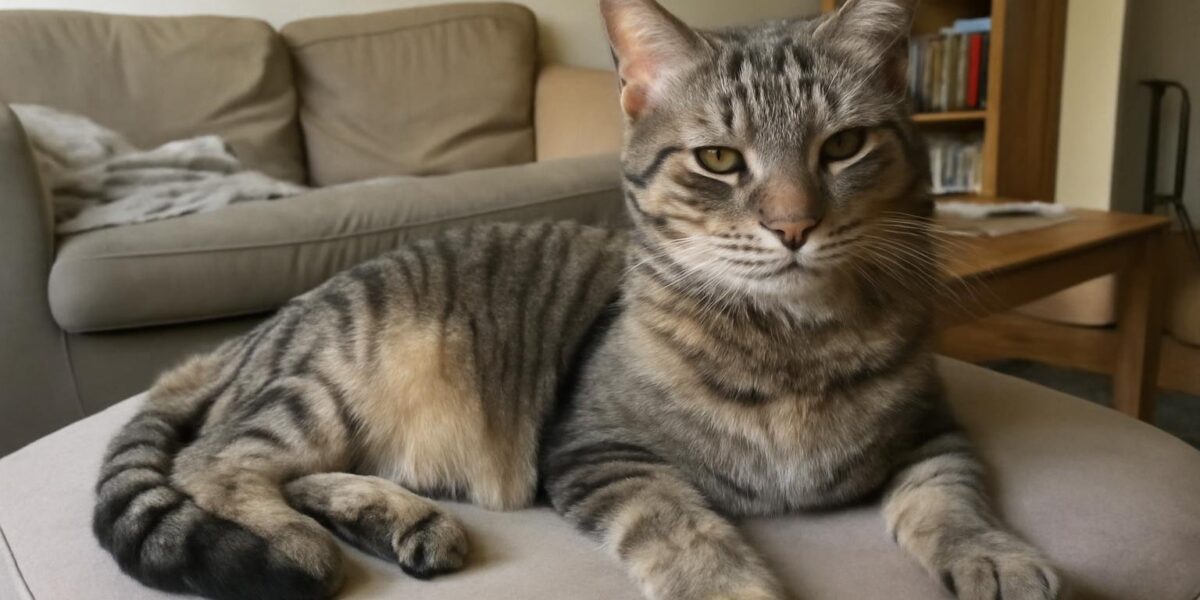
The Quick Answer: A Feline Kiss
If you are charmed and curious about what does it mean when my cat slow blinks at you, here is the wonderful answer: a slow blink is one of the highest compliments a cat can give. Often called a cat kiss, it is a gesture of trust, affection, and total relaxation. When your cat slowly closes and opens her eyes while looking at you, she is telling you she feels safe and content in your company.
In this article
Closing the eyes is a vulnerable act for any animal, because it means letting your guard down. By doing it deliberately in your presence, your cat is signaling that she does not see you as a threat. It is a soft, loving message of comfort.
As with all body language, context adds nuance. The slow blink is overwhelmingly positive, but it always reads best alongside the rest of her relaxed body. The good news is that this particular signal is one you can almost always celebrate.
What the Slow Blink Really Communicates
The slow blink carries a few closely related meanings, all of them warm.
Trust and Safety
By half-closing or fully closing her eyes near you, your cat shows she feels secure enough to be vulnerable. This is the foundation of the gesture. She trusts that nothing bad will happen while her guard is down.
Affection
Slow blinking is a genuine sign of fondness. Cats often direct it at the people and animals they are most bonded to. If your cat slow blinks at you across the room, she is sending love your way.
Contentment and Calm
A relaxed, happy cat naturally softens her eyes. The slow blink often appears when she is dozing in a sunbeam, settled on your lap, or simply enjoying a peaceful moment. It reflects a calm, untroubled state of mind.
Non-Threatening Communication
Among cats, a hard stare can feel like a challenge. The slow blink does the opposite. It softens the gaze and signals friendly, peaceful intentions, defusing any tension.
How to Blink Back
The best part of the slow blink is that you can answer it. When your cat gives you a slow blink, you can return the gesture and deepen your bond.
- Look at your cat gently, with soft eyes rather than a hard stare.
- Slowly close your eyes for a moment, just as she did.
- Open them again slowly and relax your face.
- Watch for her response. Many cats will blink back, settle closer, or look pleasantly at ease.
This little exchange is a real conversation in cat language. Practicing it, especially with a shy or new cat, can help her feel safe and accelerate the trust between you.
Reading the Whole Cat
The slow blink is almost always positive, but reading it alongside the rest of her body confirms the message and helps you understand her overall mood.
- Eyes: Soft, half-closed, sleepy eyes confirm relaxation. The slow blink fits naturally with this calm expression.
- Ears: Ears in a neutral, forward, relaxed position support the contented reading.
- Body: A loose, lounging body, perhaps a loaf pose or a stretched-out sprawl, means a cat at peace.
- Tail: A still or gently moving tail held in a relaxed position rounds out the picture of a comfortable cat.
When the slow blink comes with soft ears, a loose body, and a calm tail, you are looking at a deeply content, trusting cat. It is a moment to savor.
Using the Slow Blink to Build Trust
One of the most practical reasons to learn the slow blink is that it gives you a gentle, reliable way to communicate safety to a cat, which is invaluable with shy, fearful, or newly adopted cats who are still deciding whether they can trust you.
When you meet a nervous cat, resist the urge to stare, reach out, or approach quickly. Instead, sit at a comfortable distance, turn your body slightly to the side, and offer slow blinks while keeping your gaze soft. You are essentially speaking her language and telling her you mean no harm. Many cats visibly relax, and some will return the blink within a few tries.
For a rescue cat adjusting to a new home, this small ritual can speed up the bonding process considerably. Repeated over days, slow blinks help her learn that you are a calm, predictable presence who respects her boundaries. Pair the blinking with letting her approach on her own terms, and you build trust at the cat’s pace rather than your own.
It costs you nothing and asks nothing of the cat, which is exactly why it works so well. You are not pressuring her into contact. You are simply offering a friendly signal and letting her decide what to do with it. That respect for her choices is the foundation of a strong, lasting bond.
Other Signs Your Cat Feels Safe With You
The slow blink is one of many ways a cat shows she feels secure in your company. Learning to spot the others helps you appreciate just how much your cat trusts you, even when she is being her usual understated self.
- Exposing her belly: A cat who rolls over and shows her stomach is displaying deep trust, since the belly is her most vulnerable area. It is not always an invitation to touch, but it is a clear sign of comfort.
- Sleeping near or on you: Choosing to nap in your presence, or on your lap, means she feels safe enough to be defenseless around you.
- Kneading and purring: The rhythmic pushing of her paws, often with a rumbling purr, harks back to contented kittenhood and signals deep relaxation.
- Greeting you with an upright tail: A friendly, raised tail as she walks toward you is a warm hello reserved for those she likes.
- Grooming you: A cat who licks your hand or hair is treating you as part of her family group, a real mark of acceptance.
When you start to notice these signals together, you realize your cat is communicating affection in dozens of small ways throughout the day. The slow blink is simply one of the easiest to recognize and one of the loveliest to receive.
When Eye Behavior Might Mean Something Else
A true slow blink is a happy signal. But other eye behaviors can look superficially similar and mean different things, so it helps to tell them apart.
- Squinting in discomfort: If your cat squints one eye, holds it partly shut, or it looks watery, red, or sticky, that is not a slow blink. It may signal eye pain or infection.
- Hard staring: A fixed, unblinking stare with dilated pupils and a tense body is the opposite of a slow blink and can signal arousal or a standoff.
- Half-closed from illness: A cat who keeps her eyes half-closed while also seeming withdrawn, off her food, or low-energy may not be relaxed but unwell.
The distinction comes from the rest of the body. A relaxed cat slow blinking is content. A cat squinting with a sore, watery eye or hiding away needs a closer look.
When to Consult a Vet
The slow blink itself never needs a vet. Reach out if you notice these signs instead.
- Eye problems: Persistent squinting, redness, discharge, cloudiness, or pawing at an eye calls for a veterinary exam.
- Behavior change: A cat who suddenly seems withdrawn, hides, or stops engaging may be unwell and should be checked.
- One eye affected: If only one eye is squinting or weeping, treat it as a possible injury or infection and see your vet promptly.
It also helps to think about timing when you offer slow blinks to your cat. The best moments are when she is already relaxed, perhaps lounging nearby, grooming, or settling in for a nap. Catching her in a calm state means your blink lands as a gentle confirmation of safety rather than an interruption. Trying to slow blink at a cat who is agitated, hungry, or focused on something else is far less likely to get a response, simply because her attention is elsewhere.
Do not be discouraged if your cat does not blink back every time, or even most of the time. Cats are individuals, and some are far more demonstrative than others. A cat who watches you calmly without blinking back may still be receiving and appreciating your signal. The goal is not to score a returned blink but to build a steady, gentle habit of communicating safety. Over many small exchanges, your cat learns that your soft gaze means there is nothing to fear, and that quiet reassurance is the real reward, whether or not she blinks in reply.
Learning to read these gentle signals deepens your relationship with your cat. Our complete cat body language guide explains how eyes, ears, tail, and posture work together, and our practical look at reading cat body language helps you put the slow blink in context.
The slow blink pairs naturally with other affectionate and alert signals. You might notice it alongside a friendly straight-up tail greeting, and it is the gentle opposite of the tense stare you see when your cat’s pupils dilate with arousal.
Frequently Asked Questions
Does a slow blink really mean my cat loves me?
Yes. The slow blink is widely understood as a feline gesture of trust and affection, sometimes called a cat kiss. By closing her eyes near you, your cat shows she feels safe and bonded to you.
Should I slow blink back at my cat?
Absolutely. Gently soften your gaze, slowly close your eyes, and open them again. Many cats will blink back or relax further. It is a lovely way to communicate trust and strengthen your bond, especially with a shy cat.
How is a slow blink different from squinting in pain?
A slow blink is deliberate, relaxed, and comes with a calm body. Painful squinting tends to be held shut, often affects one eye, and may come with redness, watering, or discharge. If an eye looks sore, see your vet.
Why does my cat slow blink at me from across the room?
She is sending you a friendly, affectionate signal and confirming she feels at ease. A long-distance slow blink is a peaceful greeting that says she trusts you and is content in your shared space.


