
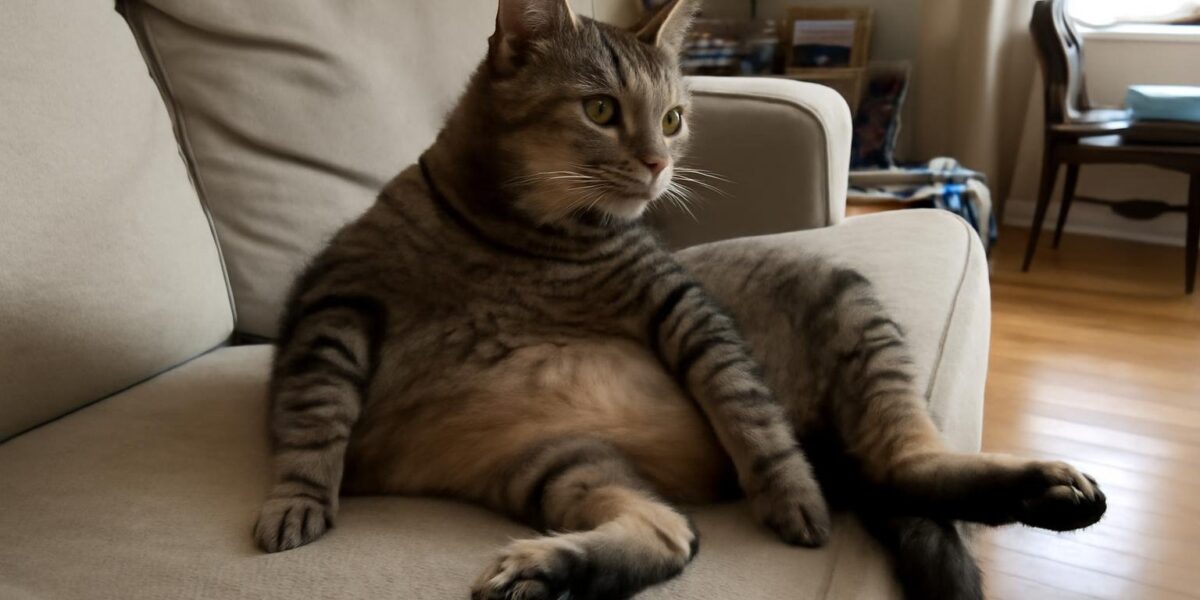
Catching your cat watching you with a steady gaze can feel mysterious, but it is usually far less cryptic than it seems. Understanding what it means when my cat stares at me depends heavily on context: a soft, relaxed stare often signals affection and contentment, a focused stare may be a request for food or attention, and a hard, fixed stare can occasionally signal tension. As with every feline signal, one look is rarely a single fixed message, so the rest of her body fills in the meaning.
In this article
- The Most Common Meanings of a Stare
- Reading Her Eyes and the Rest of Her Body
- The Slow Blink: A Loving Stare
- When a Stare Means She Wants Something
- When a Stare Signals Stress, Fear, or Aggression
- How to Respond to Your Staring Cat
- Why Cats Stare While You Sleep or Eat
- When to Consult a Vet or Behaviorist
- How Age and Health Can Shape a Cat’s Gaze
- Frequently Asked Questions
The encouraging news is that most staring is benign and even loving. Cats are observant creatures who keep an eye on the people and things that matter to them, and reading her eyes alongside her ears, tail, and posture turns a puzzling gaze into a clear message.
The Most Common Meanings of a Stare
Cats stare for a handful of reasons, and most of them are perfectly friendly.
- Affection and trust: A relaxed, soft-eyed stare, especially with slow blinks, is a feline “I love you.”
- Seeking something: A focused gaze near mealtime or playtime often means “feed me” or “let’s play.”
- Curiosity: Cats watch movement and activity to stay informed about their environment.
- Anticipation: She may be waiting to see what you will do next, especially if a routine is due.
- Tension or wariness: A hard, unblinking stare with a stiff body can signal she feels threatened or on guard.
Because the same act of staring covers such different feelings, the trick is always to read her eyes and body together rather than the gaze alone.
Reading Her Eyes and the Rest of Her Body
The character of the stare tells you most of the story. A loving, content stare comes with soft, half-closed eyes, relaxed ears, and a loose body, often punctuated by slow blinks. This is the gaze of a cat who feels safe and bonded.
A demanding stare is more alert, often with forward ears and an expectant posture, sometimes paired with a meow. A wary or tense stare features wide eyes, dilated pupils, flattened or sideways ears, a stiff body, and possibly a twitching tail. Learning to combine these signals is the heart of accurate interpretation, and our cat body language guide lays out how the eyes, ears, and tail come together to reveal her mood.
Pupil size deserves special mention because it can be a little tricky to read. Pupils dilate both from fear and from excitement, and they also respond to light levels, so a wide pupil alone does not tell the whole story. You have to combine it with the rest of the picture: dilated pupils plus a loose, playful body suggest excitement, while dilated pupils plus a stiff, crouched body suggest fear. Context turns an ambiguous signal into a clear one.
The tail offers a reliable cross-check on a stare. A loose or upright tail accompanying a gaze leans friendly, while a low, twitching, or thrashing tail signals tension. When the tail and eyes agree, you can trust the reading; when they seem to conflict, slow down and watch her a little longer before deciding how to respond.
The Slow Blink: A Loving Stare
One of the most meaningful stares is the slow blink. When your cat looks at you and slowly closes and opens her eyes, she is offering what many call a “cat kiss.” In feline language, narrowing the eyes signals comfort and trust, because a relaxed cat lowers her guard around those she feels safe with.
You can return this affection by slowly blinking back at her. Many cats respond by blinking again or relaxing further, turning it into a gentle exchange. A staring cat who slow-blinks is one of the clearest signs that she loves and trusts you, so it is well worth learning to “speak” back.
To try it yourself, catch your cat’s eye when she is calm, then slowly close your eyes for a beat and gently open them again. Avoid wide, fixed staring, which can read as a challenge. Keep your face soft and your body language easy. Over time, many cats come to use the slow blink as a regular way of greeting and reassuring the people they love, and you may find her offering it first.
This is also a useful tool with shy or newly adopted cats. Because a slow blink communicates that you mean no harm, it can help a nervous cat feel safer around you. Offering slow blinks from a comfortable distance, without reaching toward her, is a gentle, non-threatening way to begin building trust with a cat who is still getting to know you.
When a Stare Means She Wants Something
Cats are excellent at training their humans, and a pointed stare is one of their tools. If your cat fixes you with an alert gaze around feeding time, near her empty water bowl, or while sitting by a closed door, she is almost certainly making a request.
These stares are often paired with subtle cues like glancing between you and the object she wants, a meow, or leading you toward something. Responding to genuine needs, like food, water, or a clean litter box, is important. For attention-seeking stares, brief acknowledgment and scheduled play sessions help meet her needs without reinforcing constant demands.
When a Stare Signals Stress, Fear, or Aggression
Not every stare is friendly. A hard, unblinking stare with a tense body can be a sign that your cat feels threatened, is guarding territory, or is fixated on something that worries her. Between cats, a fixed stare is often a challenge or a warning, which is why direct prolonged eye contact can unsettle a wary cat.
If your cat stares at you with dilated pupils, flattened ears, a lashing tail, and a rigid posture, give her space rather than approaching or staring back. In multi-cat homes, watch for one cat repeatedly staring down another, as this can signal brewing conflict. A sudden onset of intense, anxious staring is also worth noting, since pain or illness can change a cat’s demeanor.
How to Respond to Your Staring Cat
The right response depends on the kind of stare you are seeing.
- Read the eyes and body first. Soft eyes mean affection; hard, wide eyes mean tension.
- Return a loving stare with a slow blink. This reassures a relaxed, bonded cat.
- Meet real needs. Check food, water, and the litter box if she stares expectantly.
- Give space to a tense stare. Avoid approaching or staring back at a wary cat.
- Keep routines steady. Predictable feeding and play reduce anxious, demanding staring.
Matching your response to the message keeps her feeling understood and safe.
Why Cats Stare While You Sleep or Eat
Many owners are slightly unnerved to wake up and find their cat staring at them, or to feel her eyes on them throughout a meal. In almost every case, these stares are benign. A cat watching you sleep is often simply keeping comfortable company, monitoring her favorite person, or waiting patiently for you to wake up and start the day.
Staring during meals is usually about your food, or about routine. Cats are quick to learn that mealtimes for humans sometimes mean a morsel or a treat, and a hopeful stare is her way of expressing interest. Even if you never share table scraps, she may have learned that your eating is a cue that her own feeding time is near, and she watches in anticipation.
These habits are part of how cats stay attuned to their humans. Far from being creepy, a cat who watches you closely is one who is interested in and bonded to you. As long as her body language is relaxed, you can read these everyday stares as a quiet form of attention and companionship rather than anything to worry about.
When to Consult a Vet or Behaviorist
Most staring is normal communication and needs no help. However, see your veterinarian if your cat develops sudden, intense, or unusual staring, appears to stare at “nothing,” seems disoriented, or shows other changes like altered appetite or hiding, since some medical issues can affect behavior and vision.
A certified feline behaviorist can help if staring is tied to anxiety, territorial tension, or conflict between cats. For a deeper understanding of the bonding science behind a loving gaze, our companion article on why cats stare at their owners explores the affectionate side, while the broader comprehensive cat body language signals guide helps you place each stare in context.
How Age and Health Can Shape a Cat’s Gaze
A cat’s eyes and staring habits can shift with age and wellbeing, so it helps to read a gaze against what is normal for your individual cat. Kittens and young cats often stare with bright, intense curiosity as they learn about their world, watching your every move to figure out routines and gather information. This alert, inquisitive watching is healthy and a sign of an engaged, confident young cat taking in her surroundings.
In senior cats, changes in staring are worth gentle attention. An older cat who begins staring blankly into space, fixating on walls, or seeming to gaze at “nothing” may be experiencing age-related changes in vision or cognition. Likewise, a cat squinting or holding one eye partly closed while staring could be signaling eye discomfort rather than affection. None of this means a stare is automatically a warning sign, but a new, persistent pattern in an older cat is a good reason for a vet check to rule out treatable causes.
Pain and illness can also subtly change how any cat looks at you. A cat who is unwell may stare with a tense, withdrawn expression, or fix you with an unusually anxious gaze, often alongside other changes like hiding, reduced appetite, or altered grooming. The reassuring takeaway is that the vast majority of everyday staring is affectionate, curious, or simply a polite request. It is the sudden, out-of-character stare, paired with other signs that something is off, that earns a closer look rather than a slow blink.
Frequently Asked Questions
Why does my cat stare at me without blinking?
An unblinking stare can mean curiosity, anticipation, or, if paired with a tense body and dilated pupils, wariness. Read her ears, tail, and posture to tell affection or focus apart from feeling threatened.
What does it mean when my cat slow-blinks while staring at me?
A slow blink is a feline sign of affection and trust, often called a “cat kiss.” Your cat is showing she feels safe and bonded with you. Slow-blinking back is a lovely way to return the sentiment.
Why does my cat stare at me before mealtime?
She is likely making a request. Cats learn to use a focused stare to prompt feeding, play, or access to a closed door. Responding to genuine needs and keeping a routine helps manage demanding stares.
Should I worry if my cat stares at me a lot?
Usually not, as most staring is affection, curiosity, or a request. Worry only if the staring is sudden and intense, aimed at “nothing,” or paired with disorientation, hiding, or appetite changes, which warrant a vet visit.


