
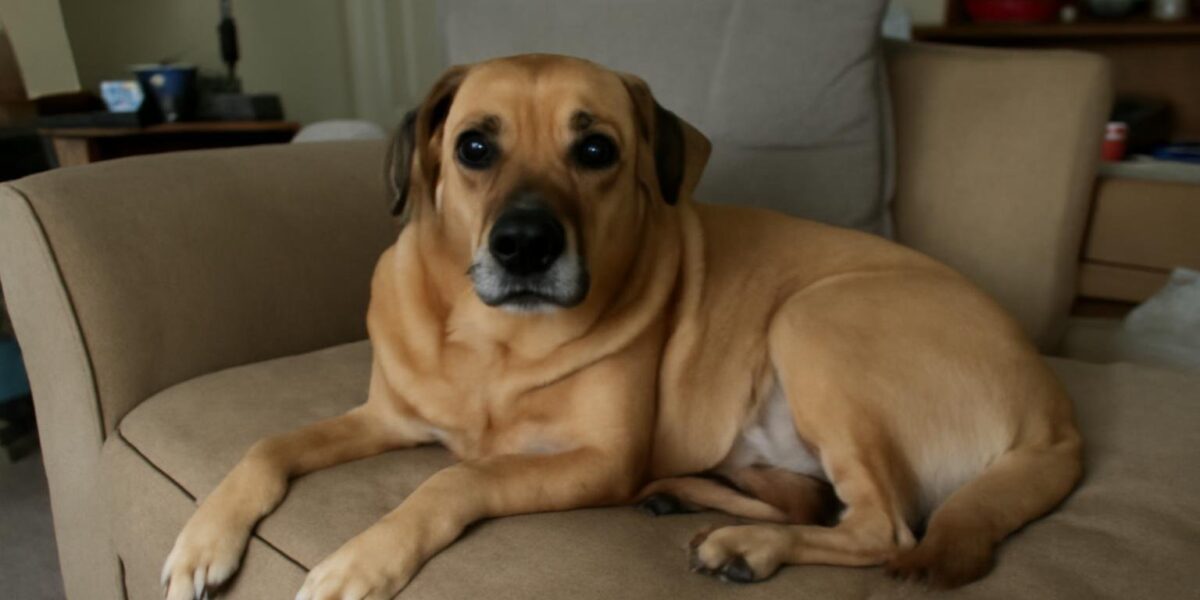
The Quick Answer: “Whale Eye” Often Means Discomfort
If you are asking what does it mean when my dog shows the whites of his eyes, the most common answer is that your dog is feeling stressed, anxious, or guarded, a signal trainers call “whale eye.” It happens when your dog keeps his head still and turns only his eyes toward something he is wary of, exposing the white crescents at the edges. He is keeping a watchful eye on a perceived threat while trying not to provoke it. In short, whale eye usually means “I’m uncomfortable, please give me space.”
In this article
- The Quick Answer: “Whale Eye” Often Means Discomfort
- What Whale Eye Looks Like
- Reading the Whole Body Alongside the Eyes
- When Whale Eye Signals Stress, Fear, or a Warning
- When Showing the Whites Is Harmless
- How to Respond to Whale Eye
- When to Consult a Vet or Behaviorist
- Whale Eye and the Ladder of Stress Signals
- Protecting Kids and Guests From a Bite
- Building Confidence in a Dog Who Often Shows Whale Eye
- Frequently Asked Questions
As always, one signal alone is not the whole picture. There are harmless reasons for visible whites too, such as a relaxed dog rolling his eyes during a belly rub or simply a breed whose eye shape shows more white naturally. The key is to read the eyes together with the rest of the body. Once you can tell relaxed whites from tense whale eye, you will know when your dog needs space. Whale eye is one of the calming and stress signals in dogs worth recognizing early.
What Whale Eye Looks Like
Whale eye has a distinct appearance. Your dog’s head stays fixed or turns slightly away, but his eyes stay locked on the thing that worries him, revealing a half-moon of white at the inner or outer corner. The expression often looks tense, with a hard or frozen quality.
This differs from the soft, relaxed white you might see when your dog is sleepy, getting a belly rub, or gazing lazily to the side. In those cases the body is loose and the eyes are soft. Whale eye, by contrast, comes with stiffness and a sense of vigilance.
Common triggers for whale eye include:
- Resource guarding: someone approaching a bone, toy, or food.
- Unwanted handling: hugs, restraint, or grooming a dog dislikes.
- Crowding: a person or dog moving too close, too fast.
- Tense interactions: a child climbing on the dog or an unfamiliar visitor.
Reading the Whole Body Alongside the Eyes
To confirm that visible whites mean stress, scan the supporting signals. Whale eye usually clusters with a stiff or frozen body, a closed or tense mouth, ears pinned or held rigidly, a lowered or turned head, and sometimes lip licking or yawning. Your dog may also stop moving entirely, which is an important warning.
If, on the other hand, the whites show while your dog is sprawled out, soft-eyed, and floppy during affection, there is no cause for concern. The difference between a relaxed sideways glance and tense whale eye lives in the muscle tension throughout the rest of the body.
Reading the eyes as part of a cluster keeps you from overreacting to a sleepy glance or, more importantly, missing a serious request for space. The eyes set the tone, and the mouth, ears, and posture confirm it. Our dog body language guide walks through how to read these signals together.
When Whale Eye Signals Stress, Fear, or a Warning
Whale eye is one of the clearest “please stop” signals a dog can give. When it appears, your dog is telling you he feels threatened and wants the pressure to end. This is a crucial moment to listen, because whale eye often precedes a growl, a snap, or a bite if the discomfort is ignored.
The right response is to create distance immediately. Stop whatever was crowding or handling your dog, step back, look away slightly, and let him relax. If a child or guest triggered the whale eye, calmly intervene and give your dog room. Do not reach toward a guarded resource.
Never punish whale eye. It is an honest, low-level warning that gives you the chance to prevent escalation. Correcting it teaches your dog to skip the warning and react more suddenly, which is far more dangerous. Respecting the signal keeps everyone safe and builds trust.
When Showing the Whites Is Harmless
Not every flash of white is a worry. Relaxed dogs often show some white when they are dozing, rolling onto their backs, or enjoying a gentle massage. Certain breeds and individual dogs simply have eye shapes that reveal more sclera all the time.
The tell is always the overall body. Loose limbs, a soft open mouth, easy breathing, and a wagging or resting tail mean the visible whites are just part of a comfortable, relaxed moment. There is no need to read tension into them.
When you know your dog’s normal resting expression, you can quickly distinguish his everyday relaxed look from the tense, vigilant whale eye that signals he wants space.
How to Respond to Whale Eye
When you spot tense whale eye, act calmly and promptly:
- Freeze the trigger. Stop the handling, approach, or crowding immediately.
- Create distance. Step back and give your dog room to relax.
- Soften your body. Turn slightly sideways and avoid direct staring.
- Protect the space. Keep children and guests from advancing further.
- Wait for softening. Let the body loosen before re-engaging gently.
Over time, managing the situations that trigger whale eye and never punishing the signal teaches your dog that you hear him, which lowers his overall anxiety and makes him far less likely to feel cornered.
When to Consult a Vet or Behaviorist
If your dog frequently shows whale eye, especially around handling, food, or family members, a certified, reward-based behaviorist or trainer can help you address the underlying stress safely. Resource guarding and handling sensitivity respond well to structured, force-free plans.
A veterinary visit is wise if whale eye appears suddenly with no behavioral explanation, if your dog seems to flinch from light or touch, or if you notice eye redness, squinting, or discharge. Eye pain and vision problems can change how your dog holds and uses his eyes.
For most dogs, whale eye is simply a clear, honest request for space. Reading it well and responding calmly protects your dog’s trust and helps prevent the stress from ever escalating.
Whale Eye and the Ladder of Stress Signals
Whale eye rarely appears out of nowhere. It usually sits partway up a predictable ladder of stress signals that dogs climb as they grow more uncomfortable. Learning the sequence helps you intervene early, long before your dog feels cornered enough to growl or snap.
A typical progression looks something like this:
- Subtle signals first: looking away, lip licking, yawning, or turning the head.
- Increasing tension: a stiffening body, a closed mouth, and the appearance of whale eye.
- Clear warnings: freezing in place, a hard stare, or a low growl.
- Last resort: snapping or biting if every earlier signal has been ignored.
The earlier you respond, the easier it is to help your dog. When you notice the subtle signals and the first hint of whale eye, you can ease the pressure right away and prevent the situation from climbing any higher. A dog whose early signals are consistently respected rarely needs to escalate to the louder warnings. Whale eye often appears together with other stress signs, such as when a dog also flattens his ears against his head.
Protecting Kids and Guests From a Bite
Because whale eye so often appears during handling and crowding, it is an especially important signal to teach the whole family, including children. Many bites happen when a well-meaning person, often a child, keeps hugging, leaning over, or reaching toward a dog who has been quietly asking for space with whale eye and other signals.
Set up your household to prevent these moments. Teach children never to hug or climb on the dog, to let the dog come to them rather than approaching him while he rests or eats, and to call an adult if the dog looks stiff or shows the whites of his eyes. Supervise all interactions between young children and dogs closely, and give your dog a safe, undisturbed retreat such as a crate or a quiet room.
For guests, a simple house rule of letting the dog set the pace prevents most uncomfortable encounters. When everyone learns to recognize whale eye as a polite “please give me space,” your dog rarely has to escalate, and your home stays calm and safe for both people and pets.
Building Confidence in a Dog Who Often Shows Whale Eye
If whale eye is a frequent visitor in your home, the long-term goal is to help your dog feel less threatened in the situations that trigger it. Management comes first: arrange daily life so your dog is not repeatedly pushed into the moments that make him uncomfortable, whether that means feeding him in a quiet spot, giving him a guard-free place to enjoy chews, or keeping greetings calm and unhurried.
From that foundation of safety, gradual positive associations do the deeper work. If handling triggers whale eye, you can pair gentle, brief touch with high-value treats so your dog begins to feel good about being approached. If resource guarding is the issue, a careful, force-free protocol that teaches your dog that people approaching his food predict more good things, not less, can transform his outlook. Always work at a pace where your dog stays relaxed, and never punish the guarding or the whale eye itself.
For guarding, handling sensitivity, or any whale eye that edges toward growling or snapping, the safest and most effective path is to enlist a certified, reward-based behaviorist or trainer. With the right plan and consistent practice, most dogs learn that they no longer need to keep such a wary eye on the world, and the tense whale eye gradually softens into the relaxed, trusting gaze every owner loves to see.
Frequently Asked Questions
Does showing the whites of the eyes always mean stress?
No. Tense “whale eye,” where the head stays still and the eyes track a threat, signals discomfort. But relaxed dogs also show whites while dozing or during belly rubs. The body tension tells you which it is.
Is whale eye a warning sign?
Yes. Whale eye often precedes a growl, snap, or bite if ignored. It means your dog feels threatened and wants space. Stop the trigger and create distance rather than pushing the interaction.
Should I punish my dog for whale eye?
Never. Whale eye is an honest early warning. Punishing it teaches your dog to skip the warning and react more suddenly, which is more dangerous. Respect the signal and give space instead.
When should I worry about my dog’s eyes?
See your vet if whale eye appears suddenly with no behavioral cause, or if you notice squinting, redness, discharge, or sensitivity to light or touch, which can signal eye pain or a vision problem.


