
Last updated: April 6, 2026
In this article
- How Much Do Cats Actually Sleep?
- Predator Sleep Patterns: The Evolutionary Explanation
- Sleep Stages in Cats: REM and Non-REM Sleep
- Age and Sleep: How Much Rest Cats Need at Every Life Stage
- Kittens: Why They Sleep Up to 20 Hours a Day
- Senior Cats: The Return to Longer Sleep
- Weather and Seasonal Effects on Cat Sleep
- When Excessive Sleep Signals Illness
- Creating the Perfect Sleeping Environment for Your Cat
- Frequently Asked Questions
Why Do Cats Sleep So Much? The Science of Cat Naps
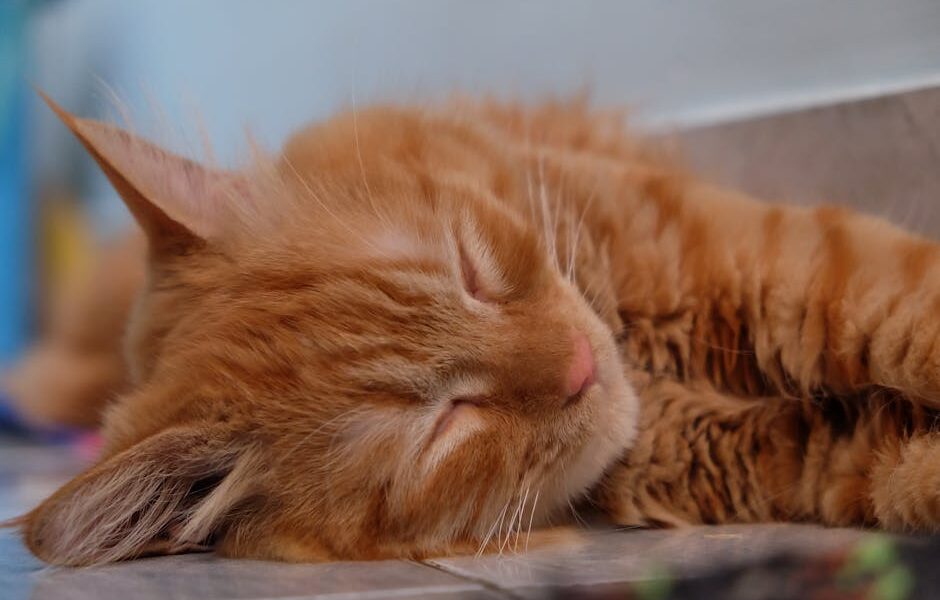
If you have ever watched your cat snooze through an entire afternoon, stretched across a sunbeam without a care in the world, you have probably asked yourself: why do cats sleep so much? It is one of the most common questions new and experienced cat owners share, and the answer reaches back millions of years into feline evolution. Cats are not lazy — they are biologically engineered to conserve energy in bursts, hunt with explosive power, and recover through long periods of rest. Understanding why cats sleep so much can help you distinguish perfectly normal behavior from potential health concerns, and it can even help you create a home environment that supports your cat’s natural rhythms.
Whether you are considering adopting a cat for the first time or you have lived with felines for decades, this guide covers everything science tells us about the sleeping habits of domestic cats — from predator instincts and brain wave patterns to the effects of age, weather, and illness on your cat’s daily rest.
How Much Do Cats Actually Sleep?
The average domestic cat sleeps between 12 and 16 hours per day. Some cats regularly log 18 or even 20 hours of sleep in a 24-hour cycle. To put that in perspective, that means your cat may spend roughly two-thirds of its entire life asleep. Compared to humans, who function on seven to nine hours, and dogs, who average 10 to 13 hours, cats are among the most prolific sleepers in the animal kingdom.
These numbers are averages, and individual cats can vary significantly depending on age, breed, health, activity level, and environment. An indoor-only cat with no stimulation may sleep more out of boredom, while a highly active breed like the Abyssinian or Bengal may spend slightly more time awake and exploring. Regardless of the exact number, if your cat is sleeping 12 to 16 hours a day and appears healthy, alert, and engaged during waking hours, there is almost certainly nothing to worry about.
Predator Sleep Patterns: The Evolutionary Explanation
The most fundamental answer to why cats sleep so much lies in their evolutionary history as predators. Domestic cats descended from the African wildcat (Felis lybica), a solitary ambush hunter that relied on short, explosive bursts of speed and power to catch prey. Unlike endurance hunters such as wolves that pursue their quarry over long distances, wildcats stalked, pounced, and killed in seconds. This hunting style demands enormous energy output over very short intervals — and the biological trade-off is extended recovery time through sleep.
Even though your indoor cat may never need to chase anything more challenging than a feather toy, the neurological and metabolic programming that drives this pattern has not changed. Your cat’s body is still wired to conserve energy aggressively so that it can be available in an instant when needed. This is why a deeply sleeping cat can snap to full alertness at the sound of a treat bag crinkling.
This evolutionary framework also explains why cats tend to be most active at dawn and dusk — the crepuscular activity pattern. Their wild ancestors hunted during low-light transitional periods when small prey were most vulnerable, and spent the rest of the day conserving calories through sleep. Your cat’s tendency to zoom around the house at 5 a.m. and then collapse by mid-morning is a survival strategy refined over millions of years.
Sleep Stages in Cats: REM and Non-REM Sleep
Cat sleep is not a single uniform state. Like humans, cats cycle through distinct sleep stages, each serving a different biological purpose. Understanding these stages helps explain why cats sleep so much and what is actually happening inside their brains during all those hours of apparent inactivity.
Light sleep (non-REM, stage 1): This is the classic “cat nap” — the origin of the term itself. During light sleep, your cat’s body is relaxed but the brain remains moderately alert. The ears may rotate toward sounds, muscles are ready to spring into action, and the cat can wake fully within a fraction of a second. Cats spend a large portion of their total sleep time in this state — rest without vulnerability. Light sleep sessions typically last 15 to 30 minutes.
Deep sleep (non-REM, stages 2 and 3): During deeper non-REM sleep, brain wave activity slows significantly, muscles relax completely, and the body focuses on physical repair. Growth hormone is released, tissue regeneration occurs, and the immune system performs critical maintenance. Cats cycle into deep sleep for short intervals of about five to ten minutes before returning to lighter stages — minimizing the time they are truly defenseless.
REM sleep: Rapid eye movement sleep is the stage associated with dreaming. The brain becomes highly active while the body enters temporary muscle paralysis called atonia. You may notice your sleeping cat twitching their paws, whiskers, or tail during REM. Cats experience REM for about six to eight minutes per cycle, and it plays a critical role in memory consolidation, learning, and neural development. Kittens spend a disproportionately large amount of their sleep in REM as their brains develop rapidly.
A full sleep cycle — from light sleep through deep sleep and REM — lasts roughly 100 to 110 minutes. Over a day, a cat completes multiple cycles, spending most time in lighter stages and dipping into deep or REM sleep for shorter intervals. This cycling architecture is precisely why cats sleep so much: it requires more total hours than a single consolidated sleep block like humans experience.
Age and Sleep: How Much Rest Cats Need at Every Life Stage
A cat’s sleep needs are not static across its lifetime. Age is one of the strongest predictors of how many hours a cat will spend asleep, and the pattern follows a U-shaped curve — heavy sleep at the beginning and end of life, with a slightly more wakeful period during the prime adult years.
Kittens: Why They Sleep Up to 20 Hours a Day
Newborn kittens sleep nearly around the clock — up to 20 or even 22 hours a day during their first few weeks of life. This is not a sign of illness or lethargy. It is essential for survival. During sleep, kittens release growth hormone in quantities that cannot be matched during waking hours. Their nervous systems, immune systems, muscles, and bones are developing at an extraordinary pace, and sleep is the biological engine that powers this growth.
Kittens also spend a much higher proportion of their sleep in REM compared to adults. This elevated REM activity supports the rapid neural wiring and sensory processing development that occurs in the first months of life. As kittens mature — particularly between three and six months of age — their sleep gradually decreases to the adult range of 12 to 16 hours, and their waking periods become longer and more structured around play, exploration, and social interaction.
If you are preparing to adopt a kitten, understanding this sleep pattern is important. A kitten that sleeps most of the day is behaving normally, provided it is eating well, gaining weight, and active and alert during its waking windows. Interrupting a kitten’s sleep frequently or providing an overly stimulating environment without quiet retreat spaces can actually interfere with healthy development.
Senior Cats: The Return to Longer Sleep
Cats over the age of 11 — and especially those past 15 — tend to sleep more than they did during their prime adult years. It is common for a senior cat to return to sleeping 18 to 20 hours a day. Several factors drive this increase. Metabolism slows with age, reducing the overall energy budget and the motivation for activity. Arthritis and joint stiffness can make movement uncomfortable, encouraging the cat to rest rather than roam. Cognitive changes, including the feline equivalent of age-related cognitive decline, can also disrupt normal sleep-wake cycles and increase total time spent sleeping.
Senior cats may also experience changes in sleep quality. They may sleep more lightly, wake more frequently, or vocalize during the night — a pattern sometimes called nighttime restlessness. If your older cat’s sleep patterns change suddenly or dramatically, a veterinary checkup is worthwhile. Conditions such as hyperthyroidism, kidney disease, hypertension, and cognitive dysfunction are common in senior cats and can all alter sleep behavior. Explore our cat breeds directory to learn about breed-specific aging patterns and health considerations.
Weather and Seasonal Effects on Cat Sleep
If you have ever noticed your cat sleeping even more than usual on a rainy afternoon, you are not imagining things. Weather and seasonal changes have a measurable effect on feline sleep patterns, and the reasons are both physiological and behavioral.
Cold and rainy weather: Cats tend to sleep more during cold, overcast, or rainy periods. Lower temperatures increase the metabolic cost of maintaining body heat, and the most energy-efficient response is to curl up and sleep. Reduced daylight also plays a role — cats respond to photoperiod cues (the amount of light in a day) in ways that influence their activity cycles. Less light signals the body to conserve energy and rest. Even indoor cats with artificial lighting show some sensitivity to changes in natural light patterns outside their windows.
Hot weather: Extreme heat can also increase sleep as cats conserve energy and avoid overheating. You may notice your cat seeking out cool tile floors, shaded corners, or elevated surfaces with better airflow during summer months, and sleeping more deeply during the hottest parts of the day.
Seasonal shifts: In regions with strong seasonal variation, cats may sleep noticeably more during winter months and become more active in spring and summer as daylight increases and temperatures moderate. This is not hibernation — cats do not hibernate — but it is a genuine physiological response to environmental conditions. Indoor cats with consistent climate control show less seasonal variation, but most still respond to some degree to the changing light outside.
These patterns are entirely normal and do not require intervention. If your cat is eating, drinking, grooming, and interacting normally during its waking periods, a few extra hours of sleep on a dark winter day is simply your cat being a cat.
When Excessive Sleep Signals Illness
While cats are naturally heavy sleepers, there is an important distinction between a cat that sleeps a lot and a cat that is lethargic. Lethargy is not just more sleep — it is a qualitative change in your cat’s behavior during both sleeping and waking hours. Knowing the difference can help you catch health problems early.
Signs that sleep may indicate a health problem:
- A sudden increase in sleep that cannot be explained by weather, age, or a change in routine
- Difficulty waking up, or slow and groggy responses when the cat does wake
- Loss of interest in food, treats, toys, or interaction — even during normal waking periods
- Sleeping in unusual locations, especially hiding in closets, under furniture, or in places the cat has never previously chosen
- Changes in posture during sleep — a cat that always slept stretched out and now sleeps tightly curled, or a cat that avoids lying on one side
- Concurrent symptoms such as vomiting, diarrhea, weight loss, increased thirst, labored breathing, or changes in litter box habits
Common health conditions associated with excessive sleep in cats:
- Anemia: A reduced red blood cell count means less oxygen reaches the tissues, causing fatigue and increased sleep
- Hypothyroidism: Though less common than hyperthyroidism in cats, an underactive thyroid can cause lethargy and weight gain
- Diabetes: Unregulated blood sugar can cause fatigue, especially combined with increased thirst and urination
- Kidney disease: One of the most common conditions in older cats, chronic kidney disease causes progressive fatigue and appetite loss
- Heart disease: Reduced cardiac output means the body cannot sustain normal activity levels, leading to more rest
- Pain: Cats in chronic pain — from arthritis, dental disease, or internal conditions — often sleep more and move less as a coping mechanism
- Depression or stress: Cats can experience behavioral depression, especially after a major change such as a move, the loss of a companion, or a disruption in routine
If your instinct tells you something has changed about your cat’s energy level or engagement with the world, trust it. A veterinary exam including bloodwork can identify or rule out most of the conditions listed above quickly and affordably. Early detection makes a significant difference in outcomes for nearly all of these conditions.
Creating the Perfect Sleeping Environment for Your Cat
Because sleep occupies such a large portion of your cat’s life, the quality of that sleep matters. A few thoughtful adjustments to your home can support deeper, more restorative rest and a happier, healthier cat overall.
Offer multiple sleeping spots. Cats rotate between resting locations based on temperature, light, and perceived safety. Providing several options — a warm bed near a window, a covered cave-style bed in a quiet room, a high perch on a cat tree — allows your cat to choose what feels right at any moment.
Prioritize warmth. Cats prefer surfaces several degrees warmer than ambient room temperature, which is why they gravitate toward sunny windowsills, laptop keyboards, and freshly dried laundry. Heated cat beds and self-warming pads make a meaningful difference, especially for senior cats with arthritis.
Respect the need for height. Many cats retain a strong preference for sleeping up high — on bookcases, refrigerators, or tall cat trees. If your cat consistently seeks out the highest surface in the room, providing a stable elevated bed is one of the best investments in their sleep quality.
Minimize disruption. Being startled awake repeatedly prevents cats from reaching restorative deep sleep. Place at least one sleeping area in a low-traffic room. Households with children or dogs should ensure the cat has a private retreat space.
Maintain a consistent routine. Feeding at the same times each day, playing at consistent intervals, and keeping noise levels stable all support healthy sleep-wake cycles. Sudden changes — a new work schedule, construction noise, or a new pet — can temporarily disrupt sleep patterns, though most cats adapt within a week or two.
If you are preparing your home for a new feline family member, visit our adoption page to meet cats currently available through Walk Me Home Rescue. Creating a sleep-friendly environment before your new cat arrives helps ease the transition and sets the foundation for a relaxed, confident companion.
Frequently Asked Questions
Is it normal for my cat to sleep 20 hours a day?
For kittens under four months old and senior cats over 15, sleeping 18 to 20 hours a day can be entirely normal. For healthy adult cats in their prime years (roughly one to ten years old), 20 hours is on the high end. If your adult cat is consistently sleeping this much, it is worth a veterinary checkup to rule out underlying conditions such as anemia, thyroid issues, or chronic pain. The key indicator is behavior during waking hours — a cat that sleeps 20 hours but is alert, playful, and eating well during the remaining four is less concerning than a cat that sleeps 16 hours and seems groggy and disinterested while awake.
Do cats dream when they sleep?
Yes. Cats experience REM sleep, which is the sleep stage associated with dreaming in mammals. During REM, the brain is highly active and the body enters temporary muscle paralysis to prevent acting out dreams. You may notice your sleeping cat twitching their paws, moving their whiskers, chattering softly, or flicking their tail — these are signs of dream activity. Research suggests that cats likely dream about experiences from their waking lives, such as hunting, playing, or exploring, though we cannot know the exact content of their dreams.
Why does my cat sleep on me?
Cats choose sleeping locations based on warmth, safety, and social bonding. Your body provides consistent warmth, and your presence signals safety — a cat that sleeps on you trusts you enough to enter a vulnerable state in your immediate proximity. Sleeping together also reinforces the social bond between cat and owner through shared scent and physical closeness. It is one of the strongest indicators of trust and affection in feline behavior.
Should I wake my cat up if it sleeps too much?
Generally, no. Cats regulate their own sleep needs effectively, and interrupting sleep — especially deep or REM sleep — can cause stress and prevent the restorative processes that sleep provides. If you are concerned that your cat is sleeping excessively, the better approach is to increase environmental enrichment during natural waking periods. Interactive play sessions, puzzle feeders, window perches with bird views, and rotating toys can encourage more active waking hours without disrupting necessary rest. If increased enrichment does not change the pattern and your cat still seems excessively sleepy, consult your veterinarian.
Do indoor cats sleep more than outdoor cats?
Indoor cats often sleep slightly more because they face fewer environmental stimuli and threats. Outdoor cats must remain alert to rivals, weather, traffic, and prey opportunities, which reduces total sleep time. Indoor cats have the luxury of sleeping as much as their biology prefers without interruption — and this is not a disadvantage. Indoor cats live significantly longer on average, and adequate, undisturbed sleep contributes to their better overall health outcomes.


