
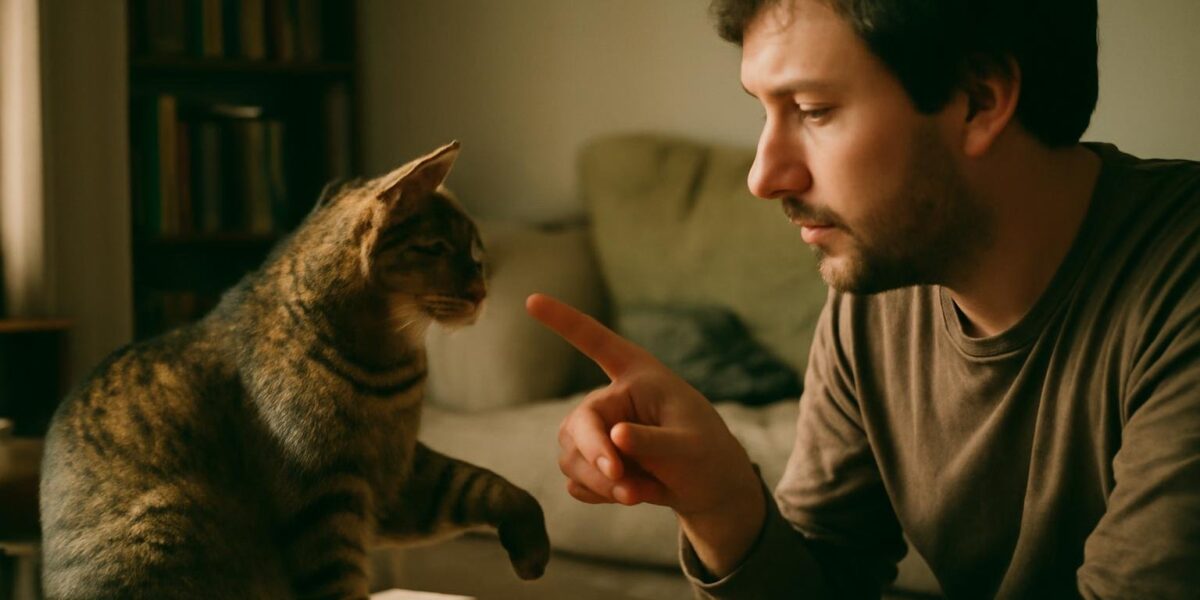
If you wake up to your cat enthusiastically licking your hair and wonder, “Why does my cat lick my hair?”, here is the heartwarming answer: it is almost always a sign of affection and bonding. When a cat licks your hair, they are treating you the way they would a beloved family member of their own kind. This behavior, called allogrooming or social grooming, is how cats care for the companions they trust most. Your hair, with its texture and your personal scent, is especially appealing to groom. So while a tongue in your hairline at 6 a.m. can be a little startling, it is one of the highest compliments a cat can pay you.
In this article
Let us explore the sweet reasons behind hair licking, what is perfectly normal, and the rare situations where excessive licking is worth mentioning to your vet.
Social Grooming: A Sign of Trust and Love
In the wild and in multi-cat homes, cats who get along groom one another. This mutual grooming, known as allogrooming, strengthens social bonds and is reserved for companions a cat genuinely trusts. When your cat grooms you, they have folded you into their inner circle and are treating you as one of their own.
Mother cats groom their kittens from birth, so licking is deeply tied to comfort, care, and nurturing. An adult cat licking your hair may be channeling that same caregiving instinct, essentially mothering you. It is a tender, vulnerable behavior, and the fact that your cat chooses to do it says a lot about how safe they feel with you.
If you want to better understand the many ways your cat shows trust and affection, our cat body language guide breaks down the signals to look for, from slow blinks to kneading.
Scent, Marking, and “You Belong to Me”
Cats live in a world defined by scent. Grooming is not just about cleanliness, it is also about scent exchange. When your cat licks your hair, they pick up your smell and leave a little of their own behind, blending your scents together. This creates a shared “family scent” that marks you as part of their group.
This is closely related to why cats rub their faces and bodies against you. Both behaviors deposit scent and reinforce the bond between you. Your hair holds a lot of your personal scent, plus traces of shampoo, oils, and the salt of sweat, all of which can make it especially interesting to lick. If your cat also rubs on you constantly, our article on why cats rub against you explains the scent-marking side of feline affection.
Taste, Texture, and Habit
Beyond emotion and scent, there are some very practical reasons your hair attracts your cat’s tongue.
Interesting Tastes and Smells
Hair products, natural oils, sweat, and even the residue of your day can leave flavors and scents your cat finds appealing. A cat may lick your hair simply because it tastes or smells interesting to them. If you notice the licking ramps up after you use a particular shampoo or styling product, this is likely the draw.
Texture They Enjoy
The feel of hair against a cat’s rough, papillae-covered tongue can be satisfying, similar to the texture of fur. Some cats are drawn to the sensation itself and will groom hair the way they would another cat’s coat.
Comfort and Routine
For many cats, grooming is self-soothing. Licking your hair while snuggled up can be a calming bedtime or relaxation ritual. If it happens most often during cozy, settled moments, it is part of how your cat winds down and feels secure with you.
A Mealtime or Wake-Up Tactic
Cats are remarkably good at training their humans. If your cat has discovered that licking your hair reliably wakes you up or earns attention, especially first thing in the morning, they may use it as a deliberate strategy. Many owners report a cat that grooms their hair at dawn and then sits back expectantly, waiting for breakfast. If the licking is concentrated around feeding times or when you are trying to sleep, this learned, goal-directed angle is likely part of the picture, and gently not rewarding it is the way to discourage it.
Normal vs. When to Worry
The occasional or even regular grooming session is completely normal and a lovely sign of your bond. The behavior is only worth a second look when licking becomes excessive, compulsive, or is paired with other changes, whether your cat is licking you, themselves, or objects.
Consider checking in with your veterinarian if you notice:
- Licking that has become frantic, constant, and hard to interrupt
- Your cat over-grooming themselves to the point of bald patches or irritated skin
- Excessive drooling alongside the licking
- Signs of stress, such as hiding, appetite changes, or litter box issues
- A sudden change in how much or how intensely your cat grooms
Compulsive licking can sometimes reflect stress, anxiety, or an underlying medical issue, so a big shift in grooming behavior is worth investigating. Our overview of cat stress signs can help you spot whether anxiety might be playing a role.
There is one extra safety angle worth flagging. A cat that compulsively licks and ingests hair, whether yours or their own, can occasionally develop a hairball problem, and persistent ingestion of long human hair could theoretically pose a digestive risk. This is uncommon, but if your cat is genuinely eating mouthfuls of hair rather than just grooming, mention it to your vet. For the vast majority of cats, though, hair licking is a gentle, surface-level grooming gesture with no health downside at all.
How to Respond to Hair Licking
Hair licking is generally harmless, so how you respond is mostly about your own comfort and gently shaping the habit if it becomes too much.
- Enjoy the bonding. If you do not mind it, simply relax and accept the affection. It is a sign of deep trust.
- Redirect gently if needed. If the licking is too much, calmly move away or offer a toy or a scratch session instead. Never scold or punish, which can damage trust.
- Mind your products. If certain hair products trigger heavy licking, switch to unscented or pet-safe options and keep your cat away from hair after applying anything you would not want them ingesting.
- Offer alternative outlets. Plenty of enrichment activities and play give your cat other ways to channel energy and affection so grooming you is not their only outlet.
- Keep an eye on intensity. Monitor for any shift toward compulsive licking, and involve your vet if grooming becomes excessive.
For most households, hair licking is just one of the quirky, endearing ways a cat says “you are my family.” With a little management for product safety and intensity, you can simply savor the affection.
Why Your Hair Specifically?
Of all the parts of you a cat could choose to groom, hair holds a special appeal, and there are several reasons it tends to win out. The texture is the most obvious one: human hair is closer to fur than skin is, so to a cat it feels familiar and groomable. Running their rough tongue through strands mimics the sensation of grooming another cat’s coat.
Scent is the second big draw. Your scalp produces natural oils, and your hair collects the smells of your day along with whatever products you use. All of that makes your hair one of the most scent-rich, information-dense parts of your body, which is exactly what a scent-driven animal wants to investigate and claim. By grooming your hair, your cat both reads your scent and layers their own on top.
Finally, position plays a part. When you lie down to sleep or relax, your head and hair are often right at your cat’s level and conveniently still. A cat looking to bond, settle, and groom will naturally gravitate to whatever is closest and easiest, and a resting human’s hair fits the bill perfectly. Put together, these factors explain why hair so often becomes a cat’s grooming target of choice.
Frequently Asked Questions
Why does my cat lick my hair so much?
Frequent hair licking is usually a strong sign of affection and trust. Your cat is treating you like a fellow cat through social grooming, mingling scents to mark you as family, and possibly enjoying the taste or texture of your hair.
Is it safe to let my cat lick my hair?
It is generally harmless, but be mindful of hair products. Some shampoos, oils, and styling products are not safe for cats to ingest, so keep your cat away from freshly treated hair and consider pet-safe or unscented options if licking is frequent.
Does hair licking mean my cat thinks I am their mom?
In a sense, yes. Grooming is tied to the nurturing bond between mother cats and kittens, so when your cat grooms you they may be expressing that same caregiving, family instinct. It is a tender compliment.
Why does my cat lick my hair and then bite it?
Cats often nibble gently during grooming, just as they would when grooming another cat. Light, gentle nibbling is normal. If the biting becomes hard or aggressive, calmly redirect your cat to a toy.
When should I worry about my cat’s licking?
Be concerned if licking becomes frantic or compulsive, if your cat over-grooms themselves into bald patches, or if it comes with excessive drooling or signs of stress. A sudden change in grooming intensity warrants a vet visit.


