
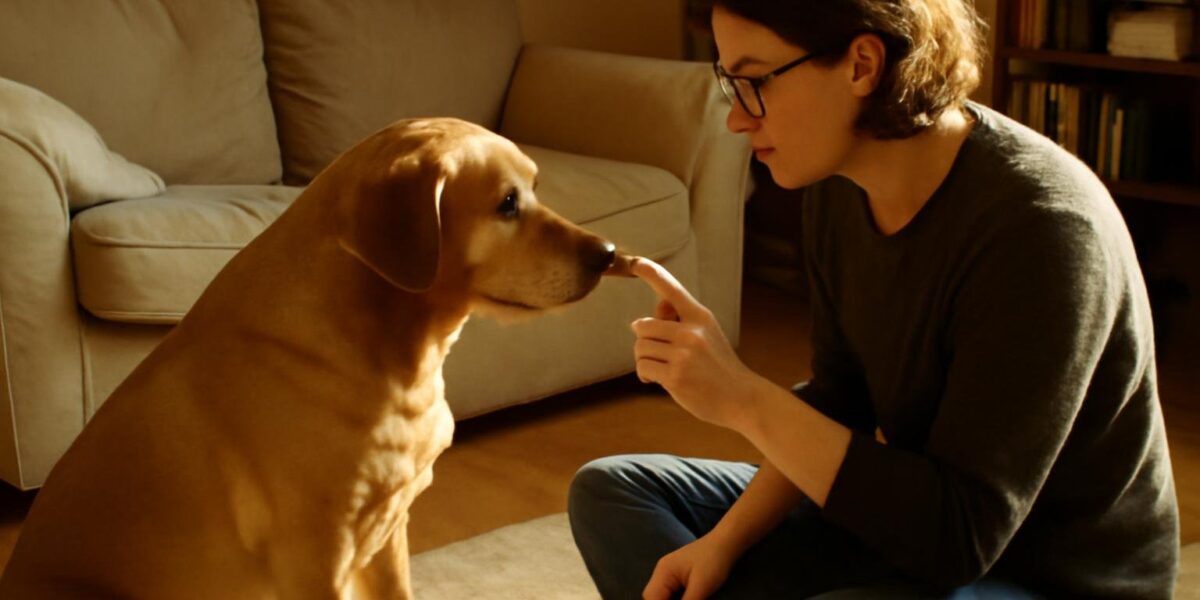
If your dog lets out a burst of little sneezes mid-romp and you wonder why does my dog sneeze when playing, you can relax. This is a completely normal and rather delightful behavior known as “play sneezing.” Dogs commonly sneeze during excited, happy play as a way of communicating that everything is fun and friendly. It is a social signal, not a sign of illness, and it shows your dog is enjoying himself. For the vast majority of dogs, play sneezing is nothing to worry about at all.
In this article
Understanding why dogs do this, and how to tell harmless play sneezes from sneezing that might point to a health issue, helps you appreciate the behavior and know when, rarely, to take a closer look.
What Is Play Sneezing?
Play sneezing is exactly what it sounds like, short, often repeated sneezes that happen specifically during play and excitement. You will usually see it when your dog is wrestling with another dog, playing chase, or having a wild, happy game with you. The sneezes tend to come in little bursts and stop as soon as the excitement settles.
These are not the same as a typical “something is in my nose” sneeze. They are voluntary or semi-voluntary and tied to the emotional state of play. Many dogs sneeze with their mouths slightly open and noses wrinkled, right in the thick of the action. It is one of the many charming ways dogs express joy.
Why Dogs Sneeze During Play
There are a few overlapping explanations for play sneezing, and they all point to the same happy conclusion:
- Communication: Play sneezing is widely understood as a calming or appeasement signal that tells a playmate, “This is just play, I am not serious.” It helps keep rough-and-tumble games from being misread as real aggression.
- Excitement: The sheer arousal of play can trigger sneezing. It is a physical release of happy energy, a bit like a person laughing.
- Wrinkled nose: When dogs play, especially with that open-mouthed “play face,” they often wrinkle their noses, which can mechanically trigger a sneeze.
Because play sneezing functions as a social cue, it fits neatly alongside the other peace-keeping behaviors dogs use. Our guide to calming signals in dogs explains how sneezing, lip-licking, and turning away all help dogs communicate good intentions during interactions.
Reading the Whole Picture
The best way to confirm that your dog’s sneezing is happy play sneezing is to look at the surrounding behavior. Play sneezes come with loose, bouncy, joyful body language, including a wagging tail, play bows, relaxed faces, and an obvious eagerness to keep playing.
If you ever want to double-check that a play session is friendly for all the dogs involved, reading body language is your best tool. Our dog body language guide helps you confirm that everyone is having fun and that the sneezing is part of healthy, well-matched play rather than a stressed reaction.
Play Sneezing Versus Other Kinds of Sneezing
It helps to know how play sneezing differs from the other reasons dogs sneeze, so you can quickly tell a happy sneeze from one worth investigating. A normal irritant sneeze happens when dust, pollen, a blade of grass, or a strong scent tickles the nose. It is a one-off reflex to clear the nostril and is not tied to any particular mood.
Allergy-related sneezing tends to be more frequent and may come with watery eyes, an itchy face, or seasonal patterns. Infection-related sneezing usually brings nasal discharge, congestion, and other signs of feeling unwell. And a foreign object lodged in the nose typically causes sudden, intense, often one-sided sneezing along with pawing at the face.
Play sneezing stands apart from all of these because it is bound to the context of fun. It appears only during excited play, stops the moment the game ends, and never comes with discharge, distress, or other symptoms. Once you have seen the pattern a few times, the playful version is easy to recognize and reassuring to watch.
Do Some Dogs Play Sneeze More Than Others?
Just as some people laugh more easily than others, some dogs are far more enthusiastic play sneezers. Highly social, playful dogs who throw themselves into wrestling and chase games tend to sneeze the most, simply because they reach those peaks of happy arousal more often. If your dog is a big, joyful player, frequent play sneezing is right on brand.
Facial structure can influence it too. Dogs who naturally wrinkle their noses during their “play face” may trigger more sneezes through that physical motion. Some flat-faced breeds also snort and sneeze more readily because of their airway shape, though that can blur the line with reverse sneezing, which we cover below.
On the other end, a more reserved dog who plays gently may rarely play sneeze at all, and that is equally normal. The amount of play sneezing simply reflects your dog’s individual play style and personality, not their health. What matters is the happy context, not the frequency.
Is It Normal, or Should I Worry?
Sneezing that happens only during play, stops when play stops, and comes with happy body language is completely normal and needs no intervention. You should pay closer attention only if sneezing shows up in other contexts or comes with additional symptoms. Watch for:
- Frequent sneezing outside of play, especially repeated or violent sneezing fits
- Nasal discharge, particularly if it is thick, bloody, or one-sided
- Reverse sneezing episodes that are prolonged or distressing (rapid snorting inhalations)
- Pawing at the nose or face, which can suggest something is lodged in the nostril
- Other signs of illness such as coughing, lethargy, or appetite loss
These signs suggest the sneezing may be due to allergies, irritants, infection, a foreign object, or another issue rather than happy play.
When to See a Vet
Play sneezing itself almost never warrants a vet visit. However, contact your veterinarian if your dog sneezes frequently outside of play, has nasal discharge or bleeding, paws persistently at his nose, or shows other symptoms of illness. Sudden, intense, or one-sided sneezing in particular can indicate a foreign body in the nose, which needs prompt attention.
Brachycephalic (flat-faced) breeds like Pugs, Bulldogs, and Boston Terriers are also more prone to snorting and reverse sneezing due to their airway shape, and while usually harmless, any breathing difficulty deserves a vet check. Keeping a home pet first aid and emergency station ready helps you respond calmly to any unexpected respiratory event.
What You Can Do
For normal play sneezing, the main thing you can do is enjoy it. To keep play healthy and confirm everything is fine:
- Let the play continue. Play sneezing is a green light that your dog is having fun, so there is no need to interrupt it.
- Keep play balanced. Watch that both dogs are enjoying the game and take breaks if arousal gets too high.
- Provide plenty of outlets. Regular enrichment and play gives your dog healthy ways to express all that happy energy.
- Note any changes. If sneezing starts happening outside of play or comes with other symptoms, jot it down and mention it to your vet.
- Reduce irritants. Keep play areas free of dust, smoke, and strong scents that could trigger genuine sneezing.
If you have more than one dog, you may even notice play sneezing become a little contagious, with one dog’s happy sneezes prompting the other to join in. This back-and-forth is part of the rich communication that keeps multi-dog play friendly and well regulated, and it is lovely to watch once you know what you are seeing. The sneezes help both dogs keep the mood light and reassure each other that the wrestling is all in good fun.
For most dogs, a few play sneezes are simply the sound of a joyful, well-socialized pup having the time of his life. It is one of the happiest noises in the dog world.
Frequently Asked Questions
Is play sneezing a sign that my dog is sick?
No. Play sneezing tied to excited play, with happy body language and no other symptoms, is normal and healthy. It is a social signal, not a sign of illness.
Why does my dog sneeze right in another dog’s face during play?
That is play sneezing acting as a communication cue, telling the other dog, “This is just fun, not real fighting.” It helps keep rough play friendly and avoids misunderstandings.
What is the difference between play sneezing and reverse sneezing?
Play sneezing is short, normal sneezes during fun. Reverse sneezing is a series of rapid, snorting inhalations, common in small and flat-faced breeds, that usually passes quickly but is worth a vet mention if frequent.
Should I stop my dog from sneezing during play?
No need at all. Play sneezing is harmless and a sign your dog is enjoying himself. Simply let the play continue and enjoy the happy sounds.
When should sneezing actually concern me?
Be concerned if your dog sneezes frequently outside of play, has nasal discharge or bleeding, paws at his nose, or shows other illness signs. These can indicate allergies, infection, or a foreign object and warrant a vet visit.


