
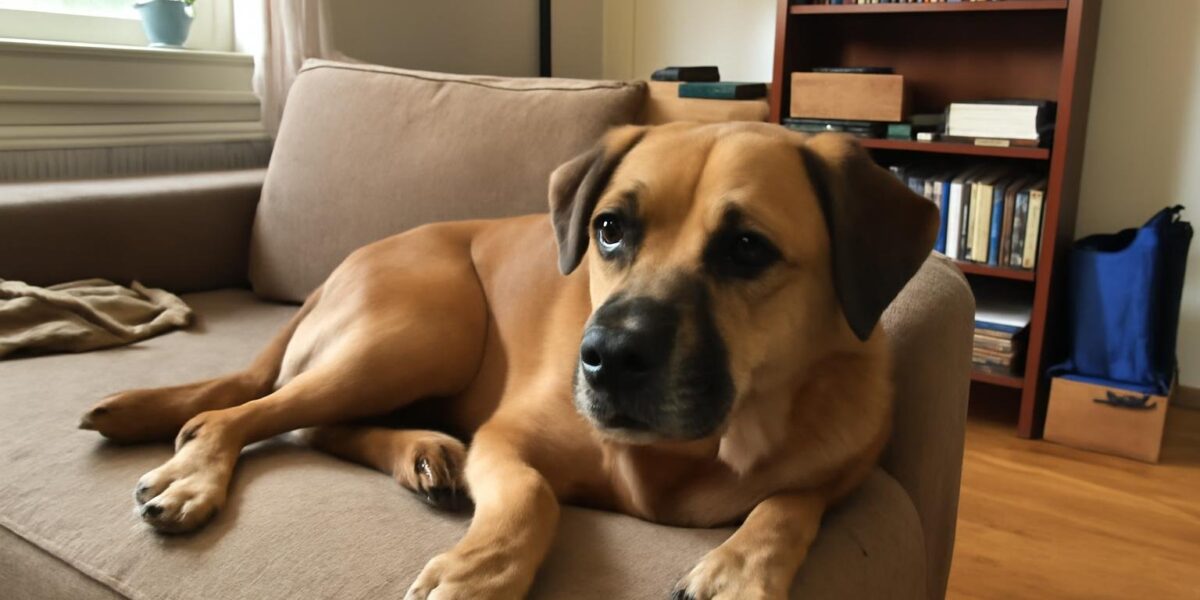
If you are asking why is my dog breathing fast while sleeping, here is the key thing to know: brief, fast, twitchy breathing during active dreaming (the REM stage of sleep) is completely normal and harmless, but genuinely fast breathing while your dog is in a calm, deep sleep can be an early warning sign of heart or lung disease, including heart failure. So the answer depends entirely on whether your dog is dreaming or truly resting. The single most useful thing you can do is learn to count your dog’s resting respiratory rate, because that number, more than anything, tells you whether to relax or to call your vet.
In this article
Below we explain how to count breaths the right way, what is normal, the red flags that mean act now, and what to monitor at home. This is one symptom where a simple measurement can give you real peace of mind, or prompt a timely, possibly lifesaving, vet visit.
The Most Important Tool: Counting Resting Respiratory Rate
A dog’s resting respiratory rate is how many breaths they take per minute while sleeping calmly or resting quietly, not while dreaming, panting, or recently active. It is one of the best early indicators of heart and lung health, and you can check it at home.
- Wait until your dog is in a calm, deep sleep (not twitching or running in a dream).
- Watch the chest rise and fall. One full rise-and-fall counts as one breath.
- Count the breaths for 30 seconds and multiply by two, or count for a full minute.
The rule to remember: a resting respiratory rate consistently above 30 breaths per minute is abnormal and a reason to call your vet, especially in a calmly sleeping dog. Most healthy dogs rest at roughly 15 to 30 breaths per minute. If you track the rate over several days and it is creeping up while your dog is calm, that trend matters and should be reported to your veterinarian without delay.
What makes this number so valuable is that it is objective. Worry and a beating heart can make any owner feel their dog is breathing “too fast,” but a counted rate cuts through that uncertainty. It also catches problems early. In dogs developing heart failure, the resting respiratory rate often begins to climb days before any obvious distress appears, which gives you a window to get treatment started before your dog is in crisis. For that reason, many veterinary cardiologists ask owners of dogs with heart conditions to log the sleeping rate at home, and they treat a sustained rise as a reason to adjust medication. Even for a healthy dog, knowing your dog’s normal resting number gives you a baseline to compare against if you ever feel something is off.
Normal, Harmless Reasons for Fast Breathing in Sleep
Plenty of fast-breathing-in-sleep moments are completely benign:
- Dreaming (REM sleep). During active dreams, dogs often breathe rapidly, twitch their legs, whimper, or move their paws as if running. This is normal and passes as the sleep cycle shifts. The breathing is fast but the dog is clearly dreaming, not calmly resting.
- Puppies breathe faster than adults, and their rates can look quick during sleep.
- Recent activity or warmth. If your dog fell asleep soon after play or in a warm room, their breathing may stay quick for a while as they cool down.
- Excitement or a vivid dream cycle can briefly raise the rate.
The reassuring picture is fast breathing that comes with obvious dream signs, or that settles within a minute or two into a slow, steady rhythm. The concerning picture is fast breathing in a still, deeply calm dog with no twitching.
To tell the two apart confidently, watch your dog for a couple of minutes rather than glancing once. Dreaming comes in waves: the fast breathing surges during an active dream and then eases as the dog drifts into deeper, quieter sleep, often within thirty seconds to a couple of minutes. You will usually see other dream signs alongside it, such as eyelids fluttering, whiskers or lips twitching, soft whimpers, or paddling paws. True problem breathing does the opposite. It persists steadily even when the dog is perfectly still and relaxed, with no dream movements, and it does not settle on its own. If you are unsure, wait until your dog is in that still, dreamless phase and count the rate then; that count is the one that matters.
Causes That Need Veterinary Attention
When fast resting breathing is real and persistent, the possibilities include serious conditions:
- Heart disease and heart failure. A rising resting respiratory rate is often the earliest sign of fluid building in or around the lungs from a failing heart. This is exactly why the over-30 rule matters.
- Lung disease, such as pneumonia, fluid, or other conditions reducing oxygen exchange.
- Pain or discomfort, which can quicken breathing even at rest.
- Anemia, where fewer red blood cells force faster breathing to deliver oxygen.
- Fever or metabolic conditions that raise the body’s demand for oxygen.
You are not diagnosing which one it is. The takeaway is that a consistently high resting rate, or fast breathing with any other symptom, warrants a vet visit.
When to See a Vet or Treat It as an Emergency
Seek veterinary care immediately, treating it as an emergency, if your dog shows any of these:
- Labored breathing, heaving sides, or obvious effort to breathe at rest.
- Blue, purple, or pale gums or tongue, indicating low oxygen.
- Stretching the neck out, elbows pushed away from the body, or refusing to lie down to breathe more easily.
- Coughing up pink, frothy fluid.
- Collapse, extreme weakness, or open-mouth gasping in a dog that is not hot.
Knowing dog CPR and first aid can help if your dog stops breathing on the way to the clinic, and a stocked home pet first-aid and emergency station keeps you ready. Also call your vet promptly (same day) if your dog’s resting respiratory rate is consistently above 30 while calmly asleep, if it is steadily climbing over days, or if fast breathing comes with coughing, tiring easily, reduced appetite, or restlessness at night. If your dog also seems unable to settle, our note on why a dog pants and seems restless may help you describe it.
What You Can Do at Home While You Monitor
For a dog that breathes fast only during obvious dreaming and is otherwise healthy, you mainly need to observe. Home monitoring supports, but does not replace, veterinary care, especially when heart or lung disease is possible.
- Track the resting respiratory rate a few times a week while your dog sleeps calmly, and keep a simple log. A rising trend is the signal to call your vet.
- Do not wake a dreaming dog abruptly, as startled dogs can react defensively; let the dream pass.
- Keep the sleeping area cool and comfortable so warmth is not driving the breathing.
- Note any accompanying signs: coughing, reduced stamina, restlessness, or gum color changes.
If your dog has known heart disease, your vet may ask you to monitor the resting rate at home regularly, as it is one of the most reliable early-warning tools available to owners. A simple approach is to count the sleeping rate at the same time each evening, jot it in a notebook or phone app, and bring the log to appointments. Many owners are surprised how much reassurance this small habit provides, and how clearly a worrying trend stands out when the numbers are written down.
When you do call your vet, the most useful things to report are the counted resting rate, how many days any rise has been going on, and whether your dog has any companion signs such as coughing, tiring on walks, reduced appetite, restlessness at night, or a swollen belly. Avoid giving any human medication in an attempt to ease breathing, as nothing in a human medicine cabinet is appropriate for a dog in respiratory distress and some products are dangerous. The right response to genuinely fast resting breathing is a prompt veterinary call, not home treatment.
Frequently Asked Questions
What is a normal breathing rate for a sleeping dog?
Most healthy dogs rest at about 15 to 30 breaths per minute while calmly asleep. A rate consistently above 30 in a calm, deeply sleeping dog is abnormal and a reason to contact your vet, since it can be an early sign of heart trouble.
How do I tell dreaming from real fast breathing?
Dreaming dogs usually twitch, paddle their legs, whimper, or move their eyes, and the fast breathing passes within a minute or two. Concerning fast breathing happens in a still, calm dog with no dream signs and stays elevated. Count the rate during true rest to be sure.
Should I wake my dog if they are breathing fast in their sleep?
If they show clear dream signs, let them be, as it is normal and waking a dreaming dog can startle them. If breathing is fast and labored in a calm dog, gently rouse them, recount the rate at rest, and call your vet if it stays high.
Can puppies breathe fast while sleeping?
Yes, puppies naturally breathe faster than adult dogs, and their sleep breathing can look quick. Still, count the resting rate and watch for any effort, coughing, or blue gums, and check with your vet if anything seems off.
Is fast sleep-breathing always heart-related?
No. It can be normal dreaming, warmth, or recent activity, and other causes include pain, lung disease, anemia, and fever. Because heart disease is one possibility and is serious, a consistently high resting rate always deserves a veterinary check.


