
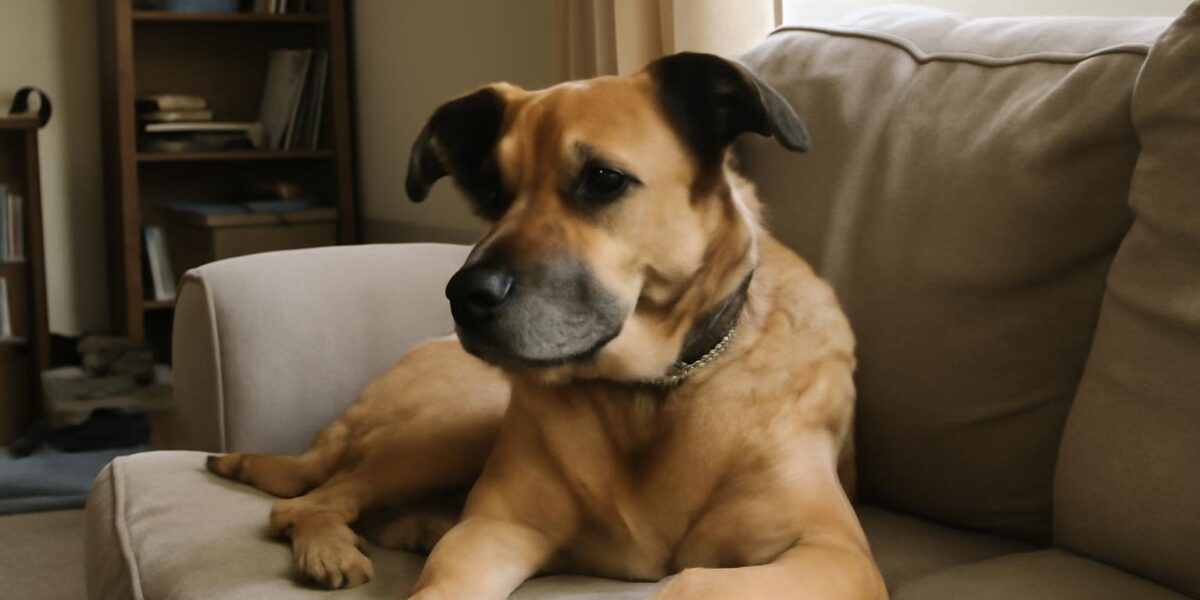
If you are asking why is my dog panting and restless, it is worth knowing that this combination can range from completely harmless to a genuine emergency, so it deserves a careful look. Often the cause is something manageable like heat, excitement, or anxiety. But heavy panting paired with pacing, an inability to settle, a bloated belly, pale gums, or signs of distress can point to pain, overheating, or a life-threatening condition and warrants an urgent vet call. This guide helps you tell the difference and act with confidence.
In this article
Normal vs. Concerning Panting
Panting is how dogs cool themselves and recover after exertion, so some panting is completely normal. After a walk, on a warm day, or during play, you should expect open-mouthed breathing that settles within ten to thirty minutes of rest. Healthy panting looks relaxed, with a loose, open mouth and an even rhythm, and your dog can stop and start it easily, for example pausing to listen or take a treat.
What raises concern is panting that appears for no obvious reason, does not ease with rest, or comes alongside restlessness. When a dog cannot get comfortable, repeatedly stands up and lies down, paces the room, or seems unable to relax, the body is often signaling discomfort, stress, or a physical problem that needs attention.
So when you ask why is my dog panting and restless, the first thing to assess is context. Is it hot, did your dog just exercise, or is something genuinely off?
It also helps to look at your dog’s overall picture rather than the panting alone. A dog who pants briefly after fetch but then flops down happily and falls asleep is behaving normally. A dog who pants heavily while standing in a cool room, eyes wide, repeatedly shifting position and unable to lie down, is telling you something different. The same symptom carries very different weight depending on what surrounds it, which is why context matters so much before you decide how worried to be.
Common Causes of Panting and Restlessness
Several everyday situations can leave a dog panting and unable to settle. The most common include:
- Heat and exertion. Warm weather, a heavy coat, or recent activity all drive panting as a cooling response.
- Anxiety and stress. Thunderstorms, fireworks, travel, or changes at home can cause panting, pacing, and an inability to relax.
- Pain. Hidden discomfort from an injury, arthritis, a dental problem, or an upset stomach often shows up as restlessness and panting rather than obvious limping or crying.
- Nausea or digestive upset. Dogs who feel queasy frequently pace, drool, and pant before vomiting.
- Medication side effects. Some drugs, especially steroids, increase panting and thirst.
If anxiety is the likely trigger, learning to read your dog’s stress signals helps you intervene early. Our guides to calming signals in dogs and the broader dog body language guide explain the subtle cues that often precede panting and pacing.
Pain deserves special mention because it is so easy to miss. Dogs evolved to hide weakness, so they rarely cry out or limp dramatically when something hurts. Instead, discomfort often leaks out as panting, pacing, and an inability to get comfortable, sometimes with subtle clues like a hunched back, a tucked tail, or reluctance to be touched in a certain spot. If your dog is panting and restless for no obvious environmental reason, hidden pain should be high on your list, and it is one of the most common reasons a vet visit turns up something treatable.
Emergency Causes You Cannot Ignore
Some causes of sudden, heavy panting and restlessness are true emergencies. Contact a veterinarian or emergency clinic immediately, without waiting to see if it passes, if your dog shows any of these:
- Bloat (GDV). A swollen, hard belly, unproductive retching, drooling, and severe restlessness can signal a twisted stomach. This is a rapidly fatal emergency, most common in large, deep-chested breeds.
- Heatstroke. Frantic panting, bright red gums, drooling, weakness, or collapse after heat or exercise needs immediate cooling and emergency care.
- Pale, blue, or gray gums. These suggest a problem with oxygen or circulation and require urgent attention.
- Collapse, severe weakness, or labored breathing at rest. These can point to heart or lung disease and should never wait.
- Signs of severe pain. Trembling, hunching, crying out, or guarding the belly alongside panting.
If you are ever unsure how serious things are, it is safer to call. A quick description of the symptoms over the phone can help an emergency team tell you whether to come in right away.
What You Can Do at Home
If your dog is panting and restless but otherwise alert, with normal pink gums and no emergency signs above, you can take a few calming, common-sense steps while you monitor. The goal is to remove obvious triggers, watch closely, and gather information rather than to treat the symptom directly.
- Cool things down. Move your dog to a cooler, shaded room, offer fresh water, and never leave a dog in a hot car or yard.
- Lower the stress. Dim the lights, reduce noise, and create a quiet, safe space if anxiety seems to be the trigger.
- Check for obvious pain. Gently look for swelling, wounds, sore paws, or a tender belly, but stop if your dog reacts in pain.
- Note the timeline. Record when the panting started, what preceded it, and any other symptoms to share with your vet.
Keeping a small first-aid kit on hand makes these moments far less stressful. Our home pet first-aid and emergency station guide explains what to stock and how to act calmly when something feels off.
One simple skill worth learning is how to check your dog’s gums and capillary refill. Lift the lip and look at the gums, which should be a healthy bubblegum pink and moist. Press a fingertip gently against the gum until it blanches white, then release; color should return within about two seconds. Pale, gray, blue, or brick-red gums, or a slow refill, are reasons to stop monitoring and call your vet straight away. Knowing this baseline turns a vague worry into concrete information you can act on.
When to Call the Vet for Ongoing Episodes
Even without an obvious emergency, repeated or unexplained panting and restlessness deserves a veterinary visit. Chronic episodes can point to pain, heart disease, hormonal conditions like Cushing’s disease, or anxiety that would benefit from a treatment plan.
Make an appointment if the behavior happens regularly, worsens over time, disrupts sleep, or comes with other changes such as increased thirst, weight changes, coughing, or reluctance to exercise. The earlier a chronic cause is identified, the more comfortable your dog will be.
Age and breed also shape how concerned to be. Older dogs are more prone to arthritis pain, heart disease, and hormonal conditions that show up as panting and restlessness, so a new pattern in a senior dog deserves prompt attention. Flat-faced breeds such as bulldogs and pugs pant more easily and overheat faster, which means heavy panting in these dogs warrants extra caution in warm weather. Bringing a short video of the episode to your appointment helps enormously, since the behavior may not appear in the exam room. If the restlessness rather than the panting is the dominant feature, our companion look at why dogs become restless and cannot settle digs further into nighttime pacing and related patterns.
Frequently Asked Questions
Why is my dog panting and restless at night?
Nighttime episodes often stem from pain, anxiety, or feeling too warm. Older dogs may pace at night due to arthritis or cognitive changes. If it happens repeatedly, mention the nighttime pattern to your vet.
Can anxiety alone cause heavy panting?
Yes. Stress from storms, fireworks, separation, or change can trigger significant panting and pacing. Reducing the trigger usually helps, but persistent anxiety is worth discussing with your vet.
How do I know if it is bloat versus normal panting?
Bloat involves a swollen, hard belly, unproductive retching, drooling, and severe distress. This is a life-threatening emergency. Normal panting eases with rest and is not accompanied by a distended abdomen.
Should I give my dog anything to calm the panting?
Do not give human medications. Focus on cooling, quiet, and comfort, and call your vet for guidance. They can prescribe safe calming aids or treat an underlying cause if needed.
How can I tell if the panting is from heat or from pain?
Heat-related panting usually eases once your dog cools down and rests in a shaded, ventilated spot. Pain-related panting tends to persist regardless of temperature and often comes with a hunched posture, reluctance to be touched, or restlessness. If cooling does not help, suspect pain or another cause and contact your vet.
Is panting and restlessness in an older dog normal?
It can have more causes in seniors, including arthritis pain, heart disease, hormonal conditions, and cognitive changes. A new or worsening pattern of panting and pacing in an older dog deserves a veterinary check rather than being written off as aging.


