
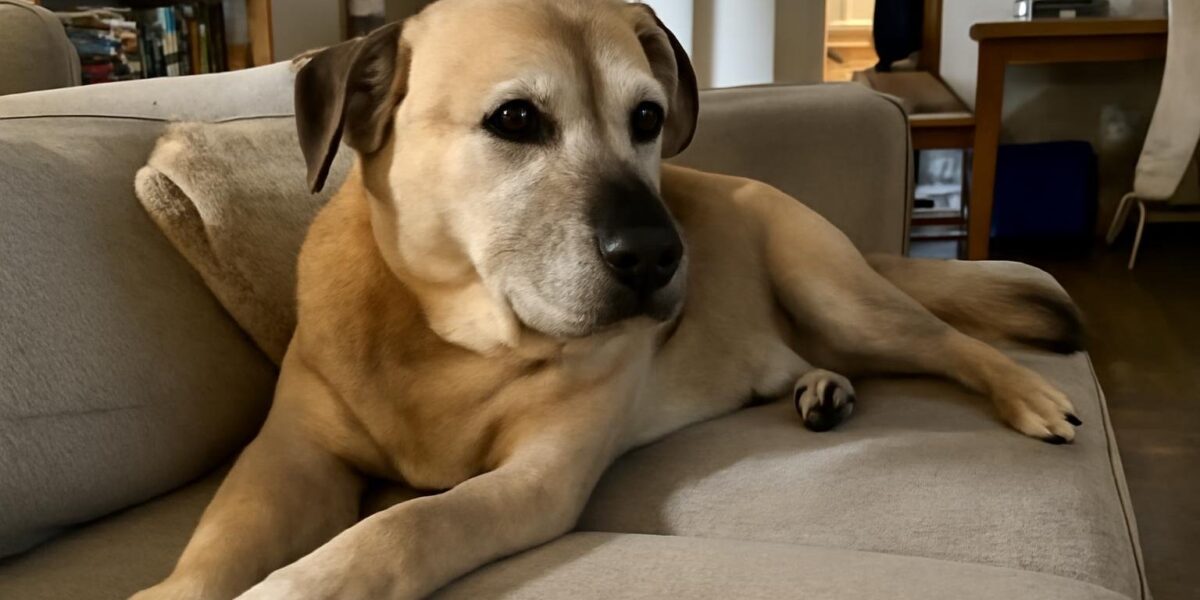
If you are searching why is my dog walking in circles, it is important to take this symptom seriously. While occasional circling before lying down or chasing a tail is normal, repetitive, compulsive, or sudden circling, especially in one direction, can signal a neurological problem, an inner ear issue, or even a toxin and should prompt a prompt veterinary visit. If the circling comes with a head tilt, disorientation, loss of balance, or appears suddenly in an older dog, treat it as urgent and contact your vet right away. This guide explains the likely causes and what to do.
In this article
Normal Circling vs. Concerning Circling
Dogs circle for harmless reasons all the time. Turning a few times before settling into bed is an instinct inherited from wild ancestors who flattened grass and checked their surroundings. A burst of tail-chasing during play is also usually nothing to worry about.
What concerns a veterinarian is circling that looks different from your dog’s normal behavior: tight, repetitive loops, always turning the same direction, pacing in circles for long stretches, or circling paired with confusion or imbalance. When you ask why is my dog walking in circles and the answer is not simple pre-nap turning, it is time to look more closely at the underlying cause.
One detail worth noting is the direction of the circling. Compulsive circling that always goes the same way, particularly toward one side, can suggest a problem on that side of the body or brain and is more concerning than loose, random turning. Tight circling in small loops is generally more worrying than wide, lazy arcs. The more fixed, repetitive, and directional the pattern looks, the more it points to a medical cause rather than a behavioral quirk, which is exactly the kind of detail your vet will want to know.
Possible Causes of Circling
Circling that is not normal settling behavior can stem from several conditions, ranging from mild to serious:
- Vestibular disease. The vestibular system controls balance. When it is disrupted, dogs may circle, tilt the head, lose coordination, and have flicking eye movements. Older dogs can develop a form that often improves with time, but it still needs a vet’s evaluation.
- Ear infections. A deep or inner ear infection can affect balance and trigger circling, head shaking, and a head tilt.
- Neurological issues. Problems in the brain, including inflammation, stroke-like events, or tumors, can cause directional circling, especially in senior dogs.
- Toxins. Some poisons and certain medications cause disorientation and circling. If your dog may have ingested something, this becomes an emergency.
- Cognitive dysfunction. In older dogs, canine cognitive decline can cause aimless wandering, pacing, and circling, often worse in the evening.
Because circling can reflect anything from a treatable ear infection to a serious brain issue, it is not a symptom to monitor indefinitely on your own. A vet can examine your dog’s ears, eyes, balance, and reflexes to find the source.
It helps to watch for symptoms that travel together. Circling with a head tilt and flicking eyes strongly suggests the vestibular system, the balance apparatus in the inner ear and brainstem. Circling with trembling, disorientation, or strange behavior can point toward a neurological event or a toxin; if your dog is also shaking or seems generally off, our guide to dog shaking and trembling can help you describe what you are seeing. Circling that comes and goes with no balance loss, especially in a young dog, is sometimes anxiety-driven or compulsive, though it still deserves a vet’s opinion to rule out medical causes first.
When Circling Is an Emergency
Some presentations of circling demand immediate veterinary care. Contact your vet or an emergency clinic right away, without waiting, if circling appears alongside any of these:
- A pronounced head tilt, stumbling, or falling over
- Sudden disorientation, confusion, or not recognizing familiar people or rooms
- Rapid, flicking eye movements
- Seizures, collapse, or sudden weakness on one side
- Vomiting with severe loss of balance
- Any chance your dog ate a toxin, medication, or unknown substance
Sudden onset, particularly in a senior dog, is a red flag because it can indicate a vestibular event, a stroke-like episode, or another neurological emergency. When in doubt, call. Describing the circling direction, head position, and any other symptoms helps the clinic prioritize your visit. Keeping a basic plan and supplies ready, as outlined in our home pet first-aid and emergency station guide, makes urgent moments more manageable.
What to Do at Home Before the Vet Visit
If your dog is circling but stable, and you have ruled out the emergency signs above, you can take a few supportive steps while you arrange a prompt appointment.
- Prevent falls and injury. Block stairs, move sharp furniture aside, and stay close so your dog does not stumble into hazards.
- Keep the environment calm. Reduce noise and bright lights, which can worsen disorientation, and guide your dog gently rather than forcing movement.
- Record a video. A short clip of the circling is enormously helpful for your vet, since the behavior may not appear in the exam room.
- Check the ears and note other symptoms. Look for discharge, odor, or head shaking, and write down when the circling started and how often it happens.
Avoid offering food or water if your dog seems severely disoriented or unsteady, to reduce the risk of choking, and never give human medications to settle the behavior.
While you wait, gather a few pieces of information your vet will ask for. Note when the circling first appeared and whether it came on suddenly or built up gradually. Record how often it happens, whether it is getting better or worse, and whether your dog can still walk straight, eat, and respond to you normally between episodes. Think back to anything unusual in the last day or two, such as access to chemicals, medications, plants, or trash, since exposure to a toxin changes the urgency entirely. The more complete your account, the faster your vet can zero in on the cause.
Circling in Senior Dogs
In older dogs, circling and aimless wandering are sometimes linked to cognitive dysfunction, a condition similar to dementia in people. Affected dogs may pace, stare at walls, seem lost in familiar spaces, and have disrupted sleep, often circling more in the evening.
While cognitive decline is not an emergency, it should still be diagnosed by a vet, who can rule out other causes and recommend supportive care. Diet adjustments, mental enrichment, predictable routines, and certain medications can meaningfully improve quality of life. If your senior dog’s circling comes with other changes such as new restlessness, low energy, or trouble settling, tracking those patterns will help your vet build the full picture. Our companion guide to why a dog might be acting lethargic can help if your dog also seems flat or withdrawn alongside the circling.
Supporting a senior dog with cognitive changes is very doable once you have a diagnosis. Keep furniture and food bowls in the same places so your dog can navigate familiar spaces, use nightlights to ease evening disorientation, and stick to a steady daily rhythm of meals, walks, and rest. Gentle mental stimulation, like food puzzles and short training games, helps keep the aging brain engaged. None of this stops the circling overnight, but combined with your vet’s recommendations it can noticeably improve your dog’s comfort and confidence.
Frequently Asked Questions
Is it normal for my dog to circle before lying down?
Yes. Turning a few times before settling is a normal, instinctive behavior. Concern arises when circling becomes repetitive, compulsive, always in one direction, or comes with disorientation or imbalance.
Why is my dog walking in circles and seems confused?
Circling with confusion can indicate vestibular disease, an inner ear problem, a neurological issue, or a toxin. In senior dogs it may reflect cognitive decline. This combination warrants a prompt vet visit.
Can an ear infection make my dog walk in circles?
Yes. A deep or inner ear infection can affect balance and cause circling, head tilting, and head shaking. A vet can examine the ears and treat the infection.
Should I go to the emergency vet for circling?
Seek emergency care if the circling is sudden, comes with a head tilt, falling, seizures, or severe disorientation, or if a toxin is possible. When unsure, call your vet for guidance.
Does old dog vestibular disease go away on its own?
The form older dogs commonly develop often improves over days to a couple of weeks with supportive care, but it still needs a veterinary diagnosis to confirm the cause and rule out more serious problems. Your vet can also help manage nausea and prevent injury during recovery.
Why does my dog circle more in the evening?
Evening or nighttime circling and pacing in a senior dog can be a sign of canine cognitive dysfunction, which tends to worsen as the day winds down. Mention the timing to your vet, since it helps distinguish cognitive changes from other causes.


