
Last updated: April 26, 2026
In this article
- Normal Shaking: After Water and Excitement
- Cold Temperature
- Fear and Anxiety
- Pain and Discomfort
- Nausea and Digestive Upset
- Old Age Tremors
- Toxin Exposure and Poisoning
- Neurological Causes
- Generalized Tremor Syndrome (GTS) / White Shaker Syndrome
- When to See the Vet Immediately
- Small Breeds That Shake More
- How to Help a Shaking Dog at Home
Dog Shaking and Trembling: Causes & When to Worry
If your dog is shaking or trembling, it can be alarming — especially if it seems to come out of nowhere. The truth is that dog shaking and trembling can mean many different things, from something perfectly normal to a sign that something is seriously wrong. Understanding the difference between harmless shaking and a medical emergency is one of the most important things you can do as a responsible pet owner.
In this guide, we’ll cover all the common and not-so-common reasons why dogs shake, which breeds are more prone to trembling, and the warning signs that mean you should call your veterinarian right away.
Normal Shaking: After Water and Excitement
Not all shaking is cause for concern. In fact, some of the most common reasons dogs shake are completely normal and healthy behaviors.
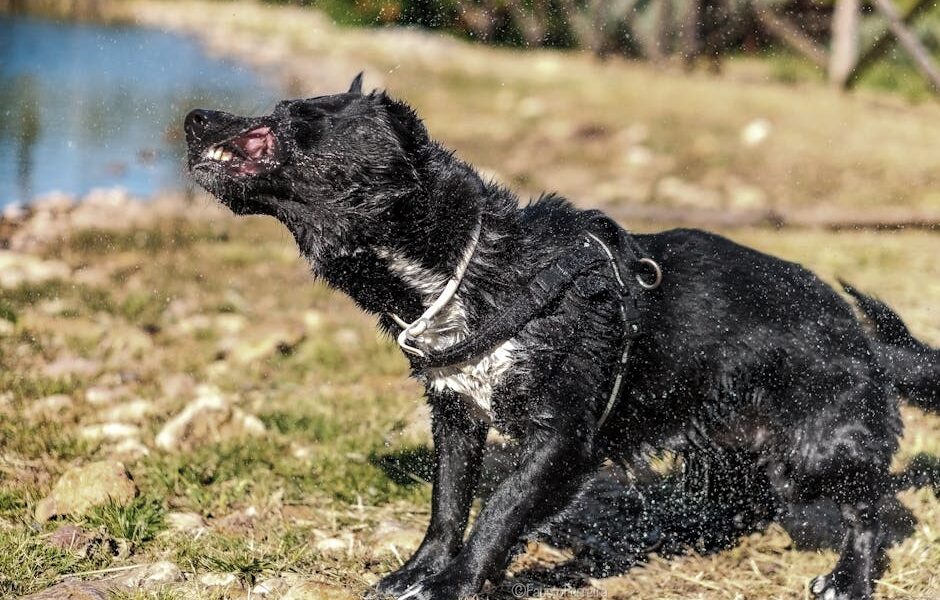
The classic full-body shake after getting wet is one of the most recognizable dog behaviors around. This rapid oscillating motion is remarkably efficient — researchers have found that a wet dog can remove about 70% of the water from its fur in just a few seconds by shaking. This instinctive behavior helps dogs regulate their body temperature and avoid the energy cost of staying wet. From tiny Chihuahuas to massive Great Danes, every dog does it, and it’s nothing to worry about.
Excitement shaking is another perfectly normal behavior. Many dogs tremble or vibrate with excitement when they see their owner come home, when it’s time for a walk, or when they spot a favorite toy. This kind of shaking is usually accompanied by a wagging tail, alert ears, and overall happy body language. It’s most common in high-energy and smaller breeds, and it typically stops once the initial burst of excitement passes.
You may also notice your dog shaking during sleep. Twitching, paddling legs, and mild trembling during sleep are signs of REM sleep — the stage when dogs dream. This is entirely normal and is actually a sign that your dog is getting quality rest. Unless the movements are violent or your dog seems distressed upon waking, sleep twitching is nothing to worry about.
Cold Temperature
Just like humans, dogs shiver when they’re cold. Shivering is the body’s natural mechanism for generating heat through rapid muscle contractions. While dogs have fur coats, not all coats are created equal, and many dogs are quite susceptible to feeling cold.
Short-haired breeds, small dogs, lean breeds with low body fat (like Greyhounds and Whippets), puppies, and senior dogs are all more vulnerable to cold temperatures. If your dog is shaking on a chilly day, during a winter walk, or in an air-conditioned room, temperature is likely the cause.
The solution is straightforward: provide warmth. Move your dog to a warmer area, offer a blanket or dog sweater, and limit time outdoors in extreme cold. If the shaking stops once your dog warms up, you can be confident that cold was the cause. However, if your dog shivers constantly even in warm environments, something else may be going on, and a veterinary checkup is a good idea.
Fear and Anxiety
Fear and anxiety are among the most common reasons for dog shaking and trembling. Dogs can’t tell us when they’re scared, but their bodies give clear signals, and shaking is one of the biggest.
Common triggers for anxiety-related shaking include thunderstorms, fireworks, loud noises, car rides, visits to the veterinarian, separation from their owner, unfamiliar environments, and encounters with other animals. Some dogs develop generalized anxiety that causes frequent or chronic trembling even without an obvious trigger.
Anxiety-related shaking is usually accompanied by other body language cues such as panting, drooling, tucked tail, pinned-back ears, yawning, lip licking, hiding, or attempting to escape. If you notice these signs alongside the trembling, anxiety is the most likely cause.
Managing anxiety-related shaking involves addressing the root cause. Desensitization training, creating safe spaces, using calming aids like thunder shirts or pheromone diffusers, and in severe cases, prescription anti-anxiety medication from your veterinarian can all help. If you’re considering adopting a rescue dog, be aware that some shelter dogs come with anxiety from past experiences and may need extra patience and support during their adjustment period.
Pain and Discomfort
Dogs are remarkably good at hiding pain, which is an instinct inherited from their wild ancestors. However, shaking and trembling can be one of the subtle ways a dog reveals that something hurts. Pain-related trembling may be generalized or localized to a specific area, and it can range from mild to severe.
Conditions that commonly cause pain-related shaking include arthritis and joint pain (especially in older dogs), abdominal pain from gastrointestinal issues, back or spinal injuries, muscle strains, dental pain, ear infections, urinary tract infections, and post-surgical discomfort.
If your dog is shaking and also showing signs like reluctance to move, changes in appetite, whimpering, limping, a hunched posture, or sensitivity when touched in certain areas, pain could be the underlying cause. This warrants a veterinary visit to identify and treat the source of discomfort. Never give your dog human pain medications like ibuprofen or acetaminophen, as these can be toxic to dogs.
Nausea and Digestive Upset
Many dogs shake or tremble when they feel nauseous. If you’ve ever noticed your dog trembling before vomiting, this is why. Nausea triggers a stress response in the body that can manifest as shaking, drooling, lip licking, and restlessness.
Common causes of nausea in dogs include motion sickness during car rides, dietary indiscretion (eating something they shouldn’t have), medication side effects, kidney or liver disease, and gastrointestinal infections. Dogs that have eaten too fast or consumed something that disagrees with their stomach may also tremble as their body processes the discomfort.
If your dog’s nausea-related shaking is an isolated incident — say, after a car ride or eating something unusual — it will typically resolve on its own once the nausea passes. However, repeated episodes of nausea-related trembling, especially when accompanied by vomiting, diarrhea, or loss of appetite, should be evaluated by a veterinarian to rule out an underlying medical condition.
Old Age Tremors
As dogs enter their senior years, you may notice an increase in trembling, particularly in the hind legs. Age-related tremors are a common occurrence in older dogs and are often caused by muscle weakness, joint degeneration, or mild neurological changes that come with aging.
Senior dog tremors tend to be most noticeable when the dog is standing, bearing weight on their legs, or trying to get up from a lying position. The shaking may improve once the dog is moving around and muscles are warmed up, similar to how stiffness works in elderly humans.
While some degree of trembling in senior dogs is considered normal, it’s important not to simply dismiss all shaking in older dogs as “just aging.” Underlying conditions like arthritis, cognitive dysfunction syndrome (doggy dementia), pain, or neurological disease can also cause trembling in senior dogs and may benefit from treatment. Regular veterinary checkups become even more important as your dog ages, so any new or worsening tremors can be properly evaluated.
Keeping your senior dog at a healthy weight, providing joint supplements as recommended by your vet, ensuring comfortable bedding, and maintaining gentle exercise can all help manage age-related trembling and improve quality of life.
Toxin Exposure and Poisoning
Sudden, unexplained shaking and trembling can be a sign that your dog has been exposed to a toxic substance. Poisoning is one of the more serious causes of dog trembling and requires immediate veterinary attention.
Substances that commonly cause trembling in dogs include chocolate (particularly dark chocolate and baker’s chocolate), xylitol (an artificial sweetener found in sugar-free gum and many products), caffeine, certain medications (both human and veterinary if overdosed), rodent poisons, insecticides, toxic plants, antifreeze, and certain types of mushrooms.
Trembling from toxin exposure is often accompanied by other symptoms such as vomiting, diarrhea, excessive drooling, seizures, disorientation, difficulty breathing, pale gums, or collapse. The trembling may begin suddenly and worsen rapidly, which distinguishes it from most other causes of shaking.
If you suspect your dog has ingested something toxic, this is a veterinary emergency. Do not wait to see if symptoms improve on their own. Contact your veterinarian or an emergency animal hospital immediately. If possible, bring a sample or packaging of the suspected toxin with you to help the vet determine the best course of treatment.
Neurological Causes
In some cases, dog shaking and trembling can indicate an underlying neurological condition. Neurological tremors are caused by problems in the brain, spinal cord, or nervous system and tend to be more persistent and harder to explain by external factors.
Conditions that can cause neurological trembling include epilepsy, brain tumors, inflammatory brain diseases (encephalitis), distemper virus, degenerative myelopathy, and cerebellar disorders. These conditions affect the nervous system’s ability to properly control muscle movement, leading to tremors, shaking, or full-body seizures.
Neurological trembling often has distinguishing features. It may occur at specific times (like when the dog is trying to do something precise, such as eat from a bowl), it may worsen over time, or it may be accompanied by other neurological signs like head tilting, unsteady gait, circling, changes in behavior, vision problems, or loss of coordination.
Diagnosing neurological causes of trembling typically requires advanced testing such as MRI, CT scans, spinal fluid analysis, or specialized neurological examinations. While some neurological conditions are manageable with medication, others may be more serious, so early evaluation gives your dog the best chance at effective treatment.
Generalized Tremor Syndrome (GTS) / White Shaker Syndrome
Generalized Tremor Syndrome, historically known as White Shaker Syndrome, is a specific condition that causes full-body tremors in dogs. It was originally called White Shaker Syndrome because it was first identified in small white-coated breeds like the Maltese and West Highland White Terrier. However, veterinarians now know that it can affect dogs of any color, size, or breed.
GTS typically appears in young dogs between one and three years of age. The hallmark symptom is a diffuse, rhythmic tremor that affects the entire body. The trembling is usually most noticeable when the dog is active and may diminish or disappear during sleep. Unlike seizures, dogs with GTS remain fully conscious and alert during episodes.
The exact cause of GTS is not fully understood, but it is believed to involve inflammation in the central nervous system — specifically, a mild, immune-mediated form of cerebellitis (inflammation of the cerebellum, the part of the brain that coordinates movement).
The good news is that GTS is very treatable. Most dogs respond well to corticosteroid therapy, with tremors significantly improving or resolving completely within one to two weeks of starting treatment. Some dogs require long-term low-dose medication to prevent recurrence, while others can eventually be weaned off treatment entirely. If you notice sudden full-body trembling in a young dog — particularly a small breed — GTS should be on your radar, and a veterinary visit is warranted. You can learn more about breed-specific health tendencies in our dog breeds directory.
When to See the Vet Immediately
While many causes of dog shaking are harmless or manageable at home, certain situations demand immediate veterinary attention. Knowing when to act quickly could save your dog’s life.
Seek emergency veterinary care if your dog’s shaking is accompanied by any of the following:
- Seizures — If the trembling escalates into a full seizure with loss of consciousness, rigid limbs, paddling, or jaw clenching, get to an emergency vet immediately.
- Suspected poisoning — If your dog may have ingested a toxic substance and is now trembling, do not wait. Time is critical in poisoning cases.
- Sudden onset with other symptoms — Vomiting, diarrhea, lethargy, pale or blue gums, difficulty breathing, disorientation, or collapse alongside trembling suggests a serious medical emergency.
- Prolonged or worsening trembling — If the shaking doesn’t stop after several hours or gets progressively worse, professional evaluation is needed.
- Inability to walk or stand — Trembling combined with weakness or an inability to bear weight could indicate a neurological emergency, severe pain, or a spinal issue.
- High fever — A dog that is shaking and feels unusually warm to the touch may have a dangerously high fever from infection or heatstroke. A normal dog temperature is 101 to 102.5 degrees Fahrenheit.
- Shaking after trauma — If your dog was hit by a car, fell from a height, or experienced any physical trauma and is now trembling, internal injuries could be present.
- Unresponsiveness — A trembling dog that is not responding to you, seems confused, or cannot be roused needs emergency care.
When in doubt, err on the side of caution. A phone call to your veterinarian can help you determine whether the situation requires an immediate visit or can wait for a regular appointment. Many veterinary clinics also offer after-hours emergency lines for exactly these situations.
Small Breeds That Shake More
If you own a small breed dog, you’ve probably noticed that they seem to shake and tremble more frequently than larger dogs. This is a well-documented phenomenon, and there are several reasons why small dogs are more prone to shaking.
Higher metabolic rate. Small dogs have a higher surface-area-to-body-mass ratio, which means they lose body heat faster than larger dogs. Their bodies work harder to maintain a stable temperature, and shivering is one of the primary ways they generate warmth. This is why you’ll often see tiny dogs trembling in temperatures that don’t seem to bother bigger breeds at all.
Higher baseline anxiety. Research suggests that smaller dogs tend to show more anxiety-related behaviors than larger dogs. Whether this is due to genetics, how they perceive the world around them (everything is bigger and potentially more threatening), or differences in how owners socialize small versus large dogs is still debated. But the result is that many small breeds are simply more prone to stress-related trembling.
Hypoglycemia risk. Small breed dogs, especially puppies and toy breeds, are more susceptible to hypoglycemia (low blood sugar). When blood sugar drops, the body responds with trembling, weakness, and in severe cases, seizures. This is particularly common in very small puppies who may not eat frequently enough to maintain stable blood sugar levels.
Breeds that are especially known for frequent shaking and trembling include Chihuahuas, Yorkshire Terriers, Maltese, Pomeranians, Toy Poodles, Miniature Pinschers, Italian Greyhounds, Papillons, Shih Tzus, and Jack Russell Terriers. If you own one of these breeds or are considering adopting one, understanding that some trembling is breed-typical can help you distinguish between normal behavior and something that needs medical attention.
That said, even in breeds known for shaking, you should never assume that all trembling is normal. If the shaking is new, sudden, or accompanied by other symptoms, it still deserves veterinary attention regardless of your dog’s breed or size.
How to Help a Shaking Dog at Home
Once you’ve ruled out any medical emergencies, there are several things you can do at home to help a shaking dog feel more comfortable.
For cold-related shaking, provide warmth through blankets, dog sweaters, heated beds, or simply moving to a warmer room. For anxiety-related trembling, create a calm, safe environment by reducing noise, providing a den-like space, and staying calm yourself — dogs pick up on their owner’s energy. Gentle massage, calming music, and maintaining a consistent routine can also help anxious dogs.
For senior dogs with age-related tremors, ensure comfortable, supportive bedding, keep floors non-slip, maintain gentle exercise routines, and discuss joint supplements or pain management with your veterinarian. For dogs prone to hypoglycemia, ensure regular feeding schedules with appropriate portions and keep a source of quick sugar (like honey or corn syrup) available in case of emergencies.
Above all, observe your dog carefully. Keep a mental or written log of when the shaking occurs, what seems to trigger it, how long it lasts, and any other symptoms that accompany it. This information will be invaluable to your veterinarian if the trembling turns out to need professional evaluation.
Why is my dog shaking for no reason?
Dogs rarely shake for truly no reason — there is almost always an underlying cause even if it’s not immediately obvious. Common hidden causes include mild pain that the dog is masking, low-grade nausea, subtle anxiety triggers, early signs of illness, or temperature sensitivity. If your dog’s shaking seems random and you cannot identify a trigger, it is worth scheduling a veterinary checkup. Your vet can run blood work and a physical examination to check for underlying conditions that might not be visible to you at home.
Should I be worried if my dog is shaking and panting?
Shaking and panting together often indicate either pain, anxiety, or overheating. If the panting seems excessive for the current temperature and activity level, and it’s paired with trembling, your dog may be in discomfort. This combination can also signal nausea, respiratory distress, or a reaction to toxins. If the shaking and panting are mild and resolve on their own within a short time, monitoring at home is reasonable. However, if the symptoms are intense, prolonged, or accompanied by other concerning signs, a veterinary visit is recommended.
Why does my old dog shake so much?
Older dogs commonly develop tremors due to muscle weakness, joint deterioration from arthritis, mild neurological changes, or chronic pain. Some degree of trembling in senior dogs — particularly in the hind legs — can be considered a normal part of aging. However, new or worsening tremors in a senior dog should always be evaluated by a veterinarian to rule out treatable conditions like arthritis pain, cognitive dysfunction, or other age-related diseases that could benefit from medical management.
Can stress cause my dog to shake?
Yes, stress is one of the most common causes of shaking in dogs. The fight-or-flight response triggered by stress causes an adrenaline release that can manifest as visible trembling. Common stressors include loud noises, unfamiliar environments, car rides, veterinary visits, changes in routine, and separation anxiety. If your dog regularly shakes due to stress, consider working with a veterinarian or certified animal behaviorist to develop a management plan that may include desensitization training, environmental modifications, or in severe cases, anti-anxiety medication.
When should I take my shaking dog to the vet?
Take your dog to the vet if the shaking is accompanied by vomiting, diarrhea, lethargy, loss of appetite, difficulty walking, seizures, or any signs of pain. You should also seek veterinary attention if the trembling is new and you cannot identify an obvious cause, if it is getting worse over time, if your dog may have been exposed to a toxin, or if the shaking lasts for an extended period without stopping. When it comes to your dog’s health, it is always better to be cautious and have a professional assessment than to wait and hope the problem resolves on its own.


