Last updated: April 27, 2026
In this article
Miniature Pinscher Breed Profile: The King of the Toys
The Miniature Pinscher may be small in stature, but there is absolutely nothing small about its personality. Known affectionately as the “Min Pin” and often called the “King of Toys,” this spirited little dog carries itself with the confidence and swagger of a breed ten times its size. With its sleek coat, distinctive hackney-like gait, and alert, fearless demeanor, the Miniature Pinscher commands attention wherever it goes.
Despite what many people assume, the Miniature Pinscher is not simply a smaller version of the Doberman Pinscher. The Min Pin is actually the older breed, with a history that predates the Doberman by at least a century. This independent, clever, and endlessly entertaining breed has been winning hearts across Europe and beyond for generations, and understanding what makes it tick is essential for anyone considering one as a companion.
History and Origins of the Miniature Pinscher
The Miniature Pinscher’s history stretches back several centuries in Germany, where it was originally bred as a ratting dog on farms and in stables. Historical records and artwork suggest that dogs resembling the modern Min Pin existed in Germany as early as the 1600s, though the breed was not formally developed and standardized until the 19th century.
The German name for the breed, Zwergpinscher, translates to “dwarf biter” or “dwarf pinscher,” with the word “pinscher” referring to the dog’s habit of biting or nipping, a useful trait for a ratter. The breed was developed from a combination of the German Pinscher, Italian Greyhound, and Dachshund, which together contributed the Min Pin’s sleek build, elegant movement, and tenacious temperament.
In Germany, the breed was primarily a working dog tasked with keeping barns and homes free of rats and mice. Its small size allowed it to pursue vermin into tight spaces, while its fearless nature ensured it would not back down from a confrontation. The breed’s rat-catching abilities made it invaluable to farmers and stable owners across central Europe.
The Miniature Pinscher gained popularity as a show dog in Germany in the late 1800s, and the breed was officially recognized by the German Kennel Club in 1895. It arrived in the United States in the early 1900s and was recognized by the American Kennel Club in 1925, initially as part of the Terrier Group before being moved to the Toy Group in 1930. The Miniature Pinscher Club of America was founded in 1929 and has been the breed’s steward in the United States ever since.
It is worth noting the common misconception about the breed’s relationship to the Doberman Pinscher. While both breeds share the name “Pinscher” and a superficial resemblance, the Miniature Pinscher is not a miniaturized Doberman. The Doberman was developed by Karl Friedrich Louis Dobermann in the 1880s, well after the Min Pin was already an established breed. The two breeds share some common ancestors, including the German Pinscher, but they were developed independently for very different purposes.
Appearance and Physical Characteristics
The Miniature Pinscher is a compact, elegant toy breed that stands 10 to 12.5 inches at the shoulder and weighs between 8 and 12.5 pounds. Despite its small size, the Min Pin is well-muscled and sturdy, with a body that is slightly longer than it is tall. This is not a delicate, fragile toy breed but rather a robust little dog built for activity and purpose.
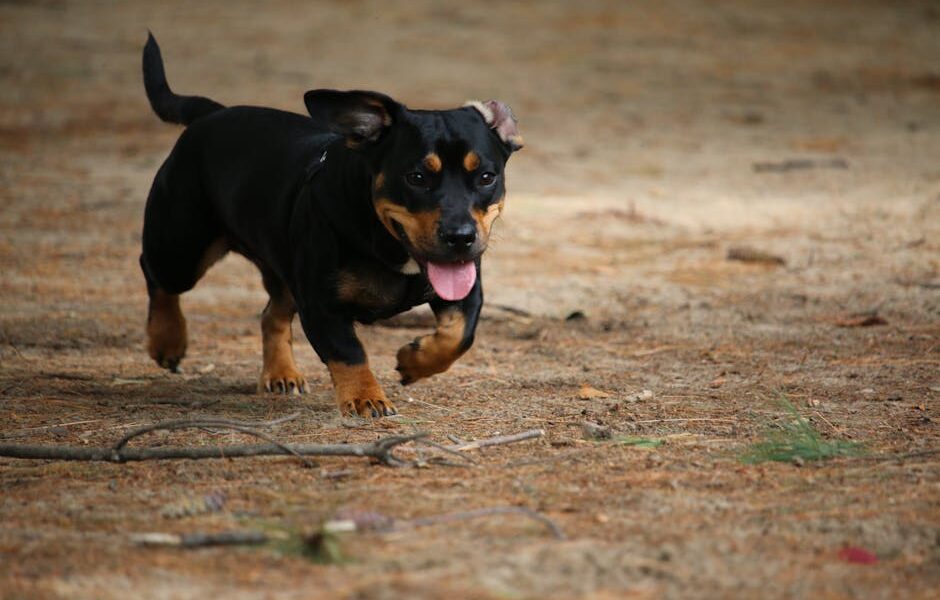
The breed’s most recognizable physical trait is its distinctive hackney gait, a high-stepping, animated movement that resembles the carriage of a hackney horse. This elegant trot gives the Min Pin an air of self-importance and confidence that is utterly captivating to watch. The gait is not exaggerated or artificial but rather a natural expression of the breed’s structure and spirit.
The Min Pin’s head is proportionate to its body, with a strong muzzle, dark oval eyes that convey alertness and intelligence, and high-set ears that may be cropped to stand erect or left natural to fold forward. The neck is slightly arched and blends smoothly into well-laid-back shoulders. The topline is level or slightly sloping from withers to croup, and the tail is typically docked in countries where the practice is permitted, carried high and erect.
The coat is short, smooth, and close-fitting, requiring minimal grooming and giving the dog a sleek, polished appearance. Accepted colors include solid clear red, stag red (red with intermingled black hairs), black and rust, and chocolate and rust. The tan markings on black and chocolate dogs follow a specific pattern, appearing above the eyes, on the cheeks, chest, legs, and beneath the tail.
Temperament and Personality
The Miniature Pinscher’s personality is nothing short of enormous. This breed is fearless, confident, curious, and perpetually entertaining. Living with a Min Pin is like living with a tiny comedian who also happens to be a brilliant escape artist and a tireless explorer. They bring an energy and spirit to a household that far exceeds what you might expect from a dog that weighs less than most house cats.
Confidence is perhaps the Min Pin’s most defining personality trait. These dogs genuinely do not seem to realize how small they are and will approach life’s challenges with the same bold determination whether they are confronting a suspicious stranger, investigating a new environment, or standing their ground against a much larger dog. This fearlessness is part of the breed’s charm, but it also means owners need to protect their Min Pins from situations where their bravado could put them in danger.
Min Pins are intensely curious and have an insatiable desire to investigate everything in their environment. They are master escape artists who can find their way out of seemingly secure enclosures, open latches, and squeeze through improbably small gaps. Puppy-proofing your home for a Min Pin requires the same level of diligence you would apply for a toddler, because this breed will find and exploit any weakness in your defenses.
With their families, Miniature Pinschers are affectionate and loyal, often forming particularly strong bonds with one person while remaining friendly with other household members. They enjoy being the center of attention and can become jealous if they feel another pet or person is monopolizing their favorite human. Despite their independent streak, Min Pins are social dogs that do not do well when left alone for extended periods.
The breed’s terrier-like tendencies are evident in its high prey drive and desire to chase small animals. If you have hamsters, gerbils, or other small pets, a Min Pin household may not be the safest environment for them. The breed’s rat-catching heritage runs deep, and those instincts are very much alive in modern Min Pins.
For those exploring other small breed options, our guide to the best small dog breeds offers additional options worth considering.
Exercise, Training, and Mental Stimulation
Do not let the Miniature Pinscher’s toy classification fool you into thinking this is a low-energy lapdog. Min Pins are surprisingly active and athletic for their size, requiring regular exercise and abundant mental stimulation to stay happy and well-behaved.
Plan on providing your Min Pin with at least 30 to 60 minutes of exercise daily. This can include walks, play sessions in a securely fenced area, indoor games, and structured training. Min Pins enjoy brisk walks and have enough stamina to accompany their owners on longer outings, though their small size means they may need breaks during extended exercise. Interactive toys, puzzle feeders, and hide-and-seek games are excellent ways to challenge the breed’s sharp mind.
Training a Miniature Pinscher is both a joy and a challenge. These dogs are intelligent and capable of learning quickly, but their independent nature means they often have their own ideas about what constitutes a worthwhile activity. Min Pins are not typically the breed that lives to please its handler. Instead, they need to see a clear benefit to themselves before they commit to following a command. This is where positive reinforcement training shines, as food rewards and play are powerful motivators for this breed.
Consistency is absolutely critical when training a Min Pin. These clever dogs will test boundaries constantly and will quickly exploit any inconsistency in the rules. If you allow your Min Pin on the couch once, it will consider that an irrevocable right. Establish house rules from day one and ensure every family member enforces them uniformly.
Housetraining can be more challenging with Miniature Pinschers than with many other breeds. Their small bladders mean more frequent trips outside, and some Min Pins can be stubborn about eliminating in designated areas. Patience, consistency, and a rigid schedule are key. Many Min Pin owners find success with a combination of crate training and regular outdoor breaks.
Socialization is especially important for this breed. Without proper exposure to different people, animals, sounds, and environments during puppyhood, a Min Pin’s natural confidence can morph into defensiveness or aggression. Enroll your puppy in a socialization class and make a deliberate effort to introduce it to a wide variety of positive experiences during the critical socialization window.
Health, Lifespan, and Common Conditions
The Miniature Pinscher is a generally healthy breed with an impressive lifespan of 12 to 16 years. Some Min Pins live well into their late teens with proper care. However, like all breeds, they are predisposed to certain health conditions that owners should be aware of.
Patellar luxation is one of the most common health concerns in Miniature Pinschers. This condition occurs when the kneecap slips out of its normal position, causing lameness and discomfort. Mild cases may only cause intermittent skipping, while severe cases may require surgical correction. Reputable breeders have their dogs evaluated for patellar luxation before breeding.
Legg-Calve-Perthes disease is another orthopedic condition that affects small breeds, including Min Pins. This condition involves the degeneration of the femoral head (the ball of the hip joint) due to insufficient blood supply, leading to pain and lameness. It typically appears in puppies between 4 and 12 months of age and usually requires surgical treatment.
Progressive retinal atrophy can occur in the breed, leading to gradual vision loss and eventual blindness. Responsible breeders test for this condition and do not breed affected dogs. Other health concerns include hypothyroidism, epilepsy, heart conditions such as mitral valve disease, and dental problems. Like many toy breeds, Min Pins are prone to dental issues due to crowding of teeth in their small jaws, making regular dental care essential.
Min Pins are also sensitive to cold temperatures due to their short, thin coat and small body mass. In cold weather, a sweater or coat is not a fashion statement but a genuine necessity. Frostbite and hypothermia can develop quickly in exposed Min Pins during winter months.
Grooming and Care
One of the Miniature Pinscher’s most appealing qualities for many owners is its low-maintenance grooming needs. The short, smooth coat requires only weekly brushing with a soft bristle brush or grooming mitt to remove loose hair and distribute natural oils. Min Pins shed lightly year-round, and regular brushing helps keep shedding manageable.
Bathing is only necessary every four to six weeks or when the dog gets dirty. Over-bathing can strip the coat of its natural oils and lead to dry, flaky skin. Use a gentle, dog-specific shampoo and ensure the dog is thoroughly dried after bathing, as Min Pins can become chilled quickly.
Dental care deserves special attention with this breed. Small breeds are disproportionately affected by dental disease, and the Min Pin is no exception. Brush your dog’s teeth at least three times per week, ideally daily, using a dog-specific toothpaste. Annual professional dental cleanings are also recommended. Dental chews and toys can supplement brushing but should not replace it.
Nail trimming should be done every two to three weeks, or whenever you hear the nails clicking on hard floors. Many Min Pins are sensitive about having their feet handled, so it is important to desensitize your puppy to nail trimming from an early age. Clean ears weekly with a veterinarian-approved ear cleaner to prevent infections.
The Chihuahua is another toy breed with similarly easy grooming needs, making it another option for those who prefer low-maintenance coat care.
Is the Miniature Pinscher Right for You?
The Miniature Pinscher is a remarkable breed, but it is emphatically not the right dog for everyone. This breed’s combination of high energy, strong will, and fearless confidence requires an owner who is equally energetic, consistent, and patient. Understanding what life with a Min Pin actually looks like is essential before bringing one home.
Min Pins do best with experienced dog owners who understand and appreciate the breed’s independent nature. They are not ideal for households with very young children, as their small size makes them vulnerable to accidental injury, and their low tolerance for rough handling can lead to defensive nipping. Families with older, respectful children can do well with a Min Pin.
This breed can adapt to apartment living quite well, provided its exercise and mental stimulation needs are met. However, potential apartment dwellers should be aware that Min Pins can be vocal dogs, and their alert barking may not endear you to your neighbors. Training a “quiet” command early and consistently can help manage this tendency.
Security is a genuine concern with Miniature Pinschers. Their escape artist tendencies mean that your yard, home, and travel crate must be thoroughly secured. A six-foot privacy fence is recommended for yards, and you should regularly check for gaps or weaknesses. When walking a Min Pin, always use a secure harness rather than a collar, as their slender necks make them prone to tracheal damage from pulling against a collar.
If you want a dog that is endlessly entertaining, fiercely loyal, and refreshingly honest about its motivations, the Miniature Pinscher may be your perfect match. Just be prepared for a dog that will keep you on your toes, challenge your problem-solving abilities, and fill your life with laughter and adventure in equal measure.
Frequently Asked Questions
Are Miniature Pinschers good with other dogs?
Miniature Pinschers can get along with other dogs, but their bold, sometimes bossy personalities can lead to conflicts, especially with dogs they do not know. Min Pins often do not recognize their small size and may challenge much larger dogs, which can put them at risk of injury. With proper socialization from puppyhood, many Min Pins learn to coexist peacefully with other dogs in the household. Same-sex pairings can be more contentious. When introducing a Min Pin to other dogs, always supervise interactions and intervene if either dog shows signs of tension or aggression.
Do Miniature Pinschers bark a lot?
Yes, Miniature Pinschers tend to be vocal dogs. Their alert, watchdog nature means they are quick to bark at unfamiliar sounds, strangers approaching the home, and anything else that catches their attention. While this makes them excellent watchdogs, it can be a challenge for owners who live in close proximity to neighbors. Training a reliable quiet command and providing adequate mental and physical stimulation can help reduce excessive barking. However, some level of alert barking is a deeply ingrained breed trait that is unlikely to be completely eliminated.
How long do Miniature Pinschers live?
Miniature Pinschers are a long-lived breed with an average lifespan of 12 to 16 years. Some individuals live well into their late teens with proper care, nutrition, and regular veterinary attention. To maximize your Min Pin’s lifespan, maintain a healthy body weight, provide regular exercise, stay current on veterinary checkups and preventive care, feed a high-quality diet, and address health concerns promptly. The breed’s longevity is one of its most appealing qualities, offering many years of companionship and entertainment.
Are Miniature Pinschers hard to housetrain?
Miniature Pinschers can be more challenging to housetrain than many breeds. Their small bladders require more frequent trips outside, and some individuals can be stubborn about eliminating in designated areas. Cold or wet weather can also be a deterrent, as Min Pins strongly dislike being cold and wet. Successful housetraining requires patience, consistency, and a strict schedule. Crate training is highly recommended, as it leverages the dog’s natural reluctance to soil its sleeping area. Some Min Pin owners keep indoor potty options available as a backup, especially during inclement weather, though this approach should supplement rather than replace outdoor training.
Looking to adopt a Miniature Pinscher Breed Profile?
Browse Miniature Pinscher Breed Profile dogs and mixes available for adoption from shelters and rescues near you.
Find Miniature Pinscher Breed Profile Dogs for Adoption