Last updated: April 27, 2026
In this article
German Pinscher Breed Profile: The Muscular Medium Pinscher
The German Pinscher is one of the canine world’s best-kept secrets. This sleek, muscular, medium-sized breed is the foundation from which both the imposing Doberman Pinscher and the diminutive Miniature Pinscher were developed, yet it remains far less known than either of its descendants. For those willing to look beyond the breed’s obscurity, the German Pinscher offers a remarkable combination of athleticism, intelligence, and unwavering loyalty.
Originally bred as a versatile farm dog in Germany, the German Pinscher excels at vermin control, guarding property, and serving as a devoted companion. Today, this breed continues to impress with its striking good looks, boundless energy, and fearless personality. Whether you are drawn to its elegant appearance or its sharp working instincts, the German Pinscher is a breed that rewards confident, experienced owners with a lifetime of devotion and entertainment.
History and Origin of the German Pinscher
The German Pinscher’s history stretches back to the late 1700s in Germany, where it was developed as an all-purpose farm dog. The breed’s primary role was ratting — controlling the vermin populations that plagued barns, stables, and grain stores across the German countryside. The word “pinscher” itself is believed to derive from the French word “pincer,” meaning to seize or nip, a fitting description of the breed’s quick, decisive hunting style.
In the early days, smooth-coated and wire-coated pinschers were born in the same litters and were considered varieties of the same breed. It was not until 1879 that the German government officially recognized the smooth German Pinscher as a distinct breed, separate from the wire-coated variety that would eventually become known as the Standard Schnauzer.
The German Pinscher’s influence on other breeds is significant. In the late 1800s, Karl Friedrich Louis Dobermann used the German Pinscher as one of the foundation breeds for his creation of the Doberman Pinscher, a larger and more imposing guard dog. The Miniature Pinscher, despite its small size, is also descended from the German Pinscher, as is the Affenpinscher.
The breed nearly went extinct during the two World Wars. By the end of World War II, there were virtually no German Pinschers left in Germany. The breed owes its survival to a single man, Werner Jung, who in the 1950s smuggled several oversized Miniature Pinschers out of East Germany and used them, along with a few surviving German Pinscher females, to rebuild the breed from scratch. Every German Pinscher alive today can trace its lineage back to Jung’s breeding program.
The German Pinscher was recognized by the AKC in 2003, making it a relatively recent addition to the registry. While it has gained a dedicated following, the breed remains uncommon, ranking consistently in the lower half of AKC breed popularity.
Appearance and Physical Characteristics
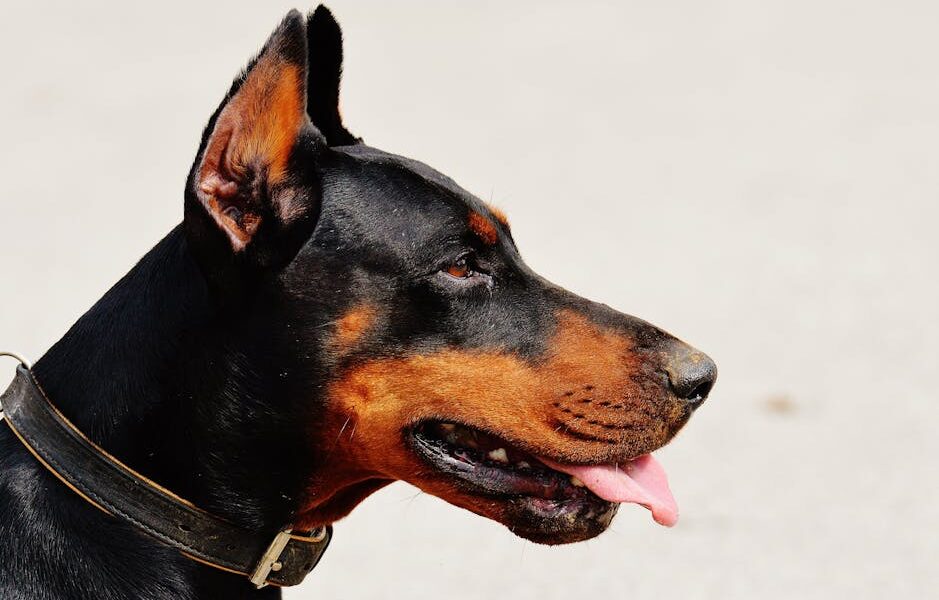
The German Pinscher is a medium-sized dog that stands 17 to 20 inches at the shoulder and weighs between 25 and 45 pounds. The breed is immediately recognizable for its muscular, well-proportioned build and its short, dense, glossy coat. Every line of the German Pinscher suggests strength, agility, and elegance — this is a breed built for speed and power in equal measure.
The body is square in proportion, meaning the length from the forechest to the buttocks is approximately equal to the height at the withers. The chest is moderately broad and deep, reaching to the elbows, and the abdomen is well tucked up, giving the dog a streamlined, athletic profile. The back is short and firm, and the topline is straight or slightly sloping from withers to croup.
The head is strong and elongated, with a flat skull and a moderate stop. The muzzle is parallel to the skull and ends in a blunt wedge. The eyes are medium-sized, oval, and dark, giving the dog an alert, intelligent expression. The ears may be cropped to stand erect or left natural, in which case they fold at the top and fall to the side of the head in a V shape. In many countries outside the United States, ear cropping is banned, and natural ears are becoming increasingly common even in the US.
The coat comes in several colors: solid red (ranging from deer red to dark red-brown), black and tan, blue and tan, and fawn (Isabella) and tan. The black and tan pattern features clearly defined rust or red markings on the cheeks, lips, lower jaw, above the eyes, on the chest, legs, feet, and below the tail. The coat is short, dense, and smooth, lying flat against the body with a natural sheen.
The tail has traditionally been docked, but this practice is becoming less common as many countries have banned it. A natural tail is of moderate length and carried in a slight upward curve.
Temperament and Personality
The German Pinscher is a dog of strong character. Bold, confident, and fearless, this breed approaches life with an intensity that can be both thrilling and challenging for its owners. German Pinschers are highly intelligent — arguably among the smartest of all dog breeds — and they use that intelligence constantly, whether they are solving a puzzle, outwitting a vermin, or figuring out how to open your kitchen cabinets.
With their families, German Pinschers are deeply affectionate and loyal. They bond closely with their people and want to be involved in every aspect of family life. They are often described as “velcro dogs” because of their tendency to follow their owners from room to room. This devotion, combined with their natural alertness and protective instincts, makes them excellent watchdogs. They will alert you to any unusual activity and are naturally suspicious of strangers, though they should never be aggressive without cause.
The breed’s boldness and confidence can present challenges for inexperienced owners. German Pinschers are assertive dogs that will test boundaries and attempt to establish their position in the household hierarchy. They need an owner who is calm, consistent, and confident — someone who can establish clear rules and enforce them fairly. If a German Pinscher senses weakness or inconsistency, it will happily assume the leadership role itself, and a self-appointed German Pinscher leader can be a handful.
Resource guarding is a tendency that German Pinscher owners should be aware of. The breed can be possessive of food, toys, and sleeping spots. Early training and management can prevent this behavior from becoming problematic, but it requires awareness and consistency. Teaching the “leave it” and “drop it” commands early in the dog’s life is highly recommended.
German Pinschers have a strong prey drive and will chase small animals with enthusiasm. Squirrels, rabbits, cats, and other small creatures are all potential targets. A securely fenced yard is essential, and off-leash exercise should only occur in enclosed areas unless the dog has an exceptionally reliable recall — which is rare in this breed.
If you are looking for a breed that ranks among the best guard dogs, the German Pinscher’s natural alertness and protective instincts make it a strong contender without the extreme size of some other guarding breeds.
Exercise and Training Needs
The German Pinscher is a high-energy breed that requires significant daily exercise. Plan on providing at least 60 to 90 minutes of vigorous physical activity each day. This can include brisk walks, jogging, fetch, agility training, or free play in a securely fenced yard. The breed’s athleticism and agility make it well suited to a variety of dog sports, including agility, obedience, rally, barn hunt, and lure coursing.
Mental stimulation is equally important for this highly intelligent breed. German Pinschers need their minds engaged just as much as their bodies. Puzzle toys, interactive games, scent work, and advanced training exercises can help keep your dog mentally sharp and prevent the boredom-driven destructive behaviors that this breed is prone to when understimulated.
Training a German Pinscher is an exercise in patience, creativity, and mutual respect. These dogs learn incredibly fast — they can master new commands in just a few repetitions — but they also bore quickly. Repetitive training sessions will cause a German Pinscher to disengage, and once it decides that training is boring, getting its attention back can be difficult. Keep sessions short, varied, and rewarding, and always end on a positive note.
Positive reinforcement is the only effective training approach for this breed. German Pinschers are sensitive to unfair treatment and will respond to harsh corrections with defiance or avoidance. High-value treats, enthusiastic praise, and play are the best motivators. Many German Pinschers are highly food-motivated, which can be used to your advantage during training.
Despite its moderate size, the German Pinscher can adapt to apartment living if its exercise needs are fully met. The breed’s short coat and clean habits make it a relatively tidy housemate, and its moderate size means it does not need as much space as larger breeds. However, apartment-dwelling German Pinschers will need multiple daily outings and access to a safe area for off-leash exercise.
Socialization must begin early and continue throughout the dog’s life. Expose your German Pinscher puppy to as many different people, animals, places, and situations as possible during the critical socialization window. Well-socialized German Pinschers are confident and discerning; poorly socialized ones can become fearful, suspicious, or aggressive.
Health and Lifespan
The German Pinscher is a robust, healthy breed with a lifespan of 12 to 14 years. The breed benefits from a relatively small gene pool that has been carefully managed by dedicated breeders, and it is generally free from the severe health problems that plague many other purebred dogs. However, several conditions are worth noting.
Hip dysplasia can occur in the breed, though it is less common than in larger breeds. The OFA recommends hip evaluations for breeding stock. Elbow dysplasia is also occasionally seen and should be screened for in breeding dogs.
Eye problems, including cataracts and progressive retinal atrophy, have been documented in German Pinschers. Annual eye examinations by a veterinary ophthalmologist are recommended. Some dogs may also develop von Willebrand’s disease, a blood clotting disorder that can cause excessive bleeding from injuries or during surgery. A DNA test is available for this condition.
Cardiac issues, particularly dilated cardiomyopathy, can occasionally affect the breed. Regular veterinary checkups that include cardiac screening are advisable. Thyroid problems, including hypothyroidism, have also been reported.
The breed can be susceptible to bloat (gastric dilatation-volvulus), a life-threatening condition in which the stomach fills with gas and twists on itself. Feeding multiple smaller meals rather than one large meal, avoiding exercise immediately after eating, and using slow-feeder bowls can help reduce the risk. Discuss preventive gastropexy with your veterinarian, especially if your dog has a deep chest.
To maximize your German Pinscher’s health and longevity, maintain a healthy body weight (this breed should be lean and muscular, not heavy or soft), provide regular exercise, feed a high-quality diet, and keep up with routine veterinary care including vaccinations, dental cleanings, and parasite prevention.
Grooming and Coat Care
The German Pinscher’s grooming needs are minimal, making it one of the easiest breeds to maintain in terms of coat care. The short, dense, smooth coat requires only a weekly brushing with a soft bristle brush or grooming mitt to remove loose hair and distribute natural oils. The breed sheds moderately year-round, with slightly heavier shedding during seasonal changes in spring and fall.
Bathing is needed only occasionally, perhaps every six to eight weeks or when the dog gets particularly dirty. The German Pinscher’s short coat dries quickly and does not tend to hold odors the way longer coats do. Use a mild, dog-specific shampoo and rinse thoroughly to avoid skin irritation.
Nail care is important, as German Pinschers have hard, fast-growing nails that can become uncomfortable if allowed to grow too long. Trim nails every two to three weeks or as needed. Many German Pinschers are sensitive about having their feet handled, so desensitizing your puppy to nail trimming early is highly recommended.
Dental care is essential for this breed. Brush your dog’s teeth at least three times per week, ideally daily, using a dog-specific toothpaste and brush. Dental disease is common in dogs and can lead to serious health problems if left untreated. Regular dental cleanings by your veterinarian are also important.
Check your dog’s ears weekly for signs of infection, including redness, swelling, odor, or excessive wax. Clean the ears with a veterinarian-approved ear cleaner as needed. The German Pinscher’s natural ear carriage — whether cropped or uncropped — generally allows for good air circulation, which helps prevent ear infections.
Who Is the German Pinscher Best For?
The German Pinscher is best suited for experienced dog owners who understand and appreciate the breed’s intelligence, intensity, and need for consistent leadership. This is not a breed for passive or overly permissive owners, nor is it ideal for first-time dog owners who are not prepared for a strong-willed, assertive companion.
Active individuals and couples often make excellent German Pinscher owners. The breed thrives with people who enjoy outdoor activities, dog sports, and spending quality time with their dog. If you lead an active lifestyle and want a dog that can keep up with you — and challenge you mentally — the German Pinscher may be a perfect match.
Families with older children (typically over 10 years of age) can also be good homes for German Pinschers, provided the dog is properly socialized and the children understand how to interact respectfully with dogs. The breed’s high energy level and strong personality can be overwhelming for very young children, and its tendency toward resource guarding makes supervision essential during interactions with kids.
The German Pinscher is not recommended for households with small pets such as cats, rabbits, or guinea pigs unless the dog has been raised with them from puppyhood. Even then, the breed’s strong prey drive means that supervision is always advisable. Similarly, the breed may not be the best choice for multi-dog households unless the owner is experienced in managing dog dynamics, as German Pinschers can be dog-selective, particularly same-sex pairs.
If you want a medium-sized dog that combines the elegance of a show dog with the intensity of a working dog, the German Pinscher is worthy of serious consideration. It demands much from its owner, but it gives back even more in loyalty, companionship, and sheer entertainment value.
Frequently Asked Questions
Is the German Pinscher the same as a Miniature Pinscher?
No, the German Pinscher and the Miniature Pinscher are separate breeds, though they share common ancestry. The German Pinscher is a medium-sized dog weighing 25 to 45 pounds, while the Miniature Pinscher is a toy breed weighing 8 to 10 pounds. The German Pinscher is actually the older of the two breeds and served as one of the foundation breeds from which the Miniature Pinscher was developed. Despite their similar appearance, the two breeds have distinct temperaments and care requirements.
Are German Pinschers aggressive?
German Pinschers are not inherently aggressive, but they are bold, assertive, and protective. They are naturally suspicious of strangers and will alert their owners to unfamiliar people or situations. With proper socialization, training, and responsible ownership, German Pinschers are confident and discerning rather than aggressive. However, without adequate socialization and training, any dog can develop behavior problems, and the German Pinscher’s strength and intensity mean that behavioral issues in this breed should be addressed promptly and professionally.
Can German Pinschers be left alone during the workday?
German Pinschers can tolerate being left alone for moderate periods (four to six hours) if they have been properly exercised beforehand and have access to appropriate chew toys and enrichment items. However, they are a people-oriented breed that does not do well with extended isolation. Dogs left alone for long periods without adequate stimulation may develop destructive behaviors, excessive barking, or separation anxiety. If you work full-time outside the home, consider a dog walker, doggy daycare, or a midday visit to break up the day for your German Pinscher.
How much exercise does a German Pinscher really need?
A German Pinscher needs a minimum of 60 to 90 minutes of vigorous exercise daily. This should include a combination of physical activity (running, fetching, swimming, hiking) and mental stimulation (training sessions, puzzle toys, scent work). Young, healthy adults may need even more. An under-exercised German Pinscher will find its own outlets for pent-up energy, which often includes chewing furniture, digging in the yard, or barking excessively. This is a breed that thrives on activity, and meeting its exercise needs is non-negotiable for a harmonious household.
Looking to adopt a German Pinscher Breed Profile?
Browse German Pinscher Breed Profile dogs and mixes available for adoption from shelters and rescues near you.
Find German Pinscher Breed Profile Dogs for Adoption