
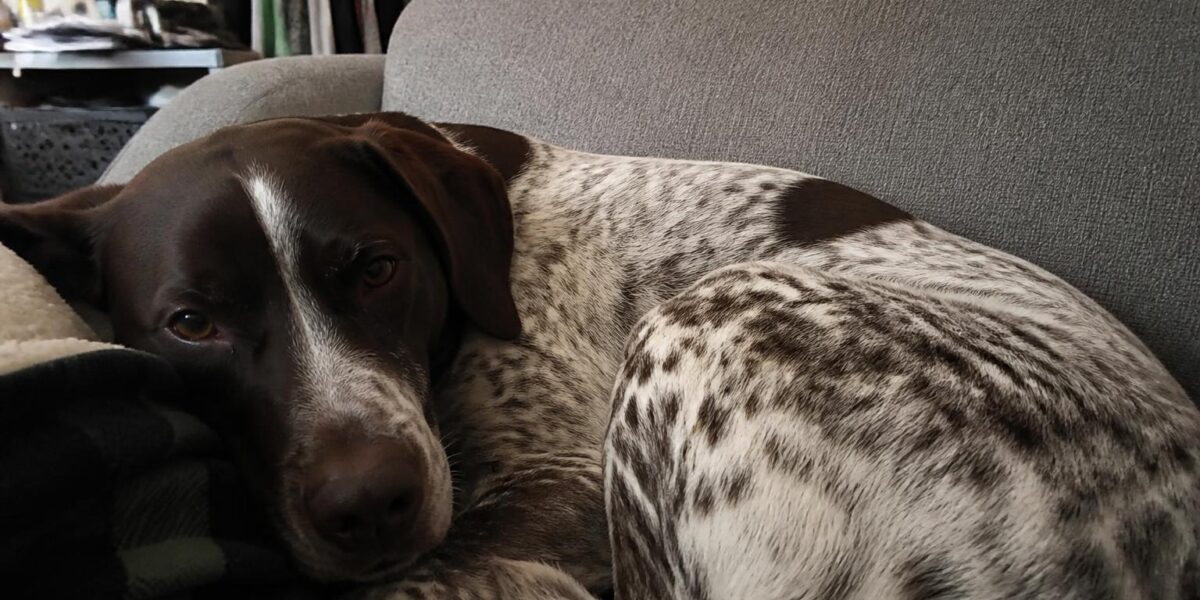
What “Washout” Actually Means
A working dog “washout” is a candidate that did not complete a specific working dog training program. The label sounds harsh, but the reality is almost always positive: washouts are not temperament failures. They are organizational fit mismatches. A dog might be too soft for explosives detection but perfect for therapy work, too independent for guide-dog handling but ideal as a household companion, too sensitive for police K9 but excellent as a service dog candidate. The label says what the dog could not do, not what the dog cannot do.
In this article
- What “Washout” Actually Means
- Why Dogs Wash Out
- Where Washouts Come From
- Application and Wait Times
- What to Expect at Pickup
- Drive Realism for Adopters
- Medical History and Disclosure
- Integration With an Existing Household
- Why the Welfare Framing Matters
- Sport and Second-Career Options
- Realistic Cost of Ownership
- Frequently Asked Questions
Working dog programs are intentionally selective. Most ADI-accredited service dog programs graduate roughly 30 to 50 percent of their training candidates. Detection-dog programs have similar attrition. The remaining dogs — often well-socialized, partially trained, healthy, house-trained, and crate-trained — enter career-change adoption pipelines designed by the very programs that produced them.
Adopting a working dog washout is one of the best ways to bring an exceptionally prepared dog into a home. These dogs are typically further along in socialization and skills than the average adoptable shelter dog because the program invested 12 to 18 months in their development before redirecting them.
Why Dogs Wash Out
The reasons span a wide spectrum and most have nothing to do with the dog being unsuitable for any work:
- Drive level mismatch — a guide dog candidate that is too playful, a police K9 candidate that lacks civil drive, a detection candidate that lacks the necessary food motivation.
- Distraction sensitivity — a service dog candidate that reacts to environmental stimuli a working service dog must ignore.
- Health — a hip or elbow finding that is fine for a pet but disqualifying for an athletic working career.
- Temperament-task mismatch — a dog that is socially appropriate but cannot tolerate the specific handler-bond intensity required by the program.
- Allergies or food sensitivity — manageable in a home, prohibitive for a working dog living in client homes.
- Independence — a strong-headed dog that wants to make its own decisions instead of waiting for handler cues.
Most washouts are remarkable companions. The conditioning is positive: more than a year of structured socialization, professional handling, exposure to public spaces, and skill-building. The household that adopts the dog inherits the benefit.
Where Washouts Come From
Several major programs run formal career-change adoption pipelines:
- Canine Companions (canine.org) — provides service, facility, skilled-companion, and hearing dogs. The change-of-career program places dogs that did not complete the service dog curriculum.
- Guide Dogs for the Blind (guidedogs.com) — runs a career-change program for dogs that did not match a visually impaired handler.
- The Seeing Eye (seeingeye.org) — has a release-dog adoption program for puppies and adults from its breeding and training operations.
- Leader Dogs for the Blind (leaderdog.org) — runs a similar career-change adoption pathway.
- DoD MWD Adoption (mwd-adoption@us.af.mil) — places military working dogs at end-of-service and occasionally pre-program washouts. Wait times often exceed 18 months. Covered in detail in the Robby’s Law pillar.
- Mission K9 Rescue — places retired and washed-out contractor and TEDD dogs (former tactical explosive detection dogs).
- Save-A-Vet — focuses on contractor and military working dog retirement and adoption.
The retired MWD adoption and retired service dog adoption pipelines cover the parallel retirement streams. Many of these programs apply the same evaluation and matching framework whether the dog is a young washout or a retiree.
Application and Wait Times
Most career-change programs require an application, references, and a home evaluation. Programs typically ask:
- Household composition — adults, children, other pets, fencing.
- Experience with dogs, especially with high-energy or working-line dogs.
- Lifestyle — work schedule, time available for exercise and engagement, travel patterns.
- Veterinary care plan and financial capacity for routine and emergency care.
- Willingness to follow program-specific guidelines for the first months after placement.
Wait times vary widely. CCI change-of-career placements often run 12 to 24 months. DoD MWD placements often exceed 18 months. Guide Dogs for the Blind and Leader Dogs vary by demand and dog availability. Mission K9 Rescue and Save-A-Vet wait times depend on incoming dogs.
Some programs prioritize handlers with specific needs. CCI, for example, may match facility-program washouts with healthcare or education professionals first. Be honest in your application about your circumstances; mismatched placements benefit no one.
What to Expect at Pickup
A washed-out service dog candidate typically arrives:
- House-trained and crate-trained.
- Socialized to public spaces, vehicles, and a wide range of people.
- Familiar with basic commands and structured handling.
- Up to date on vaccinations, spay or neuter, and routine medical care.
- Familiar with a specific feeding schedule and food brand.
An MWD or contractor washout may have a different profile: deeper operational training, higher drive, sometimes specific noise sensitivities, and a clear preference for routine. Some are calm and quickly settle into pet life; others need months of decompression and structured introduction to civilian routine.
Plan for a settling period. Active rest helps a dog transitioning from a high-engagement program to home life. A few weeks of quiet, predictable routine often outperform an immediate immersion in new activities.
Drive Realism for Adopters
This is where adopters need clarity. A washed-out CCI Labrador Retriever is typically a moderate-energy, biddable, household-ready dog. A washed-out working-line Malinois from a police K9 program is a different animal: high drive, demanding daily mental engagement, and easily bored. Both are washouts, both are wonderful dogs, but the lifestyle requirements differ.
Be honest with the program about how much engagement you can provide. A Mal washout matched to a quiet retiree household will be unhappy and likely become problematic. The same dog matched to an active handler doing nosework, agility, or structured walks will thrive.
The Malinois breed profile describes the typical needs of working-line dogs of that breed; the same drive realism applies to working-line Shepherds. If you have no experience with high-drive working dogs, start by talking with the program about a moderate-drive candidate.
Medical History and Disclosure
Reputable programs provide complete medical history. Ask for:
- Vaccination records.
- Orthopedic screening results (hips, elbows where applicable).
- Any chronic conditions, ongoing treatments, or medications.
- Surgical history.
- Behavioral history including any incidents during the training program.
If the dog has known orthopedic findings, you can plan accordingly. Joint supplement and ortho recovery pillars cover what management looks like. If the dog has a behavioral history, ask whether the issue was program-specific or generalized.
Integration With an Existing Household
Many washout adopters already have dogs, cats, or children at home. Introducing a working dog washout follows the same protocol as any new dog: separate space at first, structured first meetings, multiple short positive sessions before extended unsupervised time together. The foster with your own pets pillar covers integration steps that apply to any new household dog.
Pay attention to body language. Reading subtle signals helps owners recognize stress or discomfort before it escalates. Washouts are often sensitive to household dynamics in ways that benefit careful introduction.
Why the Welfare Framing Matters
The washout pipeline is welfare-positive. It exists because programs recognize that not every candidate fits the specific working role and that placing the dog in an appropriate pet home is better for the dog than forcing it through a career it cannot do. Adopters who understand this — who see washouts as opportunities rather than damaged goods — provide some of the best matches in working dog adoption.
The retired police K9 adoption pillar provides parallel framing for the retirement side of the working dog adoption picture. The principles are the same: prepared homes, realistic expectations, and welfare-aware placement create good outcomes.
Sport and Second-Career Options
A washed-out service dog candidate often retains the very traits that make sport dogs successful: biddability, energy, focus, and food and toy motivation. Adopters with interest in canine sport have a built-in opportunity to channel the dog’s underlying drives. Common second-career fits include:
- Nosework — pairs naturally with the scent-discrimination work many washouts have begun.
- Agility — for athletic dogs that need movement-based engagement.
- Rally and obedience — leverage the foundation training the program already invested.
- Therapy work — for dogs with sound nerves and people-loving temperaments.
- Tracking and trailing — for dogs with strong scent drives.
Some Working Dogs for Conservation candidates are sourced specifically from shelters and service-dog washouts; conservation scat-detection programs document how high-drive dogs find new careers in non-invasive ecology fieldwork.
Realistic Cost of Ownership
A washout adoption fee may be modest, but the dog still requires the full lifetime cost of ownership: veterinary care, food, equipment, training, boarding, and end-of-life care. A working-bred dog from MWD or contractor channels may have higher veterinary needs over time due to the rigors of early training. Budget for routine care plus an emergency fund for unexpected needs.
If the dog comes with known medical history, build a relationship with a veterinarian who can review the records and recommend appropriate monitoring. Older joints, dental wear, and recovered injuries are common in working-line dogs and benefit from proactive management. The joint supplement evidence review covers the evidence base for supplement use in dogs with prior or current orthopedic considerations.
Frequently Asked Questions
What does it cost to adopt a working dog washout?
Most programs charge a modest adoption fee — typically a few hundred dollars — to cover transportation, final vetting, and program administration. The dog itself represents 12 to 18 months of program investment but is placed at adoption cost rather than market value.
How long is the wait for a CCI change-of-career dog?
CCI change-of-career adoption typically runs 12 to 24 months from application to placement. Wait times depend on dog availability and applicant criteria.
Will the program take the dog back if it doesn’t work out?
Most reputable programs maintain a lifetime return policy. If the placement does not work, the dog comes back to the program rather than going to a shelter. This is part of why placement timing matters — the program wants the right match the first time.
Are washout dogs already trained?
Service dog and guide dog washouts are typically house-trained, crate-trained, and familiar with basic commands. MWD and contractor washouts have operational training but may need adjustment to household routine. Drive levels vary significantly.
Should I expect a former working dog to behave like a pet?
Yes, with some adjustment. Many washouts settle into pet life quickly. Higher-drive dogs from operational programs need ongoing mental engagement to stay happy — daily structured walks, nosework, training puzzles, or sport activities. Plan for engagement before adoption.


