
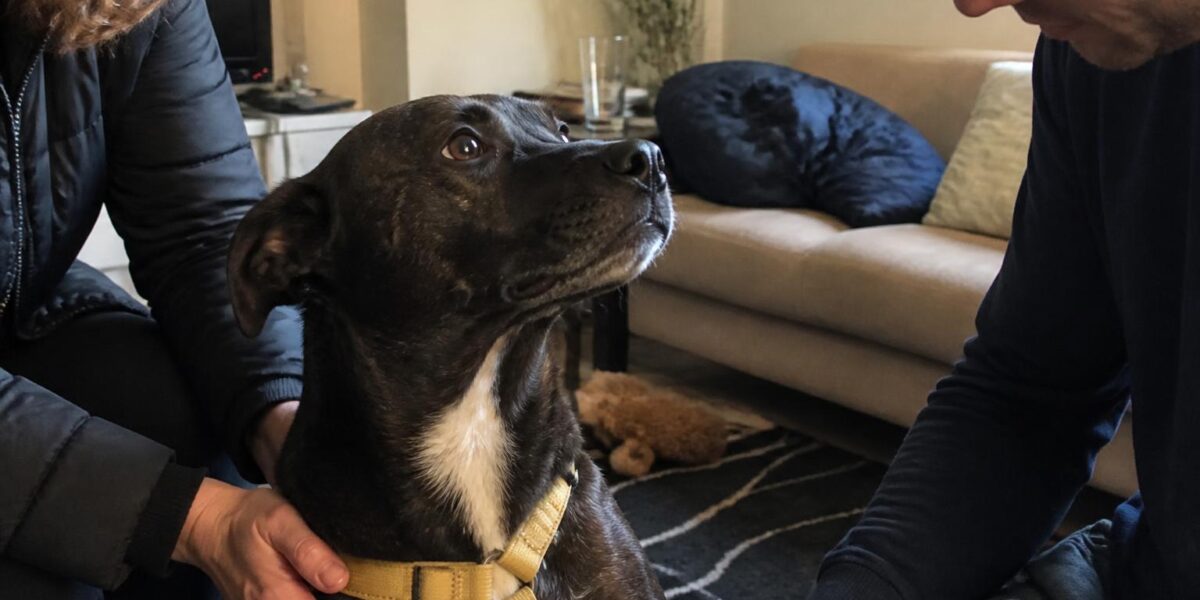
Every year, talented dogs that were bred and started for serious jobs end up needing new homes. They did not fail because they were bad dogs. They washed out because a specific program needed a specific profile, and they did not match it. Understanding working breed washout adoption means understanding that you are not adopting a broken dog — you are adopting an intense, capable animal whose job description simply changed. For the right person, that can be one of the most rewarding adoptions possible. For the wrong person, it can be a heartbreak that sends the dog right back into the system.
In this article
- What “Washout” Actually Means
- Where Washouts Come From
- Why Working Breeds Are Not Right for Most Homes
- The Right Adopter Profile for Working Breed Washout Adoption
- Giving the Dog a Job
- The First Weeks: Decompression and Structure
- What These Dogs Give Back
- Costs and Realistic Commitments
- Frequently Asked Questions
This guide is honest on purpose. Working washouts are not the right dog for most pet homes, and pretending otherwise does the dogs no favors. But if you are active, experienced, and willing to provide structure and an outlet, a washout can be a phenomenal companion. Let’s walk through what washout actually means and how to decide whether one belongs in your life.
What “Washout” Actually Means
A washout is a dog that entered a training pipeline — detection, police, military, service, herding, or sport — and was released before completing it or during its working life. The word sounds harsh, but in working-dog circles it is matter-of-fact. Programs hold dogs to narrow standards, and a dog that misses one criterion is released even if it is excellent in every other way.
Common reasons a dog washes out include:
- Medical disqualification — hip or elbow findings, a healed injury, allergies, or anything that shortens working longevity.
- Drive mismatch — too much drive to settle in a service role, or not quite enough sustained hunt for detection.
- Environmental sensitivity — noise sensitivity, surface sensitivity, or stress in chaotic settings.
- Social factors — too much interest in other dogs, too much friendliness for protection work, or a handler-bond style that did not transfer.
- Simple surplus — more dogs were raised than the program could place.
None of these make a poor pet. A detection dog released for noise sensitivity may be a wonderful hiking partner. A service candidate that was “too busy” for a wheelchair user might thrive in an active sport home. The working-dog washout adoption pipeline exists precisely because so many of these dogs are sound and adoptable.
Where Washouts Come From
Washouts arrive through several channels. Service-dog organizations run “career change” programs and often have waitlists of adopters because their dogs are so well socialized. Detection and police vendors release green dogs and partially trained dogs. And many washouts simply land in ordinary municipal shelters when a private trainer or owner gives up.
It helps to learn the language. A service dog washout, or career change dog, has usually had extensive early socialization and basic obedience. A green dog from a detection vendor may have raw drive but little household manners. Knowing the source tells you a great deal about what living with the dog will require on day one.
Reputable sources screen and disclose. A good program tells you why the dog was released, what it knows, how it handles novelty, and any medical findings. Be wary of any source that is cagey about history or that frames a release as a fire-sale bargain. The more you know going in, the better you can prepare your home and set realistic early expectations — and the less likely the dog is to bounce back into the system.
Why Working Breeds Are Not Right for Most Homes
This is the part people skip, and it is the most important. The traits that make a dog a working candidate in the first place — relentless drive, high arousal, problem-solving intelligence, and stamina that does not quit — are exactly the traits that make these dogs miserable in an under-stimulating home.
A bored high-drive dog does not nap on the couch. It self-employs. That means barking, fence-fighting, obsessive pacing, redirected nipping, shredding, or escape. Many surrenders happen at the 8-to-18-month mark, when an adolescent washout’s needs outrun a family’s capacity. Being clear-eyed about this is itself a welfare act. If you want to understand the broader honest math, our piece on when a working breed is wrong for your lifestyle walks through the self-assessment in detail.
The Right Adopter Profile for Working Breed Washout Adoption
So who is the right home? Generally someone who:
- Has lived with or trained a driven dog before, or is committed to learning fast.
- Builds daily structure — predictable routines reduce arousal and anxiety.
- Can commit to one to two hours of combined physical and mental work most days.
- Has secure containment — these dogs climb, dig, and open latches.
- Genuinely enjoys training as a hobby, not a chore.
Notice that “big yard” is not on the list. A yard is not exercise; a yard is a holding pen. What these dogs need is a partner and a purpose, which leads directly to the next section.
Giving the Dog a Job
A washout that loses its job still has the engine that job was built around. Your task as an adopter is to redirect that engine. This is the single biggest predictor of a successful placement. You do not need a farm or a detection contract — you need a structured outlet. Scent work, dock diving, herding-style ball games, canicross, obedience, or trick training all channel drive into something legal and tiring. Our guide on giving a working dog a job without a farm lays out practical options for ordinary homes.
Pairing physical exertion with mental problem-solving is the gold standard. A long sniffari plus a ten-minute training session often settles a dog more than a two-mile run alone. The point is not to exhaust the dog with raw distance — a fit working dog only gets fitter — but to engage the problem-solving brain the dog was built around. Scent games, shaping new tricks, and puzzle feeding tire a washout in a deeper, more durable way than running ever will.
Crucially, a job also gives the dog something to anticipate. A washout that knows tomorrow holds a search session or a class settles more readily today. Structure plus purpose is the formula experienced handlers rely on, and it is what transforms a frustrated, kennel-stressed dog into a content companion over the first months.
The First Weeks: Decompression and Structure
Most washouts have lived in kennels or program environments. A house is novel and sometimes overwhelming. Resist the urge to flood the dog with freedom, visitors, and dog-park trips on day one. Use a quiet decompression period: a confined safe space, a predictable schedule, and short, calm sessions building trust.
Recall is often a project. A dog bred to range and hunt may not have a reliable “come” in a pet context, and many washouts have strong prey drive. Long-line work should be an early priority, alongside management like secure fencing and leashed exploration. Until recall is genuinely proofed, treat off-leash freedom as the exception, not the default — an escaped high-drive dog is a danger to itself and to wildlife and livestock. The deeper transition roadmap lives in our article on transitioning a retired working dog to pet life.
Expect a few setbacks. A washout may seem settled, then regress when something new appears — a visitor, a thunderstorm, a change in routine. This is normal and not a sign the adoption is failing. Working dogs build trust through repetition, and consistency on your part is what convinces the dog that this new, calmer life is permanent and safe.
What These Dogs Give Back
It is worth dwelling on the upside, because the honest cautions can make washouts sound like burdens. They are not. A driven dog that finds the right home repays the effort many times over. The same intensity that washed it out of a program becomes laser focus on you. These dogs learn fast, work joyfully, and bond deeply once trust is established.
Done thoughtfully, working breed washout adoption gives both of you a fresh start. Adopters of washouts often describe the experience as having a true partner rather than a pet — a dog that wants to do things with you, that lights up at the sight of training gear, that brings its whole formidable brain to the relationship. For the person who genuinely enjoys that dynamic, few dogs are more rewarding. You also gave a capable animal a second career as a companion, which is its own quiet victory.
Costs and Realistic Commitments
Adoption fees for washouts vary widely. Service-organization career-change dogs often carry modest fees, while some vendor-released green dogs change hands for more. As a rough guide, fees range from token amounts at shelters up to several hundred or, for some sourced young prospects, into four figures — varies by region and program, current as of 2024-2025.
The bigger cost is time and training. Budget for classes, equipment, and possibly a behavior professional. Driven dogs reward investment, but the investment is real and ongoing for the dog’s whole life. If choosing adoption over a breeder matters to you, our piece on why we say adopt, don’t shop explains the welfare case.
Frequently Asked Questions
Is a washout dog damaged or dangerous?
No. Most washouts are released for medical, drive-match, or surplus reasons, not aggression. Reputable programs disclose behavior history, and you should always ask for it. A washout is typically a sound dog whose job criteria did not match its profile.
Do I need a working background to adopt one?
Not formally, but you need experience with driven dogs or a strong willingness to learn quickly and work with a trainer. Working breed washout adoption succeeds when the adopter provides structure, exercise, and a job. It fails when the dog is treated like a low-key family pet.
How much exercise does a washout really need?
Plan on one to two hours of combined physical and mental work most days, tailored to the individual dog and any medical limits. Quality and variety matter more than raw distance — pair movement with sniffing and training.
Will it bond with me even though it bonded to a handler before?
Yes, given time and consistency. Working dogs form new partnerships well when you build a relationship through shared work and clear routines. Decompression first, then jobs, then trust deepens.
Where do I find a washout to adopt?
Service-dog career-change programs, detection and police vendor release lists, breed-specific rescues, and ordinary shelters all place these dogs. Be patient, ask about temperament and medical history, and never adopt on impulse.


