Last updated: April 27, 2026
In this article
American Foxhound Breed Profile: George Washington’s Beloved Breed
The American Foxhound holds a special place in American history. This is quite literally a founding breed — one whose development was championed by no less than George Washington himself. Tall, lean, and built for endurance, the American Foxhound is a scenthound of remarkable stamina, a musical voice that carries for miles, and a gentle, easygoing temperament that belies its athletic prowess. Despite being one of the oldest American dog breeds, the American Foxhound remains one of the rarest, a hidden gem that deserves far more attention than it currently receives.
History and Origin of the American Foxhound
The American Foxhound’s story begins in the 1650s, when English settlers brought their foxhounds to the American colonies. These English hounds were skilled pursuers of fox, but the American landscape presented challenges that their British-bred dogs were not optimally suited for. The terrain was rougher, the distances were greater, and the red fox — later introduced alongside the native gray fox — ran differently than its European counterpart.
Enter George Washington, who was not only the father of his country but also one of the founding fathers of the American Foxhound breed. Washington was a passionate foxhunter and meticulous breeder who maintained detailed records of his hounds. In 1785, he received a gift of French hounds from the Marquis de Lafayette, and these dogs were crossed with the existing English Hound stock to produce a faster, lighter, and more musical hunting dog better suited to American conditions.
Over the following decades, additional crosses with Irish hounds and other strains refined the breed further. Different lines emerged for different purposes: some were bred for speed, others for voice, and still others for their ability to work in packs over long distances. The result was the American Foxhound — a breed distinct from its English ancestor, taller and leaner with a more melodious voice and greater stamina across rough terrain.
The American Kennel Club recognized the American Foxhound in 1886, and the breed became the state dog of Virginia in 1966 in honor of its deep roots in that state’s hunting tradition. Despite this distinguished heritage, the American Foxhound has never achieved widespread popularity as a companion dog and remains one of the least registered breeds with the AKC. This rarity is in part because the breed’s characteristics — its exercise needs, its voice, its independence — are not always compatible with modern suburban life.
The american foxhound shares ancestry and many traits with the Beagle, another beloved American scenthound that was developed from some of the same English hound stock. The Bloodhound is another scenting cousin that contributed to the development of various American hound lines.
Appearance and Physical Characteristics
The American Foxhound is a large, athletic dog built for speed and endurance. Males stand 22 to 25 inches at the shoulder and weigh 65 to 70 pounds, while females are slightly smaller at 21 to 24 inches and 60 to 65 pounds. The breed is taller, lighter-boned, and leaner than its English cousin, with a body designed for covering vast distances at a steady pace.
The overall impression is one of balanced, efficient athleticism. The chest is deep but narrower than the English Foxhound’s, allowing for greater lung capacity without adding bulk. The legs are long, straight, and well-boned, ending in tight, fox-like feet with thick pads built for rough terrain. The back is long and level, and the loin is slightly arched, providing the flexibility needed for an easy, ground-covering stride.
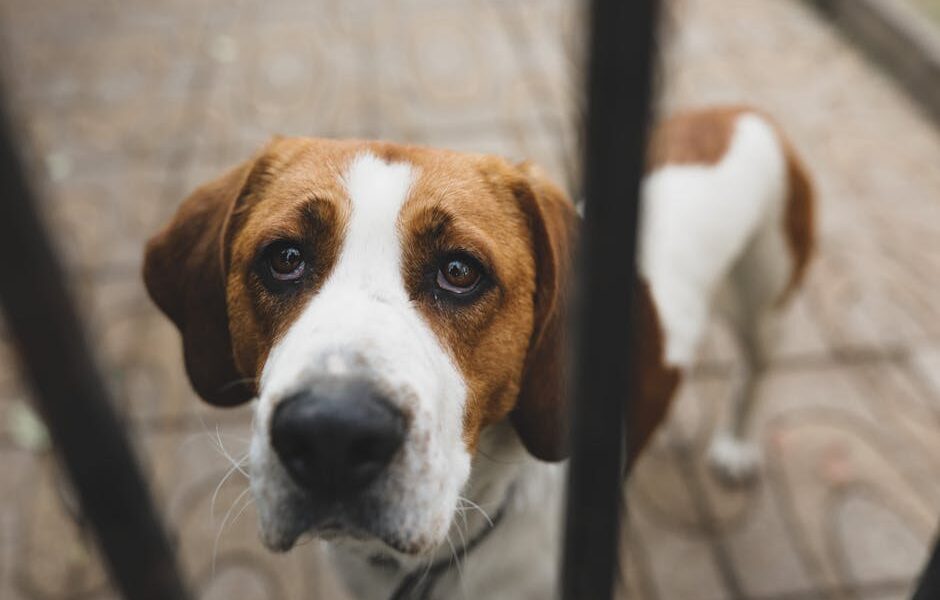
The head is fairly long with a slightly domed skull and a straight, square muzzle. The eyes are large, soft, and brown, with an expression that has been described as gentle, pleading, and soulful — the classic hound expression that has melted hearts for centuries. The ears are long, set low, and hang close to the head, reaching nearly to the tip of the nose when drawn forward. These large ears help funnel scent toward the nose, a functional adaptation for a breed that hunts primarily by smell.
The coat is hard, close, and of medium length, providing protection from brush and weather without requiring extensive grooming. Any color is acceptable, and the breed is commonly seen in combinations of black, white, and tan, though tri-color patterns, red and white, blue mottle, and other variations all occur.
Temperament and Personality
The american foxhound has one of the sweetest temperaments in the canine world. These dogs are gentle, friendly, and easygoing, with a tolerant, patient nature that makes them wonderful companions for those who understand and can accommodate their unique needs. They are rarely aggressive, almost never suspicious of strangers, and generally get along well with other dogs, children, and even cats in many cases.
However, the American Foxhound’s gentle exterior masks an independent, determined spirit. This is a breed that was developed to follow a scent trail for hours, working at a distance from its handler and making its own decisions about which direction to pursue. That independence translates to the home environment as well — American Foxhounds are not eager-to-please dogs in the traditional obedience sense. They are amiable and cooperative when it suits them, but they march to their own drummer.
The breed’s voice is legendary. American Foxhounds have a deep, melodious bay that can be heard for miles. For hunters, this musical voice is one of the breed’s most prized attributes, as it allows the handler to track the dog’s progress from a great distance. For suburban neighbors, however, the bay can be less appreciated. American Foxhounds are vocal dogs, and while they can be trained to manage their barking to some degree, the instinct to vocalize is deeply ingrained and cannot be entirely suppressed.
Energy is another defining trait. The American Foxhound was bred to run all day, and it retains that stamina. Without adequate exercise, these dogs become restless, destructive, and prone to nuisance behaviors including digging, escaping, and excessive howling. A bored American Foxhound is an unhappy American Foxhound, and an unhappy American Foxhound will make sure everyone in the neighborhood knows about it.
The breed’s pack mentality means it generally does well with other dogs and may actually prefer canine companionship to being an only dog. Many American Foxhounds that struggle in single-dog households blossom when given a canine companion. Their gentle, tolerant nature extends to children, and they can be wonderful family dogs for active families with older children who enjoy outdoor activities.
Exercise and Training Needs
The American Foxhound needs serious exercise — more than many prospective owners realize. This breed requires at least 60 to 90 minutes of vigorous activity daily, and active dogs may need even more. Long runs, extended hikes, and free play in large, securely fenced areas are ideal. The breed excels at scent work, tracking, and field trials, activities that engage both the body and the remarkable nose. For those who enjoy running with dogs, the American Foxhound is a tireless and enthusiastic partner that can maintain a steady pace for impressive distances.
A securely fenced yard is non-negotiable for this breed. The American Foxhound’s powerful nose and determination to follow scents make it a legendary escape artist. Standard fencing may not be sufficient — the fence should be at least five to six feet tall, and the base should be secured to prevent digging underneath. Electronic fences are generally not effective with this breed, as the drive to follow a scent can override the discomfort of a shock collar.
Training an American Foxhound requires patience, creativity, and realistic expectations. These dogs are intelligent but independent, and their hound nature means they are primarily motivated by scent rather than by a desire to please their handler. Traditional obedience training can be challenging, as the Foxhound may simply tune out commands that conflict with what its nose is telling it to do.
Positive reinforcement with high-value food rewards is the most effective training approach. Keep sessions short, upbeat, and interesting. Scent-based games and exercises can be particularly motivating for this breed. Recall training is critically important but can be extremely difficult to establish reliably, especially when competing smells are involved. Most American Foxhound owners accept that off-leash freedom is only safe in securely enclosed areas.
Early socialization is important, though the breed’s naturally friendly temperament means that most American Foxhounds are social butterflies from the start. Puppy classes help establish basic manners and provide positive social experiences. Ongoing exposure to a variety of environments and situations throughout the dog’s life helps maintain confidence and adaptability.
Health Issues and Lifespan
The American Foxhound is one of the healthiest dog breeds, benefiting from centuries of selection for working ability and stamina rather than exaggerated physical features. The breed’s lifespan is typically 11 to 13 years, and many individuals enjoy excellent health throughout their lives.
Hip dysplasia, while not as prevalent in the American Foxhound as in many large breeds, can occur. Reputable breeders screen their stock for this condition. Thrombocytopathy, a platelet disorder that affects blood clotting, has been identified in the breed, though it is relatively rare. A DNA test is available for screening.
Ear infections are a common concern due to the breed’s long, floppy ears that restrict airflow to the ear canal. Regular ear cleaning and keeping the ears dry, particularly after swimming or bathing, help prevent infections. Check the ears weekly for redness, odor, or excessive wax, and consult your veterinarian if you notice any signs of irritation.
Obesity can become an issue if the Foxhound’s diet is not carefully managed, particularly in dogs that are not getting the level of exercise the breed was designed for. American Foxhounds are enthusiastic eaters and will readily overindulge if given the opportunity. Measuring food carefully, limiting treats, and maintaining a regular exercise routine help keep weight in check.
Dental care, regular veterinary checkups, and staying current on vaccinations and parasite prevention round out the health management basics for this generally robust breed.
Grooming and Coat Care
The American Foxhound’s grooming needs are refreshingly minimal. The short, dense coat requires only a weekly brushing with a firm bristle brush or hound glove to remove loose hair and distribute natural oils. The breed sheds moderately year-round, with slightly heavier shedding during spring and fall seasonal changes. Regular brushing helps manage shedding and keeps the coat looking healthy and sleek.
Bathing is needed infrequently — every six to eight weeks or when the dog becomes particularly dirty or develops the “hound smell” that is characteristic of many scent breeds. The Foxhound’s coat has a slight oily quality that helps repel dirt and water, so over-bathing is unnecessary and can strip the coat of its natural protective oils.
Ear care deserves special attention. The breed’s long, pendulous ears create a warm, moist environment that is ideal for bacterial and yeast growth. Clean the ears weekly with a veterinarian-approved ear cleaning solution, and dry them thoroughly after any water exposure. Nail trimming every two to three weeks and regular dental care, including brushing several times per week, complete the grooming routine.
Who Is the American Foxhound Best For?
The american foxhound is best suited to active, patient owners with rural or semi-rural properties where the breed’s need for space and its vocal nature will not create problems with close neighbors. Hunters and outdoor enthusiasts who can provide the breed with plenty of exercise and purpose will find the American Foxhound a loyal and rewarding companion. Active families with older children and a large, securely fenced yard can also be an excellent match.
The breed is not well-suited to apartment living, urban environments, or households where the dog will be left alone for long hours. Its exercise needs, tendency to bay, and potential for destructive behavior when bored make it a poor choice for sedentary owners or those with limited outdoor space. Neighbors in close proximity may not appreciate the breed’s powerful voice, no matter how musical it may be to the owner’s ears.
Homes with other dogs are often ideal, as the American Foxhound’s pack instinct means it thrives with canine companions. A multi-dog household can help satisfy the breed’s social needs and reduce some of the behavior problems that can arise from loneliness and boredom.
If you are considering an American Foxhound, please look into rescue organizations and shelters. Many Foxhounds end up in need of new homes after their hunting careers end or when their owners discover that the breed’s needs exceed their capacity. Walk Me Home Rescue is always here to help connect dogs in need with loving, suitable homes.
Frequently Asked Questions About the American Foxhound
Are American Foxhounds good family dogs?
American Foxhounds can be excellent family dogs for the right family. Their gentle, patient, and friendly nature makes them wonderful with children and other pets. However, the family must be active enough to meet the breed’s substantial exercise needs, and they should have enough space — ideally a large, securely fenced yard — to accommodate the dog’s energy. The breed’s vocal nature and independent streak can be challenging for families that prefer a quiet, highly obedient companion.
Do American Foxhounds howl a lot?
Yes, American Foxhounds are vocal dogs known for their deep, melodious bay. This vocalization is a prized trait in the hunting field but can be problematic in residential settings. While training can help manage barking to some degree, the instinct to vocalize is deeply ingrained and cannot be entirely eliminated. Prospective owners should honestly assess whether they and their neighbors can tolerate the breed’s voice before committing.
Can American Foxhounds live with cats?
Many American Foxhounds can learn to coexist peacefully with cats, especially when raised together from a young age. However, the breed’s scent-driven prey drive means that individual dogs may view cats as prey, particularly outdoor cats that run when approached. Careful introductions, supervision, and management are essential. Some American Foxhounds will never be safe around cats, and this possibility should be considered before adding the breed to a home with feline residents.
How rare is the American Foxhound?
The American Foxhound is one of the rarest AKC-recognized breeds, consistently ranking near the bottom of annual registration statistics. Despite being one of the oldest American breeds and the state dog of Virginia, it has never achieved mainstream popularity as a companion dog. This rarity means that finding a reputable breeder may require patience and research, and breed-specific rescues are an excellent alternative for those who want to adopt.
Looking to adopt a American Foxhound Breed Profile?
Browse American Foxhound Breed Profile dogs and mixes available for adoption from shelters and rescues near you.
Find American Foxhound Breed Profile Dogs for Adoption