Last updated: May 4, 2026
In this article
- Overview of the Arabian Mau Cat
- History and Cultural Context
- Appearance and Desert Adaptations
- Temperament and Personality
- Care in Non-Desert Climates
- Health Profile
- Diet and Hydration
- Living with an Arabian Mau
- Common Behavioral Traits to Expect
- Finding an Arabian Mau Outside the UAE
- Kitten Development and Socialization
- Senior Arabian Mau Care
- Is the Arabian Mau Right for You?
- Frequently Asked Questions
Overview of the Arabian Mau Cat
The Arabian Mau cat is a desert-adapted landrace native to the Arabian Peninsula, formally championed by the Emirates Feline Association and recognized by some international registries. Unlike most pedigreed cats, the Arabian Mau is a working-cat lineage shaped by harsh environmental pressures — searing daytime heat, cold desert nights, scarce water, and centuries of casual coexistence with humans in markets, ports, and date groves.
The breed is still genuinely rare outside the United Arab Emirates and the wider Gulf region. Within the UAE, however, it is increasingly visible: a national symbol of sorts, championed by local breed advocates as a more practical and culturally appropriate companion than imported pedigreed cats that struggle with the climate.
If you are an American or European reader, you are unlikely to encounter an Arabian Mau at a local shelter or breeder. But the breed is worth understanding — it represents one of the most successful examples of formally recognizing a regional landrace and protecting it from being absorbed into generic pedigree breeding.
History and Cultural Context
Cats have lived alongside humans on the Arabian Peninsula for thousands of years, and the Arabian Mau represents the modern formal recognition of those long-established lines. The Emirates Feline Association undertook the documentation and standardization work, identifying type characteristics and championing official recognition.
Major international registries have engaged with the breed at different levels — current recognition status varies and changes over time, so consult the registry directly if pedigree paperwork is important to you. What is not in question is the breed’s authentic regional history. These are not designer cats invented in a cattery; they are the descendants of countless generations of Arabian street cats selected for survival.
Appearance and Desert Adaptations
The Arabian Mau is a medium to medium-large cat with a lean, athletic build. The body is rectangular and muscular, the legs are long enough to give the cat clearance from hot ground, and the head is a softened wedge with large, alert ears that double as heat dissipators.
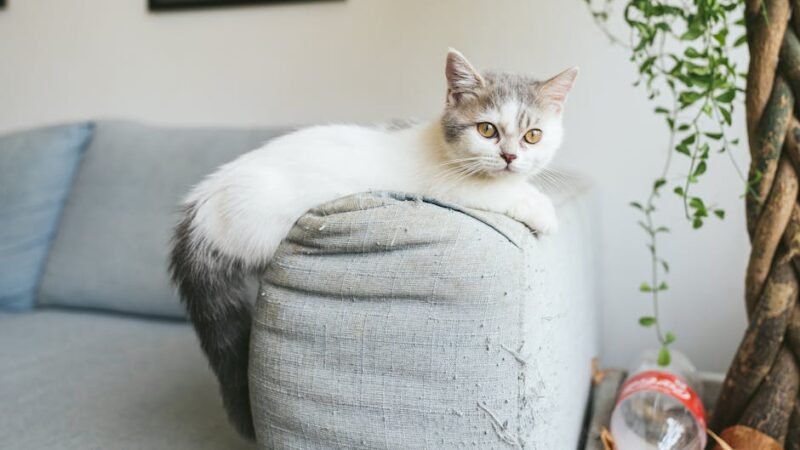
The coat is short, single-layered, and lies close to the body — exactly what you would expect from a cat evolved for hot climates. There is no woolly undercoat. Coat colors include white, black, brown tabby, red, and various bicolor combinations. White-and-tabby is particularly common.
Eyes are oval, set slightly slanted, and color generally complements coat color. The overall impression is of a cat built for purpose — agile, alert, and unsentimental.
Size and Build
Adult males typically weigh 9 to 16 pounds — larger than many short-haired pedigree breeds. Females range from 8 to 12 pounds. The breed gives an impression of substance without bulk; this is a cat that has evolved to chase, climb, and hunt.
Temperament and Personality
Arabian Maus are intelligent, alert, and deeply bonded to their family. Generations of close human contact have produced cats that genuinely engage with people, recognize household members, and prefer involvement to isolation. They are loyal in a way that can feel almost dog-like.
That said, their landrace heritage gives them a self-possessed, somewhat independent streak. They are not lap pets in the classical sense and they are not endlessly tolerant of rough handling. Children who treat cats with respect are welcomed; rough or unpredictable handling is not. Strangers may be greeted politely but not effusively.
With other cats, well-socialized Arabian Maus generally do well. They tend to establish clear hierarchies and prefer companions that match their confident energy. They can coexist with cat-savvy dogs.
Care in Non-Desert Climates
If you live somewhere with cold winters, an Arabian Mau will need extra consideration. The single, short coat that serves so well in Gulf summers offers limited insulation. Indoor temperatures should stay comfortable, drafts should be minimized, and outdoor access in winter should be brief or supervised.
Conversely, the breed handles heat exceptionally well — better than most pedigreed cats. They drink readily, seek shade naturally, and tolerate temperature swings that would stress a Persian or Maine Coon.
Grooming and Coat Care
Grooming requirements are minimal. A weekly run-through with a soft brush or grooming glove removes loose hair and maintains coat shine. There is no undercoat to strip, no mats to manage, and seasonal shedding is moderate.
Exercise and Mental Stimulation
This is a high-energy, intelligent breed. Plan for daily interactive play, climbing structures, and ideally puzzle feeders or food-dispensing toys. The puzzle feeders for cats guide covers practical options. Arabian Maus that lack stimulation can develop attention-seeking behaviors, including overly vocal demands.
Health Profile
The Arabian Mau is generally regarded as a hardy breed with good genetic diversity, owing to its development from a wide free-breeding population rather than a small founding base. Veterinary consensus has not associated the breed with any specific genetic disorder the way some pedigreed lines carry breed-defining health risks.
Of course, all cats face common feline health concerns: dental disease, kidney disease, hyperthyroidism in seniors, and the standard range of urinary and gastrointestinal issues. Routine wellness care is the foundation. Bookmark the cat vaccination schedule if you are setting up care for a new arrival, and start tracking baseline values with the annual bloodwork for cats guide once your cat reaches middle age.
Healthy individuals typically live 12 to 15 years, with many exceeding that range when kept indoors and well cared for.
Diet and Hydration
A complete and balanced commercial cat food appropriate for life stage is the right starting point. Arabian Maus do not have unusual nutritional requirements, but their active lifestyle means they often eat more per pound than sedentary indoor breeds. Adjust portions based on body condition rather than rigid charts.
Hydration deserves attention. Although the breed’s desert ancestry has produced efficient water use, modern indoor cats benefit from multiple water stations, fresh water daily, and ideally a fountain. A high proportion of wet food in the diet supports urinary tract health.
Living with an Arabian Mau
Arabian Maus suit active households where someone is home regularly and where there is space for the cat to climb, run, and explore. They do well in apartments with vertical enrichment but truly thrive when they have more square footage. They are not ideal for households that travel frequently and leave cats unattended for long stretches.
Multi-cat households can work well, particularly when introductions are managed thoughtfully. The introducing kitten to resident cat guide is useful if you are adding a young Arabian Mau to an existing household.
Common Behavioral Traits to Expect
Beyond the broad temperament profile, several specific behaviors are commonly observed in Arabian Maus. They tend to be alert and watchful, often noticing changes in the household before their humans do. Many are notable jumpers and climbers, requiring tall cat trees and secure window screens to channel their athleticism safely.
Play styles favor interactive engagement and toys that mimic prey. Wand toys, feather teasers, and puzzle feeders work well. Many Arabian Maus retain strong hunting instincts and benefit from outlets that channel those drives productively. Without enrichment, the breed’s intelligence can turn into mischief — opening cabinets, finding ways to entertain themselves at the household’s expense.
Vocalization is moderate. They communicate readily with their family but are not as constantly vocal as Siamese lines. Expect chirps, trills, and conversational meows when they want attention.
Finding an Arabian Mau Outside the UAE
For most American adopters, finding an Arabian Mau will require patience and possibly international logistics. The breed is concentrated in the UAE and surrounding Gulf states, where rescue groups and recognized breeders manage most placements.
Realistic paths include: contacting the Emirates Feline Association for breeder referrals, exploring international rescue networks that occasionally place Gulf-region cats, and using the finding a reputable rescue in your state guide to identify rescues experienced with international placements. The cat-only rescues overview can also point to organizations equipped for unusual breed placements.
If true Arabian Mau availability is out of reach, consider that many Domestic Shorthair shelter cats share substantial trait overlap — short coat, lean build, alert temperament. Adoption from your local shelter remains the most ethical choice for most adopters.
Kitten Development and Socialization
Arabian Mau kittens are alert and active from a young age, reflecting the breed’s working-cat heritage. Early socialization to handling, household sounds, and routine care matters more for this breed than for placid lap-cat lines. Kittens that miss thorough socialization in the first sixteen weeks may grow into adults that are wary of strangers or stressed by routine handling.
Establish litter box habits early, introduce gentle grooming as a positive experience, and expose kittens gradually to children, other pets, and the sounds of daily life. The kitten feeding schedule by age guide is a useful reference for the first year.
Senior Arabian Mau Care
As Arabian Maus enter their senior years — typically around age ten or eleven — care priorities shift. Annual exams should become twice-yearly to catch age-related conditions early. Watch for changes in appetite, water consumption, weight, litter box habits, and activity levels. Hyperthyroidism, kidney disease, and dental disease all become more common with age. The senior cat care checklist covers what to monitor.
Joint comfort matters as activity naturally decreases. Lower-sided litter boxes, ramps to favorite perches, and softer bedding all support comfort. Many senior Arabian Maus retain their alert, engaged temperament well into old age, and consistent routines support good quality of life.
Is the Arabian Mau Right for You?
Choose an Arabian Mau if you want a hardy, intelligent, loyal cat with strong working-cat instincts and you have the patience and resources to find one. They suit experienced cat owners, active households, and warmer climates.
Skip the breed if you want a placid lap cat, live in a very cold climate without temperature controls, or need quick local availability. For comparable traits with better availability, look at the Egyptian Mau — another hot-climate breed with similar build and active temperament — or browse the Asian cat breeds overview for related regional landraces.
Frequently Asked Questions
Are Arabian Maus and Egyptian Maus the same breed?
No. Despite the similar name, they are distinct breeds with separate origins. Egyptian Maus are spotted, descended from a documented small founding population, and recognized by major international registries. Arabian Maus are typically not spotted, are a broader landrace, and have different formal status.
Do Arabian Maus do well in cold climates?
They can adapt with proper indoor heating, drafts minimized, and outdoor access limited in winter. Their short, single coat offers less insulation than double-coated breeds, so plan accordingly.
Are Arabian Maus good family pets?
Generally yes, in households where children handle cats respectfully. They bond closely with their family but may not tolerate rough handling well, so they are better suited to families with older children or supervised young children.
How rare is the Arabian Mau outside the UAE?
Genuinely rare. The breed is concentrated in Gulf states, and most pedigreed individuals stay within the region. Importing one to North America requires patience, international logistics, and breeder contacts.
Are they vocal cats?
Moderately. Arabian Maus communicate readily with their family but are not as constantly vocal as Siamese or Burmese breeds. Expect chirps, trills, and conversational meows when they want attention.
Looking to adopt a Arabian Mau Cat Breed Profile?
Browse Arabian Mau Cat Breed Profile cats and mixes available for adoption from shelters and rescues near you.
Find Arabian Mau Cat Breed Profile Cats for Adoption