Last updated: May 17, 2026
In this article
Egyptian Mau Cat Breed Profile: The Naturally Spotted Speed Demon
The Egyptian Mau holds a singular distinction in the cat world: it is the only naturally spotted domestic cat breed. While other spotted breeds, such as the Bengal and the Ocicat, achieve their markings through selective breeding, the Egyptian Mau’s striking spots are a gift of nature, occurring spontaneously in its genetic makeup. Combine those exotic markings with the title of the fastest domestic cat breed — capable of sprinting at speeds over 30 miles per hour — and you have a truly remarkable feline.
But the Egyptian Mau is not just a beautiful athlete. This breed has an ancient heritage that potentially links it to the revered cats of pharaonic Egypt, a loyal and affectionate personality, and a distinctive voice that sets it apart from other cats. In this comprehensive breed profile, we will explore the Egyptian Mau’s fascinating history, physical characteristics, temperament, health considerations, grooming needs, and the type of household where it thrives.
History and Origin of the Egyptian Mau
The Egyptian Mau’s history is intertwined with ancient legend and modern dedication. The word “mau” is the Egyptian word for cat, and the breed’s advocates have long drawn connections between the modern Egyptian Mau and the spotted cats depicted in ancient Egyptian art, murals, and papyrus scrolls dating back over 3,000 years. While direct genetic lineage to the cats of the pharaohs is difficult to prove conclusively, the Egyptian Mau’s naturally occurring spotted coat and its geographic association with Egypt lend credibility to its ancient heritage.
The modern history of the Egyptian Mau begins in the 1950s with an exiled Russian princess named Nathalie Troubetskoy. While living in Rome, Troubetskoy encountered a spotted street cat that she believed was of Egyptian origin. She acquired a female kitten named Baba from the Egyptian ambassador to Italy and later obtained a male named Gregorio. These cats became the foundation of her breeding program.
In 1956, Troubetskoy emigrated to the United States, bringing her Egyptian Maus with her. She established the Fatima cattery and worked tirelessly to promote and preserve the breed in America. The CFA granted the Egyptian Mau championship status in 1977, and the breed has since been recognized by all major cat registries.
The breed’s genetic pool was initially very small, leading to concerns about inbreeding. In the 1980s and 1990s, breeders worked to broaden the gene pool by importing additional cats from Egypt and India that displayed the characteristic spotted coat. These imports helped strengthen the breed’s health and vitality while maintaining its distinctive appearance. For another spotted breed comparison, see our Bengal cat breed profile.
Appearance and Physical Characteristics
The Egyptian Mau is a medium-sized cat with a muscular, graceful build that is perfectly designed for speed and agility. Males typically weigh 10 to 14 pounds, while females range from 6 to 10 pounds. The body is long and athletic, with powerful hind legs that are slightly longer than the front legs — a feature that contributes to the breed’s remarkable sprinting ability and gives it a distinctive stance that looks as though it is standing on tiptoe.
A unique anatomical feature of the Egyptian Mau is a loose skin flap that extends from the flank to the back knee, similar to a cheetah’s. This belly flap allows for a greater range of extension during running, contributing to the breed’s incredible speed. The Egyptian Mau has been clocked at over 30 miles per hour, making it the fastest domestic cat breed.
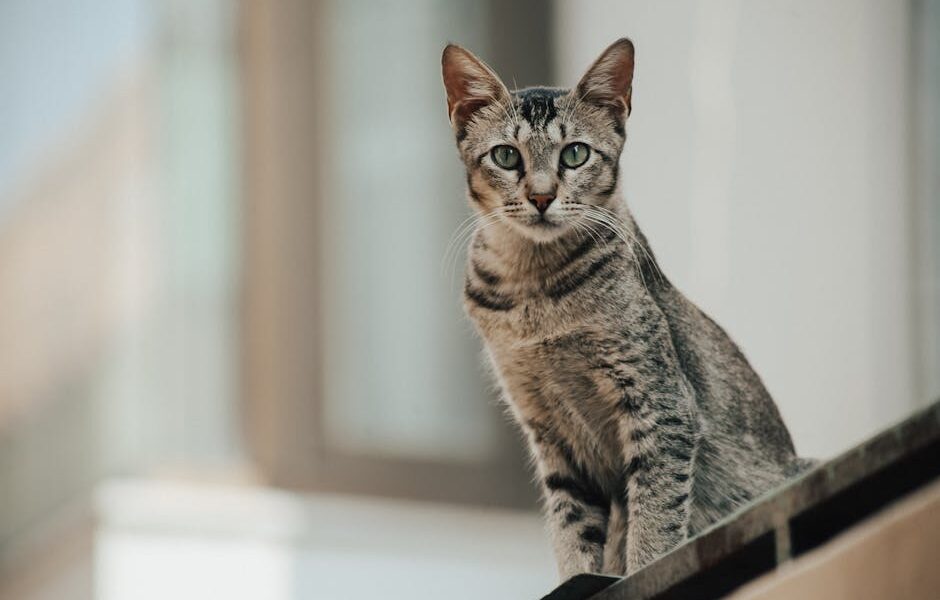
The head is a slightly rounded wedge shape with gentle contours and no flat planes. The muzzle is neither too pointed nor too short, giving the face a balanced, natural appearance. The eyes are large, almond-shaped, and have a characteristic “worried” or alert expression created by the brow line and the slight downward slant of the eyes. Eye color is always gooseberry green — a light, luminous green that is unique and striking.
The ears are medium to large, broad at the base, and may have lynx-like tufts at the tips. An “M” marking on the forehead, often called the “scarab” mark, and mascara lines running from the outer corners of the eyes along the cheeks are characteristic facial markings.
The coat is the Egyptian Mau’s most celebrated feature. It is medium in length with a silky, lustrous texture and a natural spotted pattern that is randomly distributed. The spots vary in size and shape — some are round, others are oblong or irregular — and they occur on both the body and the legs. The tail is banded with a dark tip. Accepted colors are silver (pale silver with charcoal spots), bronze (warm bronze with dark brown spots), and smoke (pale silver to dark gray with jet-black spots). A black Egyptian Mau exists but is not accepted in championship competition.
Temperament and Personality
The Egyptian Mau is a complex, fascinating cat with a personality that blends fierce loyalty with surprising sensitivity. These cats are deeply devoted to their families and form strong, enduring bonds with their primary caregivers. They are often described as “one-family” cats — while they may be friendly with visitors, their heart belongs to their inner circle.
Activity and athleticism are central to the Egyptian Mau’s character. These cats are energetic, agile, and love to play. They are extraordinary jumpers, capable of leaping to impressive heights, and they enjoy climbing, running, and interactive games that challenge their speed and reflexes. Providing ample cat enrichment activities is essential for keeping an Egyptian Mau mentally and physically satisfied.
Intelligence is another standout trait. Egyptian Maus are quick to learn, observant, and incredibly aware of their environment. Many owners report that their Maus seem to understand routines, anticipate events, and even learn to manipulate household objects like door handles and cabinet latches. They enjoy puzzle toys and interactive feeders that challenge their problem-solving abilities.
One of the most charming aspects of the Egyptian Mau is its unique voice. Rather than the typical meow, Maus communicate with a range of chirps, trills, and chortling sounds that sound almost like singing. They may also wag or swish their tails rapidly when excited — a behavior rarely seen in other cat breeds. Some Maus will also “knead” the air with their paws or tread rapidly on the ground when they are happy, a behavior called “wiggle tail.”
The Egyptian Mau can be somewhat shy or reserved with strangers, though it is rarely aggressive. Early socialization helps build confidence, but most Maus will always prefer familiar faces over new acquaintances. They tend to get along well with other cats and gentle dogs, especially when raised together, and they can be wonderful companions for families. They are among the best cats for families who have the time and space to accommodate their active nature.
Health Issues and Lifespan
The Egyptian Mau has a lifespan of 12 to 15 years, with some individuals living longer with excellent care. The breed is generally healthy, but there are a few conditions that owners and breeders should be aware of.
Hypertrophic cardiomyopathy (HCM) has been reported in Egyptian Maus, as it has in many cat breeds. Regular cardiac screenings are advisable, especially for breeding cats. Early detection through echocardiography allows for treatment that can manage the condition and maintain quality of life.
Leukodystrophy, a rare neurological condition, has been identified in some Egyptian Mau lines. This condition affects the brain’s white matter and can cause neurological symptoms. Responsible breeders are working to identify and eliminate this condition through genetic testing and careful breeding practices.
Urolithiasis (bladder stones) has been noted as a potential concern in the breed. Ensuring adequate hydration through access to fresh water, wet food, or water fountains, and feeding a balanced diet can help reduce the risk of urinary issues.
The Egyptian Mau can be sensitive to certain medications and anesthetics, a trait shared by some other breeds with similar genetic backgrounds. Always inform your veterinarian that you have an Egyptian Mau so they can choose appropriate medications and dosages.
As with all breeds, maintaining a healthy weight, providing regular veterinary care, staying current on vaccinations and parasite prevention, and feeding a high-quality diet are the best strategies for ensuring your Egyptian Mau lives a long, healthy life. These active cats are less prone to obesity than sedentary breeds, but their food intake should still be monitored.
Grooming and Care
The Egyptian Mau’s grooming needs are straightforward and manageable. The medium-length, silky coat benefits from a weekly brushing to remove loose hair, distribute natural oils, and maintain its lustrous appearance. A soft-bristled brush or a grooming mitt works well for this breed. During spring and fall shedding seasons, an extra brushing session per week can help manage increased hair loss.
Bathing is rarely needed, as the Egyptian Mau keeps itself meticulously clean. If a bath is necessary, use a gentle, cat-safe shampoo and ensure thorough rinsing to maintain the coat’s natural sheen.
Standard grooming tasks include nail trimming every two to three weeks, weekly ear checks and cleaning as needed, and regular dental care. The Egyptian Mau’s large ears can accumulate wax, so keeping them clean helps prevent infections and discomfort.
Environmental enrichment and exercise are perhaps the most important aspects of Egyptian Mau care. These athletic, intelligent cats need significant physical and mental stimulation. Provide tall cat trees with multiple levels, secure window perches for bird-watching, puzzle feeders, and a generous supply of interactive toys. Daily play sessions — at least two or three vigorous 15-to-20-minute sessions — are essential for burning off the Egyptian Mau’s considerable energy.
Some Egyptian Mau owners provide outdoor access through secure catios or enclosed garden spaces, which allows their cats to enjoy fresh air and sunshine while remaining safe. Leash training is another option for this intelligent breed, and many Maus take to harness walking with enthusiasm.
Litter box hygiene is important, as Egyptian Maus tend to be particular about cleanliness. Scoop daily and maintain a regular litter-changing schedule. Providing at least one litter box per cat, plus one extra, is recommended for multi-cat households.
Who Is the Egyptian Mau Best For?
The Egyptian Mau is best suited for active households that can provide the space, stimulation, and interaction this athletic breed requires. This is not a cat for someone who wants a quiet, sedentary lap companion — while the Egyptian Mau certainly enjoys cuddling with its favorite person, it also needs vigorous daily exercise and mental challenges.
Active individuals and couples who enjoy interacting with their pets will find the Egyptian Mau to be an endlessly rewarding companion. If you enjoy playing with your cat, training it, and providing enriching experiences, the Mau will respond with enthusiasm and deep loyalty.
Families with older children who can engage in active play and handle the cat respectfully are a good match. The Egyptian Mau’s playful nature makes it an excellent companion for kids who want an interactive pet. Very young children should be supervised, as the Mau can be sensitive and may retreat from rough handling.
Homes with secure outdoor access — such as a catio or enclosed garden — are ideal for the Egyptian Mau, as they allow the cat to express its natural athletic instincts in a safe environment. Apartment living can work if sufficient vertical space, climbing structures, and interactive enrichment are provided.
The Egyptian Mau can thrive in multi-pet households, particularly when the other animals are compatible in energy level and temperament. Pairing a Mau with another active breed can be a wonderful combination, as they will keep each other entertained and exercised.
If you want a cat that combines wild beauty, ancient mystique, athletic prowess, and deep personal devotion, the Egyptian Mau is a breed that will capture your heart and keep you on your toes — in the best possible way.
Frequently Asked Questions About the Egyptian Mau Cat
How fast can an Egyptian Mau run?
The Egyptian Mau is the fastest domestic cat breed, capable of sprinting at speeds exceeding 30 miles per hour. This remarkable speed is aided by the breed’s longer hind legs and a unique loose skin flap along the belly that allows for a greater range of extension during running, similar to the anatomy of a cheetah.
Are Egyptian Mau cats good apartment cats?
Egyptian Maus can adapt to apartment living, but they require significant environmental enrichment to compensate for the lack of outdoor space. Tall cat trees, climbing shelves, interactive toys, and daily vigorous play sessions are essential. Without adequate stimulation, an apartment-bound Egyptian Mau may become bored and develop behavioral issues. If possible, providing a catio or secure balcony space for outdoor access is beneficial.
Do Egyptian Mau cats get along with other cats?
Yes, Egyptian Maus generally coexist well with other cats, especially when introduced properly and when the other cat has a compatible temperament. They tend to do best with cats that match their energy level. A very sedentary or timid cat may be overwhelmed by the Mau’s active nature. Slow, gradual introductions are always recommended for the smoothest transition.
What makes the Egyptian Mau’s spots unique?
The Egyptian Mau is the only naturally spotted domestic cat breed. Unlike the Bengal (which was created through crossing with wild Asian Leopard Cats) or the Ocicat (which was developed through selective domestic breeding), the Egyptian Mau’s spots occur naturally in its genetic makeup without any wild cat ancestry. The spots are random in placement and vary in size and shape, appearing on both the coat pattern and the skin underneath.
Looking to adopt a Egyptian Mau Cat Breed Profile?
Browse Egyptian Mau Cat Breed Profile cats and mixes available for adoption from shelters and rescues near you.
Find Egyptian Mau Cat Breed Profile Cats for Adoption