
Last updated: April 6, 2026
In this article
Arthritis in Dogs: A Complete Joint Pain Management Guide
Watching your once-energetic dog struggle to stand up from their bed or hesitate before climbing stairs is one of the harder parts of pet ownership. Arthritis — also known as osteoarthritis or degenerative joint disease — is one of the most common health conditions affecting senior dogs, with veterinary studies suggesting that as many as 80 percent of dogs over the age of eight show some degree of joint degeneration. While there is no cure, the right management plan can dramatically improve your dog’s comfort, mobility, and overall quality of life.
Key Takeaway: Canine arthritis cannot be reversed, but a multi-pronged approach — combining weight management, exercise modification, supplements, medication, and environmental changes — can significantly reduce pain and preserve mobility for years.
What Causes Arthritis in Dogs
Arthritis develops when the protective cartilage that cushions the ends of bones within a joint gradually wears down. Healthy cartilage allows bones to glide smoothly against each other during movement. When that cartilage deteriorates, the bones begin making more direct contact, causing inflammation, pain, and progressive stiffness. Over time, the body may attempt to stabilize the joint by producing bony growths called osteophytes, which further limit range of motion and contribute to discomfort.
Age is the most significant risk factor. The repetitive mechanical stress of years of movement takes a cumulative toll on joint cartilage. However, arthritis is not exclusively a disease of old age. Several factors can accelerate joint degeneration or predispose a dog to early onset arthritis.
Genetics and breed predisposition. Large and giant breeds — including Labrador Retrievers, German Shepherds, Golden Retrievers, Rottweilers, and Great Danes — carry a higher risk due to the greater mechanical load on their joints. However, small breeds are not immune. Dachshunds, for example, are prone to spinal arthritis due to their elongated body structure.
Developmental joint conditions. Dogs diagnosed with hip dysplasia, elbow dysplasia, or luxating patellas earlier in life are significantly more likely to develop arthritis in those affected joints. The abnormal joint mechanics created by these conditions accelerate cartilage wear from a young age.
Previous injuries. A torn cruciate ligament, a fracture that involved a joint surface, or even repeated sprains can set the stage for arthritis. Joints that have been surgically repaired still carry an elevated risk compared to joints that were never injured.
Obesity. Excess body weight places enormous additional stress on joints with every step. Research has shown that maintaining dogs at a lean body weight can delay the onset of arthritis by nearly two years and reduce its severity once it develops. Weight management is arguably the single most impactful intervention available to any dog owner.
Chronic overuse. Working dogs, sporting dogs, and highly active dogs may develop arthritis earlier due to the accumulated wear from intense physical activity over many years. This does not mean exercise is harmful — but it underscores the importance of appropriate conditioning and rest.
Recognizing the Signs of Canine Arthritis
Dogs are remarkably stoic creatures. They have evolved to mask pain and vulnerability, which means arthritis often progresses significantly before owners recognize there is a problem. By the time most dogs show obvious signs of joint pain, the condition has usually been developing for months or even years. Learning to spot the subtle early indicators allows you to intervene sooner and slow progression.
Stiffness after rest. One of the earliest and most consistent signs is stiffness when rising from a nap or first thing in the morning. You may notice your dog taking several slow, careful steps before their gait loosens up. This stiffness often improves with gentle movement as the joints warm up, which can mislead owners into thinking the dog is fine.
Reluctance to jump, climb, or play. A dog that once leaped onto the couch without hesitation now looks up at it and waits for an invitation — or a lift. Stairs that were previously taken two at a time are now approached slowly or avoided. Games of fetch end sooner than they used to. These behavioral shifts often happen gradually enough that owners attribute them to aging rather than pain.
Changes in gait. Watch your dog from behind as they walk. Arthritis can cause a subtle shift in weight distribution as the dog favors less painful limbs. A bunny-hopping gait when running, a shortened stride, or a slight head bob when walking can all indicate joint discomfort. Some dogs develop a noticeable limp, especially after exercise or in cold weather.
Behavioral changes. Pain changes personality. An arthritic dog may become irritable when touched in certain areas, less interested in interaction, or withdrawn. Some dogs vocalize — whimpering or groaning when lying down, standing up, or being handled. Others simply become quieter and less engaged with the family. If your dog is showing multiple signs of declining comfort, our guide on palliative care for dogs offers a broader framework for managing their well-being.
Muscle wasting. As a dog uses a painful limb less, the muscles supporting that joint begin to atrophy. You may notice one leg looking thinner than the others, or the muscles along the spine or hindquarters losing their definition. This muscle loss creates a vicious cycle — weaker muscles provide less joint support, which accelerates degeneration.
Excessive licking or chewing. Some arthritic dogs obsessively lick or chew at the skin over a painful joint. This can lead to hair loss, skin irritation, or hot spots in those areas. If your dog is repeatedly attending to a specific area on their leg or hip, pain in the underlying joint may be the cause.
Veterinary Diagnosis and Medical Treatments
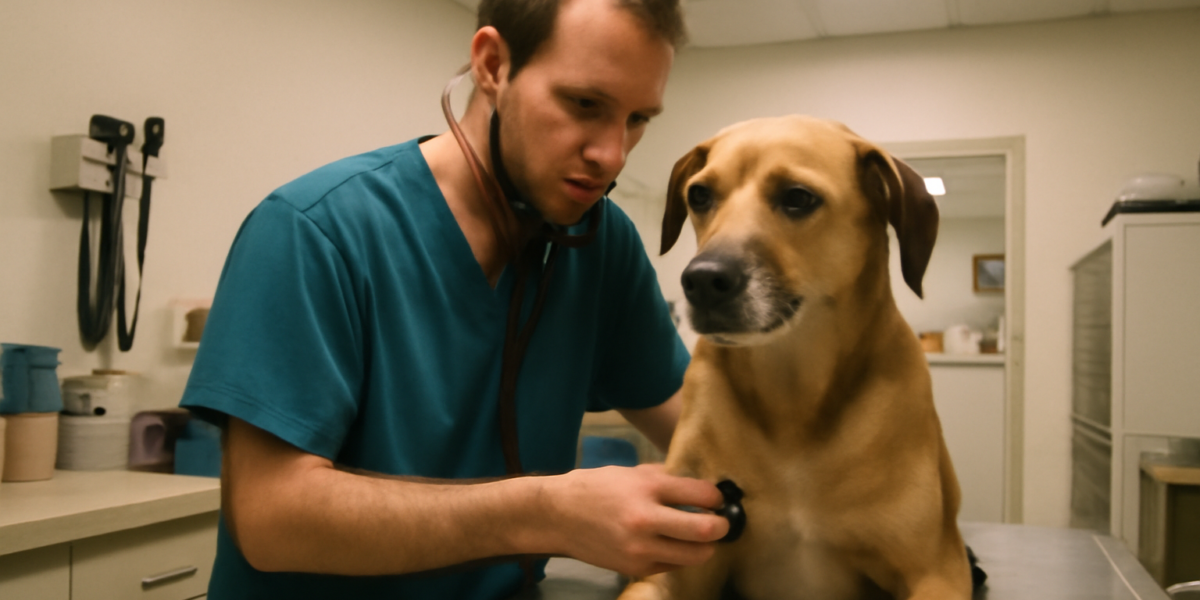
If you suspect your dog has arthritis, a veterinary examination is the essential first step. Your vet will perform a physical exam that includes palpating the joints for swelling, warmth, or reduced range of motion, and observing your dog’s gait. Radiographs are typically the primary diagnostic tool, revealing joint space narrowing, bone spurs, and other structural changes characteristic of arthritis.
Once arthritis is confirmed, your veterinarian will work with you to develop a treatment plan tailored to your dog’s specific situation. Medical management typically involves several components.
Non-steroidal anti-inflammatory drugs (NSAIDs). Medications such as carprofen, meloxicam, and galliprant are commonly prescribed to reduce inflammation and pain. These can be highly effective but require regular blood work monitoring because long-term use can affect liver and kidney function. Never give your dog human NSAIDs like ibuprofen or naproxen, as these can be toxic to dogs.
Joint supplements. Glucosamine and chondroitin sulfate are the most widely recommended supplements for canine joint health. While research results are mixed, many veterinarians and owners report improvements in comfort and mobility. Omega-3 fatty acids from fish oil have stronger evidence supporting their anti-inflammatory benefits for arthritic joints. Green-lipped mussel extract is another supplement gaining recognition for its joint-supporting properties.
Injectable joint therapies. Adequan (polysulfated glycosaminoglycan) is an injectable medication that works to protect cartilage and may help slow disease progression. It is typically given as a series of injections over several weeks, followed by maintenance injections. Newer monoclonal antibody therapies, such as librela (bedinvetmab), target nerve growth factor to reduce pain without the gastrointestinal risks associated with NSAIDs.
Pain medications. For dogs with moderate to severe arthritis, additional pain medications such as gabapentin or tramadol may be added to the regimen. These work through different mechanisms than NSAIDs and can be used in combination for dogs whose pain is not adequately controlled by anti-inflammatories alone.
Physical rehabilitation. Canine rehabilitation — the veterinary equivalent of physical therapy — has become an increasingly important component of arthritis management. Underwater treadmill therapy allows dogs to exercise with reduced joint loading. Therapeutic laser treatment can reduce inflammation and promote tissue healing. Range-of-motion exercises, massage, and acupuncture are other modalities that many arthritic dogs benefit from. If your dog’s mobility has declined to the point where walking is difficult, dog mobility aids like wheelchairs and harnesses can be valuable tools to maintain their independence.
Home Management and Lifestyle Adjustments
What happens at home matters just as much as what happens at the veterinary clinic. The environment you create and the daily routines you establish play a critical role in your arthritic dog’s comfort.
Maintain a healthy weight. This cannot be overstated. If your dog is carrying even a few extra pounds, every step places unnecessary stress on already compromised joints. Work with your veterinarian to determine your dog’s ideal weight and develop a feeding plan to reach and maintain it. Reducing caloric intake by 10 to 15 percent and switching to a senior or weight management formula is often a good starting point. Measure food precisely rather than estimating, and account for treats in the daily calorie count.
Modify exercise, do not eliminate it. The instinct to let an arthritic dog rest is understandable but counterproductive. Regular gentle exercise maintains muscle strength, supports joint flexibility, and helps control weight. The key is consistency and moderation — shorter, more frequent walks are better than one long outing. Aim for two to three moderate walks per day rather than one extended hike. Swimming is an excellent low-impact exercise option for arthritic dogs, as water supports their body weight while allowing full range of motion.
Provide orthopedic bedding. An arthritic dog spends a significant portion of their day lying down, so the surface they rest on matters enormously. Invest in a high-quality orthopedic dog bed with memory foam or similar supportive material. The bed should be thick enough to prevent pressure on bony prominences and large enough for the dog to stretch out fully. Place beds in every room where the dog spends time, and consider a heated bed or pad for cold weather — warmth can significantly ease joint stiffness.
Improve traction on floors. Slippery hardwood, tile, or laminate floors are an arthritic dog’s enemy. Their weakened muscles and stiff joints make it difficult to gain and maintain traction, increasing the risk of falls and the anxiety that comes with feeling unstable. Place non-slip rugs or runners along the paths your dog uses most frequently. Yoga mats cut to size can also provide affordable traction in key areas. Some owners find that toe grips — small rubber rings that fit over the toenails — help dogs maintain footing on smooth surfaces.
Reduce the need to jump or climb. Ramps or pet stairs next to the bed, couch, or car make a meaningful difference. These allow your dog to reach their favorite spots without the jarring impact of jumping. For car travel, a portable ramp with a non-slip surface eliminates the painful leap in and out of the vehicle. Elevating food and water bowls to a comfortable height also reduces strain on the neck and spine during meals.
Keep nails trimmed. Long nails alter a dog’s posture and gait by pushing the toes upward, which changes the angle of the joints in the foot and wrist. For an arthritic dog, this seemingly minor issue can cause disproportionate discomfort. Regular nail maintenance ensures proper foot alignment and comfortable weight distribution.
Long-Term Outlook and Quality of Life
Arthritis is a progressive condition, which means it will worsen over time. However, the rate of progression varies enormously depending on the dog, the severity at diagnosis, and the quality of management. Many dogs live comfortably with arthritis for years when their owners commit to a comprehensive management plan and adjust that plan as needs change.
Regular veterinary check-ups — ideally every six months for arthritic dogs — allow your vet to assess disease progression and modify the treatment plan accordingly. A medication dose that controlled pain six months ago may need adjustment. A supplement that was sufficient early on may need to be paired with additional therapies as the disease advances.
Tracking your dog’s mobility and comfort at home provides valuable information for these veterinary visits. Keep a simple journal noting your dog’s activity levels, ease of movement, appetite, and any changes in behavior. Many veterinarians recommend using a quality of life scale to objectively assess how your dog is doing over time. If you reach a point where managing your dog’s comfort becomes increasingly challenging, understanding when quality of life indicates it may be time to let go is an important part of responsible pet ownership.
The emotional toll of watching a beloved dog struggle with arthritis is real. Take comfort in the fact that the range of available treatments has never been broader, and that the proactive steps you take every day — from managing their weight to providing a warm bed to ensuring those gentle daily walks — genuinely improve their experience. Your dog does not need to run like a puppy to have a good life. They need to be comfortable, loved, and engaged with their family. With the right approach, arthritis does not have to take that away.
Frequently Asked Questions
At what age do dogs typically develop arthritis?
While arthritis can develop at any age — especially in dogs with joint injuries or developmental conditions like hip dysplasia — it is most commonly diagnosed in dogs over seven years old. Large and giant breeds may show signs earlier, sometimes by age five or six. Small breeds tend to develop symptoms later but are certainly not exempt. Regular veterinary wellness exams become increasingly important after age seven to catch joint changes early.
Can arthritis in dogs be prevented?
Complete prevention is not always possible, especially when genetics play a role. However, several strategies significantly reduce the risk and delay onset. Maintaining your dog at a lean body weight throughout their life is the most effective preventive measure. Appropriate exercise that builds muscle without excessive joint impact, joint supplements started before signs appear, and prompt treatment of any joint injury all contribute to long-term joint health. For breeds predisposed to joint conditions, screening for hip and elbow dysplasia allows early intervention.
Is it safe to exercise a dog with arthritis?
Not only is it safe — it is essential. The key is choosing the right type and amount of exercise. Low-impact activities like leash walking on flat surfaces and swimming are ideal. Avoid high-impact activities like jumping for frisbees, running on hard surfaces, or rough play with other dogs. Exercise sessions should be consistent in duration and frequency rather than sporadic and intense. If your dog seems stiffer or more uncomfortable after a walk, reduce the distance or duration and consult your veterinarian about adjusting their pain management.
Are there natural remedies for dog arthritis?
Several natural approaches have evidence supporting their use alongside conventional treatments. Omega-3 fatty acids from fish oil have well-documented anti-inflammatory properties. Turmeric, specifically its active compound curcumin, shows promise in reducing joint inflammation, though dosing for dogs should be discussed with your veterinarian. Acupuncture has gained acceptance in veterinary medicine for pain management. Massage and gentle stretching can improve circulation and flexibility. However, natural remedies work best as complements to — not replacements for — veterinary-guided treatment plans.
How do I know if my dog’s arthritis pain is well-controlled?
A dog with well-managed arthritis pain should be willing to take walks, able to rise from rest without significant difficulty, maintaining their appetite, and engaging with the family. They should not be consistently limping, vocalizing in pain, or avoiding activities they previously enjoyed. If your dog shows improvement on their current treatment plan but still has bad days — particularly in cold or damp weather — that is normal. If the bad days outnumber the good days, or if you notice a declining trend over weeks, it is time to revisit the treatment plan with your veterinarian.
What is the difference between arthritis and hip dysplasia in dogs?
Hip dysplasia is a developmental condition in which the hip joint does not form properly — the ball and socket do not fit together correctly. Arthritis is the degenerative wear of joint cartilage. The two conditions are closely related because hip dysplasia almost always leads to arthritis in the affected hip over time. However, arthritis can develop in any joint and from many causes, not just dysplasia. A dog can have arthritis without ever having had hip dysplasia, but a dog with hip dysplasia will very likely develop arthritis in those joints eventually.


