Last updated: April 27, 2026
In this article
Overview
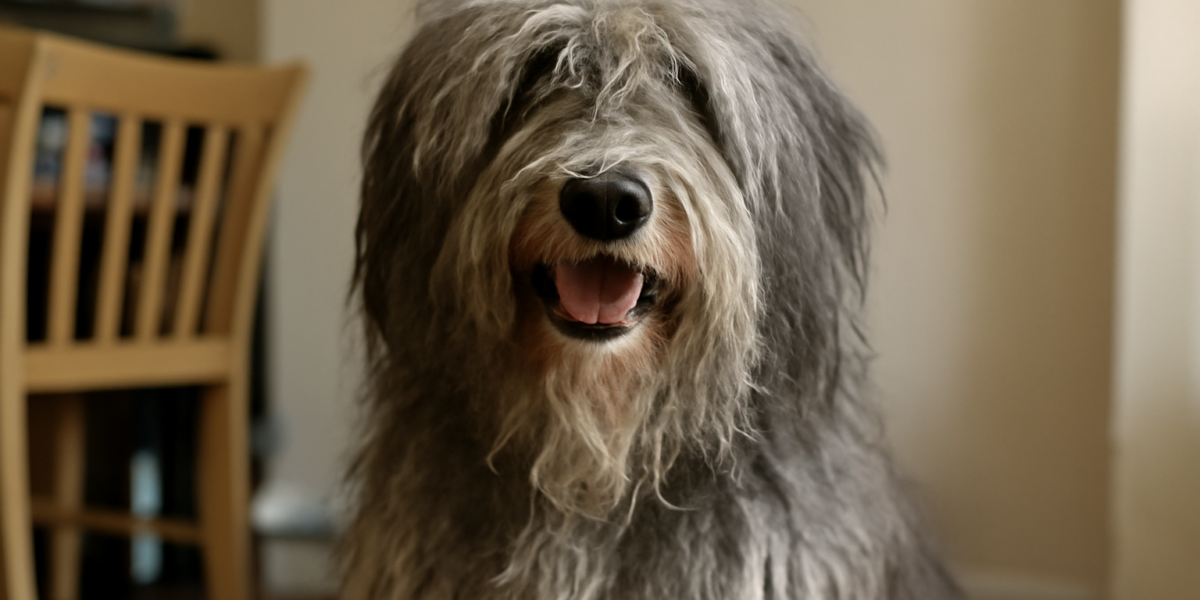
The Bergamasco Sheepdog is one of the most visually distinctive breeds in the dog world, recognized instantly by its remarkable matted coat that forms flat, felt-like mats called “flocks.” Developed in the Italian Alps near Bergamo, this ancient herding breed was designed to work independently alongside shepherds, guarding and moving flocks across rugged mountain terrain. This bergamasco sheepdog breed profile covers everything you need to know about living with this rare, intelligent, and deeply loyal companion.
Despite their eye-catching appearance, Bergamascos remain relatively uncommon outside their native Italy. The American Kennel Club recognized the breed in 2015, and dedicated breeders and rescue groups are working to grow awareness of this gentle, capable dog.
Quick Facts
- Breed Group: Herding (AKC)
- Size: Large (57–84 pounds; 22–24.5 inches at the shoulder)
- Lifespan: 13–15 years
- Energy Level: Moderate
- Grooming Needs: Unique (minimal once flocks form)
Temperament and Personality
Bergamascos are calm, patient, and remarkably intelligent dogs that think before they act. Bred to make independent decisions while managing livestock on steep mountain slopes, they bring that same thoughtful, problem-solving approach to family life. They are not impulsive or hyperactive; instead, they observe, assess, and respond with measured confidence.
These dogs form strong bonds with their families and are especially gentle with children. Many Bergamasco owners describe their dogs as having an almost intuitive understanding of the emotional states of the people around them. They are protective without being aggressive, and their calm watchfulness makes them reliable guardians of home and family.
Bergamascos can be reserved with strangers, but they are not fearful or hostile. Early socialization helps them distinguish between welcome visitors and genuine threats. They generally get along well with other dogs and can coexist with cats, especially when raised together from puppyhood.
Size and Appearance
The Bergamasco is a solidly built, medium-to-large dog with a rustic, natural appearance. Males stand 23 to 24.5 inches at the shoulder and weigh 70 to 84 pounds, while females are slightly smaller at 22 to 23 inches and 57 to 71 pounds.
The coat is the breed’s defining feature and consists of three distinct hair types: a fine, oily undercoat; long, straight “goat hair”; and a woolly outer layer. These three textures naturally interweave beginning around the first year of age, eventually forming the characteristic flat mats or flocks that cover the body from the spine downward. The flocks grow over several years, eventually reaching the ground in mature adults.
Beneath the dramatic coat is an athletic, well-proportioned dog with strong legs, a broad chest, and a long tail that hangs naturally. The head is large with a broad skull, and the eyes, often partially hidden by the coat, convey a gentle, intelligent expression. Coat colors include solid gray, silver, black, or various merle patterns.
Exercise and Activity Needs
Despite their herding heritage, Bergamascos have moderate exercise needs compared to higher-drive working breeds like Border Collies or Australian Shepherds. They were bred for endurance rather than speed, covering rugged terrain at a steady pace over long working days.
A daily walk of 45 to 60 minutes, combined with some off-leash time in a secure area, meets most Bergamascos’ physical needs. They enjoy hiking, especially on varied terrain that reminds them of their Alpine roots. Swimming is another activity many Bergamascos take to naturally, though their coat does take longer to dry.
Mental stimulation is equally important for this thinking breed. Puzzle toys, scent work, and obedience training challenge their problem-solving abilities and prevent boredom. Bergamascos excel at herding trials, but they also enjoy rally, nose work, and even therapy dog work thanks to their gentle temperament.
Avoid over-exercising puppies while their joints are developing. Follow your veterinarian’s guidance on appropriate activity levels during the first 18 months, as large breeds mature more slowly than small ones.
Grooming and Care
The Bergamasco’s coat looks like it would be a grooming nightmare, but the reality is surprisingly manageable once you understand the process. During the first year, the puppy coat is soft and requires regular brushing. Between one and three years of age, the adult coat textures begin to emerge and the flocking process starts.
During the flocking stage, you will need to manually separate the forming mats into flat, even sections to ensure they develop properly and do not clump into tight, uncomfortable masses. This separation process takes dedicated effort over several sessions but only needs to be done once. After the flocks are established, the coat is essentially self-maintaining.
Mature flocked coats do not need brushing and only require bathing a few times per year (or as needed). The flocks dry slowly, so plan baths for warm days or use fans to assist drying. The coat is naturally dirt-resistant and does not produce a strong odor when properly maintained.
Beyond the coat, standard grooming applies: trim nails every two to three weeks, check ears weekly for debris or infection, and maintain a regular dental care routine. Many owners keep the hair around the face and feet trimmed for comfort and hygiene.
Health and Lifespan
Bergamascos are impressively healthy dogs with a long lifespan for their size, typically living 13 to 15 years. Their relative rarity and careful breeding practices have kept the breed largely free of the widespread genetic conditions that plague more popular breeds.
Hip dysplasia can occur in any large breed, and responsible breeders screen for it. Have your Bergamasco’s hips evaluated by your veterinarian, especially if you notice stiffness, reluctance to climb stairs, or difficulty rising after rest.
Eye conditions including progressive retinal atrophy (PRA) have been documented in the breed, though incidence is low. Annual eye exams help detect changes early.
Bloat (gastric dilatation-volvulus) is a risk for any deep-chested breed. Feed two smaller meals per day rather than one large meal, avoid vigorous exercise immediately after eating, and learn to recognize bloat symptoms (distended abdomen, retching without producing vomit, restlessness) so you can seek emergency care immediately.
Maintain a regular vaccination schedule, use appropriate parasite prevention, and schedule annual wellness exams. The Bergamasco’s overall genetic health is one of the breed’s greatest assets, and proactive veterinary care helps preserve it.
Is the Bergamasco Sheepdog Right for You?
Bergamascos are ideal for experienced dog owners who appreciate an independent-minded, intelligent breed that does not demand constant entertainment. They thrive in homes with yards and access to hiking or outdoor activities, though they can adapt to suburban settings with regular exercise.
This breed is not suited for owners who want instant obedience or a dog that lives to please. Bergamascos are cooperative rather than submissive, and training should be based on mutual respect and positive reinforcement. Harsh methods damage their trust and are counterproductive.
If the bergamasco sheepdog breed profile appeals to you, start by contacting breed-specific rescue organizations or reputable breeders. Because the breed is rare, you may need to join a waiting list. Visit our dog adoption hub to explore available dogs and learn about the adoption process.
Compare the Bergamasco with other herding breeds to find the best fit for your lifestyle. Our Dutch Shepherd breed profile covers another versatile herding breed with different energy and grooming needs, and the Newfoundland vs Saint Bernard comparison explores other large-breed options for families.
Frequently Asked Questions
Does the Bergamasco’s coat smell?
A properly maintained Bergamasco coat does not produce significant odor. The natural oils in the coat are actually mildly dirt-resistant. Occasional bathing (three to four times per year) and ensuring the coat dries thoroughly after getting wet keeps smell to a minimum.
Can I shave a Bergamasco’s coat?
Shaving is strongly discouraged. The flocked coat protects the Bergamasco from sun, cold, insects, and skin injuries. Once shaved, the coat may not flock properly again. If the coat has become severely matted in unhealthy clumps, consult a professional groomer experienced with the breed for guidance.
Are Bergamascos good with children?
Yes. Bergamascos are known for their patience and gentleness with children. They often become devoted protectors and playmates. As with any large breed, supervise interactions with very young children and teach kids to respect the dog’s space.
How much exercise does a Bergamasco need?
A 45- to 60-minute daily walk plus some off-leash or interactive play meets most adults’ needs. They enjoy hiking and varied terrain but are not as high-energy as Border Collies or other intense herding breeds. Mental enrichment through training and puzzle toys is equally important.
Are Bergamascos easy to train?
Bergamascos are intelligent and willing to cooperate, but they are independent thinkers. They respond best to positive reinforcement training that respects their autonomy. Repetitive drills bore them, so keep sessions varied and engaging. Patience and consistency yield excellent results with this breed.
Looking to adopt a Bergamasco Sheepdog Breed Profile?
Browse Bergamasco Sheepdog Breed Profile dogs and mixes available for adoption from shelters and rescues near you.
Find Bergamasco Sheepdog Breed Profile Dogs for Adoption