Last updated: April 27, 2026
In this article
Overview
The Dutch Shepherd is a versatile, athletic working dog that excels at nearly every task asked of it, from herding and protection work to search-and-rescue and competitive dog sports. Originally developed in the Netherlands as an all-purpose farm dog, the Dutch Shepherd is prized for its intelligence, trainability, and unwavering work ethic. This dutch shepherd breed profile explores the breed’s characteristics, care needs, and what it takes to live happily with one of the most capable dogs on the planet.
Unlike its more famous cousins, the German Shepherd and Belgian Malinois, the Dutch Shepherd remains relatively rare. World War II devastated the breed’s numbers as industrialization eliminated the need for farm dogs and wartime conditions disrupted breeding programs. Dedicated breed enthusiasts rebuilt the population, and today the Dutch Shepherd is gaining recognition among working dog professionals and active families worldwide.
Quick Facts
- Breed Group: Herding (AKC Foundation Stock Service; FCI Group 1)
- Size: Medium to large (42–75 pounds; 21.5–24.5 inches at the shoulder)
- Lifespan: 11–14 years
- Energy Level: High to very high
- Grooming Needs: Low to moderate (varies by coat type)
Temperament and Personality
Dutch Shepherds are driven, loyal, and remarkably adaptable dogs. They live to work and are happiest when they have a clear purpose, whether that is herding livestock, competing in obedience trials, or running an agility course. Their intelligence is paired with an eagerness to learn that makes them exceptionally trainable.
These dogs bond deeply with their handlers and families. They are affectionate at home, often choosing to lie near their people rather than in a distant corner. With proper socialization, Dutch Shepherds are confident and friendly in public, though they naturally maintain an awareness of their surroundings that makes them effective watchdogs.
Dutch Shepherds are not aggressive dogs, but they are protective. They assess situations with a calm confidence that distinguishes them from more reactive breeds. Early socialization with diverse people, dogs, and environments is essential to develop this balanced temperament. Without it, their protective instincts can become overreactive.
Their high drive and intelligence mean Dutch Shepherds are not a good fit for passive owners. These dogs need structured activity, clear leadership, and mental challenges to thrive. A bored Dutch Shepherd will find its own entertainment, often at the expense of your furniture, garden, or shoes.
Size and Appearance
Dutch Shepherds are medium-to-large dogs with a well-proportioned, athletic build that communicates strength without bulkiness. Males stand 22.5 to 24.5 inches at the shoulder and weigh 55 to 75 pounds. Females are 21.5 to 23.5 inches and 42 to 55 pounds.
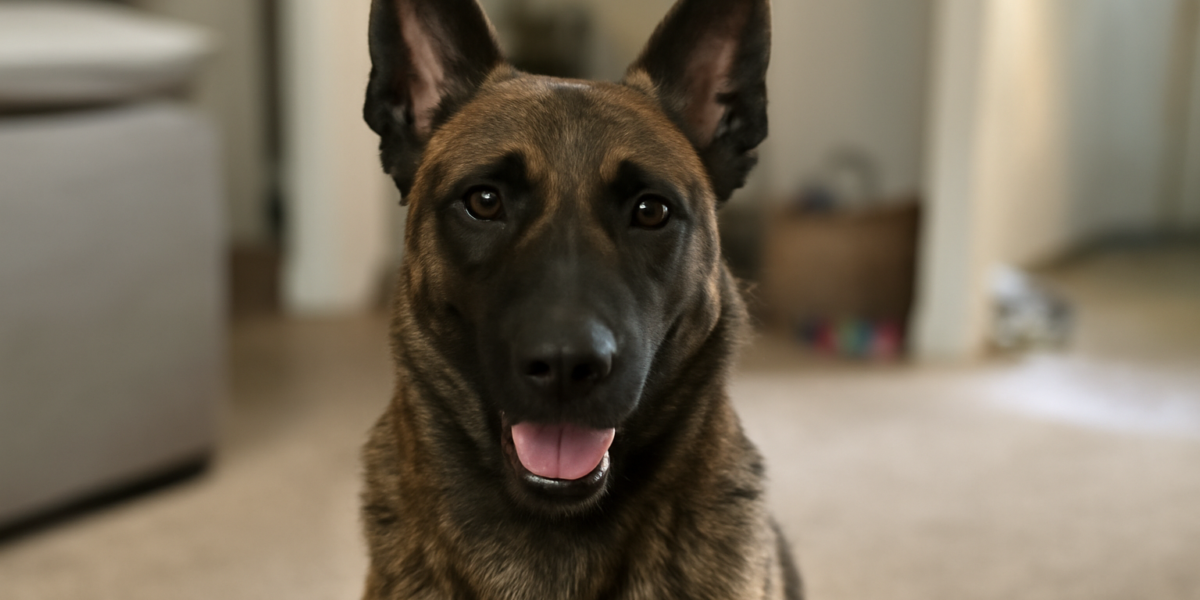
The breed’s most distinguishing visual feature is its brindle coat pattern, which is required by the breed standard. This gold or silver brindle sets the Dutch Shepherd apart from the solid-colored German Shepherd and Belgian Malinois. Three coat varieties exist:
- Short-haired: A close-lying, hard outer coat with a woolly undercoat. Most common in working and sport lines.
- Long-haired: A straight, flat outer coat with a dense undercoat. Feathering on ears, legs, and tail.
- Wire-haired: A harsh, tousled outer coat with a dense, woolly undercoat. The rarest variety, with a distinctive beard and eyebrows.
The head is wedge-shaped with medium-sized, erect ears and dark, almond-shaped eyes that convey alertness and intelligence. The overall expression is keen and lively, reflecting the breed’s active mind.
Exercise and Activity Needs
Dutch Shepherds need substantial daily exercise and mental stimulation. Plan for a minimum of 60 to 90 minutes of vigorous activity per day, including running, hiking, swimming, or structured dog sports. A simple walk around the block will not satisfy this breed.
Dog sports are where Dutch Shepherds truly shine. They excel at agility, obedience, tracking, protection sports (IPO/Schutzhund), dock diving, and herding trials. These activities provide the combination of physical exertion and mental engagement that the breed craves. Many Dutch Shepherd owners find that training for and competing in dog sports becomes a rewarding lifestyle for both dog and handler.
Off-leash exercise should take place in secure, enclosed areas. While Dutch Shepherds typically have better recall than some other working breeds, their drive and focus can override commands when something triggers their working instincts.
Mental stimulation is non-negotiable. Puzzle toys, scent work, obedience drills, and new trick training keep the Dutch Shepherd’s mind engaged. Rotate activities regularly to prevent habituation, and involve your dog in household routines and tasks to satisfy their need for purpose.
Grooming and Care
Grooming requirements vary by coat type, but all three varieties are relatively low-maintenance compared to heavy-coated breeds.
Short-haired: Weekly brushing keeps the coat clean and manages shedding. During spring and fall shedding seasons, daily brushing helps control the undercoat blowout.
Long-haired: Brush two to three times per week, paying attention to the feathering areas that are prone to tangles. Regular brushing during shedding season prevents mats.
Wire-haired: Brush weekly and hand-strip twice per year to maintain the coat’s proper texture. The beard and eyebrows may need occasional trimming for neatness and hygiene.
All varieties need regular nail trimming (every two to three weeks), ear cleaning, and dental care. Dutch Shepherds are naturally clean dogs that rarely need bathing outside of muddy adventures. Check paw pads regularly, especially after outdoor activities on rough terrain.
Health and Lifespan
Dutch Shepherds are generally healthy dogs with a lifespan of 11 to 14 years. Their relatively small gene pool means breeders must be vigilant about health testing, but the breed benefits from a history of selection for working ability rather than appearance.
Hip dysplasia is the most commonly screened condition in the breed. OFA or PennHIP evaluations should be performed on breeding dogs, and buyers or adopters should ask about parental hip scores.
Elbow dysplasia occurs at lower rates than hip dysplasia but should still be screened for. Symptoms include front-leg lameness, stiffness, and reluctance to extend the elbow fully.
Goniodysgenesis is an eye condition linked to glaucoma that has been identified in some Dutch Shepherd lines. Affected dogs have abnormally developed drainage angles in the eye, which can lead to increased ocular pressure and vision loss. Eye screening is recommended for all breeding dogs.
Inflammatory myopathy is a rare muscle condition that has been documented in the breed. Affected dogs show muscle wasting, stiffness, and exercise intolerance. Genetic testing can identify carriers.
Work with a veterinarian who understands working breeds and schedule annual wellness exams that include orthopedic and ophthalmologic evaluations.
Is the Dutch Shepherd Right for You?
Dutch Shepherds are exceptional dogs for the right owners. They thrive with active, experienced handlers who can provide structure, training, and daily purpose. If you enjoy dog sports, outdoor adventures, or need a working partner for professional tasks, the Dutch Shepherd is hard to surpass.
This breed is not ideal for sedentary households, first-time dog owners without a training plan, or families who want a low-energy companion. Their drive and intelligence are assets when channeled properly and liabilities when neglected.
If you are drawn to this dutch shepherd breed profile, explore adoption options through breed-specific rescues and our dog adoption hub. Dutch Shepherds from retired working careers or owner surrenders occasionally need new homes and can make excellent family dogs with proper transition support.
For comparisons with similar breeds, check out our Weimaraner vs Vizsla guide for athletic sporting breeds, or explore the Bergamasco Sheepdog breed profile for a calmer herding alternative.
Frequently Asked Questions
How is the Dutch Shepherd different from a German Shepherd?
Dutch Shepherds are generally lighter, more agile, and have fewer structural health issues than German Shepherds. Their brindle coat distinguishes them visually. Temperamentally, Dutch Shepherds tend to be more versatile and less prone to the nervousness sometimes seen in poorly bred German Shepherds. Both breeds are intelligent and trainable.
Are Dutch Shepherds good family dogs?
Yes, for active families that can meet their exercise and training needs. Dutch Shepherds are affectionate, loyal, and generally good with children when raised with them. However, their high energy and drive mean they are better suited to families that include the dog in daily activities rather than expect it to entertain itself.
How much training does a Dutch Shepherd need?
Ongoing training is essential throughout the Dutch Shepherd’s life. Basic obedience should begin in puppyhood and progress to advanced training or sport-specific work. These dogs enjoy learning and need the mental stimulation that regular training provides. Short, engaging sessions several times per week are more effective than occasional long sessions.
Can Dutch Shepherds live in apartments?
It is possible but challenging. Dutch Shepherds need significant daily exercise that is difficult to provide in an apartment setting without dedicated effort. An apartment-dwelling Dutch Shepherd would need multiple long walks, running sessions, and training activities daily. Most owners find that a home with a yard and access to open spaces works better.
Are Dutch Shepherds rare?
Yes, Dutch Shepherds are relatively rare, especially compared to German Shepherds and Belgian Malinois. Finding a Dutch Shepherd may require patience, whether through a breeder or rescue. Contact breed clubs and rescue organizations for guidance on locating available dogs.
Looking to adopt a Dutch Shepherd Breed Profile?
Browse Dutch Shepherd Breed Profile dogs and mixes available for adoption from shelters and rescues near you.
Find Dutch Shepherd Breed Profile Dogs for Adoption