Last updated: May 6, 2026
In this article
Best Cats for Single People: 10 Independent Yet Affectionate Breeds
Living alone doesn’t mean living without companionship, and for millions of single people, a cat provides the perfect balance of affection and independence. The best cats for single people offer warm companionship when you’re home, manage well during your working hours, and fit seamlessly into the rhythms of a solo lifestyle without demanding the constant attention that some pets require.
But not all cat breeds are equally suited to single-person households. Some cats become anxious when left alone, others are so aloof they barely acknowledge your existence, and still others require grooming and care routines that can overwhelm someone managing everything solo. The breeds on this list hit the sweet spot — affectionate enough to feel like a real companion, independent enough to respect your schedule, and manageable enough that one person can comfortably provide everything they need. If you’re in a smaller space, our guide to the best cats for apartments pairs well with this article.
What Single People Should Look for in a Cat
Before exploring specific breeds, it’s worth considering what traits matter most when you’re the sole caretaker and companion for a feline friend.
Adaptability to varying schedules is crucial. Single people often have busier, less predictable routines than families. Late nights out, weekend trips, and shifting work schedules mean your cat needs to handle some alone time gracefully. Breeds prone to separation anxiety or those that become destructive without constant stimulation may not be the best fit for someone who can’t guarantee being home at the same time every day.
Affection level matters more than you might think. When you live alone, your cat is your primary companion at home. A breed that’s deeply independent to the point of indifference can feel isolating. The ideal cat for a single person is one that greets you when you come home, enjoys sitting near you in the evening, and shows genuine interest in your presence — without being so clingy that every trip to the bathroom becomes a negotiation.
Maintenance requirements should be realistic for one person. Breeds with extensive grooming needs, complex dietary requirements, or high veterinary costs can be challenging to manage on a single income and schedule. This doesn’t mean you can’t choose a higher-maintenance breed, but it should factor into your decision.
Finally, consider your social life. If you frequently have guests, choose a breed that’s sociable with visitors. If you prefer quiet evenings alone, a more reserved breed that bonds primarily with one person may suit you better.
Top 10 Best Cats for Single People
Each of the following breeds offers something special for solo owners, from effortless companionship to entertaining antics that make coming home a highlight of your day.
1. Russian Blue. The Russian Blue is arguably the perfect single-person cat. These elegant, silver-coated cats form intense bonds with one person while being reserved — but not unfriendly — with others. They’re quiet, clean, and remarkably low-maintenance, with a short, dense coat that barely sheds. Russian Blues are content to spend your working hours napping in their favorite spot, then welcome you home with gentle headbutts and soft purring. They’re sensitive to their owner’s moods and often provide comfort intuitively, sitting close when you’re stressed and giving space when you’re busy. Their predictable, gentle nature makes them ideal for someone navigating life solo.
2. Scottish Fold. With their distinctive folded ears and round, owl-like faces, Scottish Folds are as visually charming as they are temperamentally well-suited to single-person households. They’re moderately active, enjoy interactive play but don’t demand it constantly, and have a talent for entertaining themselves with simple toys. Scottish Folds are adaptable and handle schedule changes well, and they’re affectionate without being needy. They often follow their owner from room to room, observing activity with quiet curiosity. One endearing trait: Scottish Folds frequently sit in unusual positions — flat on their backs, legs splayed — which provides endless amusement for their owners.
3. Ragdoll. If you want a cat that acts more like a cuddly stuffed animal than an independent feline, the Ragdoll is your breed. Named for their tendency to go limp when picked up, Ragdolls are among the most affectionate cat breeds, actively seeking physical contact with their owners. They’ll follow you around the house, meet you at the door, and curl up in your lap every chance they get. For a single person who wants a cat that genuinely feels like a companion, the Ragdoll delivers. They’re gentle, quiet, and easygoing. The trade-off is their gorgeous semi-long coat, which requires regular brushing — but many single owners find the grooming ritual a relaxing way to bond. If you love lap cats, explore our best lap cat breeds guide for more options.
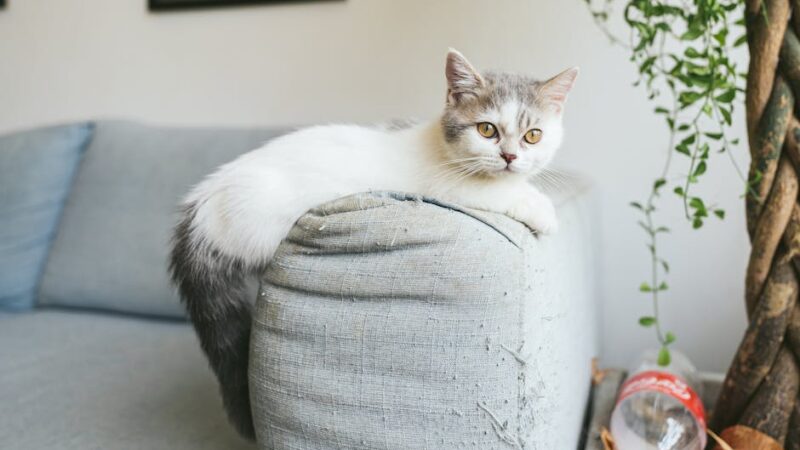
4. British Shorthair. The British Shorthair is the cat equivalent of a dependable, low-drama friend — always pleasant, never overwhelming, and perfectly content with your company or their own. These round-faced, plush-coated cats are calm, quiet, and independent enough to handle a full workday alone without issue. They’re affectionate on their own terms, often choosing to sit beside you rather than on you. British Shorthairs are robust and healthy, with minimal grooming needs and a temperament that takes life’s changes in stride. They’re particularly good for single people who work long hours, as they’re genuinely content alone and don’t require constant entertainment.
5. Siamese. The Siamese is the right choice for a single person who wants a truly interactive companion — one that converses, plays, and participates in daily life as an active partner. Siamese cats are famously vocal, carrying on lengthy conversations with their owners in a distinctive, raspy voice. They’re intelligent, curious, and deeply bonded to their person. For someone living alone, a Siamese provides a level of engagement and personality that makes the house feel alive. The caveat: Siamese cats don’t do well with long periods of solitude. If you work long hours away from home, consider getting two, or choose a less demanding breed. But for remote workers or those with predictable schedules, a Siamese is an endlessly entertaining companion.
6. Burmese. Burmese cats share the Siamese’s people-oriented personality but in a slightly less intense package. They’re warm, affectionate, and genuinely enjoy human company, often described as having dog-like devotion to their owners. Burmese cats are playful well into adulthood and love interactive games, but they also know how to relax and can settle contentedly near their person during quiet evenings. They’re less vocal than Siamese, making them better suited for apartment living. Burmese cats are also known for their sleek, easy-care coat that requires almost no grooming. For a single person who wants an engaged, loving companion without extreme neediness, the Burmese hits the mark.
7. Maine Coon. For single people who want a larger-than-life companion, the Maine Coon is a gentle giant that fills a home with personality. These big, friendly cats are social, playful, and remarkably adaptable. Maine Coons are independent enough to entertain themselves but affectionate enough to seek out quality time with their owner each day. They’re known for following their person around the house, chirping and trilling rather than meowing. Despite their impressive size — males can exceed 18 pounds — they’re gentle and undemanding. Their long coat does require regular brushing, but many single owners enjoy the grooming time as a bonding activity.
8. Abyssinian. The Abyssinian is the perfect cat for a single person with an active lifestyle who wants a feline that matches their energy. Abyssinians are athletic, curious, and endlessly playful, treating every room in the house as a potential adventure zone. They love climbing, exploring, and learning tricks, and they form strong bonds with their owners through interactive play. Abyssinians are less cuddly than some breeds on this list — they prefer to be near you rather than on you — but their engagement and personality more than compensate. They’re particularly well-suited to single people who enjoy training their pets and providing enrichment activities.
9. Exotic Shorthair. Think of the Exotic Shorthair as a Persian with a low-maintenance coat. These sweet, gentle cats have the Persian’s calm, affectionate temperament but with a short, plush coat that requires far less grooming — a significant advantage for a busy single person. Exotic Shorthairs are quiet, laid-back, and content with a mellow lifestyle. They enjoy gentle play and lap time but aren’t demanding about either. They handle alone time reasonably well, though they definitely prefer having company. For someone who wants a beautiful, peaceful companion without the grooming commitment of a long-haired breed, the Exotic Shorthair is an excellent choice.
10. Bombay. The Bombay — sometimes called the “parlor panther” for its sleek, jet-black coat and copper eyes — is an underrated gem for single-person households. Bombays are confident, social, and warmly affectionate without being overwhelming. They adapt well to different living situations and handle visitors with poise, making them great for single people who entertain at home. Bombays are moderately active, enjoying play sessions but equally content to lounge elegantly on the sofa. They tend to pick a favorite person and devote themselves completely, which is exactly what many single cat owners are looking for. Their short coat is virtually maintenance-free, and their robust health means fewer unexpected vet bills.
How to Choose the Right Cat for Your Solo Lifestyle
With ten excellent options to consider, narrowing down your choice requires an honest assessment of your daily life and preferences.
Consider your daily schedule first. If you work long hours away from home, breeds like the British Shorthair, Russian Blue, or Exotic Shorthair will manage your absence most gracefully. If you work from home or have a predictable schedule with plenty of home time, more social breeds like the Siamese, Burmese, or Ragdoll will thrive on your consistent presence.
Think about your energy level at home. After a long day, do you want a cat that entertains you with playful antics (Abyssinian, Burmese) or one that quietly relaxes beside you (British Shorthair, Exotic Shorthair)? Your evening routine should be enjoyable for both you and your cat. For indoor-focused cats that adapt well to life inside, check out our best indoor cats guide.
Factor in your living space. Most cats on this list adapt to apartments, but active breeds like Abyssinians and Maine Coons benefit from vertical space — cat trees, wall shelves, and climbing structures that expand their territory upward. Calmer breeds like British Shorthairs and Exotic Shorthairs need less environmental enrichment.
Don’t overlook the two-cat option. If your lifestyle involves regular long absences, adopting a pair of cats — whether littermates or a bonded pair from a shelter — ensures your cats have companionship when you’re unavailable. Many of the breeds on this list do well in pairs, and the additional care requirements for a second cat are relatively modest compared to the behavioral benefits.
Practical Tips for Single Cat Owners
Being the sole caretaker for a cat comes with specific responsibilities. These practical tips help ensure you and your feline companion thrive together.
Automate what you can. Automatic feeders ensure your cat eats on schedule even if you’re running late. Self-cleaning litter boxes reduce daily maintenance. Water fountains encourage hydration and require less frequent refilling than bowls. These tools aren’t about replacing your involvement — they’re about ensuring consistency even on your busiest days.
Build a support network. Identify a trusted friend, neighbor, or professional pet sitter who can step in when you travel or face an emergency. Single cat owners don’t have a partner to share the responsibility, so having a backup plan is essential. Many veterinary clinics can also recommend reliable pet sitters in your area.
Prioritize preventive veterinary care. Keeping up with regular checkups, vaccinations, and dental care prevents expensive emergencies down the road. Pet insurance is worth considering, especially on a single income, as it provides financial protection against unexpected medical costs that can be devastating when you’re managing expenses alone.
Create enrichment for when you’re away. Puzzle feeders, window perches with bird-feeder views, and rotating toy selections keep your cat mentally stimulated during solo hours. Some single owners leave nature documentaries or cat-specific videos playing during the day, which can provide visual stimulation for curious cats.
Adoption Considerations for Single People
If you’re considering adopting from a shelter or rescue, you may encounter questions about your single status during the application process. Some rescues prefer households with multiple people or ask about your backup care plan. Being prepared with answers shows responsibility and increases your chances of a successful adoption.
Shelters can also be an excellent resource for finding the right temperament match. Staff and volunteers interact with cats daily and can often identify which cats would thrive in a single-person household. An adult cat whose personality is already established may be a safer choice than a kitten, whose adult temperament is harder to predict. Many wonderful cats in shelters are overlooked because they’re past the kitten stage, but for a single person, an adult cat’s known temperament and lower energy demands can be a significant advantage.
Mixed-breed cats also deserve serious consideration. While breed profiles provide useful guidelines, individual personality varies widely, and many shelter cats — regardless of breed — display the exact combination of independence and affection that single people need. The best cat for you might not have a pedigree, but it will have the right personality.
Frequently Asked Questions
Is it cruel to have just one cat if I live alone?
Not at all. Many cat breeds are perfectly content as the sole pet in a household, especially those that bond strongly with one person, like the Russian Blue, Ragdoll, or Bombay. The key factors are providing adequate stimulation during your absence (toys, enrichment, window access) and quality interaction when you’re home. Some cats actually prefer being the only pet, as it means they don’t have to share their person’s attention. However, if you’re away from home for extended hours regularly, a second cat can provide beneficial companionship. Observe your cat’s behavior — signs of boredom or anxiety when alone may suggest they’d benefit from a feline companion.
How do I manage my cat when I travel for work or vacation?
Planning ahead is essential. For trips of one to three days, a reliable friend or pet sitter who visits once or twice daily to feed, scoop the litter box, and spend some time with your cat is usually sufficient — most cats handle short absences well. For longer trips, a daily pet sitter or professional in-home cat care service is recommended. Boarding is another option, though most cats prefer staying in their familiar environment. Establish your care plan before you need it, and do a trial run with your sitter while you’re still in town to ensure your cat is comfortable with the arrangement.
Should I get a kitten or an adult cat as a single person?
Both can work, but adult cats offer distinct advantages for single people. Kittens require significantly more time, supervision, and training during their first year — including frequent feedings, litter training reinforcement, socialization, and management of their boundless energy. As a single person, all of this falls on you alone. An adult cat’s personality is already established, so you can choose one whose temperament matches your lifestyle. Adult cats from shelters are often already spayed or neutered, litter-trained, and past the destructive kitten phase. If you have the time and energy for a kitten, the experience of raising one is rewarding, but if you want a smoother transition, an adult cat aged two to five years is often the ideal choice for someone living alone.
What’s the most affordable breed on this list?
If purchase price is a concern, adoption is always the most affordable route, and many of the breeds on this list or similar mixes appear in shelters regularly. Among purebreds, the Bombay and British Shorthair tend to be on the more affordable end, while Ragdolls and Maine Coons often command higher prices. However, purchase price is only a fraction of total ownership costs. Budget approximately $800 to $1,500 annually for food, litter, veterinary care, and supplies for any cat, regardless of breed. Breeds with known health issues may cost more in veterinary care over their lifetime, so factor that into your overall budget planning.
Looking to adopt a Best Cats for Single People?
Browse Best Cats for Single People cats and mixes available for adoption from shelters and rescues near you.
Find Best Cats for Single People Cats for Adoption