Last updated: April 27, 2026
In this article
What Makes a Great Travel Dog?
The best dogs for travel share a set of qualities that go beyond just being portable. A great travel companion needs to be adaptable to new environments, calm in unfamiliar situations, comfortable with transportation (cars, planes, or boats), sociable enough to handle encounters with strangers and other animals, and healthy enough to tolerate the physical demands of life on the move.
Size matters for practical reasons — a dog that fits under an airline seat opens up more travel options than a dog that must ride in cargo. But temperament matters even more. A tiny dog that panics in new environments is a worse travel companion than a medium-sized dog that takes everything in stride.
Whether you are a road-tripper, a frequent flyer, a van-lifer, or someone who simply wants a dog that can join you at outdoor cafes and hotel stays, this guide covers the breeds most likely to make your adventures better. And if you are ready to find your travel buddy, browse adoptable dogs on Walk Me Home Rescue.
Top Breeds for Travel
Cavalier King Charles Spaniel
The Cavalier King Charles Spaniel is one of the best travel dogs in existence. At 12 to 18 pounds, they fit comfortably in airline-approved carriers, car seats, and hotel rooms. Their temperament is the real selling point — Cavaliers are adaptable, calm, and genuinely happy as long as they are with their person. New environments do not faze them nearly as much as being left behind does.
Cavaliers are friendly with strangers and other dogs, making encounters during travel smooth and stress-free. They are quiet dogs that rarely bark in hotels, and their moderate exercise needs are easily met with short walks between travel legs. Their only limitation is heat sensitivity — plan accordingly in warm climates.
Toy Poodle
The Toy Poodle combines portability, intelligence, and adaptability in a package that weighs just 4 to 6 pounds. Do not let the small size fool you — Toy Poodles are confident, athletic, and mentally resilient. They handle new environments, people, and situations with curiosity rather than fear, making them exceptional travel companions.
Their hypoallergenic-friendly coat is a bonus for staying in hotels and rental properties where pet hair would be an issue. Toy Poodles are also highly trainable, which means you can teach them travel-specific behaviors like settling quietly in a carrier, waiting patiently at restaurants, and walking calmly through busy airports.
Miniature Schnauzer
The Miniature Schnauzer is a sturdy, adaptable companion that travels well. At 11 to 20 pounds, they are small enough for most airline cabins but robust enough for hiking, camping, and outdoor adventures. Their wire coat is low-shedding, which keeps rental properties and hotel rooms cleaner.
Miniature Schnauzers are alert and curious — they enjoy exploring new places and meeting new people. They can be barky, which requires management in hotels and shared spaces, but training a reliable “quiet” command addresses this. Their moderate exercise needs and flexible activity preferences make them adaptable to whatever your itinerary holds.
French Bulldog
The French Bulldog’s compact size (under 28 pounds) and laid-back personality make it a popular travel dog, especially for city travelers and road trippers. Frenchies are calm, adaptable, and happy to lounge in a hotel room, sit on a cafe patio, or nap in the car between stops. Their small size and quiet nature make them welcome in more places than most breeds.
The critical caveat with French Bulldogs is air travel. Their brachycephalic (flat-faced) anatomy makes flying dangerous — most airlines ban them from cabin or cargo travel due to respiratory risks at altitude. If your travel plans rely heavily on air travel, choose a different breed. For road trips and train travel, Frenchies are outstanding.
Papillon
The Papillon is a tiny dog (5 to 10 pounds) with a huge capacity for adventure. Despite their delicate appearance, Papillons are surprisingly hardy, athletic, and confident. They excel at agility, enjoy hiking on moderate trails, and adapt quickly to new environments. Their butterfly-like ears and elegant appearance draw compliments everywhere you go.
Papillons are also one of the most intelligent toy breeds, ranking in the top ten for trainability. This intelligence translates to a dog that learns travel routines quickly, handles crate time well, and responds to cues in unfamiliar settings. Their small size makes air travel straightforward, and they are generally calm in carriers when properly conditioned.
Havanese
The Havanese is Cuba’s national breed and a born travel companion. At 7 to 13 pounds, they are portable and airline-friendly. Their silky coat is low-shedding and does not produce much dander, making them suitable for allergy-conscious accommodations. But it is their temperament that truly shines — Havanese are cheerful, outgoing, and endlessly adaptable.
Havanese were historically the companions of Cuban aristocrats who brought them everywhere, and the breed retains that portable, go-anywhere quality. They handle new environments with curiosity and confidence, enjoy meeting strangers, and settle well in unfamiliar sleeping arrangements. Their moderate energy level means they are happy with whatever activity level your travel day requires.
Labrador Retriever
For travelers who want a larger adventure dog, the Labrador Retriever is hard to beat. Labs are the ultimate go-with-the-flow breed — they adapt to road trips, camping, beach vacations, and hotel stays with equal enthusiasm. Their friendly, unflappable temperament means they handle the unpredictability of travel better than most breeds.
The trade-off is size. At 55 to 80 pounds, Labs do not fit in airline cabins and require more space in vehicles and accommodations. But for road trips, RV travel, and outdoor adventures, their athleticism, water-loving nature, and social confidence make them ideal companions. They are also among the most commonly accepted breeds at pet-friendly hotels and vacation rentals.
Australian Terrier
The Australian Terrier is a compact (14 to 16 pounds), confident, and surprisingly calm terrier that handles travel beautifully. Unlike many terrier breeds that are hyper and reactive, the Aussie Terrier has a steady temperament that adapts well to changing environments. They are small enough for air travel, sturdy enough for outdoor adventures, and loyal enough to be happy wherever you are.
Their weather-resistant double coat handles a variety of climates, and their moderate exercise needs are easily met during travel. They are good watchdogs and may bark at unfamiliar sounds in hotels, so crate training and a “quiet” command are important for travel preparedness.
Preparing Your Dog for Travel
Even the best dogs for travel need preparation. Here is how to set your dog up for success:
- Crate training: A dog that is comfortable in a crate or carrier is easier to travel with. Start crate training well before your first trip.
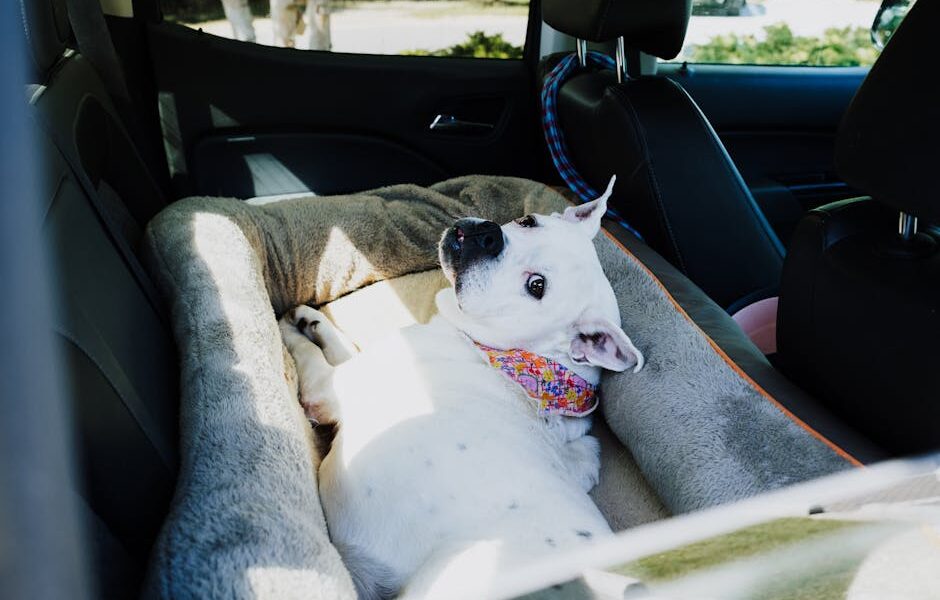
- Car conditioning: Gradually acclimate your dog to car rides, starting with short trips and working up to longer drives.
- Socialization: Expose your dog to a variety of environments, sounds, surfaces, and people. The more new experiences they have, the more adaptable they become.
- Health preparation: Visit your veterinarian before travel. Ensure vaccinations are current, discuss motion sickness prevention if needed, and obtain a health certificate for air travel.
- Pack essentials: Bring food, water, bowls, medications, waste bags, a first aid kit, vaccination records, and familiar bedding or a comfort item.
Travel Safety Tips
Keeping your dog safe during travel requires attention to several important details:
- Never leave a dog in a parked car: Even in mild weather, car interiors heat up rapidly to dangerous levels.
- Secure your dog in vehicles: Use a crash-tested harness, travel crate, or car barrier to prevent injury during sudden stops.
- Research pet policies: Call ahead to confirm that hotels, restaurants, parks, and attractions allow dogs. Policies change frequently.
- Carry identification: Ensure your dog wears a collar with current tags and has a microchip with up-to-date registration.
- Know local veterinary resources: Before traveling, identify emergency veterinary clinics along your route and at your destination.
Ready to adopt a travel companion? Browse all adoptable pets on Walk Me Home Rescue, or visit our dog care resources for more travel preparation tips.
Frequently Asked Questions
What is the best dog size for air travel?
Dogs under 20 pounds that fit in an airline-approved carrier (approximately 17 by 12 by 8 inches) can fly in the cabin on most airlines. Each airline has specific size and weight limits, so check the carrier requirements before booking. For larger dogs, cargo travel is an option but carries more risk and stress.
How do I help my dog with car sickness?
Withhold food for two to three hours before driving. Keep the car cool with good ventilation. Face your dog forward or use a crate that limits visual stimulation. For persistent car sickness, your veterinarian can prescribe anti-nausea medication such as Cerenia, which is safe and effective for most dogs.
Can anxious dogs learn to travel well?
Many anxious dogs can improve significantly with systematic desensitization, positive associations with travel equipment, and sometimes medication. Start with very short, positive car rides (driving to a park or for a treat) and gradually increase duration. Consult a veterinary behaviorist if anxiety is severe.
Are there dog-friendly hotel chains?
Many hotel chains welcome dogs, including La Quinta, Kimpton, Motel 6, and many Best Western locations. Policies vary by individual property, so always confirm before booking. Vacation rentals through platforms like Airbnb and Vrbo also frequently offer pet-friendly options.
Should I board my dog or bring them on vacation?
It depends on your dog’s temperament and your travel plans. Dogs that are adaptable and well-socialized often enjoy traveling with their family. Dogs that are anxious, elderly, or have health issues may be more comfortable at a familiar boarding facility or with a trusted pet sitter. Consider your dog’s wellbeing first, not just your preference.
Looking to adopt a Best Dogs for Travel?
Browse Best Dogs for Travel dogs and mixes available for adoption from shelters and rescues near you.
Find Best Dogs for Travel Dogs for Adoption