Last updated: April 27, 2026
In this article
Bull Terrier Breed Profile: The Clown Prince of the Dog World
There is no mistaking a Bull Terrier. With their distinctive egg-shaped head, triangular eyes, and muscular physique, they look like no other breed on the planet. But their uniqueness goes far beyond appearance — the Bull Terrier breed possesses a personality that is equally singular, combining the exuberance of a perpetual puppy with the determination of a seasoned athlete and the comedic timing of a professional entertainer.
Whether you have fallen for the breed’s one-of-a-kind looks or been charmed by their irrepressible spirit, this comprehensive profile will help you understand everything the Bull Terrier has to offer — and everything they need in return.
History and Origins of the Bull Terrier
The Bull Terrier was created in early 19th-century England by James Hinks of Birmingham, who set out to produce a refined, all-white “gentleman’s companion” from the existing bull-and-terrier crosses that were popular at the time. Hinks crossed Bulldogs, English White Terriers (now extinct), and possibly Dalmatians and Greyhounds to create a sleeker, more elegant dog than the pit-fighting bull-and-terrier types.
Hinks’s creation, initially known as the “White Cavalier,” was an immediate sensation when shown at dog shows in the 1860s. The breed was admired for its courage, grace, and striking appearance. While early Bull Terriers had flatter heads similar to other terrier breeds, selective breeding over subsequent decades gradually produced the distinctive curved, egg-shaped profile that defines the breed today.
Colored Bull Terriers — those with markings other than pure white — were not accepted into the breed standard until the early 20th century. Initially, breeders feared that introducing color would compromise the breed’s refined type, but colored Bull Terriers eventually proved their quality and are now equally valued. The Miniature Bull Terrier, a smaller version standing under 14 inches, was developed as a separate breed and gained full recognition in many kennel clubs.
Throughout the 20th century, the Bull Terrier gained a devoted following. Famous owners have included General George S. Patton, President Theodore Roosevelt, and author John Steinbeck. The breed gained widespread pop culture recognition through Spuds MacKenzie in the 1980s and the Target mascot Bullseye. Today, the Bull Terrier remains a relatively uncommon breed but enjoys passionate devotion from those who know and love them.
Appearance and Size
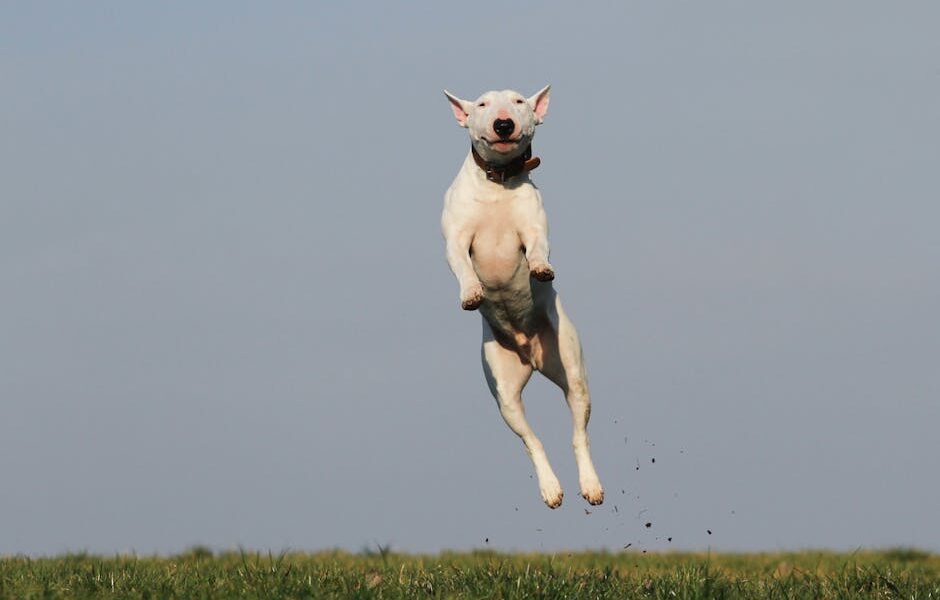
The Bull Terrier’s most distinctive feature is their head — a long, oval shape that curves smoothly from the top of the skull to the tip of the nose without any stop or indentation. When viewed from the front, the head appears egg-shaped, a profile that is unique in the dog world. Their small, deep-set, triangular eyes give them a keen, mischievous expression that perfectly reflects their personality.
Standard Bull Terriers typically stand 21 to 22 inches tall at the shoulder and weigh between 50 and 70 pounds, though some individuals can be larger. They are solidly built with a broad chest, strong shoulders, and a muscular frame that conveys power and agility. Despite their strength, they should appear balanced and athletic, moving with a jaunty, free-striding gait.
The coat is short, flat, and glossy, lying close to the body. White Bull Terriers may have colored markings on the head only. Colored varieties include brindle, red, fawn, black, and tricolor, with or without white markings. The skin is tight-fitting, and the coat’s smooth texture gives the breed a polished, clean appearance that is easy to maintain.
The tail is short and carried horizontally, and the ears are small, erect, and close-set — contributing to the breed’s alert, distinctive silhouette. Overall, the Bull Terrier presents a picture of symmetrical power, quality, and determination.
Temperament and Personality
Living with a Bull Terrier is never boring. The Bull Terrier breed is famous for its playful, mischievous, and sometimes outrageously funny personality. They approach life with an enthusiasm that is infectious, throwing themselves into every activity — whether it is a game of fetch, a car ride, or simply greeting their owner after a five-minute absence — with full-body joy.
Bull Terriers are deeply devoted to their families and thrive on human interaction. They are not aloof or independent dogs; they want to be involved in everything their family does. This attachment means they do not handle isolation well. A bored, lonely Bull Terrier can become destructive on a grand scale, chewing through doors, rearranging furniture, and expressing their displeasure in creative and expensive ways.
Their playfulness persists well into adulthood, and many Bull Terrier owners describe their dogs as eternal puppies. They have a characteristic behavior known as the “bully run” — a sudden burst of manic energy where they tear around the house or yard in circles, bouncing off furniture and wagging their entire body. This behavior is completely normal and endlessly entertaining.
With children, Bull Terriers can be wonderful companions, as they are generally patient and playful. However, their strength and exuberance mean they are better suited to families with older children who can handle their physical enthusiasm. They can also be possessive of food and toys, so resource guarding should be addressed early through training.
Bull Terriers can be dog-selective, and same-sex aggression is not uncommon. Proper socialization, careful introductions, and responsible management are important in multi-dog households. Their terrier tenacity means that once they decide they do not like another dog, changing their mind can be difficult. Understanding the Staffordshire Bull Terrier, a related breed, can provide additional insight into bull breed temperament.
Exercise and Training Needs
Bull Terriers are athletic dogs that need a solid amount of daily exercise to stay physically and mentally healthy. At least 60 to 90 minutes of activity per day is recommended, including walks, play sessions, and opportunities for off-leash running in secure areas. They enjoy a variety of activities and can excel at agility, rally, and even barn hunt trials.
Mental stimulation is equally important for this intelligent breed. Puzzle toys, training sessions, and interactive games help keep their active minds engaged. A Bull Terrier that lacks mental challenges will invent their own entertainment — and their creativity in this regard is legendary, often involving the systematic dismantling of household items.
Training a Bull Terrier requires confidence, consistency, and patience. They are intelligent but can be stubborn, and they have a well-developed sense of humor that sometimes manifests as deliberate non-compliance delivered with a wagging tail. Harsh training methods are counterproductive — Bull Terriers can become defensive or shutdown when confronted aggressively. Positive reinforcement, including treats, play, and praise, is the most effective approach.
Early socialization is absolutely critical. Bull Terrier puppies should be exposed to a wide variety of people, animals, environments, and experiences during their first few months. This investment in socialization pays enormous dividends in producing a confident, well-adjusted adult dog. For those considering apartment living with a Bull Terrier, check our guide to the best dogs for apartments for helpful tips on managing active breeds in smaller spaces.
Health Issues and Lifespan
Bull Terriers have a lifespan of approximately 11 to 14 years. While generally robust, the breed has several hereditary health conditions that prospective owners should understand.
Deafness is a concern, particularly in white Bull Terriers. Approximately 20 percent of white Bull Terriers are born deaf in one or both ears, linked to the same genetic factors that produce their white coat. BAER (Brainstem Auditory Evoked Response) testing can identify hearing status in puppies. Deaf Bull Terriers can live full, happy lives with owners who commit to visual signal training, but the condition should be identified early.
Skin conditions are common in the breed, including allergic dermatitis, contact allergies, and acral lick dermatitis. White Bull Terriers are particularly prone to skin sensitivities and sunburn. Regular skin checks, a quality diet, and prompt attention to any irritation or hair loss are important. For more information on managing these issues, see our guide to common skin conditions in dogs.
Heart disease, specifically mitral valve disease and aortic stenosis, can affect the breed. Regular cardiac screening is recommended. Kidney disease, including hereditary nephritis, is another serious concern — particularly in certain bloodlines. Bull Terrier owners should establish a relationship with a veterinarian familiar with the breed’s specific health risks.
Patellar luxation, lens luxation, and polycystic kidney disease are additional conditions seen in the breed. Maintaining a healthy weight, providing regular veterinary care, and choosing to adopt from sources that prioritize health testing will give your Bull Terrier the best chance at a long, healthy life.
Grooming Requirements
The Bull Terrier’s short, sleek coat is one of the easiest to maintain in the dog world. A weekly brushing with a soft bristle brush or rubber grooming mitt removes loose hair and distributes natural skin oils for a healthy shine. Shedding is moderate, increasing slightly during seasonal changes in spring and fall.
Bathing is needed only occasionally — every four to six weeks or as needed. Use a gentle, hypoallergenic shampoo, especially for white Bull Terriers whose sensitive skin can react to harsh products. After baths, ensure the coat is thoroughly dried, particularly in cooler weather.
Nail trimming should be performed every two to three weeks. Bull Terriers’ strong nails grow quickly, and overgrown nails can cause discomfort and affect their characteristic jaunty gait. Ear cleaning is straightforward given their erect ears, which allow good air circulation, but weekly checks for wax buildup or debris are still recommended.
Dental care is important for all dogs, and Bull Terriers are no exception. Regular tooth brushing, dental chews, and annual professional cleanings help prevent periodontal disease and maintain overall health.
Who Is the Bull Terrier Best For?
The Bull Terrier is best suited for experienced dog owners who understand terrier temperament and are prepared for a high-energy, strong-willed companion. They thrive with active individuals and families who can provide ample exercise, consistent training, and plenty of interaction throughout the day.
Bull Terriers do best in homes where someone is present for most of the day, as their need for companionship is intense. They are not ideal for first-time dog owners unless those owners are committed to education, training, and seeking guidance from breed-experienced mentors.
Families with older children, active couples, and individuals with an active lifestyle and sense of humor will find the Bull Terrier to be an extraordinary companion. Their unwavering loyalty, boundless energy, and comic spirit create a bond that Bull Terrier owners describe as unlike any other breed experience.
If you are considering adopting a Bull Terrier from a rescue, know that adult Bull Terriers can make fantastic pets. Their personalities are fully formed, so you can choose a dog whose energy level and temperament match your lifestyle. Many rescue Bull Terriers blossom beautifully in loving homes, proving that second chances can lead to extraordinary companionships.
Frequently Asked Questions
Are Bull Terriers dangerous?
Bull Terriers are not inherently dangerous. They were bred as companions and show dogs, not for fighting. Like any strong, energetic breed, they require proper socialization, training, and responsible ownership. A well-raised Bull Terrier is typically friendly with people, including strangers. Issues arise from poor socialization, lack of training, or irresponsible ownership — not from the breed itself. With the right upbringing, Bull Terriers are gentle, affectionate family dogs.
Do Bull Terriers get along with other pets?
Bull Terriers can coexist with other pets, but their terrier nature means careful management is important. Some Bull Terriers do well with other dogs, especially if raised together, while others are dog-selective. Same-sex aggression can be a factor. With cats and small animals, individual prey drive varies — some Bull Terriers live peacefully with cats, while others find the temptation to chase irresistible. Supervised introductions and knowledge of your individual dog’s temperament are essential.
How much exercise does a Bull Terrier need?
An adult Bull Terrier needs 60 to 90 minutes of exercise daily. This should include walks, play sessions, and opportunities to run in secure areas. Mental stimulation through puzzle toys, training, and interactive games is equally important. Young Bull Terriers may need more activity, while seniors gradually require less. Without adequate exercise, Bull Terriers can become destructive and develop behavioral problems.
Are Bull Terriers good for apartment living?
Bull Terriers can adapt to apartment living if their exercise and companionship needs are met. They are not excessively noisy and can be calm indoors after proper exercise. However, their strength, energy, and potential for destructive behavior when bored mean that apartment owners need to be particularly diligent about providing adequate daily activity and mental stimulation. A nearby dog park or open space for regular exercise is highly beneficial.
Looking to adopt a Bull Terrier Breed Profile?
Browse Bull Terrier Breed Profile dogs and mixes available for adoption from shelters and rescues near you.
Find Bull Terrier Breed Profile Dogs for Adoption