Last updated: May 6, 2026
In this article
Burmilla Cat Breed Profile: The Beautiful Accidental Masterpiece

The Burmilla is one of the most beautiful examples of serendipity in the cat world. Born from an accidental mating between a Lilac Burmese and a Chinchilla Persian in 1981, this stunning breed combines the best qualities of both parents: the Burmese’s sociable, affectionate personality and the Chinchilla Persian’s sparkling silver coat and gentle demeanor. The result is a cat of extraordinary beauty and wonderful temperament that has been winning hearts since its unexpected arrival.
Despite its relatively recent origin, the Burmilla has established itself as a distinct and recognized breed with a growing following worldwide. These cats offer a rare combination of visual elegance and easygoing companionship that makes them suitable for a wide range of households. This comprehensive breed profile explores everything you need to know about the delightful Burmilla.
History and Origin of the Burmilla Cat
The Burmilla’s origin story reads like a romantic comedy. In 1981, in the London household of Baroness Miranda von Kirchberg, a Lilac Burmese female named Bambino Lilac Faberge and a Chinchilla Persian male named Jemari Dolorossa found themselves in the same room when a cleaner accidentally left a door open. The ensuing liaison was entirely unplanned, but the resulting kittens were so beautiful that they caught the attention of breeders and cat enthusiasts alike.
The four kittens from this unexpected union were all silver-shaded with short, dense coats and the most enchanting expressions. They combined the Burmese body type with the Chinchilla’s sparkling silver coloring in a way that no one had seen before. Recognizing the potential of this new combination, the Baroness and other breeders, including Therese Clarke, began a deliberate breeding program to establish the Burmilla as a recognized breed.
The breed’s name is a portmanteau of “Burmese” and “Chinchilla,” reflecting its dual heritage. Early breeding efforts focused on establishing a consistent type while maintaining the health and temperament of both parent breeds. The program was carefully managed, with breeders working to fix the desired characteristics while avoiding the health problems associated with extreme facial structures in some Persian lines.
The Governing Council of the Cat Fancy in the United Kingdom granted the Burmilla preliminary recognition in 1984, with full Championship status following in 1997. The breed has since been recognized by the Federation Internationale Feline, the World Cat Federation, and several other international registries. The Cat Fanciers’ Association in the United States granted the Burmilla Miscellaneous status in 2011 and advanced it to Championship status in 2014.
Today, the Burmilla is most popular in the United Kingdom, Australia, and parts of Europe, with a growing presence in North America. The breed remains relatively uncommon compared to its parent breeds, but its striking beauty and wonderful temperament continue to attract new admirers. Breeders work carefully to maintain genetic diversity and health while staying true to the characteristics that make the Burmilla special.
The Burmilla’s Burmese heritage contributes significantly to its personality and build. To learn more about this influential parent breed, visit our Burmese cat breed profile, which explores the qualities the Burmilla has inherited from its Burmese ancestors.
Appearance and Physical Characteristics
The Burmilla is a medium-sized cat of elegant, well-balanced proportions. Males typically weigh between 8 and 12 pounds, while females are slightly smaller at 6 to 10 pounds. The body is muscular and rounded, reflecting the Burmese influence, but with a slightly more refined build than the typical Burmese. The overall impression is of a cat that is both substantial and graceful.
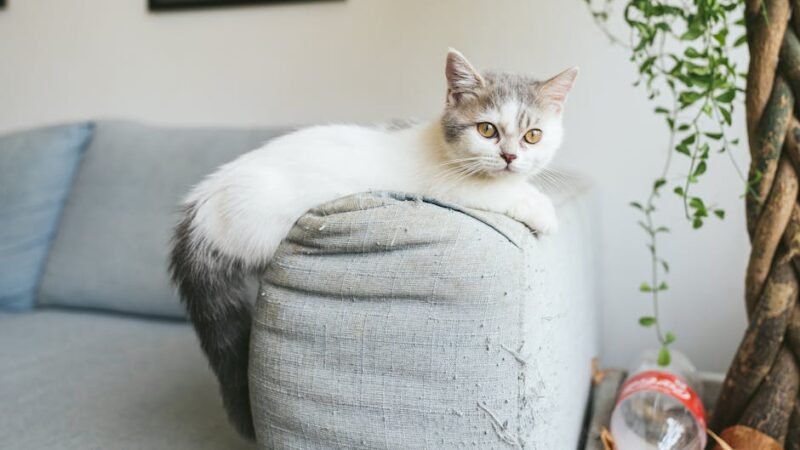
The breed’s most striking feature is its coat, which comes in two lengths: shorthair and semi-longhair (the latter sometimes classified as a separate breed called the Tiffanie in some registries). The shorthair version has a short, dense, silky coat that lies close to the body, while the semi-longhair has a medium-length coat with a silky texture and a slightly fuller tail. Both versions have the characteristic sparkling, silver-tipped appearance that is the breed’s hallmark.
The Burmilla’s coat comes in several patterns and colors, all featuring the distinctive silver undercoat. The two main pattern types are shaded, where the color covers approximately one-third of each hair shaft, and tipped (also called shell), where only the very tip of each hair is colored. The base silver coat is overlaid with colors including black, blue, chocolate, lilac, caramel, beige, cream, and red, creating a range of beautiful variations. The shaded varieties have a more dramatic appearance, while the tipped varieties appear lighter and more delicately colored.
The head is gently rounded, with a medium-width muzzle and a slight nose break. The cheeks are broad, and the chin is firm. The ears are medium to large, set with a slight forward tilt, and may have rounded tips. The most captivating facial feature is the eyes, which are large, expressive, and set with a distinctive dark liner that looks as if it has been applied with eyeliner pencil. This “makeup” effect is one of the Burmilla’s most endearing and recognizable characteristics. The eye color ranges from green to gold, with green being the most prized.
The legs are medium in length and well-proportioned, with neat, rounded paws. The tail is medium to long and tapers gently to a rounded tip. In shorthair varieties, the tail has a smooth, close-lying coat, while semi-longhair Burmillas have a fuller, plumed tail. The overall impression is of a cat that combines substance with refinement, strength with elegance, and visual drama with understated beauty.
Temperament and Personality
The Burmilla inherits a wonderful blend of personality traits from its parent breeds, creating a temperament that is sociable and affectionate without being overwhelming, and calm and gentle without being boring. This balanced personality is one of the breed’s greatest assets and is a significant reason for its growing popularity.
From the Burmese side, the Burmilla inherits sociability, playfulness, and a genuine love of human company. Burmillas are people-oriented cats that enjoy being part of family life and form strong bonds with their owners. They like to be where you are and will often follow you from room to room, but they are typically less demanding and intense than purebred Burmese cats. They seek attention and affection, but they can also entertain themselves and are comfortable being independent for reasonable periods.
From the Chinchilla Persian side, the Burmilla inherits a certain gentleness, dignity, and calmness. These cats have a relaxed quality that makes them easy to live with and well-suited to a variety of household environments. They are not hyperactive or frantic, and they carry themselves with a quiet confidence that is appealing and reassuring. This calm foundation is tempered by enough Burmese playfulness to keep things interesting.
Burmillas are moderately vocal cats that will communicate with their owners using soft, melodious meows and chirps. They are not as talkative as Siamese or Oriental breeds, but they will let you know when they want food, attention, or playtime. Their vocalizations are generally pleasant and conversational, adding to the sense of living with a responsive, interactive companion.
With children, Burmillas are patient and tolerant, making them excellent family cats. Their gentle nature means they are unlikely to scratch or bite even when handled by enthusiastic youngsters, though they may simply walk away if the interaction becomes too much. They are sturdy enough for gentle play and affectionate enough to become beloved family members. For families exploring feline companions, our guide to the best cats for families offers additional breed options that excel in family settings.
With other pets, Burmillas are generally sociable and adaptable. They get along well with other cats, particularly other easygoing breeds, and can coexist peacefully with cat-friendly dogs. Their confident but non-aggressive nature helps them integrate smoothly into multi-pet households. They are neither overly dominant nor excessively submissive, finding a comfortable middle ground in the household hierarchy.
Exercise, Play, and Enrichment
The Burmilla has moderate activity levels that reflect its balanced temperament. These cats enjoy play and interaction but are not constantly demanding attention or physical activity. Providing regular play sessions and enrichment opportunities helps keep them physically fit and mentally stimulated without requiring the intense commitment that some higher-energy breeds demand.
Interactive play sessions of 10 to 15 minutes, two to three times daily, are ideal for Burmillas. They enjoy a variety of toys, including feather wands, small balls, and catnip-filled toys. Many Burmillas retain their playful nature well into adulthood and continue to enjoy spirited play sessions throughout their lives. Their hunting instincts are moderate, and they take pleasure in “catching” toy prey without the frenetic intensity of some more driven breeds.
Cat trees and climbing structures are appreciated by Burmillas, who enjoy having elevated vantage points from which to survey their domain. A medium-height cat tree placed near a window provides climbing opportunities and bird-watching entertainment. Wall-mounted shelves and perches add vertical space without taking up floor area, which is particularly useful in smaller living spaces.
Puzzle feeders and treat-dispensing toys provide mental stimulation and can help prevent overeating. Burmillas are intelligent enough to enjoy the challenge of working for their food and are typically motivated enough by treats to engage with these devices enthusiastically. Rotating toys and enrichment tools helps maintain interest over time.
The Burmilla’s sociable nature means it benefits greatly from companionship, whether human or feline. If you are away from home during the day, having another cat in the household can provide your Burmilla with the social interaction it needs. Two Burmillas or a Burmilla paired with another gentle, sociable breed often make wonderful companions for each other.
Some Burmillas enjoy supervised outdoor access through enclosed catios or harness walking. These experiences provide additional sensory enrichment and exercise opportunities. However, the breed’s striking appearance and gentle nature make it unsuitable for unsupervised outdoor access, as these cats may be at risk from predators, traffic, or theft.
Health and Lifespan
The Burmilla is generally a healthy breed with a lifespan of 12 to 15 years, with some individuals living longer. The breed benefits from hybrid vigor, as the cross between two distinct breeds can reduce the risk of certain genetic conditions that are more common in each parent breed individually. However, there are still some health concerns that prospective owners should be aware of.
Polycystic kidney disease is a condition that can be inherited from the Chinchilla Persian side of the breed’s ancestry. This genetic condition causes cysts to develop in the kidneys, which can eventually lead to kidney failure. A DNA test is available, and responsible breeders test their breeding cats to ensure they are clear of the PKD gene. Always ask for proof of PKD testing when purchasing a Burmilla kitten.
Allergies can occasionally affect Burmillas, manifesting as skin irritation, excessive grooming, or digestive sensitivities. Environmental allergens, food allergies, and flea allergy dermatitis are the most common types. Identifying and eliminating the allergen, with guidance from your veterinarian, is the most effective approach to management.
Dental disease is a concern for all cats, including Burmillas. Regular dental care, including brushing with a cat-specific toothpaste and professional cleanings as recommended by your veterinarian, helps prevent periodontal disease and the systemic health issues it can cause. Starting dental care routines early in your cat’s life helps ensure acceptance and compliance.
Obesity can become a concern for Burmillas, particularly as they age and their activity level naturally decreases. These cats enjoy their food and can gain weight if portions are not controlled. Regular weight monitoring, measured portions, and continued play and exercise throughout life help maintain a healthy weight. Your veterinarian can recommend the appropriate daily calorie intake for your individual cat.
Hypertrophic cardiomyopathy, the most common heart disease in cats, can potentially affect any breed. Regular veterinary check-ups that include cardiac auscultation help detect heart murmurs or abnormalities early. If a concern is identified, echocardiography provides a definitive diagnosis and helps guide treatment decisions.
Grooming Requirements
The Burmilla’s grooming needs are moderate and manageable, making it a good choice for owners who appreciate a beautiful coat without an excessive time commitment. The grooming routine varies slightly depending on whether your Burmilla is a shorthair or semi-longhair variety.
For shorthair Burmillas, weekly brushing with a soft bristle brush or a fine-toothed comb is sufficient to keep the coat smooth, shiny, and free of loose hair. The coat’s silky texture means it rarely mats or tangles, and its close-lying nature keeps it relatively clean through the cat’s own grooming efforts.
Semi-longhair Burmillas require slightly more attention, with brushing two to three times per week recommended. A medium-toothed comb and a slicker brush are useful tools for working through the longer coat and preventing tangles, particularly behind the ears, under the legs, and on the belly. The tail plume also benefits from regular combing.
Bathing is generally unnecessary for both varieties, as the coat tends to stay clean through self-grooming. An occasional bath every few months can help maintain the coat’s sparkle and remove any accumulated oils. Use a gentle, cat-appropriate shampoo and rinse thoroughly to avoid dulling the coat’s natural luster.
Nail trimming every two weeks is recommended, along with weekly ear cleaning using a veterinarian-approved cleaner. Dental care, including regular brushing, is important for maintaining oral health. The eyes should be checked regularly for discharge, and a gentle wipe with a damp cotton ball can help keep the eye area clean, particularly given the breed’s prominent dark eye liner markings.
For detailed guidance on maintaining your Burmilla’s stunning coat, our comprehensive cat grooming guide provides helpful techniques and product recommendations suitable for both shorthair and semi-longhair varieties.
Who Is the Burmilla Cat Best For?
The Burmilla is one of the most adaptable and versatile cat breeds, making it suitable for a wide range of households and lifestyles. Its balanced temperament, moderate needs, and easygoing nature mean it can thrive in environments that might not suit more extreme breeds, whether those extremes involve high energy, intense social demands, or extensive grooming requirements.
The Burmilla is an excellent choice for first-time cat owners. Its gentle, forgiving nature makes it easy to bond with, and its moderate grooming and activity needs reduce the overwhelm that can come with more demanding breeds. First-time owners who are attentive and willing to learn about feline care will find the Burmilla to be a patient and rewarding companion.
Families with children of all ages can enjoy the Burmilla’s companionship. These patient, tolerant cats are well-suited to the energy and unpredictability of family life, and they form genuine bonds with all family members. Their sturdy build and gentle temperament make them one of the better breeds for families with young children, though supervision during interactions is always recommended.
Older adults and retirees will appreciate the Burmilla’s calm companionship and manageable care requirements. These cats are affectionate without being demanding, active without being exhausting, and beautiful without requiring extensive grooming. They provide warm, responsive companionship that enriches daily life without creating undue stress or obligation.
Apartment dwellers will find the Burmilla to be a well-suited companion. Their moderate size, calm indoor demeanor, and generally quiet voice make them considerate neighbors, and they adapt well to smaller living spaces when provided with adequate enrichment and vertical space.
Multi-pet households can successfully integrate a Burmilla, as these cats are generally sociable with both other cats and cat-friendly dogs. Their non-aggressive, confident nature helps them find their place in an existing pet hierarchy without creating conflict.
In short, the Burmilla is a wonderfully well-rounded cat that brings beauty, warmth, and companionship to almost any household. Its accidental origin may have been unplanned, but the result is a breed that seems almost deliberately designed to be the perfect family cat.
Frequently Asked Questions
What is a Burmilla cat?
A Burmilla is a cat breed that originated from an accidental cross between a Lilac Burmese and a Chinchilla Persian in 1981 in the United Kingdom. The resulting kittens had a stunning silver-shaded coat combined with the Burmese body type and a gentle, sociable personality. The breed was subsequently developed through a deliberate breeding program and has gained recognition from most major cat registries worldwide. The name “Burmilla” is a combination of “Burmese” and “Chinchilla.”
Are Burmilla cats hypoallergenic?
No, Burmilla cats are not hypoallergenic. They produce the same Fel d 1 protein that triggers allergies in sensitive individuals. However, their coat type may distribute fewer allergens into the environment compared to some other breeds, particularly the shorthair variety. People with cat allergies should spend time with a Burmilla before committing to ownership and consult with their allergist about management strategies.
How much do Burmilla cats cost?
Burmilla kittens from reputable breeders typically cost between $800 and $2,000, depending on the breeder’s location, reputation, and the kitten’s quality. Show-quality kittens may command higher prices. Because the breed is still relatively uncommon, finding a breeder may require some research and potentially a waiting period. Always choose a breeder who conducts health testing, socializes kittens properly, and can provide references and health guarantees.
Do Burmilla cats shed a lot?
Burmilla cats are moderate shedders. The shorthair variety sheds less than the semi-longhair variety, but both shed less than many other breeds. Regular brushing helps manage shedding by removing loose hair before it ends up on furniture and clothing. The coat’s silky texture means that shed hair tends to clump rather than float, making it easier to clean up. Increased shedding is normal during seasonal coat changes in spring and fall.
Are Burmilla cats good indoor cats?
Yes, Burmilla cats are excellent indoor cats. Their gentle, sociable nature and moderate activity levels make them well-suited to indoor living. They adapt well to apartment life and are content in smaller spaces when provided with adequate enrichment, vertical space, and interactive play opportunities. Keeping your Burmilla indoors also protects it from outdoor hazards and helps ensure its safety, given the breed’s trusting and gentle nature.
Looking to adopt a Burmilla Cat Breed Profile?
Browse Burmilla Cat Breed Profile cats and mixes available for adoption from shelters and rescues near you.
Find Burmilla Cat Breed Profile Cats for Adoption