
Last updated: April 27, 2026
In this article
Cairn Terrier Dog Breed Profile
The Cairn Terrier is one of the oldest and most spirited of all terrier breeds, with roots tracing back centuries to the rugged Scottish Highlands. Small in stature but enormous in personality, the Cairn Terrier is a confident, tenacious, and deeply loyal companion that thrives in active households. Most people recognize this plucky little dog as the inspiration for Toto in The Wizard of Oz — and true to that legacy, the Cairn Terrier carries itself with an adventurous, fearless spirit that far exceeds its compact size. Whether scrambling through underbrush, solving a puzzle toy, or curling up beside a favorite person, the Cairn Terrier approaches life with enthusiasm and charm. If you are considering welcoming one into your home, this complete breed profile covers everything you need to know — from temperament and exercise requirements to grooming, health, and how to adopt a Cairn Terrier in need.
Quick Facts
| Attribute | Details |
|---|---|
| Breed Group | Terrier |
| Size | Small |
| Weight | 13–14 lbs (6–6.4 kg) |
| Height | 9–10 inches at the shoulder |
| Lifespan | 12–15 years |
| Coat Type | Double coat; harsh, weather-resistant outer coat with a soft undercoat |
| Coat Colors | Cream, wheaten, red, sandy, grey, brindle |
| Shedding Level | Low to moderate |
| Energy Level | High |
| Good With Kids | Yes, with proper socialization |
| Good With Other Dogs | Generally yes; can be assertive with unfamiliar dogs |
| Good With Cats | With early socialization |
| Trainability | Moderate; intelligent but independent |
| AKC Recognition | Yes (1913) |
Personality and Temperament
Few breeds match the Cairn Terrier for sheer liveliness and warmth. This is a dog that greets each morning as though it holds limitless possibility. Bold, cheerful, and endlessly curious, the Cairn Terrier forms intense bonds with its family and is never content to sit on the sidelines. They want to be part of the action — whether that means investigating a rustling leaf outside or supervising the entire cooking process from the kitchen floor.
The Cairn Terrier is famously feisty, a trait bred into them over centuries of working independently in the field. This independence means they are confident to the point of stubbornness, but it also means they are not clingy or fragile. They tend to be friendly and outgoing with strangers, though they will sound the alarm when someone approaches the door — making them surprisingly effective little watchdogs.
Like Toto in The Wizard of Oz, the Cairn Terrier is unintimidated by the unfamiliar and remarkably adaptable. They fit comfortably into apartments and larger homes alike, as long as their need for mental stimulation and human companionship is met. Despite their spirited nature, they are genuinely affectionate and thrive on attention, play, and a generous amount of lap time at the end of the day.
Appearance
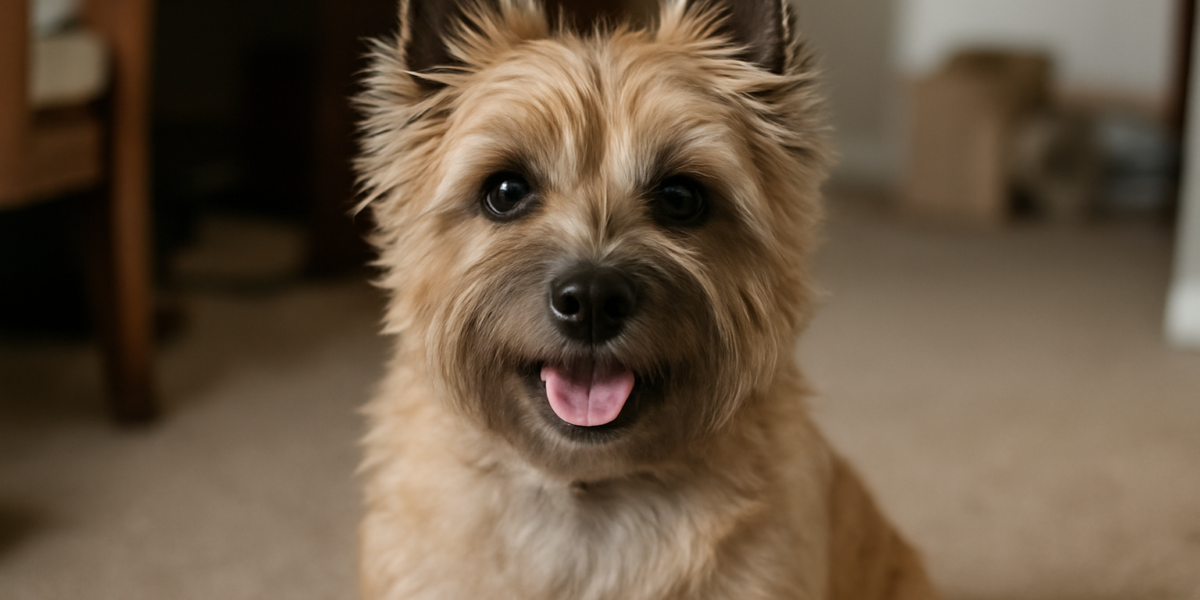
The Cairn Terrier is a small but solidly built dog with a distinctly fox-like face that gives them an alert, intelligent expression. Their wide-set, dark hazel eyes are full of life, and their small, pointed ears stand erect and frame their broad, somewhat flat skull. The overall impression is of a dog that is both sturdy and agile — and indeed they are.
Their body is compact and well-muscled, with a level topline and a tail carried upright but never curled over the back. The coat is one of the Cairn Terrier’s most defining features: a profuse, shaggy double coat consisting of a harsh, weather-resistant outer layer and a dense, soft undercoat. This combination historically allowed the breed to work comfortably in the cold, wet climate of the Scottish Highlands.
Coat colors include cream, wheaten, red, sandy, grey, and various brindle combinations. Notably, the Cairn Terrier’s coat can change color over the course of its lifetime, and puppies sometimes look quite different from their adult selves. Their overall look is natural and rustic — the Cairn Terrier was built to work, not to pose.
Exercise Needs
Despite their small size, the Cairn Terrier has a high energy level and requires consistent daily exercise to stay healthy and happy. A bored Cairn Terrier is an inventive one — and not always in ways their owners appreciate. Expect to provide at least 30 to 60 minutes of activity each day, broken into walks, play sessions, or off-leash time in a securely fenced yard.
The Cairn Terrier retains a strong prey drive inherited from its hunting heritage, which means they should always be kept on a leash or in a secured area when outdoors. A squirrel, bird, or unfamiliar scent can send them darting in an instant. Puzzle toys, scent games, agility courses, and earthdog activities are excellent outlets for their natural instincts and intelligence.
These dogs adapt well to urban living provided they receive adequate exercise. Short, brisk walks in the morning and evening, supplemented with interactive play indoors, can go a long way toward keeping a Cairn Terrier satisfied. Mental stimulation is just as important as physical exercise — this is a thinking dog that needs a job to do.
Grooming Needs
The Cairn Terrier’s iconic shaggy coat requires regular maintenance to remain healthy and true to the breed’s natural appearance. The preferred method for maintaining the outer coat is hand stripping — a technique in which dead hairs are pulled out by hand or with a stripping knife rather than cut with scissors or clippers. Hand stripping preserves the harsh texture of the outer coat, which is what gives the Cairn Terrier its weather-resistant quality.
Clipping, while easier, softens the coat over time and can alter its texture and color. If you are not showing your dog and simply want a manageable pet coat, clipping is an acceptable alternative, but it is worth discussing with a groomer familiar with the breed.
In addition to stripping, the Cairn Terrier’s coat should be brushed two to three times a week to prevent matting, with particular attention to the beard and leg furnishings. Bathing can be done monthly or as needed. Ears should be checked and cleaned regularly, nails trimmed every few weeks, and teeth brushed several times a week to prevent periodontal disease. Overall, the Cairn Terrier is a relatively low-shedding breed, which many owners find appealing.
Health and Common Issues
The Cairn Terrier is generally a hardy and long-lived breed, but like all purebred dogs, they are predisposed to certain health conditions that prospective owners should be aware of.
Luxating patella (slipping kneecap) is one of the more common orthopedic issues seen in small breeds, including the Cairn Terrier. Mild cases may require only monitoring, while more severe cases can necessitate surgical correction. Related to joint health, cruciate ligament (CCL/GCL) injuries can also occur, particularly in active or overweight dogs.
Portosystemic shunt (PSS) is a congenital liver condition that has been documented in the breed. Affected dogs may show signs of poor growth, behavioral changes, or neurological symptoms, and early diagnosis is important. Skin allergies and food sensitivities are also relatively common in Cairn Terriers, often presenting as itching, redness, or recurrent ear infections. Routine veterinary check-ups, a balanced diet, and responsible breeding practices all contribute to a healthier, longer life for this breed.
Are Cairn Terriers Good With Kids and Other Pets?
The Cairn Terrier can be an excellent family dog, particularly in households with older children who understand how to interact respectfully with a small dog. They are playful, energetic, and enjoy the activity that comes with a busy family. However, because Cairn Terriers are assertive and do not tolerate rough handling well, supervision is always recommended with very young children who may inadvertently provoke a nip.
With other dogs, the Cairn Terrier is generally sociable, though they may be scrappy or assertive with dogs they do not know, particularly those of the same sex. Early socialization helps establish positive habits.
Their strong prey drive means that small animals — including cats, rabbits, and hamsters — should be introduced carefully and with ongoing supervision. A Cairn Terrier raised alongside a cat from puppyhood will usually coexist peacefully, but their instinct to chase small, fast-moving creatures never fully disappears. For guidance on introducing a new pet to your home, visit our dog care blog.
Training Tips
Training a Cairn Terrier is a rewarding challenge. They are highly intelligent and pick up new concepts quickly, but their independent streak means they may question the point of a given exercise before deciding to comply. The key is to make training feel like a game rather than a drill.
Positive reinforcement is the most effective approach. Use high-value treats, enthusiastic praise, and short training sessions to keep their attention. Cairn Terriers respond poorly to harsh corrections and may become avoidant or stubborn if training feels punitive.
Consistency and patience are essential. Set clear boundaries from day one, as the Cairn Terrier is a quick learner when it comes to identifying loopholes in household rules. Focus on recall training early — given their prey drive, a solid “come” command can be a safety-critical skill. Crate training and early socialization with people, children, and other animals will help shape a well-rounded adult dog. Obedience classes and nose work are excellent structured outlets for their sharp minds.
History and Origin
The Cairn Terrier is one of Scotland’s oldest working terrier breeds, developed in the Scottish Highlands and the Isle of Skye to hunt and bolt prey — particularly foxes, otters, and rodents — from the rocky cairns (piles of stones) that dotted the landscape. This practical, hardworking origin is baked into every aspect of the breed’s physical and temperamental makeup.
For centuries, these small but fearless dogs worked alongside Scottish farmers and gamekeepers, prized for their ability to squeeze into tight spaces and face adversaries much larger than themselves without hesitation. The breed was formally recognized by the Kennel Club in the United Kingdom in 1912 and by the American Kennel Club in 1913.
The Cairn Terrier’s most famous moment in popular culture came in 1939 when a dog named Terry — a female Cairn Terrier — played the role of Toto in the MGM film adaptation of The Wizard of Oz. The performance cemented the breed’s place in the public imagination and sparked lasting interest from dog lovers around the world. Today, the Cairn Terrier remains a beloved companion breed with a devoted following.
Frequently Asked Questions
Do Cairn Terriers shed a lot?
The Cairn Terrier is considered a low-to-moderate shedder. Their double coat does shed seasonally, but regular brushing and hand stripping help manage loose hair effectively. Many allergy-sensitive owners find the Cairn Terrier easier to live with than heavier-shedding breeds, though no dog is truly hypoallergenic.
How long do Cairn Terriers live?
The Cairn Terrier is a long-lived breed with a typical lifespan of 12 to 15 years. With proper nutrition, routine veterinary care, adequate exercise, and a loving environment, many Cairn Terriers remain active and healthy well into their senior years.
Are Cairn Terriers easy to train?
Cairn Terriers are intelligent and capable learners, but their independent, terrier nature means they are not always eager to please in the way that, say, a Labrador Retriever might be. Training works best when sessions are kept short, upbeat, and reward-based. Consistency and a sense of humor go a long way with this breed.
Is the Cairn Terrier a good apartment dog?
Yes, the Cairn Terrier can adapt well to apartment living, provided their exercise and mental stimulation needs are consistently met. Daily walks, indoor play, and regular access to outdoor spaces for sniffing and exploring will keep a Cairn Terrier content in a smaller home. Their moderate size and relatively low shedding also make them practical apartment companions.
Adopt a Cairn Terrier
If the Cairn Terrier sounds like the right fit for your household, consider giving a rescued dog a second chance. Many wonderful Cairn Terriers of all ages — including puppies, young adults, and seniors — are waiting in shelters and rescue organizations for families just like yours. Rescue dogs often come already spayed or neutered, vaccinated, and assessed for temperament, making the transition into your home smoother than you might expect.
At Walk Me Home Rescue, we are committed to connecting dogs in need with caring, informed adopters. Browse our available dogs and begin your adoption journey today. View dogs available for adoption and take the first step toward bringing a Cairn Terrier home.


