Last updated: May 6, 2026
In this article
Calmest Cat Breeds: 10 Relaxed, Low-Energy Felines for Peaceful Homes
Not everyone wants a cat that treats the living room like a parkour course at 3 AM. For many people, the ideal feline companion is one that radiates calm — a serene presence that curls up on the couch, purrs contentedly in a sunny spot, and brings a sense of peace to the household simply by existing. The calmest cat breeds offer exactly this kind of tranquil companionship, making them perfect for quiet homes, busy professionals, seniors, and anyone who values serenity over circus acts.
Calm cats aren’t boring cats. They’re simply wired differently from their high-energy counterparts, preferring gentle play sessions over acrobatic stunts and quiet observation over frenetic exploration. Many of the calmest breeds are also among the most affectionate, channeling their energy into deep bonding with their owners rather than athletic pursuits. If you’re looking for a cat that will lower your stress rather than raise it, this guide will help you find your perfect match. For similar gentle breeds, our guides to best lap cat breeds and best indoor cats offer complementary recommendations.
What Makes a Cat Breed Calm?
Calmness in cats is a combination of genetic temperament, energy level, and adaptability. Understanding these factors helps explain why some breeds are naturally more relaxed than others.
Energy level is the most obvious factor. Calm breeds have lower baseline energy than active breeds, meaning they spend more of their day resting, observing, and engaging in quiet activities. This doesn’t mean they never play — all healthy cats need some activity — but their play sessions are shorter, less intense, and less frequent. A calm cat might bat at a dangling toy for a few minutes and then return to napping, while a high-energy cat would chase the same toy until you give up from exhaustion.
Reactivity plays a significant role. Calm cats are less startled by sudden noises, less bothered by changes in routine, and less prone to stress responses when their environment is disrupted. This low reactivity makes them ideal for households with unpredictable schedules, frequent visitors, or other factors that might stress a more sensitive breed.
Sociability influences how a cat expresses its calm nature. Some calm breeds are independently peaceful, content to rest alone in a quiet room. Others are calmly social, preferring to rest near their owners or on their laps. Both types are legitimately calm, but the social calm cats tend to be more popular as companions because they combine their peaceful nature with warm affection.
Breeding history also matters. Many calm cat breeds were specifically developed as companion animals, with generations of selection for gentle, easygoing temperaments. Breeds bred for hunting or outdoor work tend to retain more energy and reactivity, while those bred for centuries as indoor companions have been naturally filtered for calm, pleasant dispositions.
Top 10 Calmest Cat Breeds
The following breeds are renowned for their peaceful, relaxed temperaments, each offering a unique style of calm companionship.
1. Ragdoll. The Ragdoll is the quintessential calm cat, and the breed’s name reveals its signature trait — when picked up, a Ragdoll goes limp like a cloth doll, completely relaxed and trusting. These large, beautiful cats are gentle, quiet, and remarkably easygoing, taking life’s surprises in stride with a placidity that seems almost impossible for a cat. Ragdolls are affectionate without being demanding, following their owners from room to room but rarely being pushy about attention. They enjoy gentle play but are equally happy spending hours draped across a lap or stretched out on a sunny bed. Their soft, semi-long coat and striking blue eyes add visual calm to their peaceful presence. Learn more in our Ragdoll cat breed profile.
2. Persian. The Persian has been the world’s most popular calm cat breed for well over a century, and for good reason. These luxuriously coated cats are the definition of tranquil, preferring plush surfaces to athletic feats and quiet observation to chaotic exploration. Persians are gentle, sweet-natured, and wonderfully undemanding — they appreciate attention and affection but never insist on it aggressively. Their flat faces and large, expressive eyes project a serene, slightly bewildered expression that perfectly matches their personality. Persians do require significant grooming — their long, thick coat needs daily brushing — but the grooming ritual itself can be a calming, meditative activity for both cat and owner.
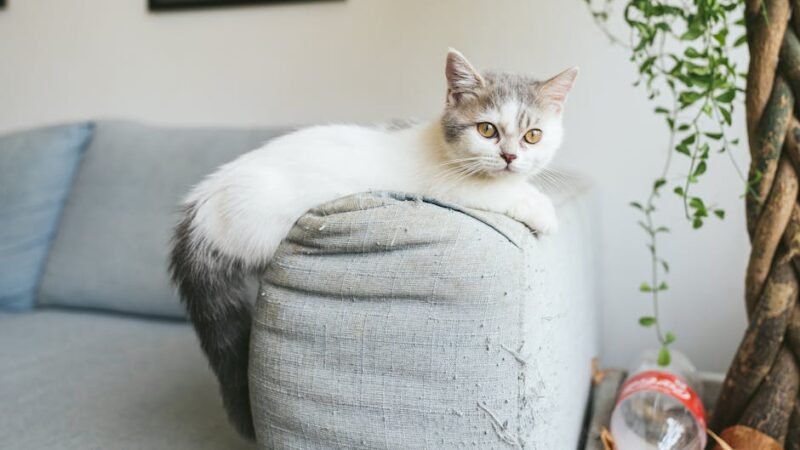
3. British Shorthair. The British Shorthair is calm in the most dignified, understated way possible. These round, plush cats carry themselves with a quiet confidence that radiates stability. They’re affectionate but not clingy, preferring to sit beside you rather than on you, and they handle disruptions to routine with unflustered grace. British Shorthairs are independent enough to spend hours contentedly alone but social enough to enjoy family interaction in the evening. They’re not big talkers — they communicate mainly through their expressive round eyes and occasional soft meows. Their dense, plush coat requires minimal grooming, and their robust health means fewer stressful veterinary visits. For a calm cat that’s also low-maintenance, the British Shorthair is hard to beat.
4. Exotic Shorthair. Think of the Exotic Shorthair as a Persian with a practical coat. These cats have the Persian’s sweet, placid temperament but with a short, dense coat that requires far less grooming. Exotic Shorthairs are quiet, gentle, and content with a mellow lifestyle, spending much of their day in their favorite resting spots with occasional breaks for gentle play or affection. They’re slightly more playful than Persians — they’ll engage with toys and enjoy interactive sessions — but their overall energy level is decidedly low. For someone who loves the Persian personality but can’t commit to daily coat maintenance, the Exotic Shorthair is the perfect calm compromise.
5. Birman. The Birman is a stunningly beautiful cat with a temperament as serene as its deep blue eyes suggest. These medium-to-large cats are quiet, gentle, and remarkably adaptable, adjusting to new environments and situations with little stress. Birmans are people-oriented cats that form strong bonds with their families, but they express their affection calmly — through quiet purring, gentle headbutts, and a desire to be in the same room as their person. They’re social with other cats and cat-friendly dogs, making them excellent additions to multi-pet households where calm is valued. Their semi-long coat is silky and less prone to matting than the Persian’s, requiring only moderate grooming.
6. Scottish Fold. The Scottish Fold’s distinctive folded ears give them an owl-like appearance that’s as calm as their temperament. These medium-sized cats are gentle, quiet, and wonderfully adaptable, handling household changes and disruptions with remarkable composure. Scottish Folds are moderately affectionate — they enjoy human company but don’t demand constant attention. They’re known for sitting in unusual positions, including flat on their backs or in what’s called the “Buddha sit,” which adds a touch of amusement to their otherwise serene presence. Scottish Folds are good with children, other cats, and gentle dogs, and their calm nature makes them particularly suitable for apartments and smaller living spaces.
7. Selkirk Rex. The Selkirk Rex is a curly-coated breed that combines a unique appearance with a wonderfully calm, patient temperament. These medium-to-large cats are descended from Persian, British Shorthair, and Exotic Shorthair stock, inheriting the best temperamental qualities of all three. Selkirk Rexes are gentle, laid-back, and tolerant, handling household activity, children, and other pets with quiet patience. They’re more social than some calm breeds, enjoying interaction and playtime, but their overall energy level is moderate to low. Their distinctive curly coat — available in both long and short varieties — requires regular but not excessive grooming. The Selkirk Rex is an excellent choice for someone who wants a calm cat with a distinctive, conversation-starting appearance.
8. Russian Blue. The Russian Blue’s calm is refined and elegant, matching its stunning silver-blue coat and emerald green eyes. These cats are quiet, reserved, and predictable in their habits — they thrive on routine and maintain their composure in structured environments. Russian Blues are devoted to their owners but in a restrained, dignified way, offering quiet companionship rather than demonstrative affection. They can be shy with strangers, which adds to their peaceful household presence — no jumping on guests or demanding attention from visitors. Russian Blues are clean, low-shedding, and generally healthy, making them one of the most low-maintenance calm breeds available. Their one caveat: they can be sensitive to environmental changes, so they’re best suited to stable, predictable households.
9. Chartreux. The Chartreux is a rare and beautiful French breed with a reputation for being the quietest cat breed in the world. Many Chartreux cats are literally silent, communicating through gentle chirps and trills rather than meows — some don’t vocalize at all. This quiet nature, combined with their calm, observant temperament, makes them ideal for people who crave a peaceful household. Chartreux cats are affectionate and loyal, often following their favorite person from room to room, but they do so quietly and without demands. They’re sturdy, healthy cats with a dense, water-resistant blue-gray coat that requires minimal grooming. The Chartreux is perhaps the most underrated calm breed, offering a depth of gentle companionship that rivals any breed on this list.
10. Ragamuffin. The Ragamuffin is closely related to the Ragdoll and shares many of its calming qualities, with an even more diverse range of coat colors and patterns. These large, gentle cats are sweet-natured, patient, and remarkably tolerant — they’re known for going limp when held and for remaining calm in situations that would stress most cats. Ragamuffins are friendly with everyone, including strangers, other pets, and children, making them excellent family cats. Their calm extends to veterinary visits, grooming sessions, and travel, where many Ragamuffins remain relaxed while other cats are stressed. Their plush, medium-long coat requires regular brushing but resists matting, making maintenance manageable despite its impressive appearance.
How to Choose the Right Calm Breed
All ten breeds on this list are genuinely calm, but they differ in ways that matter depending on your specific household and preferences.
For maximum relaxation with minimal effort, British Shorthairs and Chartreux are the best options. Both breeds are calm, healthy, and low-maintenance in terms of grooming and attention needs. They’re content with their own company during the day and appreciative of gentle interaction in the evening.
For affectionate calm, Ragdolls, Birmans, and Ragamuffins are the top choices. These breeds are calm in energy but warm in temperament, seeking out physical contact and lap time with genuine enthusiasm. If you want a calm cat that still feels like a devoted companion, these breeds deliver.
For apartments and small spaces, all breeds on this list adapt well, but Scottish Folds, Russian Blues, and Exotic Shorthairs are particularly well-suited due to their moderate size and low exercise requirements. Their quiet nature also means they’re less likely to disturb neighbors in shared-wall living situations.
For multi-pet households, Birmans, Ragdolls, and Selkirk Rexes are the most socially adaptable calm breeds. Their gentle, tolerant nature extends to other animals, and they’re less likely to be stressed by the presence of other cats or cat-friendly dogs.
For households with children, Ragdolls, Ragamuffins, and Birmans have the patience and tolerance for respectful young handlers. British Shorthairs and Scottish Folds are also good with children, though they may need their own retreat space away from energetic toddlers.
Creating a Calm Environment for Calm Cats
Even naturally calm cats benefit from an environment designed to support their peaceful temperament. A few thoughtful adjustments can help your calm cat thrive.
Provide quiet resting spaces throughout your home. Calm cats spend much of their day resting, and they appreciate having multiple comfortable spots to choose from. Soft beds in quiet corners, window perches with peaceful views, and elevated shelves away from household traffic give your cat options for finding the perfect napping spot. Many calm breeds prefer enclosed beds or covered spaces that provide a sense of security.
Maintain a consistent routine. While calm breeds are more adaptable than anxious ones, they still benefit from predictable mealtimes, play sessions, and quiet periods. Feeding at the same times each day, keeping the litter box in a consistent location, and maintaining regular grooming schedules all contribute to a sense of stability that calm cats appreciate.
Minimize loud, sudden disruptions when possible. Calm cats handle noise better than anxious breeds, but persistent loud sounds — construction, aggressive music, frequent slamming doors — can erode their natural peace over time. If your household tends to be loud, provide your cat with a quiet retreat room where they can escape when things get intense.
Provide gentle enrichment. Calm cats still need mental stimulation, but it should match their energy level. Puzzle feeders with lower difficulty levels, slow-moving interactive toys, window bird-watching stations, and gentle grooming sessions all provide enrichment without overstimulation. The goal is to engage your cat’s mind without ramping up their energy level.
Health Considerations for Calm Breeds
Calm cats have specific health considerations that owners should be aware of, particularly around weight management and activity levels.
Obesity is the biggest health risk for calm, low-energy cats. Because these breeds naturally prefer resting over activity, they’re prone to weight gain if fed freely or given too many treats. Measure food portions carefully, use puzzle feeders to slow eating and add some activity to mealtime, and monitor your cat’s weight at regular veterinary checkups. A healthy weight for your specific breed should be determined in consultation with your vet.
Joint and muscle health requires some attention. While calm cats don’t face the injury risks of athletic breeds, their reduced activity means they may lose muscle tone and joint flexibility as they age. Gentle, daily play sessions — even just five to ten minutes — help maintain healthy body condition. Providing climbing opportunities at various heights also encourages movement throughout the day.
Brachycephalic breeds on this list — Persians and Exotic Shorthairs — have flat faces that can cause breathing difficulties, eye problems, and dental issues. These breeds may require more frequent veterinary monitoring and specific care considerations related to their facial structure.
Regular veterinary care is important for all calm breeds, as their quiet, uncomplaining nature sometimes means they hide symptoms of illness until conditions are advanced. Twice-yearly checkups, especially for senior cats, help catch health issues early when they’re most treatable.
Frequently Asked Questions
Are calm cats less fun than active cats?
Not at all — they’re fun in a different way. While active cats entertain through acrobatics and high-energy play, calm cats provide pleasure through their soothing presence, their quirky resting positions, their gentle affection, and their companionship during quiet activities like reading, watching television, or working from home. Many owners of calm cats describe their pets as therapeutic, noting that time spent with a purring, relaxed cat is deeply restorative. The “fun” of a calm cat is more like the pleasure of a cozy evening than the thrill of an amusement park — quieter, but equally satisfying in its own way.
Do calm cats still need playtime?
Yes, all cats need some daily play and enrichment, regardless of their energy level. For calm breeds, aim for at least two short play sessions per day — 5 to 10 minutes each is usually sufficient. Use gentle, interactive toys rather than fast-moving ones, and let your cat set the pace. Even calm cats have hunting instincts that benefit from expression through play, and regular activity prevents obesity, maintains muscle tone, and provides mental stimulation. The sessions don’t need to be intense; even gentle batting at a feather toy or chasing a slowly rolled ball counts as beneficial play.
Can calm cats live with active cats?
It’s possible but requires careful management. A very active cat may overwhelm a calm cat with persistent invitations to play, especially if the calm cat is more reserved by nature. The best pairings are either two calm cats or a moderately active cat with a calm cat that has a tolerant personality (Ragdolls, Birmans, and Ragamuffins handle active companions better than Persians or Russian Blues). Always provide escape routes and separate resting areas so your calm cat can retreat from unwanted interaction. If introducing a new cat to a household with a calm resident cat, go slowly and let the calm cat adjust at its own pace.
Are calm cats good for people with anxiety?
Many people with anxiety find calm cat breeds genuinely therapeutic. The rhythmic sound of purring, the warm weight of a cat on your lap, and the quiet, predictable companionship of a calm feline can reduce heart rate, lower cortisol levels, and provide a grounding presence during anxious moments. Breeds like Ragdolls, Birmans, and Persians are particularly well-suited as emotional support animals due to their gentle, non-reactive temperaments. However, cat ownership also involves responsibilities that can create stress — veterinary visits, litter maintenance, unexpected health issues — so it’s important to ensure you’re in a position to manage these aspects comfortably before adopting.
Looking to adopt a Calmest Cat Breeds?
Browse Calmest Cat Breeds cats and mixes available for adoption from shelters and rescues near you.
Find Calmest Cat Breeds Cats for Adoption