
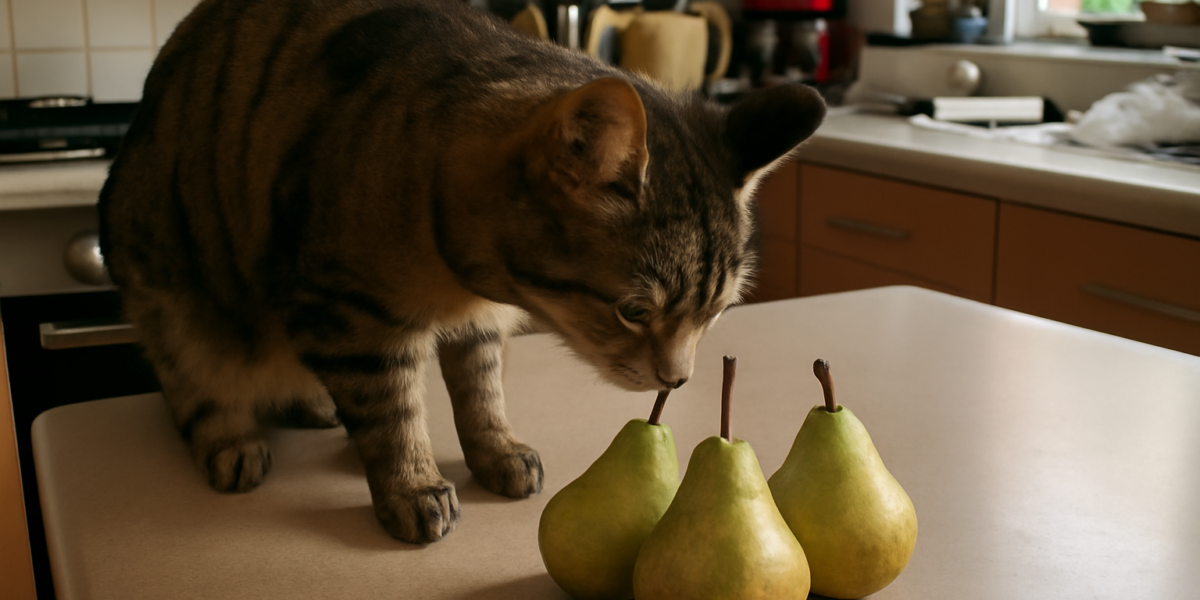
Can Cats Eat Pears? Vet-Approved
Pears are a delicious treat for humans, but can cats eat pears? The quick answer is yes, cats can eat pears in moderation. However, there are several factors to consider before offering this fruit to your feline friend.
In this article
Is Pears Safe for Cats?
Pears are generally safe for cats when given in small amounts. The fleshy part of the pear is non-toxic and can be a healthy treat. However, it’s essential to remove the seeds, core, and stem, as these parts contain cyanogenic glycosides, which can be harmful if ingested in large quantities.
Nutritional Benefits of Pears for Cats
Pears offer some nutritional benefits that can be advantageous for your cat. They contain dietary fiber, which can aid in digestion. Additionally, pears are a source of vitamin C and vitamin A, along with some potassium and copper. While these nutrients can be beneficial, cats require them in very small amounts compared to humans, as their primary nutrition should come from a meat-based diet.
Risks and Side Effects
While pears have some benefits, there are risks associated with feeding them to cats. The most significant concern is the presence of seeds and the core, which contain small amounts of cyanide. Although the risk is low with a small ingestion, it’s crucial to ensure these parts are removed before offering pears to your cat. Furthermore, too much pear can lead to stomach upset, diarrhea, or gastrointestinal issues.
How to Serve Pears to Your Cat
To safely serve pears to your cat, follow these steps:
- Wash the pear thoroughly to remove any pesticides or chemicals.
- Peel the skin to minimize the risk of any remaining chemicals.
- Remove the seeds, core, and stem completely.
- Cut the pear into small, manageable pieces to prevent choking hazards.
- Offer a small piece and observe your cat’s reaction.
Always introduce new foods gradually and monitor for any adverse reactions.
How Much Pears Can Cats Eat?
Cats should only eat pears as an occasional treat. A small piece or two is sufficient for a cat, considering their dietary needs are primarily meat-based. Overfeeding of fruits can lead to nutritional imbalances and health issues. Always prioritize a balanced diet catered to your cat’s specific needs.
Signs of an Adverse Reaction
If your cat shows any signs of discomfort or adverse reaction after eating pears, it’s essential to contact your veterinarian. Symptoms to watch for include:
- Vomiting or diarrhea
- Lethargy
- Loss of appetite
- Changes in behavior or unusual agitation
Timely medical intervention can prevent more severe health issues.
Frequently Asked Questions
Can cats eat canned pears?
Canned pears are often packed with syrup and preservatives, which are not suitable for cats. It’s best to stick to fresh pears and avoid canned varieties to prevent any potential sugar overload or exposure to harmful additives.
Are there other fruits safe for cats to eat?
Yes, some other fruits like blueberries and apples (without seeds) can be offered to cats in moderation. For more information, check out our guide on can cats eat blueberries.
What should I do if my cat accidentally eats pear seeds?
If your cat ingests pear seeds, monitor them for any signs of distress. While a small amount might not cause immediate harm, it’s best to consult your veterinarian for advice and ensure your pet’s safety.
Can kittens eat pears?
Kittens have more sensitive digestive systems than adult cats. It’s advisable to consult a veterinarian before introducing any new foods to their diet. A balanced kitten formula should provide all the necessary nutrition without the need for additional treats.


