
Last updated: June 13, 2026
In this article
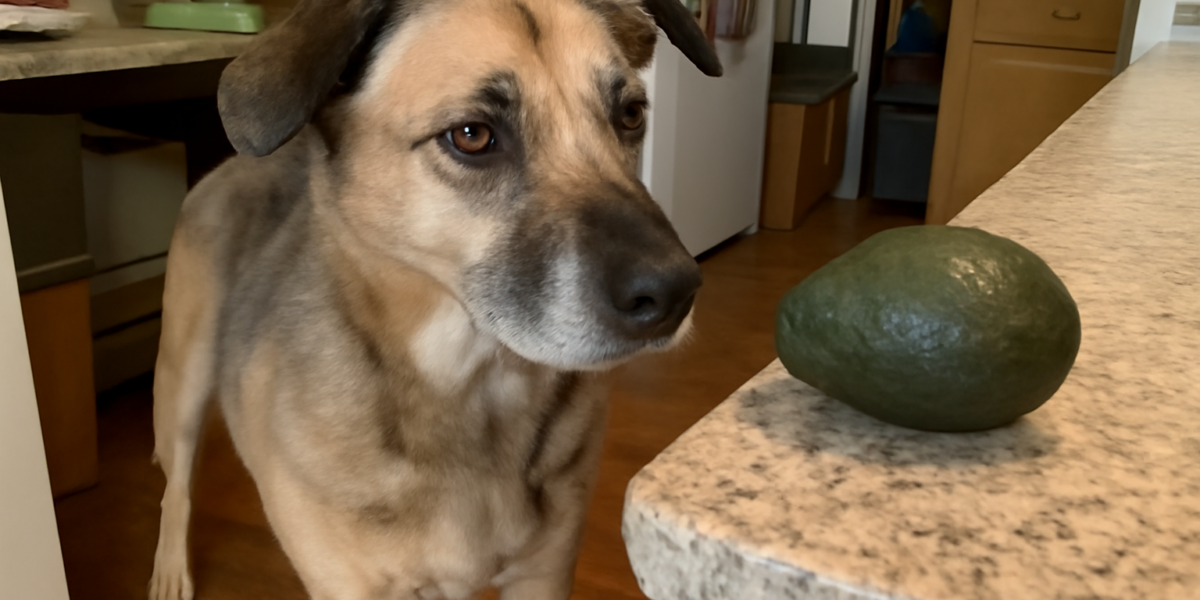
Avocados have become one of the most popular foods in human nutrition, celebrated for their healthy fats, creamy texture, and versatility. But the question of whether dogs can eat avocado has sparked genuine debate among veterinarians, pet nutritionists, and dog owners alike. The answer is more complicated than most people expect — it is not a straightforward yes or no, and understanding the nuances matters if you want to make informed decisions about sharing this fruit with your dog.
Quick Answer: Avocado is complicated for dogs. Small amounts of plain avocado flesh are unlikely to cause serious harm in most dogs, but avocados contain persin — a fungicidal toxin — primarily in the pit, skin, and leaves. The pit also poses a significant choking and obstruction hazard. Most veterinarians recommend avoiding avocado for dogs.
Is Avocado Safe for Dogs?
The safety of avocado for dogs depends entirely on which part of the avocado you are talking about and how much your dog consumes. The avocado plant — including the leaves, bark, skin, and pit — contains a substance called persin, a fungicidal toxin that is harmless to humans but can cause problems for many animals. Dogs are more resistant to persin than some other species (birds and large livestock are particularly sensitive), but they are not immune to its effects.
The flesh of a ripe avocado contains significantly lower concentrations of persin than the pit, skin, or leaves. In the amounts a dog might reasonably consume — a few small pieces — the persin content in the flesh is generally considered too low to cause toxicity in dogs. This is why some veterinarians say small amounts of avocado flesh are acceptable, while others prefer to err on the side of caution and recommend avoiding it entirely.
The avocado pit is unquestionably dangerous for dogs, and this has nothing to do with persin. The pit is large, round, and smooth — the perfect combination for sliding down a dog’s throat and becoming lodged in the esophagus, stomach, or intestines. An avocado pit obstruction is a veterinary emergency that typically requires surgical removal. The pit also contains the highest concentration of persin in the fruit.
The skin of the avocado, while technically edible in some avocado varieties, is tough, fibrous, and higher in persin than the flesh. It offers no nutritional benefit to dogs and can cause digestive irritation. There is no reason to feed avocado skin to a dog under any circumstances.
Understanding Persin: The Key Concern
Persin is a natural antifungal compound that the avocado plant produces to protect itself from fungal infections. It is present in all parts of the avocado plant, with the highest concentrations found in the leaves, the pit, and the skin. The flesh contains the lowest concentration, particularly in the Hass variety of avocado, which is the most commonly consumed type in North America.
In sensitive species — particularly birds, horses, cattle, and goats — persin can cause serious and sometimes fatal toxicity, including respiratory distress, fluid accumulation around the heart, and organ failure. Dogs are considerably more resistant to persin than these species, and documented cases of persin toxicity in dogs are rare. However, “rare” does not mean “impossible,” and individual dogs may vary in their sensitivity.
The symptoms of persin exposure in dogs, when they do occur, typically include vomiting, diarrhea, and abdominal discomfort. In more severe cases — which would generally require consuming large amounts of avocado plant material, not just a small portion of flesh — more serious gastrointestinal distress could occur. The Guatemalan variety of avocado tends to have higher persin levels than the Hass variety, which is worth knowing if you grow avocado trees or have access to multiple varieties.
The practical takeaway is that the persin in a few pieces of ripe Hass avocado flesh is very unlikely to harm your dog, but there is no nutritional reason your dog needs avocado, and there are plenty of safer alternatives that provide similar or better nutritional benefits without any persin-related uncertainty.
Nutritional Profile of Avocado for Dogs
Advocates of feeding avocado to dogs point to its impressive nutritional profile, and it is true that avocado is a nutrient-dense food. Here is what it offers:
Healthy fats. Avocados are rich in monounsaturated fats, primarily oleic acid, which supports cardiovascular health and has anti-inflammatory properties. These fats can contribute to a glossy coat and healthy skin in dogs. However, the same benefits can be obtained from fish oil, flaxseed, or other omega-rich supplements that do not carry the persin concern.
Vitamins. Avocados contain vitamins A, B6, C, E, and K, all of which support various aspects of canine health including immune function, vision, skin health, and blood clotting. While these are genuinely beneficial nutrients, they are abundantly available from other, safer food sources.
Potassium. Avocados are an excellent source of potassium, which supports proper muscle function, nerve signaling, and fluid balance. Dogs that are very active or recovering from illness may benefit from potassium-rich foods, though their regular dog food typically provides adequate amounts.
Fiber. The fiber in avocado supports healthy digestion and regular bowel movements. A small amount of avocado can contribute to digestive health, though many other fruits and vegetables provide fiber more safely.
Antioxidants. Avocados contain several antioxidant compounds, including carotenoids and tocopherols, that help combat oxidative stress. These compounds support cellular health and may play a role in reducing inflammation.
It is worth noting that some premium dog foods include avocado-derived ingredients — particularly avocado oil and avocado meal — which are processed to minimize persin content while retaining nutritional benefits. These commercial products undergo quality control that you cannot replicate by simply giving your dog a piece of avocado at home. Visit our dog care section for more articles on canine nutrition and safe feeding practices.
Risks and Dangers of Avocado for Dogs
The risks of avocado for dogs extend beyond persin, and understanding the full picture helps you make an informed decision about whether to include this fruit in your dog’s diet.
Pit obstruction. The avocado pit is arguably the most dangerous part of the fruit for dogs. It is large enough to cause a complete intestinal blockage in dogs of all sizes, and its smooth, round shape makes it easy to swallow accidentally. Dogs that find an avocado pit — in a trash can, on a counter, or fallen from a tree — may chew on it and swallow pieces, or swallow it whole. Intestinal obstruction from an avocado pit requires surgical intervention and can be fatal if not treated promptly.
High fat content. A single avocado contains approximately 21 grams of fat. While these are primarily healthy fats, the canine pancreas is not designed to handle large amounts of fat at once. Overconsumption of high-fat foods is a leading trigger for pancreatitis in dogs — a painful inflammatory condition that can range from mild to life-threatening. Dogs with a history of pancreatitis, those with sensitive digestive systems, and breeds predisposed to pancreatic issues should avoid avocado entirely.
Gastrointestinal upset. Even without persin toxicity, the richness and fat content of avocado can cause vomiting, diarrhea, and stomach discomfort in many dogs, particularly those not accustomed to high-fat foods. The reaction is often dose-dependent — a small piece may be fine, but a larger portion can trigger significant digestive distress.
Guacamole and prepared avocado products. Guacamole is dangerous for dogs. It typically contains onion, garlic, salt, and sometimes lime juice — all of which can cause problems for dogs. Onion and garlic, in particular, are toxic to dogs and can damage red blood cells. Never share guacamole, avocado toast with seasonings, or any prepared avocado dish with your dog.
Avocado trees. If you live in an area where avocado trees grow — or if you have one in your yard — be aware that dogs may chew on fallen leaves, bark, or unripe fruit, all of which contain higher persin concentrations than ripe flesh. Fallen avocados should be cleaned up promptly, and access to avocado trees should be restricted.
How Much Avocado Can a Dog Eat?
If you choose to give your dog avocado despite the risks, the key is extreme moderation. Most veterinarians who consider small amounts of avocado flesh acceptable for dogs recommend the following guidelines:
- Small dogs (under 20 lbs): a thin slice or two at most, very occasionally
- Medium dogs (20–50 lbs): up to two or three small pieces, very occasionally
- Large dogs (50 lbs and over): a few small pieces, very occasionally
Notice the emphasis on “very occasionally.” Avocado should not be a regular treat for dogs. If you offer it at all, keep it to a rare occurrence — perhaps once or twice a month — and always serve only the flesh, with the pit, skin, and any brown or discolored areas removed. The first time you offer avocado, give only a single small piece and monitor your dog for 24 hours for any adverse reaction before considering giving more.
Many veterinarians would recommend simply skipping avocado altogether and offering your dog safer fruits and vegetables that provide similar nutritional benefits. Sweet potato, for instance, offers vitamins, fiber, and antioxidants without any of the risks associated with avocado. Our adoption page is a great resource if you are welcoming a new dog into your home and want to plan their diet thoughtfully from the start.
What to Do If Your Dog Eats Avocado
The appropriate response depends on what your dog ate and how much:
A small amount of avocado flesh. Monitor your dog for vomiting, diarrhea, or abdominal discomfort over the next 12 to 24 hours. In most cases, a small amount of flesh will not cause serious problems. Ensure your dog has access to fresh water and watch for any signs of digestive distress.
Avocado skin or a large amount of flesh. Contact your veterinarian for guidance. The higher persin content in the skin and the potential for gastrointestinal upset from a large quantity of flesh warrant professional advice. Your vet may recommend monitoring at home or bringing your dog in for an examination.
The avocado pit. This is a veterinary emergency. Contact your veterinarian or an emergency animal hospital immediately. Do not attempt to induce vomiting — the pit’s size and shape could cause it to become lodged in the esophagus on the way up. Your veterinarian will likely recommend imaging to locate the pit and determine the best course of action, which may include endoscopic removal or surgery.
Guacamole or seasoned avocado. Contact your veterinarian, particularly if the product contained onion or garlic. Onion and garlic toxicity can cause hemolytic anemia in dogs — a serious condition that may not show symptoms for several days. Early veterinary intervention can make a significant difference in outcomes.
Frequently Asked Questions
Can dogs eat avocado oil?
Avocado oil is generally considered safer for dogs than whole avocado because the processing removes most of the persin. A small amount of plain avocado oil — a teaspoon for small dogs, up to a tablespoon for large dogs — can be mixed into food to support skin and coat health. However, avocado oil is calorie-dense, so it should be used sparingly. Fish oil is typically a better and more widely recommended option for dogs needing supplemental healthy fats, as it provides omega-3 fatty acids that avocado oil lacks.
Is avocado in commercial dog food safe?
Some commercial dog food brands include avocado-derived ingredients, such as avocado meal or avocado oil, in their formulations. These products undergo processing and quality control that significantly reduces persin content to safe levels. If a reputable, AAFCO-compliant dog food contains avocado ingredients, it has been formulated to be safe for canine consumption. This is quite different from feeding your dog raw avocado at home, where persin levels are uncontrolled.
Why are some sources saying avocado is fine for dogs while others say it is dangerous?
The disagreement stems from the distinction between avocado flesh and the avocado plant as a whole. Sources that say avocado is fine are typically referring to small amounts of ripe flesh from the Hass variety, which has low persin levels. Sources that flag avocado as dangerous are often considering the entire plant — including the pit, skin, and leaves — or are applying the precautionary principle given that persin is present in all parts of the fruit. Both perspectives have merit, which is why the most balanced advice is: small amounts of flesh are unlikely to harm your dog, but there is no compelling reason to take the risk when safer alternatives exist.
Can puppies eat avocado?
Puppies should not be given avocado. Their smaller size means that even small amounts of persin represent a proportionally larger exposure, their developing digestive systems are more sensitive to high-fat foods, and the choking and obstruction risk from any part of the avocado is amplified. Puppies need a carefully balanced diet designed for their growth stage, and avocado does not contribute anything essential that cannot be provided more safely by other foods.
My dog ate avocado and seems fine — does that mean it is safe?
A single incident without adverse effects does not establish safety. Many dogs will eat a small amount of avocado flesh and show no symptoms, which is consistent with the understanding that small amounts of flesh are generally tolerated. However, repeated exposure increases cumulative persin intake, and the high fat content raises the risk of pancreatitis over time. Individual dogs also vary in their sensitivity — what one dog tolerates without issue may cause problems for another. The absence of symptoms after one incident is reassuring but should not be interpreted as a green light for regular feeding.
For the full picture, see our complete guide to the human foods dogs can eat safely.


