
Last updated: April 9, 2026
In this article
Human Foods Dogs Can Eat: A Complete Safe Foods Guide
Every dog owner has been there. You are eating dinner and your dog sits beside you, staring up with those pleading eyes, silently asking for a bite. The question crosses your mind immediately: is this safe for my dog to eat?
The good news is that many common human foods dogs can eat without any issues at all. Fruits, vegetables, lean meats, and certain grains can actually provide valuable nutrients and serve as healthy alternatives to processed commercial treats. The challenge is knowing exactly which foods fall into the safe category and which ones could land your dog in the emergency room.
This guide breaks down every major food group so you can confidently share safe human foods with your dog while steering clear of the dangerous ones. Whether you have just adopted a new dog or have been a pet parent for years, understanding what human foods dogs can eat is essential knowledge for keeping your companion healthy and happy.
Safe Fruits for Dogs
Fruits are among the most popular human foods dogs can eat, and for good reason. They are naturally sweet, low in calories, and packed with vitamins and antioxidants. Here are the top fruits that are safe for your dog.
Apples. Apples are an excellent source of vitamins A and C, along with dietary fiber that supports healthy digestion. The crunchy texture can also help clean your dog’s teeth. Always remove the seeds and core before serving, as apple seeds contain trace amounts of cyanide. Slice apples into small, manageable pieces appropriate for your dog’s size.
Bananas. Bananas are rich in potassium, vitamin B6, and vitamin C. They make a great occasional treat, especially for active dogs that need a quick energy boost. However, bananas are higher in sugar than many other fruits, so keep portions small. A few slices at a time is plenty for most dogs. Avoid feeding the peel, as it is difficult to digest.
Blueberries. Blueberries are one of the best human foods dogs can eat when it comes to nutritional value. They are loaded with antioxidants, fiber, and vitamins C and K. Their small size makes them a convenient training treat, and many dogs love the burst of flavor. Fresh or frozen blueberries are both safe options. Avoid blueberry products with added sugar or artificial sweeteners.
Watermelon. Watermelon is a hydrating, low-calorie treat that dogs tend to enjoy, especially during warmer months. It contains vitamins A, B6, and C, along with plenty of water content that helps keep dogs hydrated. Always remove the seeds and rind before offering watermelon to your dog. The seeds can cause intestinal blockage in smaller dogs, and the rind is tough to digest and may cause gastrointestinal discomfort.
Safe Vegetables for Dogs
Vegetables provide fiber, vitamins, and minerals without the higher sugar content found in fruits. Many vegetables make excellent low-calorie snacks for dogs watching their weight.
Carrots. Carrots are one of the most versatile and widely recommended vegetables for dogs. They are low in calories, high in fiber, and packed with beta-carotene, which the body converts into vitamin A. Raw carrots provide a satisfying crunch that can support dental health, while cooked carrots are easier to digest and may be better for senior dogs or dogs with sensitive stomachs. Cut carrots into pieces that are appropriate for your dog’s size to reduce choking risk.
Green beans. Plain green beans, whether fresh, steamed, or frozen, are an excellent human food dogs can eat regularly. They are low in calories and high in fiber, iron, and vitamins C and K. Veterinarians sometimes recommend green beans as a partial meal replacement for overweight dogs because they are filling without being calorie-dense. Always serve green beans plain with no added salt, butter, garlic, or seasoning of any kind.
Sweet potatoes. Cooked sweet potatoes are a nutritional powerhouse for dogs. They contain beta-carotene, fiber, vitamin B6, vitamin C, and manganese. Sweet potatoes should always be cooked before serving, as raw sweet potato is difficult for dogs to digest and can cause intestinal discomfort. Baked, boiled, or steamed sweet potatoes are all safe options. Never serve sweet potatoes with added butter, sugar, marshmallows, or other toppings.
Pumpkin. Plain cooked pumpkin is one of the most beneficial human foods dogs can eat, especially for digestive health. The high fiber content helps regulate bowel movements, making pumpkin useful for both constipation and mild diarrhea. Canned pumpkin is a convenient option, but it must be plain pumpkin puree with no added sugar, spices, or flavorings. Pumpkin pie filling is not the same product and should never be given to dogs.
Safe Proteins for Dogs
Protein is the foundation of a dog’s diet, and several human protein sources are both safe and beneficial for dogs when prepared correctly.
Chicken. Cooked, unseasoned chicken is one of the most commonly recommended human foods dogs can eat. It is lean, high in protein, and easy for most dogs to digest. Boiled or baked chicken breast with no skin, bones, salt, or seasoning is ideal. Many veterinarians recommend plain boiled chicken and rice as a temporary bland diet for dogs recovering from stomach upset. Never feed dogs raw chicken due to the risk of salmonella and other bacterial infections, and never give cooked chicken bones, which can splinter and cause serious internal injuries.
Turkey. Plain, cooked turkey is safe for dogs and provides a lean source of protein along with riboflavin, phosphorus, and other nutrients. Stick to white meat with no skin, and avoid any turkey that has been seasoned, brined, or cooked with onions, garlic, or butter. Holiday turkey preparations are typically not safe for dogs because of the seasonings and cooking methods used. If you want to share turkey with your dog, set aside a small portion of plain, unseasoned meat before adding your own flavoring.
Salmon. Cooked salmon is an outstanding source of omega-3 fatty acids, which support healthy skin, a shiny coat, and reduced inflammation in joints. Salmon also provides high-quality protein and B vitamins. The fish must always be fully cooked and boneless before serving. Raw or undercooked salmon can contain parasites that cause salmon poisoning disease, a potentially fatal condition in dogs. Canned salmon packed in water with no added salt is a convenient alternative. If you are exploring different dog breeds, keep in mind that breeds prone to skin issues often benefit from the omega-3s found in salmon.
Eggs. Cooked eggs are a highly nutritious food that most dogs tolerate well. They are packed with protein, fatty acids, vitamins A and B12, iron, and selenium. Scrambled, hard-boiled, or poached eggs with no added oil, butter, or seasoning are all safe options. Avoid feeding raw eggs to dogs, as they carry a risk of salmonella contamination and contain avidin, a protein that can interfere with biotin absorption over time.
Safe Grains for Dogs
Despite the popularity of grain-free diets in recent years, most dogs digest grains without any problem. In fact, certain grains provide valuable energy and nutrients.
Rice. Plain cooked white rice is one of the most universally safe human foods dogs can eat. It is gentle on the stomach, easy to digest, and provides a quick source of energy. White rice is a staple component of the bland diet veterinarians recommend for dogs with diarrhea or upset stomachs. Brown rice is also safe and offers more fiber, but it takes longer to digest. Serve rice plain without any butter, salt, soy sauce, or seasoning.
Oatmeal. Cooked plain oatmeal is a good source of soluble fiber, making it a helpful food for dogs with irregular bowel movements. It also contains iron, vitamin B6, and manganese. Oatmeal should be cooked in water rather than milk, served plain, and cooled to room temperature before offering it to your dog. Avoid instant oatmeal packets, which typically contain added sugar, artificial flavors, and other additives that are not suitable for dogs.
Dairy in Moderation
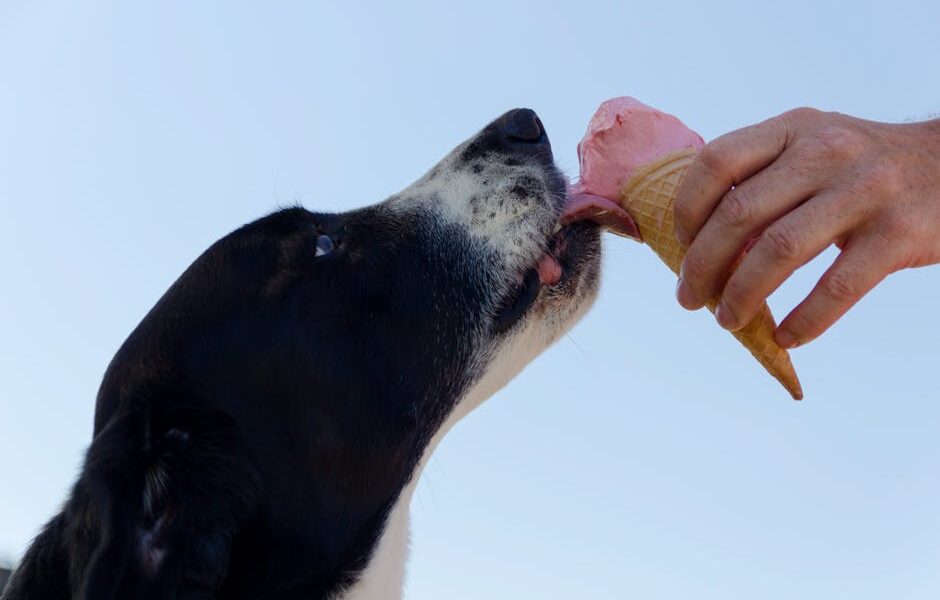
Dairy is a category where caution is especially important. While small amounts of certain dairy products are safe for many dogs, not all dogs tolerate dairy well. Like some humans, many dogs are lactose intolerant to varying degrees, which means dairy can cause gas, bloating, diarrhea, or other digestive issues.
Plain yogurt is generally the safest dairy option for dogs. It contains probiotics that can support gut health, along with calcium and protein. Choose plain, unsweetened yogurt with no artificial sweeteners. Greek yogurt is also acceptable and tends to be lower in lactose.
Cheese can be given in small amounts as an occasional treat or training reward. Low-fat options like mozzarella or cottage cheese are preferable. Cheese is high in fat and calories, so it should be used sparingly, especially for overweight dogs or breeds prone to pancreatitis.
If you have never given your dog dairy before, start with a very small amount and monitor for any signs of digestive upset over the following 24 hours. If your dog shows any adverse reaction, dairy should be removed from their diet entirely.
Foods to Absolutely Avoid
Not all human foods dogs can eat safely, and some are genuinely dangerous. The following items should never be given to dogs under any circumstances, regardless of the amount.
Chocolate. Chocolate contains theobromine and caffeine, both of which are toxic to dogs. Dark chocolate and baking chocolate contain the highest concentrations and are the most dangerous, but all chocolate should be avoided. Symptoms of chocolate poisoning include vomiting, diarrhea, rapid breathing, increased heart rate, seizures, and in severe cases, death. If your dog eats any amount of chocolate, contact your veterinarian immediately.
Grapes and raisins. Grapes and raisins can cause sudden and severe kidney failure in dogs, even in small quantities. The exact toxic substance has not been definitively identified, and there is no way to predict which dogs will be affected. Some dogs may eat a grape without apparent harm, while others can experience life-threatening kidney damage from a single grape. Because the risk is unpredictable and the consequences are potentially fatal, grapes and raisins must be kept away from dogs entirely.
Onions. All forms of onions, whether raw, cooked, powdered, or dehydrated, are toxic to dogs. Onions contain N-propyl disulfide, a compound that damages red blood cells and can lead to hemolytic anemia. Symptoms may not appear immediately but can include weakness, lethargy, pale gums, and reddish or dark urine. Onion powder is particularly dangerous because it is concentrated and often hidden in sauces, soups, baby food, and other prepared foods.
Xylitol. Xylitol is an artificial sweetener found in sugar-free gum, candy, baked goods, peanut butter, toothpaste, and many other products. In dogs, xylitol triggers a rapid release of insulin that causes a dangerous drop in blood sugar. It can also cause liver failure. Even small amounts of xylitol can be life-threatening. Always read ingredient labels carefully before sharing any human food with your dog, particularly peanut butter and sugar-free products.
Garlic. While garlic is in the same family as onions, it is significantly more concentrated in its toxicity. Garlic contains thiosulfate, which damages red blood cells and can lead to anemia. Some sources suggest that very small amounts of garlic may be safe, but the margin between a harmless amount and a harmful dose is narrow and varies between individual dogs. To eliminate any risk, avoid giving garlic to your dog in any form.
Portion Guidelines and the 10% Treat Rule
Understanding which human foods dogs can eat is only half the equation. Knowing how much to give is equally important for your dog’s long-term health.
The most widely recommended guideline among veterinarians is the 10% treat rule. This rule states that treats, snacks, and any foods outside of your dog’s regular balanced diet should make up no more than 10 percent of their total daily caloric intake. The remaining 90 percent should come from a complete and nutritionally balanced dog food.
To put this into perspective, a medium-sized dog that requires roughly 800 calories per day should receive no more than 80 calories from treats and human foods combined. A small banana has about 90 calories. A cup of watermelon has about 45. A tablespoon of peanut butter has close to 100. These numbers add up quickly, which is why portion awareness matters.
Here are some practical portion guidelines based on dog size:
- Small dogs (under 20 pounds): One to two small bites of any safe food at a time. Think a single blueberry, a thin carrot stick, or a teaspoon of cooked chicken.
- Medium dogs (20 to 50 pounds): A small handful of blueberries, two to three carrot sticks, or a tablespoon of plain yogurt.
- Large dogs (over 50 pounds): A few apple slices, a quarter cup of green beans, or two tablespoons of cooked rice.
When introducing any new food, always start with a very small amount and wait at least 24 hours to monitor for any adverse reactions such as vomiting, diarrhea, excessive gas, or changes in behavior. Gradual introduction is the safest approach, regardless of how commonly recommended a food may be.
If you are preparing to adopt a dog, building a basic understanding of safe human foods now will help you make smart feeding decisions from day one. Every dog is different, and what works well for one dog may not suit another. When in doubt, consult your veterinarian before adding any new food to your dog’s routine.
Frequently Asked Questions
Can I feed my dog human food every day?
Yes, as long as the human food is safe for dogs, properly prepared, and kept within the 10% treat rule. Human foods should supplement a nutritionally complete dog food, not replace it. Feeding safe foods like plain cooked chicken, carrots, or blueberries on a daily basis is fine in small amounts. The key is consistency in portion control and choosing foods that are free from seasoning, added sugar, and harmful ingredients.
What should I do if my dog eats a toxic food?
If your dog consumes any food on the toxic list, including chocolate, grapes, onions, garlic, or xylitol, contact your veterinarian or an emergency animal poison control hotline immediately. Do not wait for symptoms to appear, as some toxic reactions develop over hours and early treatment significantly improves outcomes. Have the product packaging available if possible so you can communicate the exact ingredient and amount consumed.
Are human foods better than commercial dog treats?
Some human foods can be healthier than certain commercial treats because they contain no artificial additives, preservatives, or fillers. A fresh blueberry or a piece of cooked sweet potato is nutritionally superior to many processed dog treats on the market. However, commercial dog treats formulated by reputable brands are also perfectly fine when used as directed. The best approach is variety and moderation, using a mix of safe whole foods and quality commercial treats.
Can puppies eat the same human foods as adult dogs?
Most safe human foods for adult dogs are also safe for puppies, but portions should be significantly smaller and new foods should be introduced even more gradually. Puppies have more sensitive digestive systems and smaller bodies, so even a small amount of a new food can cause an upset stomach. Stick to the gentlest options like plain cooked chicken, small pieces of banana, or a few cooked carrot bites, and always consult your veterinarian about your puppy’s specific dietary needs.
How do I know if my dog is allergic to a specific human food?
Signs of a food allergy or intolerance in dogs include itching, skin redness, ear infections, vomiting, diarrhea, and excessive gas. To identify the problem food, introduce only one new food at a time and wait several days before adding another. If symptoms appear after introducing a specific food, discontinue it and see if the symptoms resolve. For persistent or severe reactions, your veterinarian can recommend an elimination diet or allergy testing to pinpoint the cause.


