
Last updated: May 4, 2026
In this article
Can Dogs Eat Soy Sauce? Safety Guide and Tips
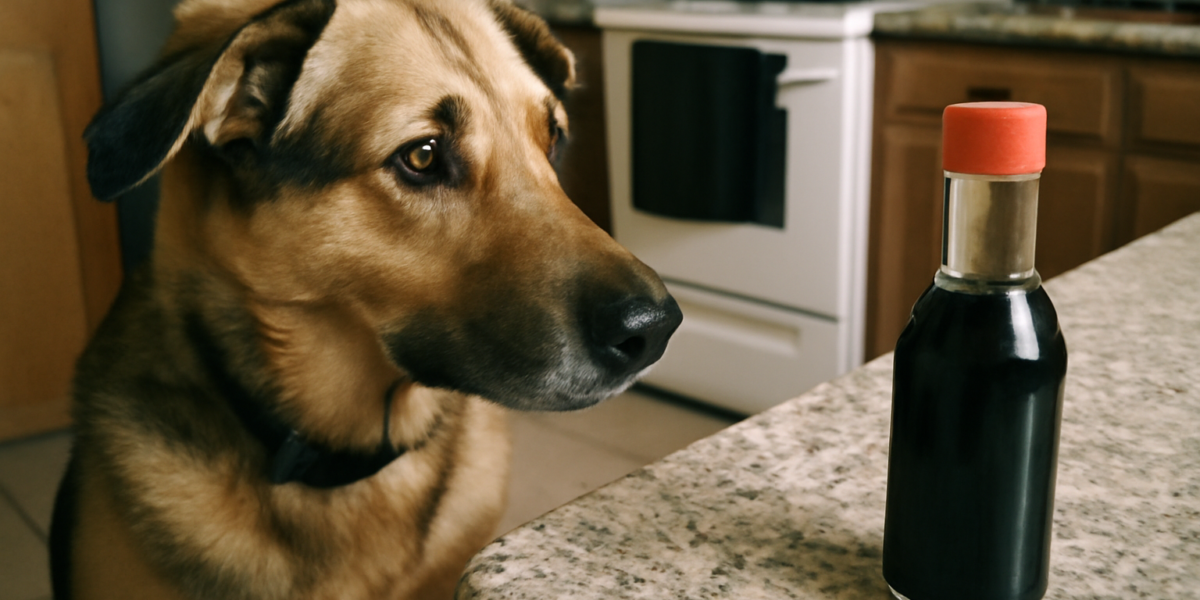
Soy sauce is one of the most widely used condiments in the world, adding depth and umami flavor to countless dishes. If you have ever dropped a piece of soy-sauce-seasoned food on the floor and watched your dog eagerly gobble it up, you may have wondered whether soy sauce is safe for dogs. The answer is a firm no — soy sauce is not safe for dogs and poses serious health risks even in small quantities.
The primary danger of soy sauce for dogs is its extraordinarily high sodium content. Dogs have a much lower tolerance for salt than humans do, and the concentrated sodium in soy sauce can quickly overwhelm their system. In this comprehensive guide, we will explain exactly why soy sauce is dangerous, what to do if your dog consumes it, and how to keep your pet safe.
Quick Answer: Can Dogs Eat Soy Sauce?
No, dogs should never eat soy sauce. A single tablespoon of regular soy sauce contains approximately 900 to 1,000 milligrams of sodium, which is far more than a dog should consume in an entire day. For reference, a dog weighing 33 pounds needs only about 200 milligrams of sodium per day. This means that just one tablespoon of soy sauce delivers roughly five times the daily sodium requirement for a medium-sized dog.
Even low-sodium soy sauce varieties contain dangerously high levels of salt for dogs, typically around 500 to 600 milligrams per tablespoon. There is no safe amount of soy sauce for dogs, and it should never be used as a flavoring for dog food or treats. If your dog licks a small splash of soy sauce off the floor, the amount is likely too small to cause serious harm, but any significant ingestion warrants immediate attention and monitoring.
Nutritional Profile of Soy Sauce
Soy sauce is made from fermented soybeans, wheat, water, and salt. While it does contain trace amounts of certain nutrients, its nutritional profile is dominated by sodium, which makes it fundamentally unsuitable for dogs.
A tablespoon of regular soy sauce contains approximately 8 to 10 calories, less than 1 gram of protein, no fat, about 1 gram of carbohydrates, and between 900 and 1,000 milligrams of sodium. It also contains small amounts of iron, potassium, manganese, and some B vitamins, but these are present in such negligible quantities that they offer no meaningful nutritional benefit, especially when weighed against the sodium risk.
Some soy sauce varieties also contain additives such as monosodium glutamate (MSG), preservatives, or added sugars. These additional ingredients can cause their own problems in dogs, including allergic reactions, digestive upset, and further sodium loading. Whether you are using traditional brewed soy sauce, chemically hydrolyzed soy sauce, tamari, or any other variety, the sodium content remains dangerously high for canine consumption.
Benefits and Risks of Soy Sauce for Dogs
Unlike many foods where there is a balance of benefits and risks to weigh, soy sauce offers no meaningful benefits for dogs while presenting several serious dangers.
Why There Are No Benefits
While fermented soy products can contain beneficial compounds like isoflavones and certain amino acids, the amounts present in soy sauce are too small to provide health benefits. The fermentation process that produces soy sauce creates a product that is essentially a sodium delivery system. Any trace nutrients it contains are available in much safer forms through a balanced dog diet or appropriate supplements recommended by a veterinarian.
Critical Risks
Salt Poisoning (Hypernatremia): This is the most serious and immediate risk of soy sauce consumption in dogs. Salt poisoning occurs when a dog ingests more sodium than their kidneys can process. The excess sodium draws water out of cells, including brain cells, which can lead to neurological symptoms and, in severe cases, death. Symptoms of salt poisoning include extreme thirst, frequent urination, vomiting, diarrhea, tremors, seizures, and coma.
Dehydration: High sodium intake causes the body to pull water from cells and tissues in an attempt to dilute the excess salt in the bloodstream. This can lead to rapid and severe dehydration, which compounds the danger of salt poisoning. Signs include dry gums, sunken eyes, loss of skin elasticity, and lethargy.
Kidney Damage: The kidneys are responsible for filtering excess sodium from the blood. When overwhelmed by a sudden influx of salt, the kidneys can sustain damage that may be temporary or, in severe cases, permanent. Dogs with pre-existing kidney conditions are at even greater risk.
Cardiovascular Stress: Excessive sodium intake increases blood volume and blood pressure, placing additional strain on the heart. Dogs with heart conditions are particularly vulnerable, but even healthy dogs can experience dangerous cardiovascular effects from a significant soy sauce ingestion.
Gastrointestinal Distress: Even before more serious complications develop, soy sauce commonly causes vomiting, diarrhea, and abdominal discomfort in dogs. The high salt concentration irritates the stomach lining and disrupts normal digestive function.
Wheat and Soy Allergies: Some dogs have allergies or sensitivities to soy or wheat, both of which are primary ingredients in soy sauce. Allergic reactions can manifest as skin irritation, itching, ear infections, or digestive problems.
How to Keep Your Dog Safe Around Soy Sauce
Prevention is the best strategy when it comes to soy sauce and dogs. Here are practical steps to minimize the risk of accidental ingestion.
Keep soy sauce bottles tightly sealed and stored in upper cabinets or behind closed doors. Dogs can knock over bottles left on countertops, and spilled soy sauce can be lapped up quickly before you have a chance to intervene.
Be cautious when eating meals that include soy sauce. Sushi, stir-fries, marinades, teriyaki dishes, and many Asian-inspired cuisines use soy sauce liberally. Avoid feeding table scraps from these meals to your dog, as even small pieces of food can carry enough soy sauce to be problematic.
Clean up spills immediately. If soy sauce is spilled on the floor, counter, or any surface accessible to your dog, clean it thoroughly right away. Even residual amounts that seem insignificant to you can attract your dog and lead to ingestion.
Inform family members and guests about the danger. Not everyone realizes that soy sauce is harmful to dogs, and well-meaning visitors might share a soy-sauce-flavored snack with your pet. A brief reminder can prevent a serious incident. For more tips on keeping your dog healthy and safe, visit our adoption and care resources.
Signs of Problems After Soy Sauce Ingestion
If you suspect or know that your dog has consumed soy sauce, it is essential to monitor them closely and act quickly if symptoms develop. The timeline for symptom onset can vary, but signs of salt poisoning typically appear within a few hours of ingestion.
Early warning signs (within 1-3 hours): Excessive thirst and water consumption, frequent urination, restlessness, and mild gastrointestinal upset such as vomiting or loose stools. If your dog is drinking water excessively, allow them access to fresh water but monitor the amount they consume, as drinking too much water too quickly can also be dangerous.
Moderate symptoms (within 3-6 hours): Persistent vomiting, watery diarrhea, lethargy, swelling in the legs or abdomen due to fluid retention, loss of appetite, and visible discomfort. At this stage, you should contact your veterinarian or an emergency animal hospital.
Severe symptoms (within 6-24 hours): Muscle tremors, stiffness or difficulty walking, disorientation or confusion, seizures, rapid or labored breathing, collapse, or loss of consciousness. These are signs of a medical emergency, and your dog needs immediate veterinary care. Salt poisoning at this stage can be fatal without prompt treatment.
Treatment for soy sauce ingestion and salt poisoning typically involves carefully controlled intravenous fluid administration to gradually reduce sodium levels in the blood. It is critical that sodium levels are lowered slowly, as rapid correction can cause dangerous brain swelling. Your veterinarian may also provide anti-nausea medications, electrolyte monitoring, and supportive care as needed.
Healthy Alternatives to Soy Sauce for Flavoring Dog Food
If you want to add flavor to your dog’s meals, there are many safe alternatives that do not carry the risks associated with soy sauce.
Low-Sodium Bone Broth: Unsalted, plain bone broth made without onions or garlic is a flavorful and nutritious addition to dog food. It provides collagen, amino acids, and minerals while adding moisture and taste that most dogs love.
Plain Pumpkin Puree: A spoonful of plain canned pumpkin (not pie filling) adds flavor and fiber to your dog’s meal. It is also beneficial for digestive health and is generally well-tolerated by most dogs.
Cooked Sweet Potato: Mashed or diced plain sweet potato adds natural sweetness and provides vitamins A and C, potassium, and dietary fiber. Serve it plain without butter, salt, or seasonings.
Fresh Herbs: Small amounts of dog-safe herbs like parsley, basil, or oregano can add flavor variety to your dog’s food. Avoid garlic, onion, chives, and other allium family herbs, which are toxic to dogs.
Plain Cooked Meat: A small amount of unseasoned cooked chicken, turkey, or lean beef adds protein and flavor that dogs find irresistible. Ensure the meat is cooked without oil, salt, garlic, or onion.
To learn more about safe and unsafe foods for your dog, you can explore our other guides such as can dogs eat wasabi and other condiment-related articles on our site.
Frequently Asked Questions
How much soy sauce is dangerous for a dog?
Any amount of soy sauce is considered unsafe for dogs due to its extreme sodium concentration. As little as one tablespoon can deliver five times the daily sodium requirement for a medium-sized dog. For very small dogs under 10 pounds, even a teaspoon could potentially cause salt poisoning symptoms. There is no established safe threshold, so the recommendation is to avoid soy sauce entirely.
What should I do if my dog drank soy sauce?
If your dog consumed soy sauce, provide immediate access to fresh water to help them stay hydrated and support their kidneys in processing the excess sodium. Do not force them to drink. Monitor closely for symptoms of salt poisoning including excessive thirst, vomiting, diarrhea, lethargy, or tremors. Contact your veterinarian or an emergency animal poison control hotline for guidance specific to your dog’s size and the estimated amount consumed.
Is low-sodium soy sauce safe for dogs?
No. Low-sodium soy sauce still contains approximately 500 to 600 milligrams of sodium per tablespoon, which remains dangerously high for dogs. While it has roughly 40 percent less sodium than regular soy sauce, it is still far too concentrated in salt to be considered safe for canine consumption. No variety of soy sauce, including tamari, shoyu, or reduced-sodium versions, is appropriate for dogs.
Can soy sauce kill a dog?
Yes, in sufficient quantities, soy sauce can be fatal to dogs. Salt poisoning is a serious and potentially deadly condition. The lethal dose of sodium for dogs is estimated at approximately 4 grams per kilogram of body weight, and soy sauce delivers sodium in a highly concentrated form. Smaller dogs are at greater risk, but even larger dogs can experience life-threatening complications from significant soy sauce ingestion. Prompt veterinary treatment significantly improves survival rates.
My dog ate food cooked with soy sauce. Should I be worried?
It depends on the amount of soy sauce in the food and how much your dog consumed. A small piece of food with a light splash of soy sauce is less concerning than a dog consuming an entire plate of soy-sauce-marinated meat. As a general guideline, if your dog ate a small bite of food seasoned with soy sauce, monitor them for symptoms but do not panic. If they ate a significant portion of a soy-sauce-heavy dish, contact your veterinarian for advice based on your dog’s size and the estimated sodium exposure.
Are other soy products safe for dogs?
Some soy products are safer than others. Plain, unseasoned tofu and edamame can be given to dogs in small quantities as an occasional treat, provided the dog does not have a soy allergy. However, soy sauce, miso paste, and other fermented or salted soy products are not safe due to their high sodium content. Always introduce new foods gradually and in small amounts, and consult your veterinarian if you have concerns about soy allergies or sensitivities in your dog.
Responsible pet ownership means knowing which common household foods can harm your dog. If you are thinking about welcoming a new canine companion into your home, visit our adoption page to find dogs waiting for their forever families, and continue exploring our food safety guides to keep your pet healthy and happy.


