
Last updated: April 8, 2026
In this article
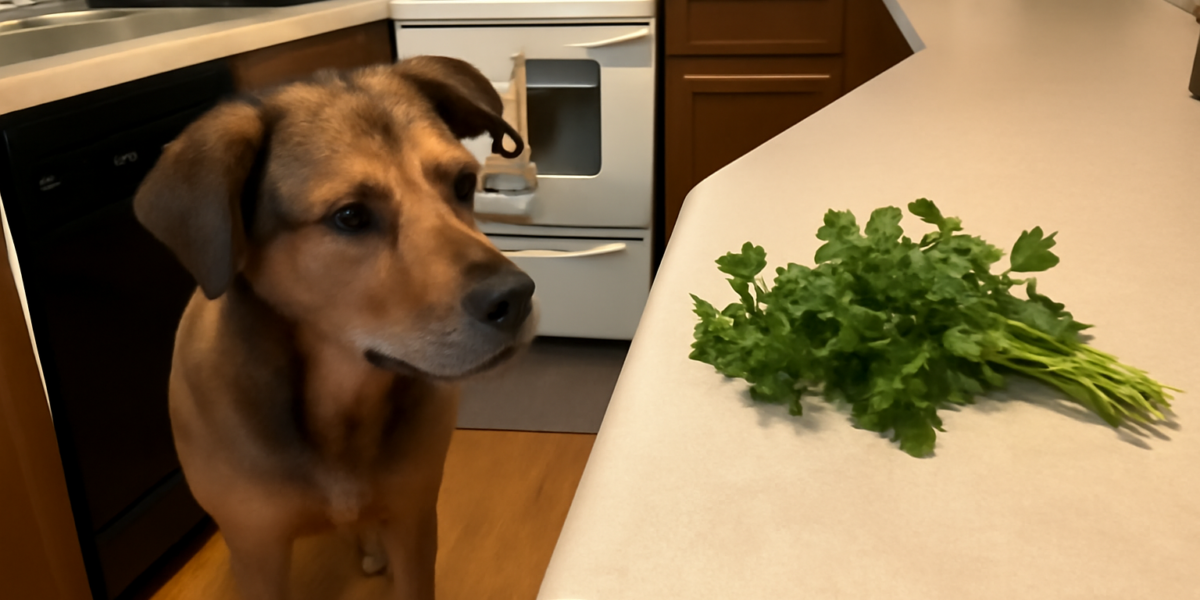
Parsley is one of the most common herbs in kitchens worldwide, prized for its fresh flavor and vibrant color. If your dog has ever helped themselves to a sprig that fell on the floor, or if you have been considering adding parsley to their food as a natural breath freshener, you are right to look into whether this herb is a safe choice. The answer depends on the type of parsley and the amount you offer, and getting those details right matters for your dog’s health.
Quick Answer: Yes, dogs can eat common culinary parsley — both curly parsley (Petroselinum crispum) and flat-leaf Italian parsley — in small amounts. However, spring parsley (Cymopterus watsonii), a wild plant, is toxic to dogs. Always use store-bought or garden-grown culinary parsley and serve it in moderation.
Is Parsley Safe for Dogs?
Culinary parsley, the kind you buy at the grocery store or grow in a kitchen herb garden, is safe for dogs when offered in appropriate quantities. This includes both the common curly-leaf variety (Petroselinum crispum) and the flat-leaf Italian variety (Petroselinum crispum var. neapolitanum). Both fresh and dried forms of these culinary parsleyes are non-toxic to dogs.
The critical safety distinction involves a completely different plant called spring parsley (Cymopterus watsonii), which grows wild in parts of North America. Despite sharing the name “parsley,” this plant contains furanocoumarins, compounds that are toxic to dogs and can cause photosensitization, skin damage, and liver problems. If you forage or live in an area where wild plants grow, never let your dog eat any plant you cannot positively identify.
Assuming you are working with standard culinary parsley, the herb is a welcome occasional addition to your dog’s diet. Many commercial dog treats and dental products already include parsley as an ingredient for its breath-freshening properties.
Nutritional Profile of Parsley
Parsley is remarkably nutrient-dense for such a small, lightweight herb. A quarter-cup serving of fresh chopped parsley provides meaningful amounts of several essential vitamins and minerals:
- Vitamin K: Parsley is one of the richest dietary sources of vitamin K, essential for proper blood clotting and bone metabolism. Even a small amount provides a significant contribution.
- Vitamin C: A potent antioxidant that supports immune function. While dogs produce their own vitamin C, supplemental amounts may benefit dogs under stress.
- Vitamin A: Supports vision, immune health, skin condition, and cell growth.
- Folate: Important for cell division and DNA synthesis, particularly relevant for pregnant or growing dogs.
- Iron: Essential for hemoglobin production and oxygen transport throughout the body.
- Potassium: Supports heart function, muscle contraction, and fluid balance.
Dried parsley concentrates these nutrients, meaning you get more nutritional value per teaspoon compared to fresh. However, some volatile compounds and vitamin C content are reduced during the drying process. Both forms have their place in your dog’s dietary rotation.
Health Benefits of Parsley for Dogs
Parsley offers several potential health benefits when included as a small part of a balanced canine diet.
Breath freshening: This is the most popular reason dog owners reach for parsley. The chlorophyll in parsley has natural deodorizing properties that can help neutralize odor-causing compounds in the mouth. While it will not fix bad breath caused by dental disease or other medical conditions, it can help manage everyday doggy breath. Many commercial dog dental treats include parsley for this exact reason.
Antioxidant support: Parsley contains several antioxidant compounds, including flavonoids like apigenin and luteolin, along with vitamins C and A. These antioxidants help protect cells from oxidative damage, which is linked to aging, cancer, and chronic disease.
Anti-inflammatory properties: The apigenin and other flavonoids in parsley have demonstrated anti-inflammatory effects in research settings. For dogs with mild inflammatory conditions, parsley may offer complementary dietary support.
Urinary tract support: Parsley has traditionally been used as a mild diuretic, meaning it can help promote urine production. Some holistic veterinarians recommend parsley to support urinary tract health, though it should never replace proper veterinary treatment for urinary tract infections or stones.
Digestive aid: Parsley has a long history of use as a digestive herb in traditional medicine. It may help ease gas and bloating when consumed in small amounts with meals.
Immune support: The combination of vitamins A and C, along with the herb’s antioxidant compounds, may provide a mild boost to immune function, particularly in older or stressed dogs.
Risks and Side Effects
While culinary parsley is safe in moderation, there are several important risks and cautions to be aware of.
Furanocoumarins in large quantities: Even culinary parsley contains small amounts of furanocoumarins, particularly in the seeds and root. In very large quantities, these compounds can cause photosensitivity (increased sensitivity to sunlight) leading to skin irritation or burns. This is only a concern with excessive consumption, not with normal dietary amounts.
Oxalate content: Parsley contains oxalic acid, which can contribute to the formation of calcium oxalate bladder or kidney stones in susceptible dogs. If your dog has a history of oxalate stones, avoid adding parsley to their diet.
Uterine stimulation: Parsley, especially parsley seeds and concentrated parsley oil, has been associated with uterine stimulation. Pregnant dogs should not consume parsley in any significant quantity, as it could theoretically contribute to miscarriage or premature labor.
Gastrointestinal upset: As with any herb, feeding too much parsley can cause stomach upset, including nausea, vomiting, and diarrhea. Introduce it gradually and stick to recommended serving sizes.
Medication interactions: Due to its vitamin K content and mild diuretic properties, parsley may interact with blood-thinning medications and lithium. If your dog is on any prescription medication, consult your veterinarian before adding parsley to their diet.
Parsley essential oil: Never give your dog concentrated parsley essential oil. It contains far higher levels of potentially problematic compounds than the whole herb and can cause serious toxicity even in small amounts.
How to Feed Parsley to Your Dog Safely
Getting the preparation and portion right ensures your dog can enjoy parsley’s benefits without any downsides.
Fresh parsley: Wash the herb thoroughly under running water to remove dirt, bacteria, and any pesticide residue. Chop it finely before adding it to your dog’s food. Finely chopping fresh parsley makes it easier to digest and releases more of the beneficial compounds. You can also blend it into a smoothie with dog-safe fruits for a nutrient-dense treat.
Dried parsley: Use plain dried parsley flakes without any added seasonings, salt, garlic, or onion. Sprinkle the recommended amount directly onto your dog’s regular food. Dried parsley is more concentrated, so use roughly one-third the amount you would use of fresh parsley.
Parsley water: Some owners steep a small amount of fresh parsley in hot water, let it cool completely, and offer the resulting “parsley tea” as a drink. This is a gentle way to introduce parsley’s benefits, particularly for dogs who are hesitant about eating the herb directly.
Recommended Serving Sizes
- Small dogs (under 20 lbs): 1/2 to 1 teaspoon fresh chopped parsley, or a small pinch of dried, 2–3 times per week.
- Medium dogs (20–50 lbs): 1 to 2 teaspoons fresh chopped parsley, or 1/4 teaspoon dried, 2–3 times per week.
- Large dogs (50 lbs and over): 1 tablespoon fresh chopped parsley, or 1/2 teaspoon dried, 2–3 times per week.
Begin with half the suggested amount during the first week to allow your dog’s system to adjust. Parsley should complement a nutritionally complete diet, not replace any portion of it.
Signs of a Problem After Eating Parsley
Most dogs handle parsley well, but vigilance is important, particularly when introducing any new food.
Mild symptoms that usually resolve on their own include slightly loose stools, minor gas, and brief loss of interest in food. These typically indicate that you have offered a bit more than your dog’s digestive system is ready for. Reduce the amount or take a break for a few days.
Symptoms requiring veterinary attention include repeated vomiting, diarrhea lasting more than 24 hours, visible skin redness or irritation (especially after sun exposure, which could indicate furacoumarin sensitivity), blood in urine or changes in urination patterns, and any signs of an allergic reaction such as facial swelling, hives, or difficulty breathing.
If you suspect your dog has eaten wild spring parsley (Cymopterus watsonii), contact your veterinarian or an emergency animal poison control service immediately. Symptoms of spring parsley toxicity can include skin blistering (especially on light-colored or thin-furred areas), liver damage, and severe photosensitization.
Alternatives to Parsley for Dogs
If parsley is not the right fit for your dog, whether due to a health condition, medication interaction, or simple food preference, here are other safe herbs and breath-freshening options to consider.
- Basil: A safe, mild herb with antioxidant properties. Check out our article on whether dogs can eat basil for detailed guidance.
- Mint: Peppermint and spearmint are safe in small amounts and provide excellent breath-freshening effects. Avoid pennyroyal mint, which is toxic to dogs.
- Coconut oil: Has mild antimicrobial properties that can help with oral health. A small amount added to food may improve breath while also benefiting skin and coat condition.
- Carrots: Crunchy raw carrots act as natural toothbrushes, helping to remove plaque buildup and freshen breath mechanically.
- Dill: Another safe culinary herb with mild breath-freshening properties and a flavor that many dogs enjoy.
For other safe spice options, see our guide on whether dogs can eat turmeric, which covers another popular herb with notable health benefits for canines.
Frequently Asked Questions
Can dogs eat parsley stems?
Yes, parsley stems are safe for dogs to eat. They tend to be tougher and more fibrous than the leaves, so chop them finely to reduce the risk of choking and make them easier to digest. The stems actually contain slightly higher concentrations of some beneficial compounds, including flavonoids, compared to the leaves.
How much parsley does it take to freshen a dog’s breath?
Even a small amount of fresh parsley, such as one or two teaspoons chopped finely and mixed into food, can have a noticeable effect on breath odor within a day or two of regular use. However, if your dog’s bad breath persists despite good oral hygiene practices, it may be a sign of dental disease, kidney problems, or diabetes, all of which require veterinary evaluation.
Can I give my dog parsley every day?
Offering parsley daily is generally fine as long as you stick to the recommended serving sizes. However, many veterinary nutritionists suggest rotating different safe herbs and vegetables throughout the week rather than relying on any single food. This approach provides a broader range of nutrients and reduces the risk of any one compound accumulating to problematic levels over time.
Is Italian flat-leaf parsley safer than curly parsley for dogs?
Both varieties are equally safe for dogs. Italian flat-leaf parsley tends to have a slightly stronger flavor and somewhat higher essential oil content, while curly parsley is milder. In terms of safety and nutritional value, the differences are minimal, and either variety is a fine choice.
Can puppies eat parsley?
Puppies over eight weeks old who are eating solid food can have very small amounts of fresh, finely chopped parsley mixed into their meals. Start with just a tiny pinch and monitor their reaction. Puppies have more sensitive digestive systems, and their primary nutritional needs should be met through a complete and balanced puppy food formula.
Why does my dog like eating parsley from the garden?
Some dogs are naturally drawn to grazing on plants, and parsley’s mild, slightly peppery flavor may be appealing. If your dog enjoys garden parsley, make sure the plants have not been treated with pesticides, herbicides, or chemical fertilizers. Also confirm that what your dog is eating is indeed culinary parsley and not a look-alike plant that could be harmful.
Ready to welcome a new four-legged family member? Visit our adoption page to discover dogs near you who are waiting for a forever home filled with love, treats, and maybe even a sprinkle of fresh parsley on dinner.


