
Last updated: June 13, 2026
In this article
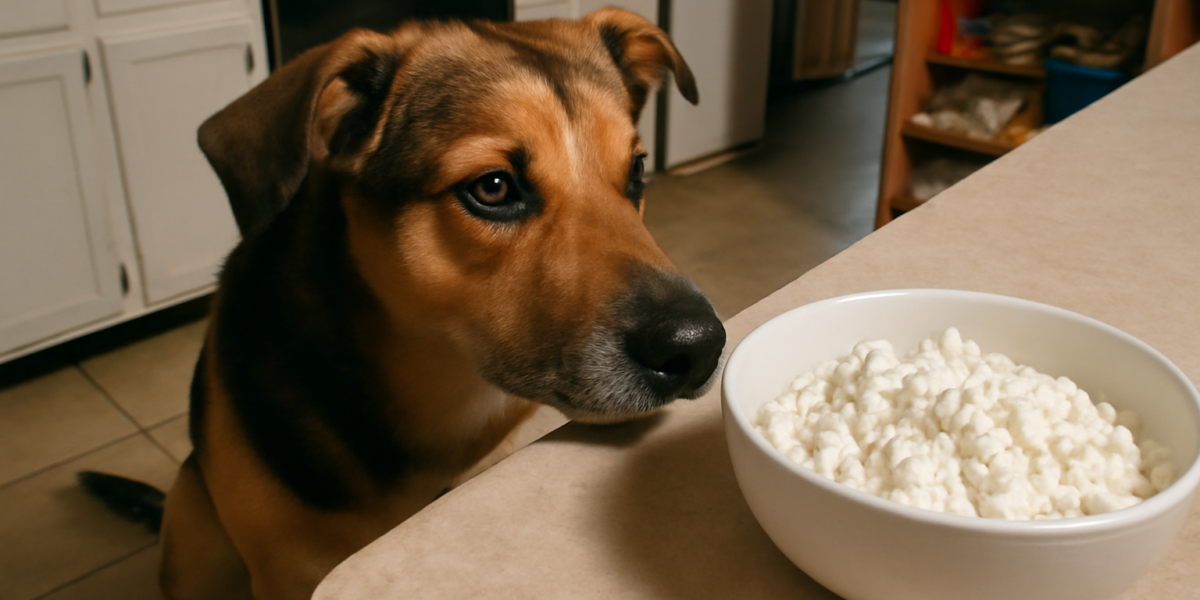
Quick Answer: Yes, dogs can eat cottage cheese — in moderation. Cottage cheese is lower in lactose than most other dairy products and provides a solid dose of protein and calcium. For healthy dogs without dairy sensitivities, plain low-fat cottage cheese is one of the safest dairy treats you can offer. Portion size and variety still matter, so read on before making it a regular part of your dog’s diet.
Cottage cheese is a fixture in many kitchens — mild in flavor, high in protein, and generally regarded as a wholesome food for people watching their diet. It is also a food that dog owners frequently reach for, whether as a treat, a food topper, or a bland diet staple during stomach upset. If you have ever wondered whether can dogs eat cottage cheese is a question with a simple answer, it largely is: yes, most dogs can. But understanding why it is considered safe, what to watch out for, and how to serve it correctly will help you use it well rather than just hoping for the best.
Is Cottage Cheese Safe for Dogs?
Cottage cheese is safe for most healthy adult dogs. It is not toxic — unlike onions, grapes, or chocolate — and it does not contain any compound that causes organ damage or acute illness in dogs with no underlying sensitivities. In fact, many veterinarians actively recommend plain cottage cheese as part of a bland diet for dogs recovering from mild gastrointestinal upset, typically paired with cooked white rice. That level of endorsement puts it in a different category from most human foods that dogs technically can eat.
The reason cottage cheese is better tolerated than most dairy comes down to its lactose content. The culturing process used to make cottage cheese breaks down a significant portion of the lactose, making it easier for dogs to digest than milk, ice cream, or soft cheeses. Dogs produce lower levels of lactase — the enzyme that processes lactose — than humans, so lower-lactose foods are naturally a better fit. Dogs with known dairy sensitivities may still react, but dogs that handle dairy reasonably well are unlikely to have trouble with a modest serving. When in doubt, check with your veterinarian before adding cottage cheese to your dog’s regular routine. For more practical guidance on what dogs can and cannot eat, visit our dog care blog.
Nutritional Benefits of Cottage Cheese for Dogs
Can dogs eat cottage cheese and actually benefit from it nutritionally? Yes, in meaningful ways. Cottage cheese is a concentrated source of animal protein, which supports muscle maintenance, tissue repair, and the production of enzymes and hormones. A half-cup serving contains roughly 14 grams of protein, making it a genuinely useful protein delivery vehicle — especially for dogs that are picky eaters or need a little extra encouragement to finish their meals.
Calcium and phosphorus are present in good quantities and work together to support bone density, joint health, and dental strength. These minerals are relevant at every life stage but are particularly valuable for growing puppies and aging dogs whose skeletal systems require ongoing support. Cottage cheese also provides B vitamins — including B12 and riboflavin — which contribute to energy metabolism, red blood cell production, and nervous system function. Selenium, an antioxidant mineral, is present in small amounts as well. Low-fat cottage cheese adds all of this with relatively few calories compared to higher-fat cheeses, which makes it a practical, nutrient-efficient choice as an occasional treat or food topper for dogs that can tolerate dairy.
Risks of Feeding Cottage Cheese to Dogs
Even though dogs can eat cottage cheese safely in most cases, there are three risks worth keeping in mind before you make it a habit.
Lactose intolerance is the most common concern. While cottage cheese is lower in lactose than many other dairy products, it is not lactose-free. Dogs that are particularly sensitive to dairy may still experience gas, loose stools, bloating, or stomach discomfort after eating it. Symptoms typically show up within a few hours and resolve on their own, but they are a clear signal that dairy is not a good fit for that specific dog. If your dog has reacted to other dairy products in the past, cottage cheese may not be the exception you hope it is.
Sodium content is worth checking on the label. Plain cottage cheese can vary considerably in sodium depending on the brand and variety. Dogs require far less dietary sodium than humans, and regular consumption of a high-sodium cottage cheese can contribute to increased thirst, elevated blood pressure, and added strain on the kidneys over time. Always choose low-sodium or no-salt-added versions when available, and read the nutrition label before buying.
Fat content matters if your dog is overweight or prone to pancreatitis. Full-fat cottage cheese contains more saturated fat than the low-fat or fat-free versions, and dogs with a history of pancreatitis can experience a flare from a sudden increase in dietary fat. Stick to low-fat or 1% cottage cheese for regular use, and avoid full-fat versions for dogs with any history of digestive or metabolic issues.
How Much Cottage Cheese Can Dogs Eat?
Treats — including cottage cheese — should account for no more than 10 percent of a dog’s daily caloric intake. A reasonable serving of cottage cheese for most dogs looks like this:
- Small dogs (under 20 lbs): One to two teaspoons, a few times per week at most.
- Medium dogs (20–50 lbs): One to two tablespoons as an occasional treat or food topper.
- Large dogs (50 lbs and over): Up to three to four tablespoons is generally reasonable as a periodic addition to their diet.
These are starting points, not fixed rules. Your dog’s weight, activity level, overall diet composition, and individual digestive tolerance all influence what is appropriate. Start with a small amount, monitor how your dog responds over the next 24 hours, and scale up or back accordingly. If your veterinarian has prescribed cottage cheese as part of a bland diet protocol, follow their specific guidance rather than these general guidelines.
How to Serve Cottage Cheese to Dogs
Serving cottage cheese to dogs is straightforward, but a few details make a real difference in keeping it safe and useful.
Always choose plain, low-fat cottage cheese with no added flavors, herbs, or sweeteners. Flavored varieties — honey, pineapple, chive, or herb blends — may contain ingredients that are harmful to dogs, and even plain flavors with added sugar or salt defeat the purpose of choosing a healthier dairy option. Low-sodium versions are preferable whenever available.
Serve it at room temperature or slightly chilled. Very cold food straight from the refrigerator can cause stomach cramps in some dogs, particularly those with sensitive digestive systems. Cottage cheese works well as a food topper mixed into kibble, spooned into a lick mat or puzzle toy, or stirred with plain cooked white rice as part of a bland meal. Keep it refrigerated and use it within the standard food safety window — do not leave it sitting in the bowl between meals. For more ideas on feeding dogs safely, visit our dog care blog.
Frequently Asked Questions
Can dogs eat cottage cheese every day?
For most healthy dogs, small daily servings of plain low-fat cottage cheese are unlikely to cause harm, but daily feeding is not necessary and is probably better avoided as a long-term habit. Variety in treats reduces the risk of over-relying on any single food, and daily dairy consumption may eventually contribute to digestive issues even in dogs that tolerate it well initially. A few times per week is a more sustainable frequency for most dogs, and it keeps cottage cheese in the role of a treat rather than a dietary staple it is not designed to fill.
Can puppies eat cottage cheese?
Puppies can eat small amounts of plain low-fat cottage cheese, and it is occasionally recommended by veterinarians as a gentle protein and calcium source for very young dogs. That said, puppies have developing digestive systems that can be more sensitive than adult dogs, and introducing any new food should be done gradually and in very small quantities. Watch carefully for any signs of digestive upset — loose stools, gas, or vomiting — and discontinue if they appear. Puppies on a complete commercial puppy food formula do not need cottage cheese nutritionally, so treat it as an occasional reward rather than a supplement.
Is cottage cheese good for dogs with upset stomachs?
Yes, and this is one of the most well-established uses of cottage cheese in canine care. Many veterinarians recommend a bland diet of plain cooked white rice and low-fat cottage cheese for dogs experiencing mild gastrointestinal upset — loose stools, vomiting, or general stomach sensitivity. The combination is easy to digest, gentle on the gut lining, and provides enough protein and carbohydrate to sustain a dog while their digestive system recovers. If your dog has been vomiting repeatedly, shows blood in their stool, or has been unwell for more than 24 to 48 hours, contact your veterinarian rather than relying on a home bland diet.
What types of cottage cheese should dogs avoid?
Dogs should avoid flavored cottage cheese of any kind — varieties with added fruit, honey, chives, garlic, or herb blends can contain ingredients that are harmful or toxic to dogs. Full-fat cottage cheese is not appropriate for dogs that are overweight or have a history of pancreatitis. High-sodium varieties should be skipped in favor of low-sodium or no-salt-added options. Cottage cheese blended with cream cheese or other high-fat dairy products should also be avoided, as the combined fat content significantly increases the risk of digestive upset. Stick to plain, low-fat, low-sodium cottage cheese from a reputable brand and you will be working with the version that is genuinely safe for dogs.
Can dogs eat cottage cheese? Yes — and when you choose the right variety, keep servings modest, and pay attention to how your individual dog responds, it is one of the more genuinely useful dairy options in a dog owner’s toolkit. Its low lactose content, solid protein profile, and easy digestibility put it ahead of most other cheeses for canine use. Whether you use it as a training reward, a food topper, or a gentle stomach-settling meal component, plain low-fat cottage cheese earns its place in a thoughtful approach to feeding your dog. Visit our dog care blog for more practical guidance on safe foods, nutrition, and everyday dog care.
For the full picture, see our complete guide to the human foods dogs can eat safely.


