
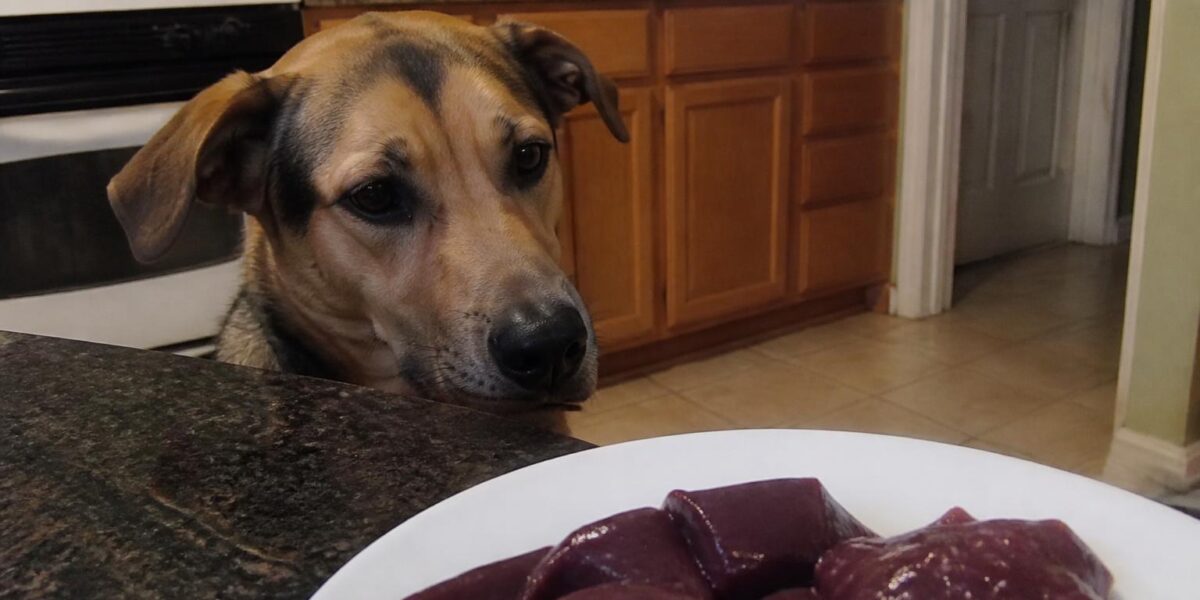
Can Dogs Eat Beef Liver? The Short Answer
Can dogs eat beef liver? Yes. Beef liver is safe for dogs and is actually one of the most nutrient-dense foods you can offer, as long as you feed it in moderation. It is a true superfood treat, but because it is so rich, the golden rule is small portions and not every day.
In this article
Cooked, plain beef liver delivers a powerful punch of protein, vitamins, and minerals. The main thing to manage is its extremely high vitamin A content, which can cause problems if your dog eats large amounts over a long period. Used sensibly, though, liver is a healthy and much-loved treat that most dogs adore.
Liver has a long history as a reward food for working and sporting dogs precisely because it is so palatable and concentrated. That same richness is why thoughtful portioning matters. Treat it as a special-occasion food or a training reward rather than a daily staple, and you get all the upside with none of the downside.
The Nutritional Benefits of Beef Liver
Beef liver packs an impressive nutritional profile into a small serving. It is loaded with high-quality protein and several nutrients dogs need to thrive.
- Vitamin A for healthy vision, skin, and immune function.
- B vitamins, especially B12, to support energy and a healthy nervous system.
- Iron for healthy red blood cells and oxygen transport.
- Copper and zinc, which aid metabolism and coat health.
- Protein that is highly digestible and rich in amino acids.
Because liver is so palatable, many people dry it into chewy or crunchy training treats. Dogs find it irresistible, which makes it a fantastic reward for teaching new behaviors to a rescue dog learning to trust you. A pea-sized piece of dried liver can hold the attention of even an easily distracted pup.
The nutrients in liver also work together in helpful ways. The iron supports red blood cell production, while the B vitamins help convert food into usable energy. For an active dog recovering from a long day on the trail, a small amount of liver can be a satisfying and nourishing reward.
Can a Dog Eat Too Much Liver?
Yes, and this is the most important part to understand. The very thing that makes liver valuable, its concentrated vitamin A, becomes a risk in excess. Eating large quantities regularly can lead to vitamin A toxicity, also called hypervitaminosis A.
This condition builds up slowly over weeks or months and can cause bone deformities, stiffness, weakness, and digestive problems. Because vitamin A is fat-soluble, the body stores it rather than flushing out the excess, which is why steady overfeeding is the real danger rather than a single large serving.
The good news is that it is entirely preventable. As long as liver stays an occasional treat rather than a daily meal, your dog will enjoy the benefits without the danger. If your dog already eats a complete commercial diet, that food is balanced for vitamin A, so the liver you add should be a small extra, not a regular replacement for part of their meals.
Safe Serving Size and Preparation
Treats, including liver, should make up no more than about 10 percent of your dog’s daily diet. A rough guide is a small cube or two for little dogs and a slightly larger piece for big dogs, offered once or twice a week.
To prepare beef liver safely:
- Buy fresh liver and rinse it well.
- Boil, bake, or pan-cook it plain, with no oil, salt, garlic, or onion.
- Let it cool fully, then cut it into small, bite-sized pieces.
- Store leftovers in the fridge for a few days or freeze for later.
Avoid raw liver for most pet dogs because of the risk of bacteria such as salmonella. Cooking it plain keeps it both safe and delicious. If you want to make homemade liver treats, you can bake thin slices at a low temperature until they are dry and chewy, then break them into tiny training-sized pieces.
Steer clear of seasoned, fried, or pâté-style liver meant for people. These often contain onion, garlic, salt, butter, or other additions that are unhealthy or outright toxic for dogs. The simplest plain preparation is always the safest.
Symptoms of Trouble to Watch For
If your dog overindulges in liver in one sitting, you may see short-term digestive upset such as loose stools or diarrhea, simply because liver is so rich. This usually clears up once you cut back and feed a plain, bland diet for a day.
Longer-term overfeeding is the bigger concern. Watch for stiffness, reluctance to move, weight loss, or changes in appetite, which can signal vitamin A buildup. If you notice any of these signs, stop feeding liver and call your veterinarian, who can assess whether your dog’s overall diet needs adjusting.
Keep in mind that puppies and pregnant dogs are more sensitive to excess vitamin A, so they need especially careful portioning. When in doubt about how liver fits into your dog’s life stage and health, a quick conversation with your vet will give you peace of mind.
How to Work Liver Into Your Dog’s Routine
The best way to enjoy the benefits of liver without overdoing it is to plan for it. Decide in advance that liver is, say, a twice-weekly training treat, and stick to that rhythm rather than offering it whenever your dog gives you those hopeful eyes.
You can also rotate liver with other healthy rewards so your dog gets variety and you avoid leaning on any single rich food. Small pieces of cooked lean meat, a few blueberries, or a bit of plain vegetable can fill out your treat rotation nicely. This keeps training sessions interesting and your dog’s diet balanced.
If you feed multiple dogs, portion liver out individually so a larger or pushier dog does not end up eating more than its share. Mindful feeding habits like these are part of responsible care, especially in a busy rescue or multi-pet household.
Homemade dehydrated liver treats are popular precisely because they are simple, single-ingredient, and free of the preservatives in many commercial treats. If you go this route, store them in an airtight container and use them within a week or two, since they have no added preservatives. Keeping a small batch on hand makes it easy to reward good behavior without reaching for processed snacks of unknown quality.
For dogs that gulp their food, break dried liver into the smallest pieces you can manage, which both extends your supply and reduces the chance of a treat being swallowed whole. Slowing down treat delivery this way also makes training sessions calmer and more focused.
Other Organ and Protein Treats for Dogs
Liver is part of a wider family of organ meats your dog can enjoy. Our guides to liver in general and chicken livers cover the same moderation principle for other types. If you want leaner protein options, fish such as salmon and sardines are excellent, omega-rich choices.
Whenever you add a new protein to your dog’s bowl, especially for a senior dog or one with a health condition, check in with your veterinarian first. Thoughtful, balanced feeding is one of the kindest things you can do for an adopted dog settling into their forever home, and liver in moderation can be a delicious part of that.
Frequently Asked Questions
How often can dogs eat beef liver?
Once or twice a week in small amounts is a safe guideline for most healthy dogs. This gives them the nutritional benefits while avoiding vitamin A buildup over time.
Can dogs eat raw beef liver?
It is safest to cook it. Raw liver can carry harmful bacteria, so plain boiled or baked liver is the recommended choice for most pet dogs unless your vet has approved a raw diet.
Is beef liver good for a dog’s coat?
Yes. The zinc, copper, and B vitamins in liver support skin and coat health, which is part of why it is considered such a nutritious treat in moderation.
Can puppies eat beef liver?
In tiny amounts, occasionally, cooked liver can be a great training treat for puppies. Keep portions very small and ask your vet, since puppies are more sensitive to excess vitamin A.
What are the signs of too much vitamin A in dogs?
Watch for stiffness, reluctance to move, weakness, weight loss, and digestive upset. These develop from long-term overfeeding, so stop the liver and consult your vet if you see them.


